
Makeup
Milled Bowl in Scrapwood, Round
Jun
Some objects politely sit on a table. Others walk in wearing clogs, carrying a toolbox, and start a conversation about waste, beauty, and why the “leftover pile” might be the most interesting part of the workshop. The Milled Bowl in Scrapwood, Round belongs firmly in that second category. It is not just a wooden bowl; it is a small, round argument against throwing good material away.
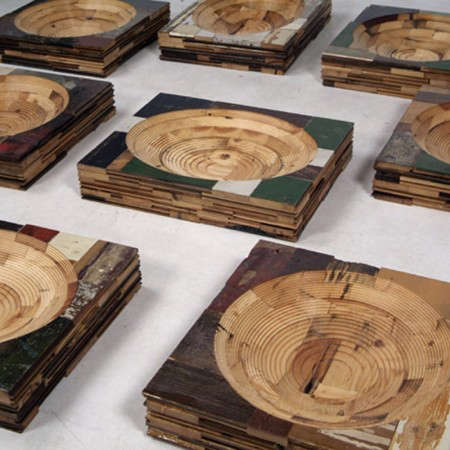
At first glance, the piece looks charmingly simple: a shallow round bowl made from many tones of wood. Look again, and the magic begins. Instead of being carved from one perfect log or turned from a single flawless blank, the bowl is made from scrapwood assembled into a block and then milled into shape. In plain English, it is a bowl built from the bits most people sweep off the floor. In design English, it is a sculptural example of reclaimed wood, circular design, and material honesty. In household English, it is the kind of thing guests point at and say, “Wait, what is that?”
The answer is wonderfully layered. A round milled scrapwood bowl combines modern machining, traditional woodworking logic, and a slightly rebellious attitude toward luxury. It proves that high-end design does not always need rare marble, exotic timber, or an object description that sounds like it was written during a thunderstorm in a philosophy department. Sometimes, the strongest design statement is simply this: use what already exists, make it beautifully, and let every little stripe, knot, and color shift tell on itself.
What Is a Milled Bowl in Scrapwood?
A milled bowl in scrapwood is typically made by collecting wood remnants, arranging and bonding them into a solid block, and then shaping that block with milling tools. Unlike a lathe-turned bowl, which is usually spun around a central axis, a milled bowl may be carved with a router, CNC machine, or other cutting process that removes material in controlled passes. The result can be perfectly round, gently concave, and highly precise while still showing the lively patchwork character of the scraps.
The round form matters. A circle is calm, democratic, and easy to live with. It has no bossy corner demanding attention. When that circle is made from scrapwood, the clean silhouette balances the wildness of the material. The bowl becomes both disciplined and playful: tidy enough for a curated interior, interesting enough to keep from looking like it came from the “generic tasteful objects” aisle.
The Design Story Behind Scrapwood Bowls
Scrapwood design became especially recognizable through the work of Dutch designer Piet Hein Eek, whose furniture and objects often celebrate reclaimed and discarded wood. His approach helped shift the conversation from hiding imperfections to showcasing them. Rather than disguising mismatched pieces, scrapwood design places them proudly on the surface, like a quilt made by someone who owns both a design degree and a very practical broom.
The round milled bowl follows that spirit. It turns offcuts, color variation, and irregular grain into visual rhythm. A pale piece of pine might sit beside a darker hardwood. A narrow strip may interrupt a broad plank. One section may show old nail marks, another tight grain, another a warm amber tone. Instead of feeling chaotic, the finished bowl feels composed because the milling process unifies the pieces into one smooth form.
That is the quiet genius of the object. It does not ask scrapwood to pretend it is something else. It says, “You were leftovers. Now you are the centerpiece. Please act surprised.”
Why Scrapwood Is More Than a Trend
Scrapwood design is often described as sustainable, but the appeal goes deeper than a green label. Every workshop produces leftovers: cutoffs from furniture parts, narrow strips from ripped boards, shaped remnants from CNC work, or pieces too small for conventional production. Individually, these scraps can seem useless. Together, they become a raw material with color, texture, and history built in.
Using scrapwood reduces waste and encourages a more thoughtful relationship with materials. It also challenges the old assumption that luxury must come from visual perfection. In a milled scrapwood bowl, variation is not a defect; it is the main event. The stripes, seams, and tonal jumps are not flaws to correct. They are the reason the piece exists.
This is especially relevant in modern interiors, where many people want homes that feel warm, personal, and less showroom-stiff. A scrapwood bowl brings in natural texture without shouting “rustic farmhouse” from across the room. It can work in a minimalist loft, a cozy kitchen, a modern dining room, or on a shelf next to books you definitely intend to finish someday.
How the Bowl Is Made
Step 1: Selecting the Scrapwood
The process begins with choosing usable pieces of wood. Not every scrap deserves a second career as a design object. Good candidates are dry, stable, and structurally sound. Pieces may vary in species, tone, grain direction, and previous use, but they need enough integrity to be glued, milled, and finished without crumbling like a cookie in a toddler’s fist.
Step 2: Building the Block
The scraps are arranged and bonded into a larger blank. This is where the maker’s eye matters. Too much contrast can look jumpy; too little can look accidental. The best scrapwood compositions feel spontaneous but not random. They have movement, balance, and a sense of visual pacing, almost like music written in maple, pine, oak, walnut, or whatever honest bits are available.
Step 3: Milling the Shape
Once the block is solid, the bowl form is milled. A cutting tool removes material to create the shallow interior curve, smooth rim, and round exterior profile. CNC milling can make this process highly precise, but the final effect remains organic because the material itself is varied. The machine supplies control; the wood supplies personality.
Step 4: Sanding and Refining
After milling, the surface must be sanded. This step is less glamorous than the design photos suggest, but it is essential. Sanding removes tool marks, softens the rim, and helps the different wood pieces feel like one object. Anyone who has ever sanded a curved surface knows the truth: elegance is often just patience wearing a nicer shirt.
Step 5: Finishing
Depending on the intended use, a scrapwood bowl may receive oil, wax, lacquer, or another finish. Some decorative milled bowls are finished with a glossy protective coating that highlights the color variation. Bowls intended for food use require appropriate food-safe finishes and careful construction. Many high-design scrapwood bowls, including decorative collectible versions, are best treated as display pieces rather than salad-duty workhorses.
Decorative Bowl or Functional Bowl?
This distinction matters. A wooden bowl can be functional, decorative, or somewhere in between. A functional salad bowl needs food-safe wood species, food-safe adhesive, a suitable finish, and care instructions that do not involve soaking it in the sink until it develops the personality of a shipwreck. A decorative bowl, however, can focus more on form, finish, and visual impact.
The Milled Bowl in Scrapwood, Round is best understood as a decorative design object. That does not make it less valuable. In fact, it clarifies its purpose. It is meant to hold attention, not soup. Use it for keys, wrapped candies, dried botanicals, a cluster of small objects, or nothing at all. Empty, it still does its job. A good bowl does not always need apples to feel employed.
Why the Round Shape Works So Well
Round bowls have a natural softness that makes them easy to place in a room. A square tray organizes; a round bowl welcomes. The circular form draws the eye inward and lets the material pattern become the star. With scrapwood, that inward pull is especially effective because the surface can look like a landscape viewed from above: fields, roads, borders, and little wooden neighborhoods packed together.
The shallow profile also helps. A low, wide bowl feels architectural rather than bulky. It can sit on a coffee table without blocking conversation, on a console without looking fussy, or on open shelving without demanding a spotlight and its own publicist. Its beauty is present but not needy.
How to Style a Round Scrapwood Bowl
On a Coffee Table
Place the bowl on a stack of large art books or directly on a stone, glass, or wood coffee table. If the table is already wood, choose contrast. A darker table can make pale scrapwood pop, while a lighter table can emphasize the bowl’s warmer tones. Add one small object nearby, such as a ceramic vase or brass candleholder, but resist the urge to crowd it. Scrapwood already brings plenty of visual conversation.
On a Dining Table
As a centerpiece, the bowl can stand alone or hold seasonal items. Think pinecones in winter, citrus in summer if the finish allows casual contact, or linen napkins when you want the table to whisper “effortless” while secretly being very planned. For decorative-only pieces, avoid wet fruit, oily foods, or anything that could stain or soften the finish.
In an Entryway
A round scrapwood bowl makes an excellent landing spot for keys, sunglasses, and small daily objects. It turns ordinary clutter into something that looks almost intentional. This is one of the great miracles of good design: your keys are still your keys, but now they appear curated.
On Open Shelving
Display the bowl upright on a stand or lay it flat among ceramics, books, and glassware. The mixed wood tones bridge different materials beautifully. It can warm up white shelves, soften black metal, and add texture to rooms that have drifted a little too far into “hotel lobby where nobody has ever spilled coffee.”
What Makes Each Piece Unique?
Scrapwood objects are naturally one-of-a-kind because the available material changes from piece to piece. Even if two bowls share the same dimensions and form, the pattern of the wood will differ. One might be quiet and tonal, with pale strips and subtle grain. Another might be bold, with dramatic contrast and patchwork energy. This uniqueness is not a marketing trick; it is built into the method.
That individuality is part of the emotional appeal. Mass-produced objects often promise consistency. Scrapwood objects promise character. You are not just buying a bowl-shaped item; you are buying a particular arrangement of rescued material that will not repeat in exactly the same way. It is furniture’s version of a fingerprint, only less likely to be used in a detective drama.
Care Tips for a Milled Scrapwood Bowl
Care depends on the finish, but a few principles are safe for most decorative wooden bowls. Keep the bowl out of standing water. Do not put it in the dishwasher unless you enjoy tragedy in appliance form. Dust it with a soft cloth, wipe lightly with a barely damp cloth when needed, and dry it immediately. Avoid harsh cleaners, abrasive pads, and direct sunlight for long periods, which can change the color of the wood or finish.
If the bowl has an oil or wax finish and is approved for that kind of maintenance, it may benefit from occasional reconditioning. If it has a lacquer or high-gloss finish, treat it more like a decorative object: clean gently and avoid adding oils unless the maker specifically recommends it. When in doubt, restraint is your friend. Wood care is not a spa day; more products do not always mean better results.
What to Look for When Buying a Scrapwood Bowl
First, look at the seams. The joints should appear intentional and secure. Tiny visual transitions are normal, but gaps, lifting, or uneven glue lines may suggest poor construction. Second, examine the rim. A good round bowl should feel smooth and balanced, not sharp or clumsy. Third, consider the finish. Matte finishes feel earthy and tactile; glossy finishes emphasize color and give the piece a more polished gallery presence.
Also pay attention to scale. A 19-inch bowl is a statement piece, not a cereal bowl unless breakfast has become extremely dramatic. Larger shallow bowls work best on dining tables, consoles, and oversized coffee tables. Smaller versions are easier for shelves, desks, and entry tables. The right size depends on whether you want a whisper, a wink, or a full design monologue.
Why Designers Love Reclaimed Wood Objects
Reclaimed wood brings instant depth to interiors because it carries signs of previous life. It may show nail holes, color shifts, weathering, or grain patterns that new uniform material cannot easily imitate. In a refined object like a milled bowl, those traces become elevated. The material remains humble, but the execution becomes sophisticated.
That tension is powerful: rough history, smooth form; discarded source, collectible result; workshop leftover, living-room centerpiece. It is the same reason exposed brick, vintage rugs, and handmade ceramics remain popular. People like objects that feel touched by time, skill, and chance. A round milled scrapwood bowl offers all three in a compact, table-friendly package.
Common Mistakes to Avoid
One common mistake is treating every wooden bowl as food-safe. Decorative bowls may use finishes or adhesives chosen for appearance rather than kitchen performance. Another mistake is over-styling. Because scrapwood already has pattern, too many objects inside or around the bowl can make the display feel busy. Give it breathing room.
A third mistake is hiding it among too many similar wood tones. If everything around the bowl is also heavily grained wood, the piece may disappear. Pair it with ceramic, metal, glass, linen, stone, or painted surfaces to let the patchwork stand out. Good styling is not about matching everything; it is about giving each material a reason to be there.
Experience Notes: Living With a Round Milled Scrapwood Bowl
Living with a round milled scrapwood bowl is different from living with a plain decorative dish. A plain bowl may be useful, attractive, and quickly forgotten. A scrapwood bowl keeps catching your eye because the surface changes depending on the light and angle. In morning light, pale strips may glow. Under warm evening lamps, darker pieces become richer and more dramatic. It is the rare object that can look calm at breakfast and quietly glamorous by dinner.
One of the best experiences with this kind of piece is discovering how flexible it is. Put it on a modern white console, and it feels like gallery design. Place it on a farmhouse table, and it becomes earthy and grounded. Set it beside black metal shelving, and the wood softens the industrial edge. It adapts without becoming invisible.
There is also a tactile pleasure to the object, even when it is primarily decorative. The smooth milled curve invites touch. The rim feels deliberate. The wood pattern invites close inspection. Guests tend to lean in, trace the lines with their eyes, and ask whether the bowl is made from many pieces. That question is the whole charm. The bowl explains itself visually, but slowly.
In practical use, the bowl works beautifully as a catchall for objects that normally make a table look messy. Remote controls may be too large, but keys, matchbooks, wrapped sweets, small notebooks, coasters, or collected stones look instantly better inside it. This is not because the clutter has vanished. It has simply been promoted.
The bowl also teaches a small lesson in restraint. Because the scrapwood surface is already visually rich, the best styling often means doing less. One branch, one folded textile, one cluster of simple objects, or nothing at all can be enough. Empty space lets the design breathe. It also prevents the bowl from becoming a storage bin with excellent branding.
From a maintenance perspective, the experience is easy if expectations are clear. Treat it as a design object, not cookware. Do not soak it. Do not scrub it aggressively. Do not test its relationship with spaghetti sauce. Keep it dry, dust it gently, and let it age naturally. Wood changes over time, and that is part of the pleasure. A scrapwood bowl is not supposed to look sealed away from life; it is supposed to carry material history forward.
Perhaps the most satisfying part of owning or admiring a milled scrapwood bowl is the way it changes your view of leftovers. After spending time with one, ordinary offcuts start to look less like trash and more like potential. A thin strip of walnut, a chipped piece of oak, a pale sliver of pineeach seems to raise its hand and say, “I could be something.” That is good design at its most persuasive. It does not lecture. It simply makes waste look foolish.
Conclusion: A Small Round Object With a Big Design Argument
The Milled Bowl in Scrapwood, Round is more than a handsome tabletop accessory. It is a compact lesson in sustainable design, skilled making, and the beauty of imperfection. By transforming discarded wood into a refined circular form, it challenges the idea that valuable objects must begin with pristine materials. Sometimes, value comes from attention. Sometimes, luxury is not about what something used to be, but what a thoughtful maker sees in it next.
Whether displayed empty, used as a catchall, or styled as a centerpiece, a round milled scrapwood bowl brings warmth, texture, and story into a room. It has the charm of handmade craft, the precision of modern milling, and the environmental intelligence of reuse. Also, it looks excellent on a table, which is always helpful for an object that plans to spend most of its life there.
Note: This article is based on real design, woodworking, reclaimed-material, wood-moisture, and food-safe finishing information, rewritten in original language for web publication.

