
Body Care
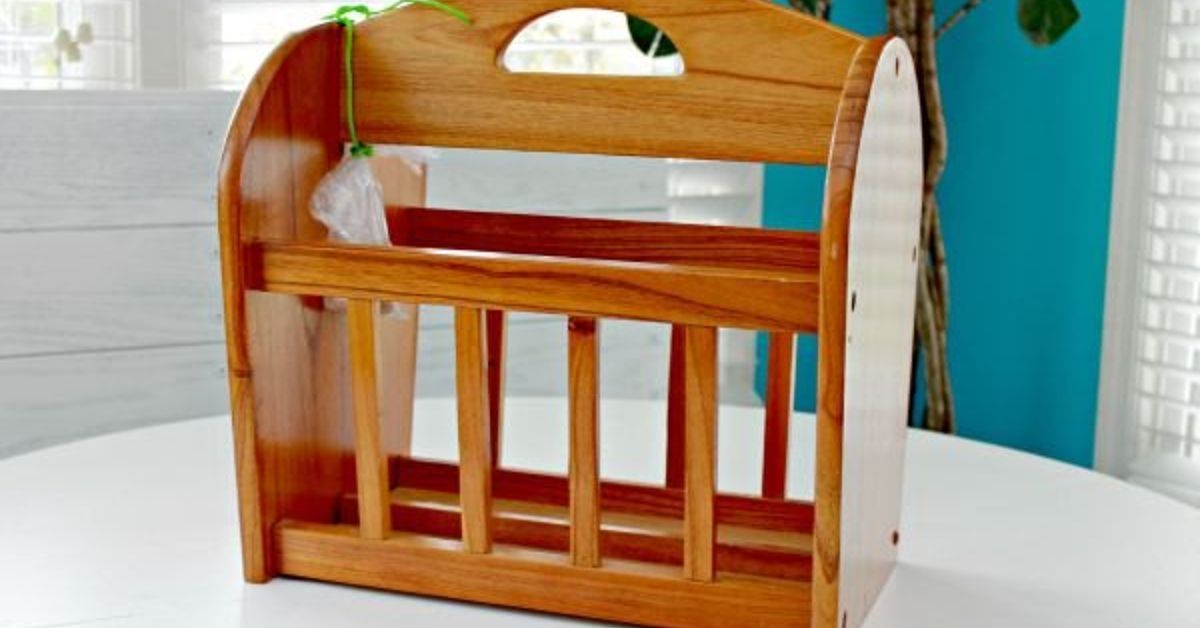
Magazine Rack Turned Portable Office
Aug
Turning an old magazine rack into a portable office is the kind of DIY project that makes you look suspiciously organized without requiring a renovation, a trust fund, or a full-sized room with French doors. If your laptop, planner, pens, folders, glasses, sticky notes, charging cords, and “very important papers” are currently migrating across the couch like office wildlife, this project is for you.
A magazine rack turned portable office is exactly what it sounds like: a simple rack, usually thrifted or rescued from a garage, transformed into a mobile work caddy. It holds the essentials you need to work from the kitchen table, living room, patio, bedroom, or wherever the Wi-Fi behaves and the coffee is within reach. It is part home office organizer, part mobile command center, and part gentle reminder that your dining table was not born to be buried under receipts.
Why a Magazine Rack Makes a Surprisingly Brilliant Portable Office
The magic of a magazine rack is its shape. Most racks are already built to hold tall, flat items upright: magazines, newspapers, catalogs, folders, notebooks, and slim binders. That same design makes it perfect for paper organization, laptop accessories, planners, mail, project folders, and reference materials. In other words, the magazine rack was basically waiting for office promotion.
Unlike bulky file cabinets or desk drawers, a magazine rack is lightweight, visible, and easy to move. Many vintage wooden racks also have a built-in handle, which makes them ideal for portable home office storage. You can carry your daily work setup from room to room without balancing a laptop under one arm, a notebook under your chin, and a pen between your teeth like a stressed-out circus act.
This idea also fits modern work habits. Many people no longer work from one fixed desk all day. Hybrid work, remote work, freelance projects, online classes, bill paying, meal planning, and household management often happen in shared spaces. A portable office organizer gives those activities a dedicated home, even when you do not have a dedicated office.
The Real Problem: Work Stuff Spreads Fast
Work clutter rarely arrives as a dramatic avalanche. It starts politely. One notebook on the counter. A charger beside the sofa. A folder on the dining table. A pair of reading glasses on top of the folder. Three pens, none of which work. Then suddenly your living room looks like a tiny accounting firm had a nervous breakdown.
The goal of a portable office is not to own fewer tools than you need. The goal is to give those tools a specific place to land. Good organization is less about perfection and more about reducing friction. If your planner, laptop charger, current paperwork, and favorite pen live in one easy-to-grab rack, you are more likely to use them and put them back.
That is why this project works so well for small homes, apartments, multipurpose rooms, and families who share tables. When work time is over, the rack can slide beside a chair, into a closet, under a console table, or next to a bookshelf. The room returns to normal, and your paperwork stops pretending to be home decor.
What You Need for the Project
You do not need advanced woodworking skills to create a magazine rack portable office. This is a beginner-friendly DIY upcycle with a big payoff. A basic wooden magazine rack is the easiest style to customize, but metal, wicker, bamboo, acrylic, or rattan racks can work too.
Basic Supplies
- One sturdy magazine rack with a handle or open top
- Mild cleaner and a cloth
- Sandpaper or sanding sponge, especially for glossy wood
- Primer, chalk-style paint, spray paint, or furniture paint
- Clear wax, polyurethane, or sealant
- Small cup, jar, or pencil holder for pens
- File folders, slim notebooks, or document sleeves
- Optional labels, stencil, decals, hooks, felt pads, or small baskets
What to Look for in a Good Rack
Choose a rack that feels stable when empty. If it wobbles in the store, it will wobble harder when loaded with a planner, folders, and a laptop charger. Look for smooth handles, solid joints, and enough interior space to hold letter-size folders without bending them. If you plan to store a laptop vertically, measure first. A rack that is charming but too narrow is just a decorative disappointment wearing paint.
Step-by-Step: How to Turn a Magazine Rack Into a Portable Office
Step 1: Clean It Like It Has Stories
Thrifted magazine racks often come with dust, mystery smudges, and the faint energy of old waiting rooms. Clean the rack thoroughly with mild soap and water or a surface-safe cleaner. Let it dry completely before painting. If the piece has sticky residue, use a gentle adhesive remover and wipe it down again.
Step 2: Tighten, Repair, and Stabilize
Before making the rack pretty, make it useful. Tighten screws, glue loose joints, and check for splinters. If the base is uneven, add felt pads to the feet. A portable office should be sturdy enough to move around without making your folders lean like they are emotionally exhausted.
Step 3: Sand or Scuff the Surface
If the rack is painted, varnished, or glossy, lightly sand the surface so new paint can grip. You do not need to remove every old finish unless it is peeling badly. A quick scuff is usually enough. Wipe away dust with a tack cloth or damp rag before painting.
Step 4: Paint for Style and Durability
Chalk-style paint is popular for vintage furniture projects because it adheres well and creates a soft matte finish. Spray paint works nicely on metal or wicker racks. Furniture paint or enamel is a smart choice if the rack will get heavy daily use. Apply thin coats rather than one thick coat. Thick paint drips are the DIY version of wearing socks with sandals: technically allowed, but not ideal.
Step 5: Add Personality
A stencil, small decal, painted stripe, monogram, or label plate can make the rack feel intentional instead of merely rescued. For a farmhouse look, try white paint with light distressing. For a modern office, choose matte black, deep green, navy, or warm gray. For a creative studio, use a cheerful color that makes paperwork feel less like paperwork.
Step 6: Seal the Finish
A portable office organizer is handled often, so protect the finish. Clear wax gives a soft, vintage feel. Polyurethane or water-based topcoat adds more durability. Let the sealant cure according to the product directions before loading the rack.
Step 7: Build Your Office Kit
Now comes the satisfying part. Add file folders to one side, notebooks or planners to another, and a small container for pens, highlighters, scissors, glasses, or a stylus. Tuck cords into a pouch so they do not turn into electronic spaghetti. Keep only current work inside. This is a portable office, not an archaeological archive of every receipt since 2018.
What to Store in a Magazine Rack Portable Office
The best portable office is customized to your real life. A freelancer may need client folders, a notebook, earbuds, and a charger. A parent may need school forms, bills, coupons, meal plans, and a calendar. A student may need textbooks, index cards, pens, and a laptop stand. A household manager may need mail, stamps, insurance paperwork, and a binder labeled “Important Stuff,” which sounds official enough to calm everyone down.
Portable Office Essentials
- Current planner or calendar
- One notebook for active notes
- Two to five labeled folders
- Pen cup or small supply jar
- Laptop charger and phone charger
- Sticky notes or index cards
- Reading glasses or blue-light glasses
- Small pouch for cables and earbuds
Folder Categories That Actually Work
Keep categories simple. Try “To Do,” “To File,” “Bills,” “School,” “Client Work,” “Receipts,” or “This Week.” If you create 27 categories, you are not organizing; you are building a paper-themed escape room. The fewer decisions required, the more likely you are to maintain the system.
How to Use It Without Recreating Clutter in a Cuter Container
Any organizer can become clutter with handles if there are no rules. The magazine rack portable office works best when it has boundaries. First, give it a job. Is it for daily work? Bills? Homeschool papers? Remote work supplies? Creative projects? Avoid making it responsible for every loose object in the house.
Second, keep it current. Once a week, remove old papers, file what needs filing, recycle what is no longer useful, and reset the supplies. A five-minute review prevents the rack from becoming a tiny wooden swamp of forgotten forms.
Third, use the “one-touch” habit whenever possible. When mail arrives, sort it immediately into action, file, recycle, or shred. When a project ends, remove its papers from the portable office. When a pen dies, do not return it to the pen cup out of guilt. It has served. Let it go.
Small-Space Benefits: The Office That Does Not Need a Room
A magazine rack turned portable office is especially helpful in small spaces because it uses vertical storage. Instead of stacking papers flat, it stores them upright, making them easier to see and retrieve. This simple change can make a table, counter, or shelf feel calmer instantly.
Vertical storage is also more forgiving in shared rooms. If your living room is also your office, craft zone, homework station, and occasional snack theater, portability matters. You can bring the rack out during work hours and put it away afterward. That physical transition helps separate work mode from home mode, even when both modes happen five feet apart.
For apartment dwellers, the rack can live beside a sofa, under a side table, on a low shelf, or inside a closet. For homeowners, it can serve as a kitchen command center, bill-paying station, family paperwork hub, or patio work caddy. It is flexible enough to follow your habits instead of forcing you to behave like someone who alphabetizes batteries.
Ergonomics Still Matter, Even With a Cute Office Caddy
A portable office does not automatically create a healthy workstation. It organizes your supplies, but your body still needs a reasonable setup. When working on a laptop for longer sessions, raise the screen closer to eye level and use an external keyboard and mouse when possible. Sit with your feet supported, shoulders relaxed, and wrists in a neutral position. Take short movement breaks throughout the day.
The magazine rack can support better ergonomics by keeping helpful tools nearby: a compact laptop stand, a wireless keyboard, a mouse, a small notebook, and a document holder. If everything is stored together, you are less likely to work hunched over a laptop because the accessories are “somewhere around here,” which is the official location of half the objects in every home.
Design Ideas for Different Styles
Farmhouse Portable Office
Paint the rack warm white, cream, sage, or soft black. Add a lightly distressed finish, a small label plate, and kraft paper folders. This style works beautifully in kitchens, breakfast nooks, and living rooms with natural textures.
Modern Minimalist Office Caddy
Use matte black, charcoal, white, or walnut stain. Keep labels simple and choose matching folders. Add a slim cable pouch and a clean pen cup. The look is quiet, practical, and unlikely to visually argue with the rest of the room.
Creative Studio Organizer
Choose a bold color such as coral, teal, mustard, or cobalt. Use patterned folders, washi tape labels, and a separate section for sketchbooks or idea journals. This version is perfect for artists, bloggers, teachers, and anyone whose workday includes both spreadsheets and sudden inspiration.
Family Command Center
Turn the rack into a portable household hub. Add folders for each family member, a small calendar, stamps, school forms, coupons, and permission slips. Keep it near the kitchen or entryway so papers do not disappear into backpacks, countertops, or that one drawer nobody wants to open.
Common Mistakes to Avoid
The first mistake is overloading the rack. A portable office should hold daily essentials, not every office supply you own. If it becomes too heavy to move, it stops being portable and becomes a filing cabinet with confidence issues.
The second mistake is skipping labels. Even simple folder names make a big difference. Labels reduce decision fatigue and help other people in the household use the system without asking where everything goes every 14 minutes.
The third mistake is ignoring cords. Chargers, earbuds, adapters, and USB cables need their own pouch or container. Loose cords will tangle around folders and pens with impressive speed. Give them boundaries early.
The fourth mistake is choosing beauty over function. A delicate antique rack may look lovely, but if it cannot hold your supplies safely, use it for lightweight papers or display instead. Function first, charm second. Ideally, you get both.
Budget Tips for a Low-Cost DIY Portable Office
One of the best parts of this project is the price. Magazine racks are common at thrift stores, yard sales, estate sales, online marketplaces, and sometimes in family garages where they have been quietly waiting since the era of landline phones. Look for solid construction rather than perfect appearance. Paint can fix ugly. Paint cannot fix a rack that collapses when you add a notebook.
Use supplies you already own when possible. Leftover wall paint, a spare jar for pens, old folders, a zip pouch, or extra labels can keep the project inexpensive. If you want a polished finish, spend money on a good sealant and sturdy folders rather than unnecessary decorations. The goal is a practical office station, not a tiny parade float for office supplies.
Maintenance: The Weekly Five-Minute Reset
Once your portable office is finished, give it a weekly reset. Remove trash, return stray items, file completed paperwork, and restock pens or sticky notes. Check that folders still match your current work. If a category is always overflowing, it may need its own storage elsewhere.
This small habit keeps the rack useful. Organization systems fail when they are too complicated or never maintained. A magazine rack portable office succeeds because it is visible, simple, and easy to reset. You can see what is inside, grab what you need, and move the whole system in one trip. That is not just organization. That is domestic engineering with a handle.
Experience Notes: What It Feels Like to Use a Magazine Rack Portable Office
The first thing you notice after using a magazine rack portable office is how much calmer the room feels. Before the rack, work items tend to scatter. A laptop sits on the coffee table. A notebook hides under a throw pillow. A bill waits on the counter with the emotional weight of a courtroom summons. After the rack, everything has a landing zone. The house does not magically become spotless, but the work clutter stops staging a takeover.
One of the most practical experiences is the evening reset. Imagine working from the living room while the family watches TV. You answer emails, check tomorrow’s schedule, write a grocery list, review a bill, and make notes for a project. Without a portable organizer, all those items stay behind when you get tired. The next morning, you are greeted by a paper pile that somehow looks disappointed in you. With the rack, cleanup takes less than a minute. Notebook in one side, planner in the other, pens back in the cup, charger in the pouch, folders upright. Done.
The second big benefit is mobility. A portable office lets you follow the best light, the quietest room, or the strongest coffee signal. You can work at the kitchen table in the morning, move to the patio for planning, and take the rack to the bedroom later for reading or bill paying. This is especially useful for people who do not have a dedicated home office. Instead of pretending the dining room is a permanent executive suite, you create a flexible system that appears when needed and disappears when dinner happens.
There is also a psychological advantage. A contained work kit makes it easier to start. When supplies are scattered, beginning a task requires a scavenger hunt. Where is the charger? Where did the blue folder go? Why are there three notebooks and none of them are the right notebook? A magazine rack reduces that friction. You grab one thing, sit down, and begin. It is not glamorous, but productivity often comes from removing tiny annoyances.
For households with kids, roommates, or shared spaces, the rack also sends a clear signal: these items belong together. It is easier to ask someone not to move “the office rack” than to protect a loose collection of papers spread across three surfaces. The rack becomes a boundary. It says, kindly but firmly, “These are active documents, not scrap paper for a spontaneous art project.”
The best experience, however, may be the satisfaction of upcycling. Taking an old magazine rack and turning it into something useful feels wonderfully practical. You save money, reduce waste, and create a custom organizer that fits your actual routine. It is the rare DIY project that looks good, solves a daily problem, and does not require explaining to guests why there is a half-built table in the hallway. A magazine rack turned portable office is small, humble, and surprisingly powerful. Like a desk drawer that learned to travel.
Conclusion: A Small DIY Project With Big Everyday Payoff
A magazine rack turned portable office proves that organization does not always require expensive furniture or a dedicated room. Sometimes the best solution is already shaped like the problem: upright storage for papers, supplies, folders, and tools that need to move with you. With a little cleaning, paint, labeling, and editing, an old rack can become a beautiful mobile office organizer for remote work, household paperwork, studying, planning, or creative projects.
The key is to keep the system simple. Give the rack a clear purpose, store only active essentials, use labels, control cords, and reset it weekly. Whether you prefer farmhouse charm, modern minimalism, or colorful creative energy, this DIY portable office can be customized to match your space and habits. It is proof that a small organizer can create a big sense of controland that even an old magazine rack deserves a second career.
SEO Tags

