
Beauty Tools & Accessories
How to Administer Eye Drops: 14 Steps
May
Administering eye drops sounds easy until the tiny bottle is hovering over your face like a nervous helicopter and your eyelids suddenly develop the strength of a bank vault. Whether you are using prescription eye medication, lubricating drops for dry eyes, allergy drops, or doctor-recommended drops after an eye exam, proper technique matters. A well-placed drop can help the medicine work better, reduce waste, and lower the chance of contaminating the bottle.
The good news: you do not need superhero aim. You only need clean hands, a steady method, and a few practical tricks. This guide explains how to administer eye drops in 14 clear steps, plus common mistakes to avoid, tips for kids and older adults, and real-world experience from people who have learned that blinking at the wrong moment is basically an Olympic sport.
Important note: This article is for general education. Always follow the directions on your prescription label, product packaging, or eye care professional’s instructions. If your eye is painful, your vision changes, or symptoms get worse, contact a doctor or eye care provider promptly.
Why Proper Eye Drop Technique Matters
Eye drops are designed to deliver medicine or moisture directly to the surface of the eye. But the eye is small, the dropper tip must stay clean, and the natural blink reflex is determined to protect you from anything approaching your eyeballeven something helpful. Proper technique helps the drop land in the lower eyelid pocket, where it can spread across the eye instead of running down your cheek like a dramatic movie tear.
Good technique also helps prevent contamination. Touching the dropper tip to your eye, eyelashes, fingers, sink, counter, or towel can transfer germs to the bottle. Once contaminated, eye drops can become risky, especially for people using prescription medications, people recovering from eye surgery, or anyone with a weakened immune system.
Another reason technique matters: more is not always better. In many cases, one drop is enough unless your doctor or product label says otherwise. Your eye can only hold a small amount of liquid, so extra drops often spill out and waste medication. If you use multiple types of eye drops, spacing them apart helps prevent one drop from washing away the other.
Before You Start: Prepare Like a Pro
A calm setup makes eye drops easier. Choose a clean, well-lit area with a mirror nearby. If you feel nervous, sit down or lie back. If your hands shake, rest your wrist or fingers against your cheek for support. If the bottle is new, read the label carefully and make sure you know which eye needs treatment.
Gather What You Need
- Your eye drop bottle
- Soap and water or hand sanitizer
- A clean tissue
- A mirror, if helpful
- A timer or phone reminder if you use drops on a schedule
Check the Bottle
Before using any eye drops, check the name, expiration date, and instructions. Make sure the dropper tip is not cracked, chipped, dirty, or touching anything. If the bottle looks cloudy when it should be clear, smells unusual, has changed color, or appears damaged, do not use it. When in doubt, ask a pharmacist or eye care provider.
How to Administer Eye Drops: 14 Steps
Step 1: Read the Label First
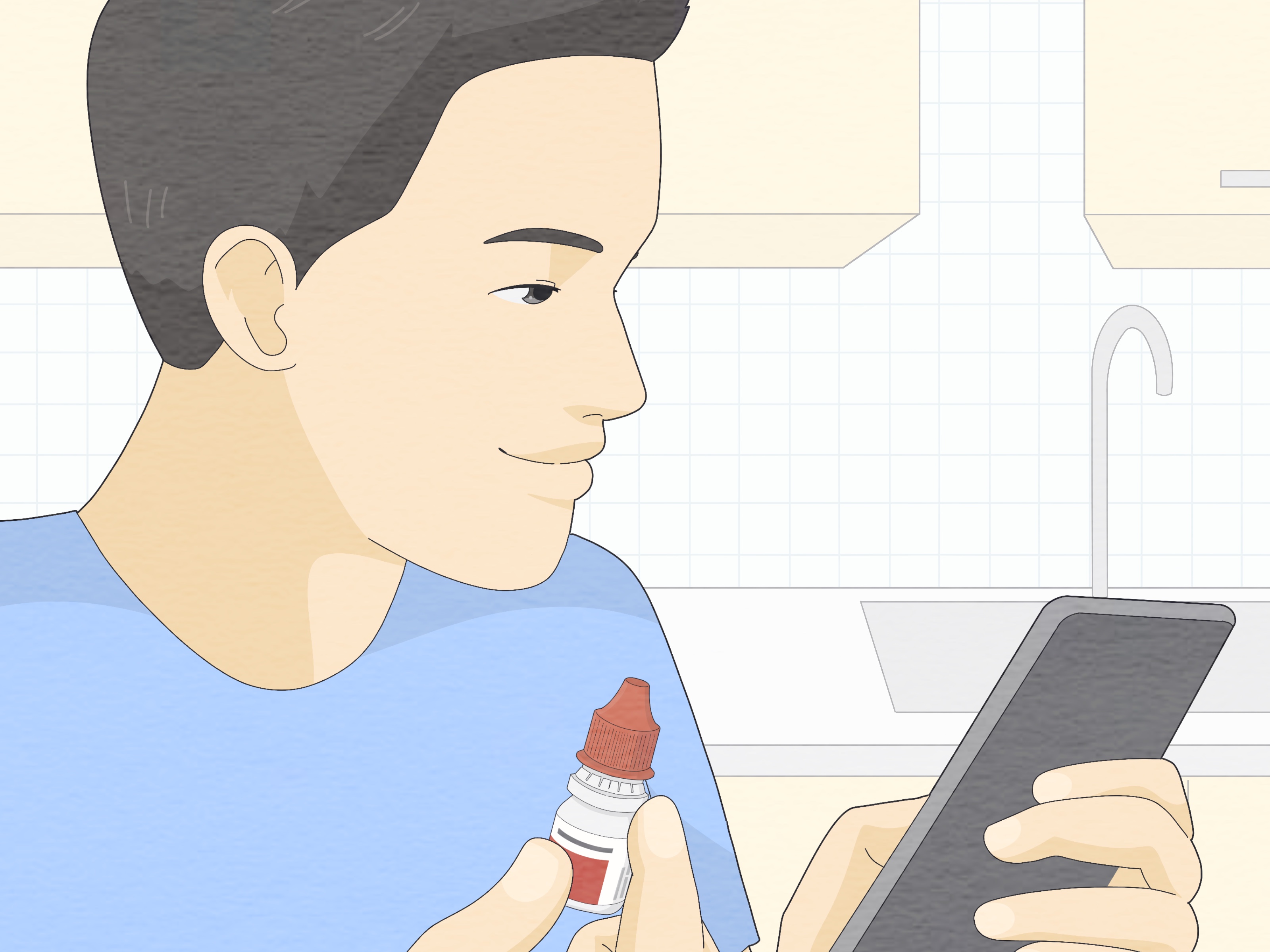
Start by confirming the medication name, dose, timing, and which eye should receive the drop. This is especially important if you use more than one eye medication. Some bottles look surprisingly similar, and your sleepy morning brain may not be the world’s most reliable pharmacist.
Step 2: Wash Your Hands Thoroughly
Wash your hands with soap and water, then dry them with a clean towel. If soap and water are not available, use hand sanitizer and let your hands dry completely before touching the bottle. Clean hands reduce the chance of germs reaching your eye or the dropper tip.
Step 3: Remove Contact Lenses if Needed
Many eye drops should not be used while wearing contact lenses unless the label specifically says they are safe for contacts. Remove your lenses before applying medicated drops or most lubricating drops. Some products require waiting at least 10 to 15 minutes before putting contacts back in. Follow the product label or your eye care provider’s instructions.
Step 4: Shake the Bottle if Directed
Some eye drops must be shaken before use, while others should not be shaken. Check the label. If shaking is required, gently shake the bottle for the recommended amount of time so the medicine is evenly mixed.
Step 5: Open the Bottle Without Touching the Tip
Remove the cap and place it on a clean surface with the inside facing up, or hold it carefully. Do not touch the dropper tip with your fingers. The tip should stay as clean as possible from the moment the cap comes off until it goes back on.
Step 6: Tilt Your Head Back or Lie Down
Sit in a chair and tilt your head back, or lie down on a bed or couch. Choose the position that gives you the most control. If you are standing over a sink and missing every drop, congratulationsyou have discovered the hardest setting. Sit or lie down instead.
Step 7: Look Up
Look upward, away from the bottle. This helps reduce the urge to blink and creates a better angle for the drop to land. You do not have to stare into another dimension; just look toward the ceiling or a high point on the wall.
Step 8: Pull Down the Lower Eyelid
With one hand, gently pull the lower eyelid down and away from the eye to create a small pocket. This lower-lid pocket is the target. Try not to press on the eyeball itself. Gentle is the goal; your eyelid is not a garage door.
Step 9: Hold the Bottle Above the Eye
Hold the bottle upside down with the dropper tip above the lower-lid pocket. Keep the tip close enough to aim but far enough that it does not touch your eye, lashes, eyelid, or skin. Many people find that resting a finger against the cheek or nose helps steady the hand.
Step 10: Squeeze One Drop Into the Pocket
Gently squeeze the bottle until one drop falls into the pocket. Unless your doctor or label says otherwise, one drop is usually enough. If the drop lands on your cheek, eyelid, or lashes, try again. If it lands in the eye or lower-lid pocket, you did it.
Step 11: Close Your Eye Gently
Close your eye gently for at least one minute, or as directed. Do not squeeze your eyelids shut tightly. Squeezing can push the drop out instead of helping it stay in. Think “soft blink,” not “I just saw my browser history on a projector.”
Step 12: Press the Inner Corner of the Eye
Use a clean finger to apply light pressure to the inner corner of the eye near the nose. This area is where the tear duct drains. Gentle pressure may help keep the drop on the eye longer and reduce drainage into the nose or throat. This can be especially useful for prescription drops.
Step 13: Wipe Away Extra Liquid
Use a clean tissue to blot any extra liquid from your cheek or eyelid. Avoid rubbing the eye. If you need drops in both eyes, repeat the same process for the other eye using the same careful technique.
Step 14: Replace the Cap and Wash Your Hands Again
Put the cap back on tightly without touching the dropper tip. Store the bottle according to the label. Some drops should be kept at room temperature, while others may need different storage. Wash your hands again, especially if you used prescription medication.
What to Do If You Miss the Eye
Missing happens. Even people who have used eye drops for years occasionally send one down the cheek. If the drop does not get into your eye, try again. Take a breath, reset your position, and aim for the lower-lid pocket. Using a mirror can help, but some people do better without one because they stop flinching at the sight of the bottle.
If you are not sure whether the drop went in, check whether your eye feels wet or whether you tasted the drop in the back of your throat. That taste is not delicious, but it may mean the drop reached the eye and drained through the tear duct. Pressing the inner corner after applying drops can reduce that drainage.
Using More Than One Type of Eye Drop
If you use multiple eye drops, wait about five minutes between different medications unless your doctor gives different instructions. This helps prevent the second drop from washing away the first. If you use both eye drops and eye ointment, drops usually go first, followed by ointment later. Ointment can blur vision and create a thicker coating, so it often works best as the final step.
Common Eye Drop Mistakes to Avoid
Touching the Dropper Tip
The dropper tip should not touch your eye, eyelashes, fingers, counter, or tissue. Once the tip is contaminated, the bottle may no longer be safe to use.
Using Too Many Drops
Adding extra drops does not always improve results. Often, the excess simply spills out. Follow the label or prescription instructions.
Blinking Rapidly After the Drop
Fast blinking can pump the medicine out of the eye. Close your eye gently instead.
Sharing Eye Drops
Do not share eye drops, even with family members. Sharing can spread germs or expose someone to medication that is not right for them.
Ignoring Expiration Dates
Expired drops may not work properly and may not be safe. Throw away expired products and follow any “discard after opening” instructions on the label.
Tips for People Who Struggle With Eye Drops
If your hand shakes, brace it against your cheek. If you blink too much, try placing the drop in the inner corner of your closed eye, then opening the eye while your head is tilted back. Some of the liquid may roll in. This method is not perfect for every medication, so ask your eye care provider if it is appropriate for your situation.
If the bottle is hard to squeeze, ask a pharmacist about assistive devices that help apply eye drops. Older adults, people with arthritis, and people with limited hand strength often benefit from a drop guide or bottle aid. If you regularly miss doses because drops are difficult, tell your doctor. The best medication plan is one you can actually follow.
How to Give Eye Drops to a Child
Giving eye drops to a child requires patience, honesty, and occasionally the negotiation skills of a diplomat. Explain what will happen in simple words. Let the child lie down, look up, or close their eyes if that feels less scary. For some children, placing the drop near the inner corner of the closed eye and then having them open their eye may be easier. Ask your pediatrician or eye doctor whether this approach is acceptable for the specific drops.
Praise cooperation, even if it was only three seconds of bravery and one dramatic sigh. Avoid turning eye drops into a battle. A calm routine helps children learn that the process is quick and manageable.
When to Call a Doctor
Call a doctor, pharmacist, or eye care professional if you experience eye pain, worsening redness, swelling, discharge, new light sensitivity, blurred vision, vision loss, or symptoms that do not improve as expected. Also seek help if you think the bottle may be contaminated or if you accidentally use the wrong eye drops.
If you use prescription drops for glaucoma, infection, inflammation, or after surgery, do not stop using them without medical advice. Missing doses or stopping early can reduce treatment effectiveness.
Eye Drop Storage and Safety
Store drops exactly as the label says. Keep the cap tightly closed and the bottle away from heat, moisture, and direct sunlight unless the label says otherwise. Keep all medications out of reach of children and pets. If you hear about an eye drop recall, check the product name, lot number, and expiration date against the official recall information. Do not use recalled products.
For single-use preservative-free vials, follow the package directions. Many are meant to be used once and then thrown away. Multi-dose bottles may have different rules. When the label gives a discard date after opening, write the opening date on the bottle or box so you do not have to rely on memory, which is already busy remembering passwords, birthdays, and where you left your keys.
Experience-Based Tips: What People Learn After Using Eye Drops Regularly
Many people discover that administering eye drops is less about perfect aim and more about building a repeatable routine. The first few attempts may feel awkward. The bottle seems too close, the drop feels too cold, and the eye blinks at exactly the wrong time. After a few days, though, the process becomes familiar. The biggest improvement often comes from slowing down. Rushing usually leads to missed drops, wasted medication, and frustration. Sitting down, taking one breath, and bracing the hand can turn a messy attempt into a smooth one.
Another common experience is learning that the lower-lid pocket is the real target. Beginners often aim directly at the center of the eye, which can feel intimidating. Aiming for the small pocket created by pulling down the lower eyelid feels easier and more comfortable. Once the drop lands there, the eye naturally spreads the liquid across the surface. People who use a mirror sometimes like to watch the bottle; others prefer looking away because seeing the drop approach makes them blink. Neither method is “wrong.” The best method is the one that gets the drop safely into the eye.
People who use several drops a day often learn the value of reminders. A phone alarm, medication chart, or simple sticky note can prevent missed doses. For prescription eye drops, consistency matters. Pairing drops with daily habits can help: after brushing teeth, before breakfast, after dinner, or before bedtime. The routine should match the dosing instructions, but anchoring it to something familiar makes it easier to remember.
Dry eye users often notice that preservative-free lubricating drops may feel gentler when used frequently, depending on their eye care provider’s advice. Contact lens wearers quickly learn to read labels carefully because not all drops are contact-lens friendly. Using the wrong product with contacts can cause irritation, deposits, or discomfort. When symptoms feel unusual, removing the lenses and checking with an eye care professional is the safer move.
Caregivers also learn a few lessons. For older adults, grip strength and vision can make small bottles difficult. A larger-print schedule, a drop-assist device, or having someone watch the technique can help. For children, calm explanation works better than surprise attacks. Nobody enjoys an unexpected drop from above; it feels less like healthcare and more like a tiny weather event.
The most practical lesson is this: do not judge your success by whether every attempt is perfect. Judge it by whether your hands are clean, the bottle tip stays untouched, the drop reaches the eye, and the medication is used as directed. With practice, eye drops become less dramatic. Eventually, the bottle stops looking like a villain, and the whole routine takes less than a minute.
Conclusion
Learning how to administer eye drops correctly can make treatment easier, cleaner, and more effective. The basic method is simple: wash your hands, check the bottle, create a lower-lid pocket, place one drop without touching the tip, close the eye gently, and wait before using another drop. Add a few practical habitssuch as using reminders, storing drops properly, and asking for help when the bottle is hard to handleand eye drops become much less intimidating.
Whether you are using artificial tears, allergy drops, antibiotic drops, glaucoma medication, or post-procedure drops, technique matters. Your eyes are delicate, but the process does not have to be scary. Go slowly, keep things clean, and remember: if the first drop misses, you are not failing. You are simply participating in the very human sport of learning.

