
Skincare
How Often Should You Exfoliate Your Skin for the Best Results?
May
Exfoliation is one of the most important steps in a skincare routine, yet many people still ask: How often should I exfoliate? The answer depends on your skin type, lifestyle, and the type of exfoliating products you use. When done correctly, exfoliation can leave your skin smoother, brighter, and healthier. However, over-exfoliating may damage your skin barrier and cause irritation.
In this complete guide, you’ll learn how often to exfoliate your face, the different types of exfoliation, and the best practices for maintaining radiant skin.
What Is Exfoliation?
Exfoliation is the process of removing dead skin cells from the surface of your skin. Normally, your skin naturally sheds dead cells every 30 days. However, sometimes these cells build up and cause clogged pores, dullness, rough texture, and breakouts.
Regular exfoliation helps:
- Improve skin texture
- Brighten dull skin
- Unclog pores
- Reduce acne and blackheads
- Allow skincare products to absorb better
- Promote smoother makeup application
How Often Should You Exfoliate?
The ideal exfoliation frequency varies depending on your skin type and sensitivity.
1. Normal Skin
If you have normal skin, exfoliating 2–3 times per week is generally enough to maintain healthy and glowing skin without causing irritation.
2. Oily or Acne-Prone Skin
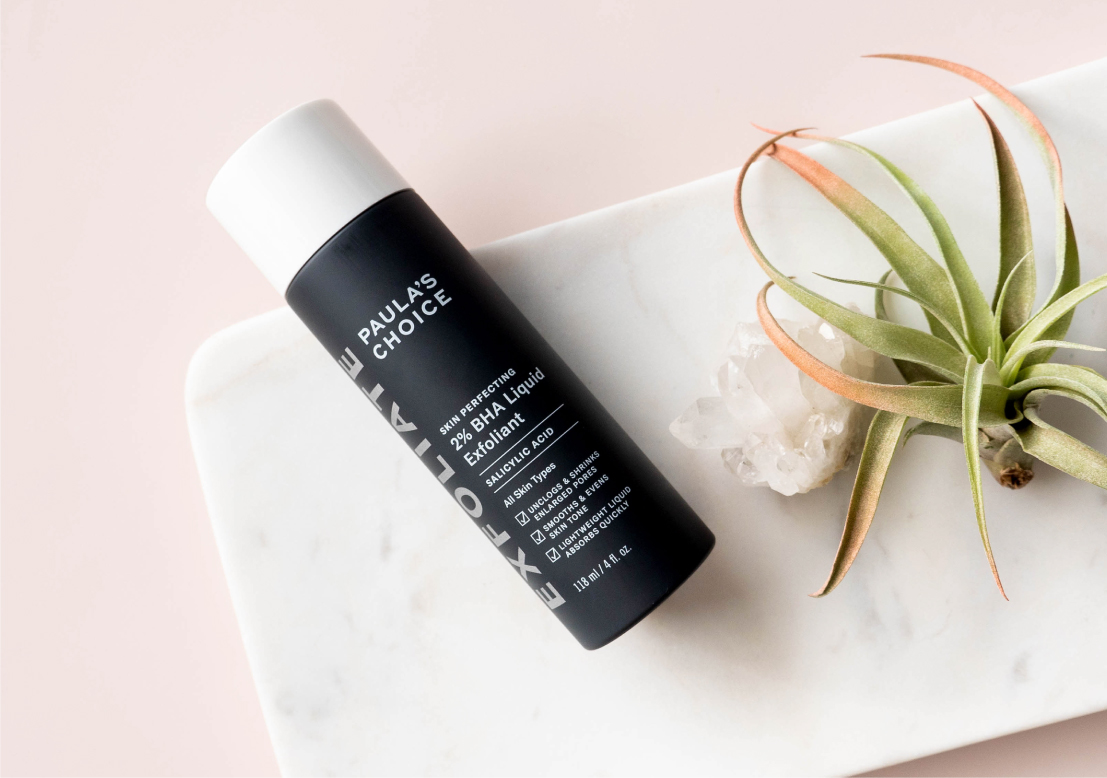
People with oily skin often benefit from exfoliating 3–4 times weekly because excess oil and dead skin can clog pores more easily. Ingredients like salicylic acid can help control oil and reduce breakouts.
3. Dry Skin
Dry skin requires a gentler approach. Exfoliating 1–2 times per week helps remove flaky skin without stripping away natural moisture.
4. Sensitive Skin
Sensitive skin should be exfoliated carefully, usually once a week using mild exfoliants. Over-exfoliating sensitive skin can lead to redness, irritation, and inflammation.
Types of Exfoliation
Understanding the two main types of exfoliation can help you choose the best method for your skin.
Physical Exfoliation
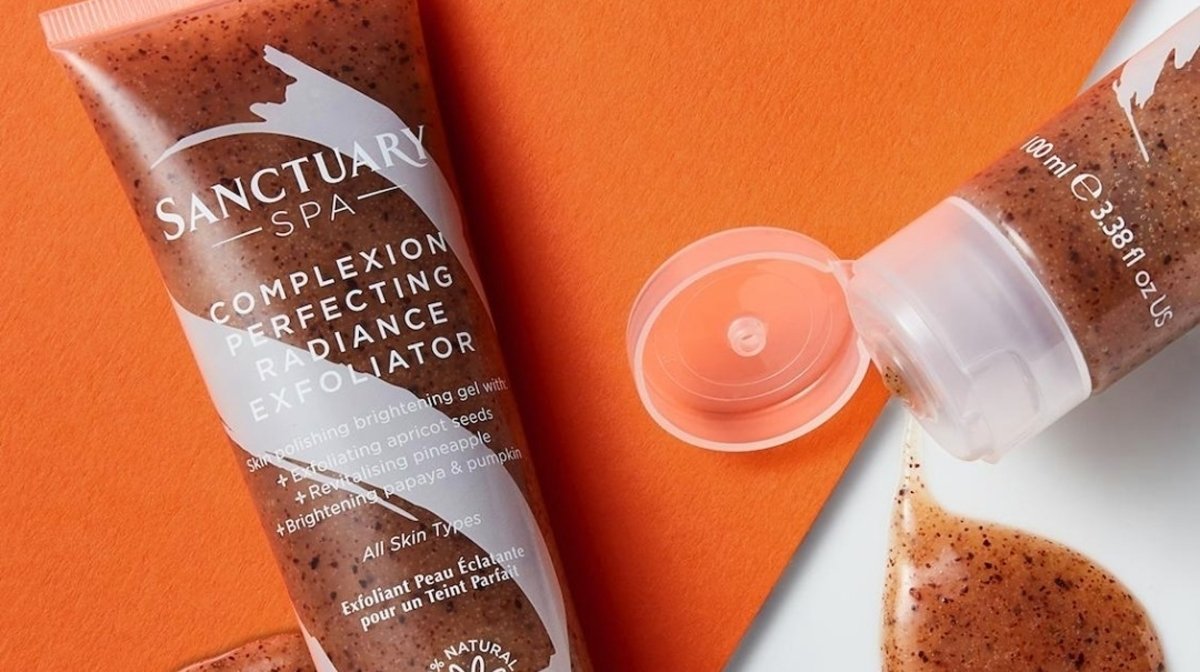
Physical exfoliation uses scrubs, brushes, or exfoliating tools to manually remove dead skin cells.
Examples include:
- Face scrubs
- Cleansing brushes
- Exfoliating gloves
While effective, harsh scrubs can sometimes cause micro-tears if used too aggressively.
Chemical Exfoliation
Chemical exfoliation uses acids or enzymes to dissolve dead skin cells gently.
Popular chemical exfoliants include:
- AHAs (Alpha Hydroxy Acids) for dry or aging skin
- BHAs (Beta Hydroxy Acids) for oily and acne-prone skin
- PHAs for sensitive skin
Chemical exfoliants are often preferred because they provide more even and less abrasive results.
Signs You Are Over-Exfoliating
Exfoliating too often can damage your skin barrier. Watch for these warning signs:
- Redness
- Tightness
- Peeling
- Burning or stinging
- Increased breakouts
- Dry patches
- Sensitivity to skincare products
If you notice these symptoms, reduce exfoliation frequency and focus on hydration and barrier repair.
Best Tips for Safe Exfoliation
To keep your skin healthy and balanced:
- Start slowly with new exfoliating products
- Always moisturize after exfoliating
- Use sunscreen daily since exfoliated skin is more sensitive to UV rays
- Avoid combining multiple strong exfoliants at the same time
- Listen to your skin’s response
Should You Exfoliate Every Day?
For most people, daily exfoliation is unnecessary and may lead to irritation. Some ultra-gentle products are designed for daily use, but generally, exfoliating a few times per week is enough for healthy skin.
So, how often should you exfoliate? The best routine depends on your skin type and the products you use. Most people achieve great results by exfoliating between 1–3 times per week. The key is consistency and moderation.
When done correctly, exfoliation can transform dull, rough skin into a smoother, brighter, and healthier complexion. Always choose gentle products, protect your skin barrier, and pay attention to how your skin reacts over time.

