
Beauty Tools & Accessories
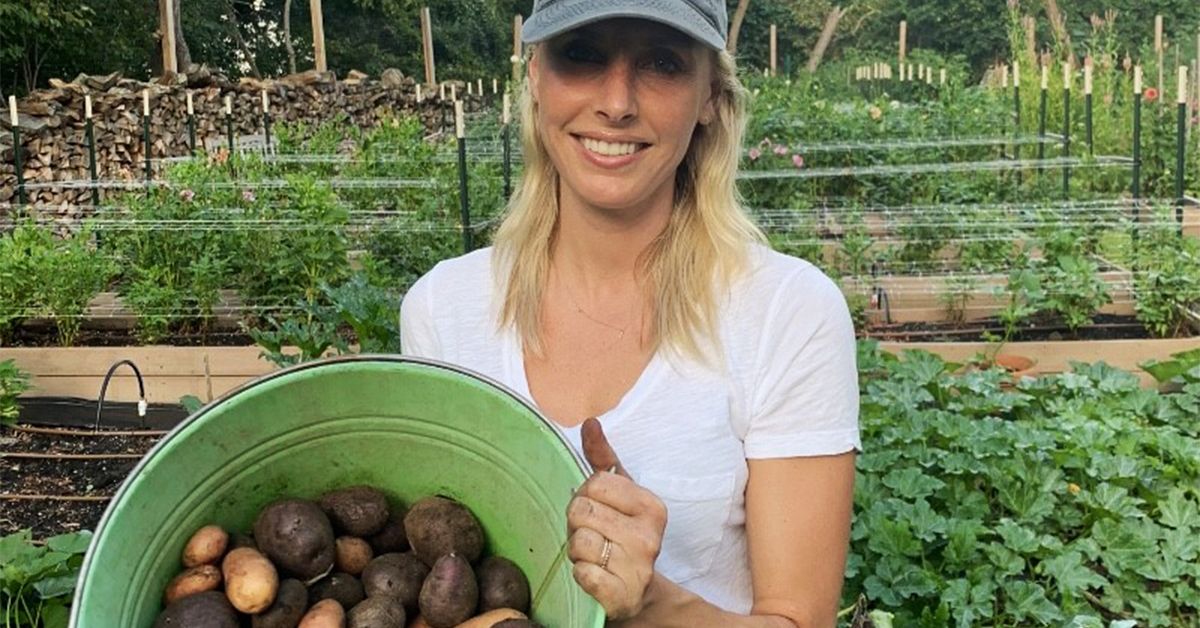
How Healthy Eating Looks to a Dietitian with a Green Thumb
Jul
Healthy eating does not have to look like a spotless white kitchen, a color-coded meal plan, and a refrigerator full of mystery powders named after thunderbolts. To a dietitian with a green thumb, healthy eating looks much more human: muddy carrots in the sink, basil taking over a sunny windowsill, beans simmering on the stove, and a lunch that accidentally becomes fancy because someone remembered to add fresh herbs.
In other words, healthy eating is not a punishment. It is a relationship with food that is practical, seasonal, flexible, and joyful. A dietitian who gardens tends to see meals from both sides: the science of nutrients and the miracle of watching one tiny seed become enough zucchini to feed the neighborhood, the mail carrier, and possibly a small marching band.
This garden-to-table approach is rooted in real nutrition principles: eat more fruits and vegetables, choose whole grains often, include satisfying protein, use healthy fats, limit excess added sugar and sodium, and make meals enjoyable enough that you will actually keep eating them. The green-thumb twist is simple: when you grow even a little of your own food, you become more curious about what is on your plate. And curiosity is one of the most underrated ingredients in a healthy lifestyle.
What Healthy Eating Really Means
Healthy eating is not about chasing perfection. It is about building a pattern of meals that supports energy, digestion, heart health, blood sugar balance, and long-term wellness. A balanced plate usually includes plenty of vegetables and fruits, whole grains, protein foods such as beans, lentils, fish, eggs, poultry, tofu, nuts, or seeds, plus flavorful fats like olive oil, avocado, or nut butters.
A dietitian thinks in patterns, not panic. One cupcake does not destroy your health. One salad does not magically turn you into a woodland fitness influencer. What matters most is what you eat most of the time. A garden helps with that because it nudges vegetables from “I should eat those” into “I grew that, and I demand applause.”
The Garden Changes the Plate
When healthy eating starts in the garden, vegetables stop being side characters. They become the plot. A handful of cherry tomatoes can turn scrambled eggs into breakfast worth sitting down for. Fresh spinach can bulk up pasta without making it feel like “diet food.” Mint can make water taste like it went on vacation. Cilantro, parsley, dill, thyme, and basil can add brightness without relying on extra salt, sugar, or heavy sauces.
That is one reason herbs are a dietitian-gardener’s secret weapon. They are small, affordable, and dramatic in the best way. A basic bean salad becomes lively with parsley and lemon. Roasted carrots wake up with thyme. Lentil soup gets a fresh finish from cilantro. Herbs make nutritious meals taste intentional, not like homework.
The Dietitian’s Garden Plate Formula
A simple garden-inspired plate starts with this idea: fill half the plate with colorful plants, reserve one quarter for protein, and use the last quarter for grains or starchy vegetables. Then add healthy fat and flavor. This flexible formula works for breakfast, lunch, dinner, and those “standing at the counter eating leftovers” moments that absolutely still count as meals.
Half the Plate: Vegetables and Fruits
The more color, the better. Leafy greens, tomatoes, peppers, carrots, squash, berries, citrus, apples, cabbage, broccoli, onions, and herbs all bring different nutrients to the table. A dietitian with a garden thinks beyond lettuce. They might use shredded zucchini in oats, roasted peppers in sandwiches, cabbage in tacos, or chopped herbs in yogurt sauce.
One Quarter: Protein That Satisfies
Protein helps meals feel complete. Beans, peas, lentils, tofu, eggs, Greek yogurt, fish, poultry, lean meats, nuts, and seeds can all fit into a healthy eating pattern. Garden meals often pair beautifully with plant proteins: tomatoes with chickpeas, greens with lentils, peppers stuffed with beans and brown rice, or herbs blended into a yogurt-based dressing.
One Quarter: Whole Grains or Starchy Plants
Whole grains such as oats, brown rice, quinoa, barley, whole wheat bread, and farro add fiber and staying power. Starchy garden foods like potatoes, sweet potatoes, corn, peas, and winter squash also belong. The goal is not to fear carbohydrates; it is to choose ones that come with fiber, nutrients, and satisfaction.
Flavor Finish: Healthy Fats and Herbs
Olive oil, avocado, nuts, seeds, and tahini can help vegetables taste rich and satisfying. Add herbs, citrus, vinegar, garlic, onions, or spices, and suddenly healthy eating has personality. This is where the dietitian’s green thumb really shines: a meal with fresh basil or dill often tastes restaurant-level, even if you are wearing garden clogs and negotiating with a suspicious-looking cucumber.
Seasonal Eating Makes Healthy Food Easier
Seasonal eating is not just charming; it is practical. When produce is in season, it often tastes better, costs less, and inspires simpler cooking. A summer tomato barely needs anything besides olive oil, pepper, and a respectful moment of silence. Fall squash becomes soup. Spring greens become salads, sautés, and omelets. Winter herbs brighten beans, roasted vegetables, and grain bowls.
A dietitian with a green thumb uses the season as a meal planner. Instead of asking, “What should I force myself to eat?” the question becomes, “What is ready, fresh, affordable, and delicious right now?” That shift makes healthy eating feel less like discipline and more like participation.
Healthy Eating Does Not Require a Huge Garden
You do not need a backyard worthy of a lifestyle magazine. A windowsill herb pot, a balcony tomato plant, a container of salad greens, or a few microgreens on the counter can change how you cook. Small-space gardening is perfect for beginners because it offers quick wins. Basil grows fast. Lettuce is forgiving. Mint grows so enthusiastically it may attempt a hostile takeover, so consider giving it its own pot and a firm talking-to.
For people who do not garden, the same philosophy still works with farmers markets, community-supported agriculture boxes, grocery store produce, frozen vegetables, and canned beans. The dietitian mindset is not “grow everything yourself.” It is “make plants easy to use and hard to ignore.”
How a Dietitian-Gardener Builds Real Meals
Healthy eating becomes easier when meals are built from repeatable templates. The garden provides variety; the template provides sanity.
Breakfast: Greens, Fiber, and Protein
A garden-friendly breakfast might be scrambled eggs with spinach and tomatoes, oatmeal with berries and walnuts, Greek yogurt with fruit and seeds, or whole grain toast topped with avocado and herbs. The goal is to combine fiber and protein early in the day so breakfast does not vanish from your bloodstream by 9:17 a.m.
Lunch: The Big Bowl Strategy
A lunch bowl can include greens, roasted vegetables, beans or chicken, brown rice or quinoa, herbs, and a simple dressing. This is where leftovers become useful instead of mysterious. Yesterday’s roasted zucchini becomes today’s grain bowl. A half-can of chickpeas becomes salad protein. A few sad herbs become a green sauce with lemon, garlic, and olive oil.
Dinner: Comfort Food with More Plants
Dinner does not need to be delicate. A dietitian with a green thumb loves hearty meals: vegetable-packed chili, pasta with sautéed greens and white beans, salmon with roasted potatoes and herbs, lentil tacos with cabbage slaw, or chicken soup loaded with carrots, celery, onions, and greens. Healthy eating can be cozy, filling, and deeply satisfying.
The Power of Fiber, Also Known as Your Gut’s Favorite Houseguest
Fiber is one of the biggest benefits of a plant-rich diet. It supports digestion, helps meals feel satisfying, and plays a role in heart and metabolic health. Vegetables, fruits, beans, lentils, whole grains, nuts, and seeds all contribute fiber. A garden naturally encourages more of these foods because fresh produce is suddenly not just an abstract recommendation; it is sitting on your counter, looking perishable and mildly judgmental.
One practical tip is to increase fiber gradually. If you go from low-fiber meals to a mountain of beans, kale, and bran overnight, your digestive system may file a formal complaint. Add fiber slowly, drink water, and let your gut adapt like the hardworking ecosystem it is.
Healthy Eating on a Budget
A green-thumb dietitian knows that healthy food must fit real budgets. Gardening can help, especially with high-value crops like herbs, greens, tomatoes, peppers, and zucchini. But grocery strategies matter too. Frozen vegetables are nutritious, convenient, and often cheaper than fresh. Canned beans, lentils, tomatoes, tuna, salmon, and vegetables can build quick meals. Brown rice, oats, potatoes, eggs, peanut butter, cabbage, carrots, and seasonal fruit are budget-friendly staples.
The key is to reduce waste. Plan meals around what needs to be used first. Turn soft tomatoes into sauce. Freeze herbs in olive oil. Add leftover greens to soup. Roast vegetables before they become compost with regrets. Healthy eating is not only about what you buy; it is about what you actually use.
Food Safety Still Matters, Even When You Grew It Yourself
Homegrown produce feels pure, but dirt is still dirt, and microbes do not care that your tomatoes were raised with love. Wash fresh fruits and vegetables under running water before eating, cutting, or cooking. Avoid using soap or detergent on produce. Keep cutting boards, knives, hands, and counters clean, especially when preparing raw meat, poultry, seafood, or eggs in the same kitchen.
In the garden, use compost safely, keep pets out of vegetable beds, and harvest with clean hands or clean tools. Store produce properly and refrigerate cut fruits and vegetables. Healthy eating includes the unglamorous details too. Food safety may not be as Instagram-friendly as a rainbow salad, but it is definitely invited to dinner.
Why Gardening Helps People Eat More Vegetables
Gardening changes behavior because it changes attention. When people grow food, they notice it. They check on it. They wait for it. They become emotionally invested in lettuce, which is both adorable and useful. That connection can make vegetables more appealing, especially for children and picky eaters. A child who refuses store-bought peas may suddenly try peas they helped pick, because apparently peas need a backstory.
Gardening also turns healthy eating into a skill-building process. You learn what grows in your climate, how to cook what you harvest, how to preserve extra produce, and how to adjust meals based on what is available. This makes healthy eating more resilient. You are not just following a meal plan; you are building food confidence.
Common Myths About Healthy Eating
Myth 1: Healthy Food Is Bland
Bland food is not healthy food; it is a seasoning emergency. Herbs, spices, citrus, garlic, onions, vinegar, roasted vegetables, toasted nuts, and flavorful oils can transform simple ingredients. A tomato, basil, and white bean salad is proof that healthy food can have main-character energy.
Myth 2: You Must Eat Perfectly
Healthy eating allows room for birthday cake, pizza nights, and the occasional snack eaten directly from the bag while standing in the pantry. A dietitian looks at the overall pattern. Perfection is fragile; consistency is powerful.
Myth 3: Fresh Is Always Better Than Frozen or Canned
Fresh produce is wonderful, especially from a garden, but frozen and canned foods are practical nutrition heroes. Frozen vegetables are picked and preserved for convenience. Canned beans and tomatoes can turn a bare kitchen into dinner. Choose lower-sodium options when possible, and rinse canned beans to reduce sodium.
A Simple Garden-to-Table Meal Plan
Here is what one day of healthy eating might look like for a dietitian with a green thumb:
- Breakfast: Oatmeal with berries, chia seeds, walnuts, and a spoonful of yogurt.
- Snack: Carrot sticks with hummus and a few cherry tomatoes from the garden.
- Lunch: Quinoa bowl with greens, cucumbers, chickpeas, roasted peppers, feta, parsley, and lemon-olive oil dressing.
- Snack: Apple slices with peanut butter.
- Dinner: Salmon or tofu with roasted potatoes, sautéed zucchini, and basil pesto.
- Flavor bonus: Mint-infused water or unsweetened iced tea with lemon.
This is not a rigid prescription. It is an example of balance: plants, protein, fiber, healthy fats, and pleasure. The plate looks colorful, but it also tastes good. That matters. Food that supports health should still make you look forward to eating.
Five Practical Tips from a Dietitian with a Green Thumb
1. Grow What You Already Eat
Do not plant eggplant because it looks sophisticated if you secretly fear eggplant. Start with foods you already enjoy: tomatoes, lettuce, basil, peppers, cucumbers, strawberries, or herbs.
2. Keep Washed Produce Visible
People eat what they see. Store ready-to-use vegetables at eye level in the refrigerator. Keep fruit on the counter when safe. Make the healthy choice the lazy choice.
3. Add One Plant to Meals You Already Make
Add spinach to eggs, peppers to tacos, beans to soup, zucchini to pasta, or berries to yogurt. You do not need a life overhaul. You need a few reliable upgrades.
4. Use Herbs Before Salt
Fresh herbs bring flavor without added sodium. Try basil with tomatoes, dill with yogurt sauce, cilantro with beans, rosemary with potatoes, and parsley with almost everything.
5. Cook Once, Remix Twice
Roast a tray of vegetables, cook a pot of grains, and prepare a protein. Then remix them into bowls, wraps, salads, soups, and omelets. Meal prep should feel like giving your future self a high-five.
Experiences from the Garden: What Healthy Eating Looks Like in Real Life
The most surprising thing about eating like a dietitian with a green thumb is how ordinary it feels. It is less about dramatic transformation and more about small decisions repeated until they become normal. The first time you snip herbs from a pot instead of opening a packaged sauce, you realize flavor can be fresh, fast, and inexpensive. The first time you build dinner around vegetables you harvested yourself, you understand why gardeners talk about tomatoes like they are beloved pets with complicated personalities.
One everyday experience is the “accidental salad.” It starts with checking the garden for one thing, maybe basil, and ends with a bowl of lettuce, cucumbers, tomatoes, radishes, and herbs. Add chickpeas, boiled eggs, grilled chicken, tofu, or tuna, and suddenly lunch appears. No diet drama. No complicated rules. Just food that was available, colorful, and satisfying.
Another experience is learning to cook with abundance. Gardens do not produce politely. They produce in waves. One week you have three basil leaves. The next week you are making pesto like you own a small Italian café. Zucchini arrives with similar enthusiasm. A dietitian sees this not as a problem but as an invitation: shred zucchini into muffins, roast it with garlic, add it to pasta, fold it into eggs, or freeze it for soup. Abundance teaches creativity.
Gardening also makes healthy eating more forgiving. Not every meal is perfect. Sometimes the lettuce bolts, the tomatoes split, the basil gets dramatic, and dinner becomes canned beans, frozen vegetables, and toast. That still counts. Healthy eating is not dependent on a perfect harvest. It is supported by flexible habits: keeping staples on hand, adding plants where possible, and choosing meals that satisfy both nutrition needs and real-life schedules.
There is also a mental shift. When you grow food, you slow down enough to notice the work behind it. A carrot is no longer just a carrot; it is weeks of watering, thinning, waiting, and hoping the rabbits find other hobbies. That awareness can reduce waste. You become more likely to use carrot tops in pesto, save vegetable scraps for broth, freeze extra herbs, and eat leftovers because you know the effort that produced them.
For families, the garden can become a low-pressure nutrition classroom. Kids may not care about vitamin C, antioxidants, or fiber, but they care about pulling a radish out of the ground like they discovered buried treasure. Letting children water herbs, pick cherry tomatoes, or assemble their own garden tacos can make healthy eating feel playful instead of forced. Adults need that playfulness too. Nobody outgrows the joy of eating a strawberry still warm from the sun.
The biggest lesson is that healthy eating is easier when it is connected to pleasure. A dietitian with a green thumb does not eat vegetables because a chart said so, although the chart may be correct. They eat vegetables because roasted peppers taste sweet, basil smells like summer, beans are hearty, berries are joyful, and a good salad can be crunchy, creamy, tangy, salty, and fresh all at once. The garden reminds us that nutritious food is not a punishment for having a body. It is one of the most generous ways to care for it.
Conclusion: Healthy Eating Grows from Simple Habits
Healthy eating through the eyes of a dietitian with a green thumb is colorful, flexible, practical, and deeply connected to real food. It is not about restriction. It is about building meals around plants, choosing satisfying proteins, enjoying whole grains and fiber-rich foods, using herbs for flavor, and making the most of what each season offers.
You do not need a perfect garden or a perfect diet. Start with one herb pot, one extra vegetable at dinner, one batch of beans, one grain bowl, or one week of using what you already have before buying more. Healthy eating grows best when it is realistic. Add water, sunlight, patience, and a sense of humor. The tomatoes may still ignore your schedule, but your plate will be better for it.
Note: This article is for general educational purposes and is not a substitute for personalized medical nutrition advice. People with medical conditions, food allergies, pregnancy-related nutrition needs, or prescribed diets should consult a registered dietitian or qualified healthcare professional.

