
Hair Care
Hot Water Recirculating Pump: What To Know Before You Buy
May
Waiting for hot water can feel like watching a slow-loading website in 2004. You turn on the shower, stand there politely shivering, and listen as perfectly good water disappears down the drain. A hot water recirculating pump promises to fix that everyday annoyance by moving hot water through your plumbing faster, so warm water arrives at the faucet or shower sooner.
But before you buy one, it helps to know what these pumps actually do, what they cost, where they work best, and when they can quietly turn into an energy-wasting little gremlin. The right system can save water, improve comfort, and make your home feel more polished. The wrong setup can give you lukewarm cold taps, higher utility bills, or a pump that runs when nobody needs hot water. Charming? Not exactly.
This guide breaks down the essentials: how hot water recirculating pumps work, the main types, installation considerations, energy use, buying features, and real-life lessons homeowners should think about before clicking “add to cart.”
What Is a Hot Water Recirculating Pump?
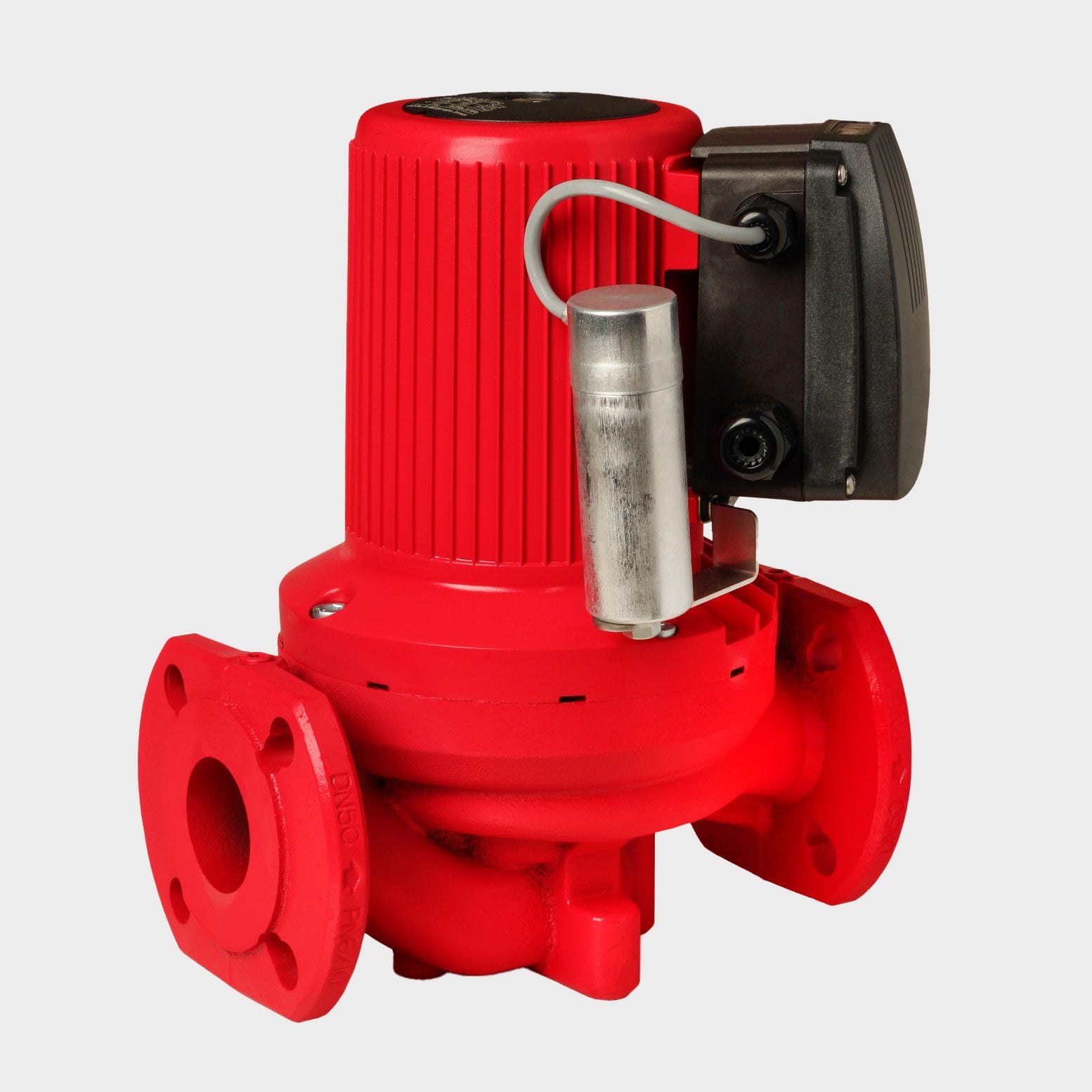
A hot water recirculating pump is a small plumbing device that helps move cooled water sitting in your hot water lines back toward the water heater. Instead of wasting that cooled water down the drain while you wait, the system recirculates it so hot water reaches fixtures faster.
In a typical home, hot water leaves the water heater and travels through pipes to a faucet, shower, dishwasher, or washing machine. After the tap turns off, water remains in the pipe. Over time, that water cools. The next time you open the hot side, you first have to clear that cooled water before fresh hot water arrives. That is the awkward waiting period a recirculation system tries to reduce.
These pumps are especially useful in larger homes, two-story houses, long ranch-style layouts, or any home where the water heater sits far from bathrooms and kitchens. If your primary bathroom is practically in another zip code from the water heater, a recirculating pump may feel like plumbing magic.
How Does a Hot Water Recirculating Pump Work?
The basic idea is simple: the pump creates a loop. Hot water moves from the water heater through the hot water line, while cooled water is sent back to be reheated instead of being wasted at the drain.
Dedicated Return Line Systems
A dedicated return line is the cleanest and most efficient design. In this setup, a separate return pipe carries cooled water back to the water heater. The pump is usually installed near the water heater or on the return line. This type is common in new construction or major remodels because it requires extra plumbing.
The biggest advantage is performance. A dedicated return line can deliver fast hot water to multiple fixtures without using the cold water pipe as a temporary return path. It also reduces the chance of warm water appearing at the cold tap.
Crossover Valve Systems
A crossover system is often used in existing homes that do not have a dedicated return line. It usually includes a pump near the water heater and a thermostatic crossover valve installed under the sink farthest from the heater. The valve allows cooled water from the hot line to flow into the cold line and back toward the water heater.
This design is popular because it is easier and less expensive to install than adding a return line. The trade-off is that the cold water side near the valve may feel warm for a short time. If you are the kind of person who wants ice-cold tap water instantly, this detail matters.
On-Demand Systems
An on-demand recirculating pump runs only when activated. You may press a button, use a wireless remote, trigger a motion sensor, or connect the system to a smart control. The pump runs long enough to bring hot water close to the fixture, then shuts off.
For many homes, this is the best balance between comfort and energy efficiency. You get hot water faster without keeping the pipes hot all day long. Think of it as calling hot water when you need it instead of making it pace around the house 24/7.
Timer-Based Systems
A timer-based pump runs during scheduled periods, such as early morning and evening. This can work well if your household has predictable routines. For example, if everyone showers between 6:30 and 8:00 a.m., a timer can make hot water available during that window.
The downside is obvious: life does not always follow the timer. If your schedule changes, the pump may run when nobody is using hot water or stay off when someone wants a late-night shower.
Temperature-Controlled Systems
Some pumps use an aquastat or temperature sensor. When the water in the line cools below a set temperature, the pump turns on. When the line gets warm enough, the pump shuts off. This is more efficient than continuous operation, but it can still run more often than needed if the system is not well insulated.
Benefits of a Hot Water Recirculating Pump
Less Water Waste
The most obvious benefit is reduced water waste. Instead of letting gallons of cooled water run down the drain while waiting for hot water, the system returns that water to the heater. This is especially helpful in areas where water is expensive or conservation matters.
Faster Comfort
A recirculating pump makes daily routines smoother. Showers start faster, kitchen cleanup is easier, and handwashing becomes less of a “will it ever get warm?” guessing game. In homes with children, older adults, or busy mornings, that convenience can feel surprisingly luxurious.
Better Use of Large Home Layouts
Large homes often have long plumbing runs. The farther a fixture is from the water heater, the longer it takes for hot water to arrive. A properly designed recirculation system can make remote bathrooms and kitchens feel much more responsive.
Potential Home Appeal
Instant or near-instant hot water is a small feature that can make a home feel upgraded. It is not as flashy as quartz countertops, but nobody complains when the shower gets warm quickly.
Possible Drawbacks Before You Buy
Higher Energy Use If Poorly Controlled
A hot water recirculating pump can save water, but it may increase energy use if it runs constantly. When hot water circulates through pipes, heat escapes from the piping into surrounding spaces. The water heater then works harder to replace that lost heat.
This is why controls matter. A demand-controlled system is usually more efficient than a system that runs all day. Pipe insulation also helps reduce heat loss.
Warm Cold Water With Crossover Valves
In retrofit systems that use the cold water line as the return path, the cold tap may run warm briefly. This does not mean the pump is broken; it is part of how the system works. Still, it can annoy homeowners who want truly cold water right away.
Installation Complexity
Some kits are designed for handy homeowners, but plumbing and electrical work can get complicated quickly. Dedicated return line systems often require professional installation. Tankless water heaters may also need specific pump sizing, check valves, control settings, or manufacturer-approved accessories.
Not Every Home Needs One
If your water heater is close to your main fixtures and hot water already arrives in a few seconds, a recirculating pump may not be worth the cost. In that case, better pipe insulation or fixture upgrades may provide enough improvement.
Hot Water Recirculating Pump Types Compared
Dedicated Return Line Pump
Best for: New homes, remodels, large houses, and homeowners who want the best long-term performance.
Pros: Fast hot water, reliable operation, less chance of warm cold taps, works well with multiple fixtures.
Cons: Higher installation cost if the return line does not already exist.
Under-Sink Recirculating Pump
Best for: Existing homes where one distant bathroom or kitchen has the worst hot water delay.
Pros: Easier retrofit, no dedicated return pipe required, often less expensive.
Cons: May warm the cold water line temporarily and may not solve every fixture equally.
Water-Heater-Mounted Pump With Crossover Valve
Best for: Homeowners who want a packaged retrofit solution.
Pros: Common, widely available, often includes timer controls and sensor valves.
Cons: Performance depends on plumbing layout, valve placement, and proper timer settings.
Built-In Tankless Recirculation
Best for: Homes with compatible tankless water heaters.
Pros: Integrated controls, cleaner installation, often supports schedules or demand modes.
Cons: Must match manufacturer requirements; poor setup can reduce efficiency or trigger short cycling.
What to Check Before Buying
1. Your Plumbing Layout
Before choosing a pump, identify where your water heater is located and which fixture takes longest to get hot water. A bathroom on the opposite side of the house may need a different solution than a kitchen directly above the heater.
If your home already has a dedicated return line, you have more options. If not, look at retrofit systems with crossover valves or under-sink pumps.
2. Water Heater Type
Tank-style water heaters and tankless water heaters behave differently. Many tank systems work well with standard recirculation kits. Tankless units may require special recirculation settings, a minimum flow rate, a buffer tank, or a pump approved by the manufacturer.
Never assume every pump works with every heater. Check the water heater manual and pump specifications before buying. Plumbing compatibility is not a place for optimism and duct tape.
3. Control Options
Look carefully at how the pump turns on and off. The most common control options include:
- Timer: Good for predictable schedules.
- Push button: Efficient because the pump runs only when requested.
- Motion sensor: Convenient for bathrooms and kitchens.
- Temperature sensor: Automatically maintains warm water in the line.
- Smart control: Allows app-based schedules or automation.
For energy savings, demand-based controls are usually the smartest choice. A pump that runs only when needed is less likely to waste heat.
4. Pump Size and Flow Rate
Bigger is not always better. A pump should be sized for the length of the plumbing loop, pipe diameter, water heater requirements, and pressure drop. Oversized pumps can create noise, waste electricity, and stress components. Undersized pumps may not move water effectively.
For simple retrofit kits, sizing is often handled by the manufacturer. For larger homes or dedicated return lines, a plumber can help calculate the proper pump capacity.
5. Materials and Certifications
Choose a pump designed for domestic potable water, not just a generic heating circulator. Look for corrosion-resistant materials such as stainless steel or bronze, and make sure the product is rated for drinking water use. This is one of those details that sounds boring until it becomes very important.
6. Noise Level
Most modern recirculating pumps are quiet, but poor installation, trapped air, oversized pumps, or vibration against framing can cause noise. If the pump will be near a bedroom, look for low-noise models and proper isolation.
7. Installation Location
Some pumps mount at the water heater. Others install under the farthest sink. Some require an outlet nearby. Others need a dedicated return line. Before buying, confirm you have enough space, accessible shutoff valves, compatible fittings, and safe electrical access.
How Much Does a Hot Water Recirculating Pump Cost?
Basic retrofit kits are often among the most affordable options because they avoid major plumbing changes. More advanced pumps with smart controls, stainless components, or dedicated return-line setups can cost more. Professional installation adds to the total, especially if new piping, electrical work, or water heater configuration is required.
As a general buying mindset, do not compare only the pump price. Compare the full system: pump, valves, fittings, controls, installation labor, pipe insulation, and long-term energy use. A cheaper pump that runs constantly may cost more over time than a better-controlled system.
Will a Hot Water Recirculating Pump Save Money?
The honest answer: maybe, but comfort is usually the bigger benefit.
A recirculating pump can reduce water waste, which may lower water and sewer bills. However, if the system increases heat loss from hot pipes, it may raise gas or electric water-heating costs. The best financial results usually come from demand-controlled systems, insulated hot water piping, and smart scheduling.
If your water is expensive and hot water takes a long time to arrive, the savings case becomes stronger. If water is cheap and your pump runs all day, savings may disappear faster than snacks at a family gathering.
Energy Efficiency Tips
Use Demand Controls Whenever Possible
Push-button, motion-sensor, or smart-demand controls reduce unnecessary runtime. The pump should run when someone needs hot water, not while everyone is asleep or out of the house.
Insulate Hot Water Pipes
Pipe insulation helps keep recirculated water warm and reduces standby heat loss. It is especially useful near the water heater, in basements, crawl spaces, garages, and long plumbing runs.
Set Timers Carefully
If you use a timer, match it to actual household routines. Running the pump from 5 a.m. to midnight “just in case” defeats the purpose. Short, targeted windows work better.
Avoid Continuous Operation
A continuously running pump may deliver convenience, but it can waste significant energy. Unless your home has a special need, continuous operation is rarely the best choice.
Common Buying Mistakes
Buying Before Measuring Wait Time
Before shopping, time how long it takes hot water to reach your farthest fixtures. Also estimate how much water runs before it gets hot. This gives you a clearer idea of whether a pump is worth it.
Ignoring the Water Heater Manual
This is especially risky with tankless water heaters. Some units support recirculation only with specific controls or piping layouts. Others may need settings changed by a qualified professional.
Choosing the Cheapest Pump Only
Price matters, but so do durability, control options, potable-water certification, warranty, and noise level. The cheapest option may be fine for a simple setup, but it is not automatically the best value.
Skipping Pipe Insulation
Adding a pump without insulating pipes is like heating your coffee and then pouring it into a snowbank. Pipe insulation is inexpensive compared with the comfort and efficiency it can protect.
Expecting True Instant Hot Water Everywhere
“Instant” hot water is a friendly marketing phrase, not a physics-free miracle. Most systems reduce waiting dramatically, but performance depends on plumbing layout, pump size, fixture location, and controls.
Who Should Buy a Hot Water Recirculating Pump?
A hot water recirculating pump is worth considering if:
- Hot water takes more than 30 seconds to reach key fixtures.
- Your home has long plumbing runs.
- You want to reduce water waste.
- Your household has predictable hot water routines.
- You are building or remodeling and can add a dedicated return line.
- You want better comfort in bathrooms far from the water heater.
You may not need one if hot water already arrives quickly, your plumbing layout is compact, or you are not bothered by the wait. Sometimes the best purchase is no purchase at all, which is deeply annoying but financially mature.
Real-World Experience: What Homeowners Often Learn After Installation
Many homeowners buy a hot water recirculating pump after years of tiny daily frustrations. The classic story starts in the bathroom: someone turns on the shower, brushes their teeth, checks the mirror, questions their life choices, and only then does the water get warm. After installation, the first reaction is often delight. Hot water arrives faster, morning routines feel smoother, and nobody has to perform the “cold tile shuffle” while waiting for the shower.
But the second lesson is that controls make or break the experience. A timer sounds simple, but real life is messy. People sleep late on weekends, take random evening showers, or run the dishwasher outside the usual schedule. Homeowners who set a broad timer window may get convenience, but they may also notice the water heater working more often. Those who use a demand button, motion sensor, or smart control often feel better about the balance because the pump runs only when hot water is actually needed.
Another common experience involves crossover valves. These systems are popular because they avoid tearing open walls to add a return line. For many households, they work well. However, some people are surprised when cold water at the sink feels slightly warm for a short period. It is not usually a disaster, but it can be irritating if you drink from that tap or expect cold water immediately. A dedicated return line avoids much of that issue, but it costs more to install when the home is already finished.
Homeowners with tankless water heaters often learn that compatibility matters more than marketing. A pump that works beautifully with a tank water heater may not be right for a tankless unit. Tankless systems can require minimum flow, specific pump sizing, check valves, or manufacturer-approved recirculation settings. When installed correctly, the setup can be excellent. When guessed together from random parts, it can become noisy, inefficient, or inconsistent.
Pipe insulation is another underrated lesson. People focus on the pump because it is the shiny device, but the pipes are where heat loss happens. Insulating accessible hot water lines can improve performance and help the system stay efficient. It is not glamorous. Nobody invites neighbors over to admire pipe insulation. Still, it is one of the smartest supporting upgrades.
The best overall experience usually comes from matching the system to the household. A retired couple with steady morning routines may do fine with a timer. A busy family may prefer motion sensors. A large custom home may benefit from a dedicated return line and professional design. A small home may need nothing at all. The goal is not to buy the fanciest pump; it is to solve the actual hot water delay without creating new problems.
Conclusion: Is a Hot Water Recirculating Pump Worth It?
A hot water recirculating pump can be a smart upgrade if your home wastes time and water waiting for hot water. The best systems reduce water waste, improve comfort, and make everyday routines feel easier. However, the right choice depends on your plumbing layout, water heater type, control preferences, and installation budget.
For most homeowners, the winning formula is simple: choose a pump designed for potable water, avoid continuous operation, use demand-based controls when possible, insulate hot water pipes, and confirm compatibility with your water heater. If your home has long waits for hot water, this upgrade can feel small on paper but surprisingly big in daily life.
Before you buy, measure your wait times, check your plumbing layout, and decide whether convenience, water savings, or efficiency matters most. That little pump may not be glamorous, but when your shower gets hot before your patience gets cold, you will understand the appeal.
Note: This article was created from a synthesis of reputable U.S. energy-efficiency guidance, water-conservation resources, building science references, plumbing manufacturer documentation, and major home-improvement best practices. It is written for general educational publishing and should not replace advice from a licensed plumber for a specific home installation.

