
Body Care
Henna Tattoo: Meaning, Safety, And Breathtaking Ideas For Your Next Piece
Jun
Note: This article synthesizes current public safety guidance from U.S. health and dermatology sources, plus reputable cultural and wedding references, and is written as original web-ready content.
What Is a Henna Tattoo?
A henna tattoo is temporary body art created with a paste made from the powdered leaves of the henna plant, Lawsonia inermis. The paste stains the top layers of the skin, leaving a warm orange, copper, red-brown, or chocolate-brown design that gradually fades as the skin naturally exfoliates. It is not a permanent tattoo, it does not involve needles, and it will not make your grandmother faint at Thanksgivingunless she was secretly hoping you would get a full sleeve.
Henna body art is often called mehndi, especially in South Asian traditions. Although many people in the United States use the phrase “henna tattoo,” the word “tattoo” is a bit of a shortcut. Traditional henna sits on the skin and stains it; permanent tattoos place ink under the skin. That difference matters for safety, style, aftercare, and expectations.
Henna has been used for centuries across South Asia, North Africa, the Middle East, and parts of the Mediterranean world for celebrations, beauty rituals, hair dye, fabric dye, and symbolic body adornment. Today, henna tattoos are popular at weddings, festivals, beach trips, birthday parties, cultural events, maternity photo shoots, and “I want a tattoo but also enjoy changing my mind” moments.
The Meaning Behind Henna Tattoos
A henna tattoo can be purely decorative, deeply symbolic, or somewhere delightfully in between. In many traditions, henna marks joyful transitions: weddings, engagements, religious holidays, family gatherings, and rites of passage. The design becomes a wearable celebration, a blessing, and a social ritual all at once.
Henna as a Symbol of Joy and Good Fortune
In South Asian wedding traditions, mehndi is often associated with beauty, prosperity, love, and good luck. Bridal designs may cover the hands, wrists, arms, feet, and ankles in elaborate patterns. Some brides hide initials, wedding dates, favorite symbols, or tiny portraits inside the design. It is basically the world’s most elegant scavenger hunt.
For many families, the mehndi ceremony is not just about the final stain. It is about music, food, laughter, storytelling, aunties giving extremely specific opinions, and the bride being surrounded by people who love her. The art is temporary, but the memory tends to linger much longer than the stain.
Common Henna Motifs and What They Suggest
Henna designs vary by region, artist, and personal taste, but certain motifs appear again and again because they are visually beautiful and symbolically rich.
- Flowers: Beauty, joy, growth, and new beginnings.
- Vines and leaves: Devotion, connection, resilience, and life moving forward.
- Mandala patterns: Balance, unity, wholeness, and spiritual focus.
- Peacocks: Grace, beauty, prosperity, and celebration.
- Lotus designs: Purity, transformation, and rising beautifully through difficult things.
- Moons and stars: Mystery, femininity, dreams, and celestial dramain the best way.
- Geometric patterns: Order, protection, structure, and modern elegance.
- Bracelet or cuff designs: Jewelry-like beauty without the risk of losing an actual bracelet in the couch cushions.
Is Henna Safe?
Natural henna is generally considered low-risk for many people when used carefully, but “natural” does not automatically mean “impossible to react to.” Skin can be fussy. Skin has opinions. Sometimes skin behaves like a tiny dramatic critic with a clipboard.
The biggest safety concern is not traditional reddish-brown henna. The real troublemaker is often black henna, a product that may contain para-phenylenediamine, commonly called PPD. PPD is used in some hair dyes, but it is not permitted in cosmetics intended to be applied directly to the skin in the United States. It can cause severe allergic reactions, blistering, swelling, pigment changes, scarring, and long-term sensitivity.
Natural Henna vs. Black Henna
Natural henna usually stains the skin orange at first, then deepens over 24 to 48 hours into a reddish-brown or brown tone. It smells earthy, herbal, or slightly like tea, hay, or essential oils depending on the recipe. It does not create an instant jet-black tattoo.
Black henna, on the other hand, may look dark immediately, dry quickly, and promise a dramatic black stain that lasts longer. That sounds convenientlike microwave noodles for body artbut it can be risky. The darker, faster, and more suspiciously “permanent-looking” the stain, the more questions you should ask.
Warning Signs to Watch For
Avoid henna products or artists that offer:
- Jet-black designs labeled as “henna”
- Blue, green, purple, or neon “henna” stains
- Paste with a strong chemical smell
- Instant dark color immediately after application
- No ingredient list or vague answers about what is in the paste
- Claims that a patch test is unnecessary for everyone
- Very cheap tourist-spot designs applied in a rush with mystery paste
If a vendor says, “Don’t worry, it’s special black henna,” that is your cue to smile politely and exit like you just remembered you left soup on the stove.
How to Choose a Safe Henna Artist
A skilled henna artist should be transparent, patient, and able to explain their ingredients. Many professional artists mix fresh paste using henna powder, lemon juice or another mild acidic liquid, sugar, and skin-safe essential oils such as lavender or cajeput. Recipes vary, but secrecy should not be the main ingredient.
Questions to Ask Before Booking
- What ingredients are in your henna paste?
- Do you use natural henna or any black henna products?
- How fresh is the paste?
- How long should I leave it on?
- What aftercare do you recommend?
- Can I see healed stain photos, not just fresh paste photos?
- Do you recommend a patch test for sensitive skin?
A professional will not be offended by these questions. A good artist wants your stain to look beautiful and your skin to remain calm, comfortable, and blissfully unblistered.
When to Skip Henna or Ask a Doctor First
Consider avoiding henna or asking a healthcare professional first if you have very sensitive skin, a history of allergic contact dermatitis, previous reactions to hair dye, open cuts, eczema flares, sunburn, active rashes, or known allergies to ingredients used in the paste. Do not apply henna over broken or irritated skin. Your skin barrier is not a suggestion box.
After getting henna, seek medical advice if you develop intense itching, swelling, blistering, pain, oozing, dizziness, widespread hives, trouble breathing, or a reaction that lasts more than a few days. Mild dryness is one thing. A red, angry, raised outline of your design is not part of the aesthetic.
How Long Does a Henna Tattoo Last?
Most henna tattoos last about one to two weeks, although some may fade sooner or linger longer depending on placement, body chemistry, paste quality, and aftercare. Hands and feet often stain darkest because the skin is thicker, but they also get washed more often, so the design may fade quickly with frequent soap, sanitizer, swimming, or exfoliation.
Areas such as the upper arm, shoulder, back, thigh, or belly may last a bit longer because they experience less friction. However, those areas may not stain quite as dark as palms and soles. Henna is charming, but it is not a vending machine. You cannot always press B7 and receive the exact shade you imagined.
Henna Tattoo Aftercare for a Darker, Longer-Lasting Stain
Aftercare begins the moment the paste touches your skin. The goal is to let the dye bond with the upper skin layers while avoiding water, rubbing, and impatiencethe three villains of henna aftercare.
Before the Appointment
- Wash the area and keep it free of lotion, oil, sunscreen, or heavy moisturizer.
- Avoid shaving immediately before application if your skin gets irritated easily.
- Wear clothing that gives the artist easy access to the placement area.
- Choose a design size that fits your schedule. Large bridal-style work takes time.
After the Paste Is Applied
- Let the paste dry fully and avoid touching it while it sets.
- Leave the paste on as long as your artist recommends, often several hours.
- Scrape off dried paste gently instead of washing it off immediately.
- Avoid water for the first several hours after removal if possible.
- Keep the area warm; warmth can help the stain deepen.
- Avoid scrubbing, exfoliating, swimming, and heavy sanitizer use over the design.
The stain often looks bright orange at first. Do not panic. That is normal. It usually deepens over the next day or two. Henna is a slow-blooming flower, not an instant coffee packet.
Breathtaking Henna Tattoo Ideas for Your Next Piece
The best henna tattoo idea is one that fits your style, your placement, and your reason for getting it. Some people want tradition. Some want minimalism. Some want a dragon curling around a moon because subtlety left the chat. All validassuming the paste is safe.
1. Classic Bridal Hands
Full-hand bridal henna is detailed, dramatic, and packed with symbolism. Think mandalas, lace-like fingers, paisleys, florals, vines, and hidden initials. This style is perfect for weddings, engagement shoots, anniversary celebrations, or anyone who believes “more is more” and is absolutely correct.
2. Minimalist Finger Henna
For a modern look, choose tiny dots, fine rings, leafy lines, or fingertip accents. Minimalist finger henna pairs beautifully with stacked rings and neutral nails. It is also a smart first henna tattoo because it gives you the experience without committing your entire arm to the project.
3. Mandala Palm Design
A mandala centered on the palm is one of the most iconic henna placements. It looks balanced, photographs beautifully, and can be simple or wildly intricate. Add small dots, petals, and wrist details for a graceful finish.
4. Wrist Cuff or Henna Bracelet
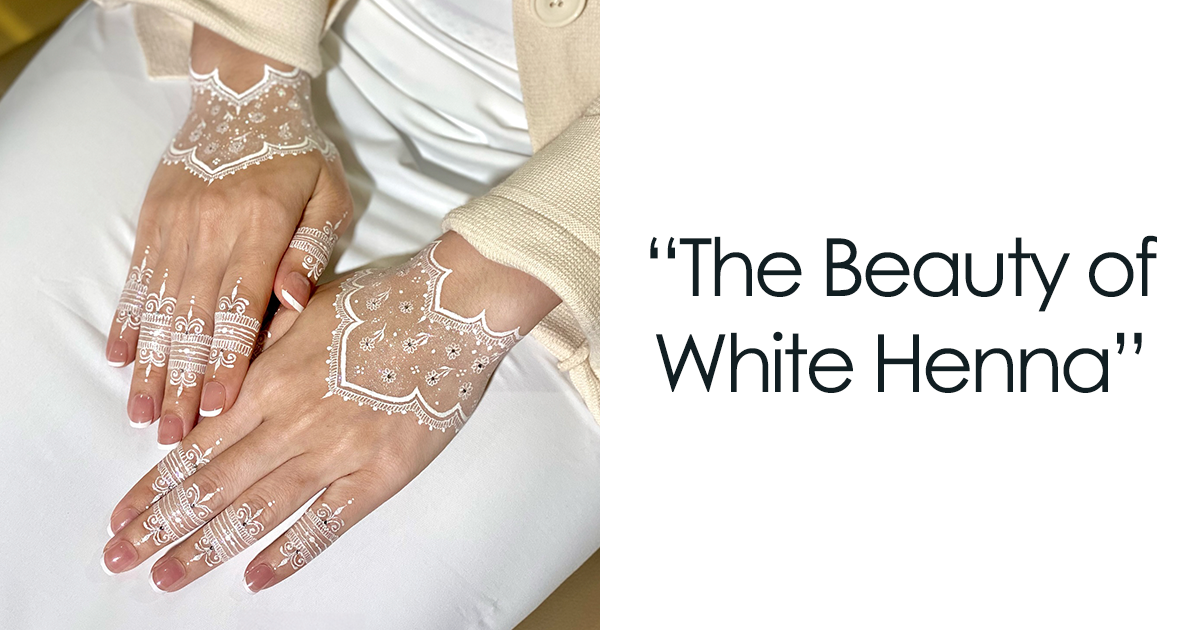
A henna bracelet wraps around the wrist like jewelry. It can be delicate and dainty or bold and architectural. Add dangling chains, tiny moons, leaves, or bead-like dots to create the illusion of an ornament you never have to unclasp.
5. Floral Forearm Vine
A vine moving from wrist to forearm is flattering, feminine, and easy to customize. Roses feel romantic, lotuses feel spiritual, and wildflowers feel free-spirited. This design works well for festivals, vacations, and photo sessions.
6. Shoulder Henna
Shoulder henna can be elegant and slightly unexpected. Try a mandala blooming over the shoulder cap, a crescent moon with florals, or a lace pattern that peeks out from a sleeveless dress. It is a strong choice for summer outfits and beach weddings.
7. Ankle and Foot Henna
Foot henna has a long history in bridal and festive traditions. A modern ankle design can look like a delicate anklet, while a full foot pattern can feel regal and ornate. Just remember that shoes, socks, sand, and enthusiastic dancing may shorten the life of the stain.
8. Spine or Back Henna
Back henna is beautiful for open-back dresses, maternity photos, dance performances, or statement body art. Consider a vertical lotus, ornamental spine design, sun-and-moon pattern, or symmetrical mandala between the shoulder blades.
9. Celestial Henna
Moons, stars, suns, constellations, and cosmic dots create a dreamy design that works on wrists, shoulders, hands, collarbones, or ankles. It is ideal for people who check their horoscope “as a joke” but somehow remember every word.
10. Personalized Symbol Henna
Personal henna can include initials, dates, pets, favorite flowers, meaningful numbers, cultural symbols, or tiny references only you understand. The trick is to work with an artist who can blend personal elements into a cohesive design instead of making your hand look like a scrapbook exploded.
Cultural Respect: Wearing Henna Thoughtfully
Henna is beautiful, but it is not just a trendy accessory. It has deep roots in many communities and is tied to weddings, religious celebrations, family rituals, and cultural identity. If you are wearing henna outside your own cultural background, approach it with respect. Learn what the motifs mean. Credit the tradition. Support artists from communities where henna is practiced. Avoid using sacred symbols as random decoration if you do not understand them.
Appreciation looks like curiosity, respect, and proper context. Appropriation looks like taking the art, stripping away its meaning, and calling it your “new festival aesthetic” while mispronouncing mehndi with full confidence. Be the first person, not the second.
Experience Notes: What Getting a Henna Tattoo Really Feels Like
The first thing most people notice during a henna appointment is how calming the process feels. Unlike a permanent tattoo, there is no buzzing machine, no needle, and no internal debate about whether your pain tolerance is as impressive as you claimed. The artist usually applies the paste with a cone, bottle, or fine applicator, drawing directly on the skin in smooth raised lines. The paste feels cool and slightly wet at first, almost like someone is piping tiny lines of frosting onto your handexcept you should absolutely not lick it.
Choosing the design is often the hardest part. A small wrist cuff may take only a few minutes, while a detailed hand, forearm, foot, or bridal design can take much longer. The best experience comes from having a general idea but leaving room for the artist’s flow. Henna is not always about rigid copying; it shines when the artist can adapt curves, dots, leaves, and negative space to your hand shape or body placement.
Once the paste is on, the real test begins: staying still. This is when you discover how often you use your hands for absolutely everything. Suddenly your phone is across the room, your nose itches, your water bottle requires two hands, and your dog chooses that exact moment to demand emotional support. Plan ahead. Use the restroom first. Keep entertainment ready. Wear loose clothing. Tell your friends you are temporarily becoming a museum exhibit.
As the paste dries, it becomes raised, crusty, and fragile. Some flaking is normal. Artists may recommend a sealant such as lemon-sugar mixture, medical tape, or another method depending on the paste and placement. The goal is to keep the dried paste touching the skin as long as possible. When it is time to remove it, gently scrape it off rather than washing it away. The first stain may look pumpkin-orange. This is not failure. It is phase one.
The magic usually happens over the next 24 to 48 hours. The color deepens into a richer reddish-brown, and the design starts to look more settled. During this time, avoid long showers, swimming, harsh soap, exfoliation, and heavy lotions over the design. If you are traveling, bring patience and maybe a backup outfit that does not rub the area.
A great henna tattoo experience is part art session, part mindfulness exercise, part lesson in not touching wet paste. It gives you a chance to test a placement, celebrate an event, connect with tradition, or simply decorate yourself because joy is a valid reason. The best part is that it fades. You get the beauty without forever. And when it disappears, you can choose a new designbecause personal growth is lovely, but so is changing from a floral wrist cuff to a celestial shoulder mandala just because Tuesday felt dramatic.
Conclusion
A henna tattoo can be meaningful, stunning, and wonderfully temporary when you choose safe paste, a skilled artist, and a design that fits your story. Natural henna offers warm reddish-brown beauty and centuries of cultural depth, while black henna deserves serious caution because of the risk of PPD-related reactions. Ask questions, avoid mystery ingredients, care for the stain properly, and choose motifs that feel intentional rather than random.
Whether you want a bridal masterpiece, a delicate wrist cuff, a mandala palm, a floral forearm vine, or a tiny moon that says “I am mysterious but still pay my bills,” henna gives you room to play. Respect the tradition, protect your skin, and enjoy the art while it lasts.

