
Skincare
Garlic-Lime Pork with Farro and Kale Recipe
Jul
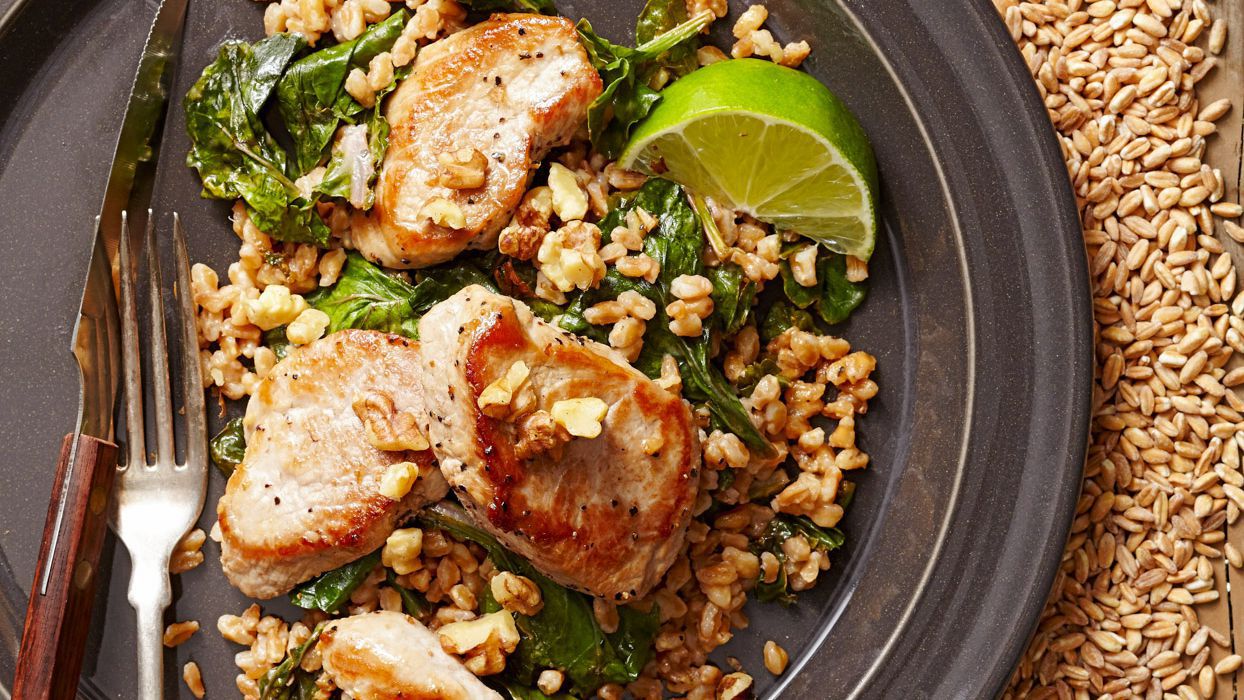
If your weeknight dinners have started to feel like a parade of “fine,” this Garlic-Lime Pork with Farro and Kale Recipe is here to wake everybody up. It has juicy pork, plenty of garlic, a bright hit of lime, chewy farro, and kale that actually tastes like something you would choose on purpose. In other words, this is not sad health food pretending to be exciting. This is real dinner: hearty, balanced, flavorful, and just fancy enough to make you feel like you deserve applause from the kitchen doorway.
The beauty of this dish is the contrast. The pork is savory and tender, the lime keeps everything lively, the farro brings that nutty, pleasantly chewy bite, and the kale adds color, texture, and a little backbone. It lands somewhere between a grain bowl, a skillet dinner, and the kind of recipe you memorize after making it twice. That is usually the sign of a winner.
Why This Garlic-Lime Pork with Farro and Kale Recipe Works
This recipe works because every ingredient has a job. The garlic and lime do not merely show up for decoration; they actively build flavor. Lime juice cuts through the richness of pork, garlic adds depth, and a touch of honey helps round out the sharp edges so the final dish tastes balanced instead of aggressively citrusy.
Farro is the ingredient that makes the meal feel substantial. It has a nutty taste and a firm, chewy texture that holds up beautifully under warm juices and sautéed greens. Rice would be good here, sure, but farro is more interesting. It is the dinner equivalent of showing up in a blazer instead of a wrinkled hoodie.
Kale pulls its weight, too. It can handle heat without collapsing into mush, which makes it ideal for skillet meals. When cooked just until wilted, it stays tender enough to enjoy while keeping that satisfying leafy structure. The result is a bowl that feels wholesome without tasting like punishment.
Ingredients
For the pork and marinade
- 4 boneless center-cut pork chops, about 1 to 1 1/4 inches thick
- 3 tablespoons fresh lime juice
- 1 teaspoon lime zest
- 4 large garlic cloves, minced
- 1 tablespoon honey
- 2 tablespoons olive oil, divided
- 1 teaspoon kosher salt
- 1/2 teaspoon black pepper
- 1/4 teaspoon red pepper flakes, optional
For the farro and kale
- 1 cup pearled farro, rinsed
- 3 cups low-sodium chicken broth or water
- 1 bunch kale, stems removed and leaves chopped
- 1 small shallot, thinly sliced
- 1 tablespoon extra-virgin olive oil
- 1 to 2 tablespoons water or broth, as needed
- 2 tablespoons chopped toasted walnuts or pumpkin seeds, optional
- 2 tablespoons chopped cilantro or parsley, optional
- Lime wedges, for serving
How to Make Garlic-Lime Pork with Farro and Kale
1. Cook the farro first
Bring the broth or water to a boil in a medium saucepan. Stir in the farro, reduce the heat, and simmer until the grains are tender but still pleasantly chewy, about 25 to 30 minutes for pearled farro. Drain any excess liquid and set aside. You want the texture to be hearty, not mushy. Think al dente, but for grains.
2. Build the marinade
In a small bowl, whisk together the lime juice, lime zest, garlic, honey, 2 tablespoons olive oil, salt, black pepper, and red pepper flakes if using. The mixture should smell punchy, citrusy, and a little dangerous in the best possible way.
3. Season the pork
Pat the pork chops dry with paper towels. This helps them brown instead of steam, which is one of those tiny cooking details that makes a suspiciously big difference. Rub the lime-garlic mixture all over the chops and let them sit for 15 to 20 minutes while the farro finishes cooking.
4. Sear for flavor
Heat a large skillet over medium-high heat. Add a little oil if needed, then place the pork chops in the pan. Cook for 3 to 4 minutes per side, depending on thickness, until nicely browned. Continue cooking until the internal temperature reaches 145°F, then rest the pork for at least 3 minutes before slicing. Resting is not optional if you want juicy meat instead of a cautionary tale.
5. Sauté the aromatics
Lower the heat to medium. Add the shallot to the same skillet and cook for about 1 minute until softened. If the pan looks dry, drizzle in the extra tablespoon of olive oil. Scrape up any browned bits from the bottom of the skillet. That is flavor, not mess.
6. Wilt the kale
Add the chopped kale and 1 to 2 tablespoons of water or broth. Toss it in the pan until the leaves turn glossy and tender, about 2 to 4 minutes. You want it wilted, not lifeless. Kale should still have some character.
7. Bring the farro into the party
Add the cooked farro to the skillet with the kale. Toss everything together so the grains pick up the savory pan juices and stray bits of garlic and shallot. Taste and adjust with another squeeze of lime or a pinch of salt if needed.
8. Slice and serve
Slice the pork and arrange it over the farro and kale mixture. Finish with chopped walnuts or pumpkin seeds for crunch, herbs for freshness, and lime wedges for extra brightness. Then serve immediately and accept compliments with dignity.
Flavor Notes and Smart Technique Tips
Use thick pork chops
Thicker chops are more forgiving. Thin pork chops can go from juicy to shoe leather in the time it takes to answer one text message. A chop around 1 inch thick gives you a better shot at browning the outside while keeping the center moist.
Fresh lime matters
Bottled lime juice will technically function, but fresh lime juice tastes brighter and cleaner. Since the citrus is one of the main personalities in the recipe, it is worth using the real thing.
Do not overcook the kale
Kale needs enough heat to soften, but not so much that it turns swampy. A quick wilt in the skillet keeps it vibrant and lets the pork and grain remain the stars.
Know your farro
Pearled farro cooks faster than semi-pearled or whole farro. If you use a less processed version, expect a longer cooking time and possibly a little extra liquid. The goal is always the same: tender, chewy grains with a slight bite in the center.
What This Recipe Tastes Like
This dish is bright, savory, garlicky, and grounding all at once. The pork brings richness, but lime keeps it from feeling heavy. The farro adds a nutty chew that makes every forkful feel substantial, while kale gives the whole thing an earthy, slightly peppery edge.
If you are trying to picture the vibe, imagine a grain bowl that got a serious upgrade. It is not bland. It is not fussy. It is the sort of dinner that tastes layered and thoughtful without requiring three baking sheets, a Dutch oven, and the emotional endurance of a cooking competition show.
Easy Variations
Swap the pork cut
Pork tenderloin works beautifully if you slice it into medallions. Boneless pork loin chops are also a good option. Just keep an eye on cooking time so the meat stays tender.
Change the green
Spinach is the quickest substitute and echoes many garlic-lime pork recipes nicely. Swiss chard also works well if you want something a little silkier than kale.
Add a creamy element
A few slices of avocado or a dollop of Greek yogurt on the side can soften the sharpness of the lime and make the bowl feel even more satisfying.
Make it meal-prep friendly
Cook the farro ahead, wash and chop the kale in advance, and marinate the pork the night before. Dinner will come together fast, which is helpful on evenings when your energy level is hovering somewhere between “low battery” and “do not perceive me.”
Serving Suggestions
This recipe works as a complete one-bowl dinner, but it also plays well with simple sides. Try it with roasted sweet potatoes, a cucumber salad, grilled corn, or extra lime-dressed greens. If you are feeding hungrier people, warm crusty bread on the side does not hurt either.
For a dinner party version, slice the pork thinly and arrange it over a platter of farro and kale, then finish with herbs, toasted nuts, and extra lime wedges. It looks impressive and tastes like you definitely had a plan, even if you were winging it at 6:17 p.m.
Storage and Reheating
Store leftovers in an airtight container in the refrigerator for up to 3 days. Keep an extra lime wedge around if you can, because a squeeze of fresh juice wakes everything back up after chilling.
To reheat, warm the farro and kale gently in a skillet or microwave until hot. Reheat the pork just enough to take the chill off so it does not dry out. This is a meal that holds up surprisingly well, especially for lunch the next day.
Common Mistakes to Avoid
- Skipping the meat thermometer: Pork is much better when cooked correctly instead of guessed at dramatically.
- Using underseasoned farro: Cook it in broth or salt the water well, because grains need flavor, too.
- Crowding the skillet: If the pan is overloaded, the pork will steam instead of sear.
- Adding kale too early: It only needs a few minutes. Let it keep some texture.
- Forgetting balance: If the final dish tastes flat, it probably needs lime, salt, or both.
Conclusion
This Garlic-Lime Pork with Farro and Kale Recipe is the kind of meal that checks all the right boxes without feeling like it is trying too hard. It is hearty but fresh, wholesome but genuinely craveable, and simple enough for a weeknight while still feeling special. The pork stays juicy, the farro gives every bite substance, and the kale brings the earthy contrast that makes the whole dish feel complete.
If you want a dinner that tastes bright, balanced, and just a little smarter than average, this is a strong one to keep in rotation. It is proof that a skillet, a saucepan, and a handful of bold ingredients can still pull off something memorable.
Experiences Related to Garlic-Lime Pork with Farro and Kale
One of the best things about a recipe like this is how differently it shows up depending on the moment. On a busy Tuesday, it feels like a rescue dinner. You sear the pork, toss kale in the pan, stir in farro, and suddenly dinner looks much more organized than the rest of your life. The lime makes the whole kitchen smell bright and clean, and the garlic announces that something good is happening. That combination alone can improve a mood faster than most productivity advice.
It is also the kind of meal that tends to win over people who think they do not like kale or farro. Kale has a terrible reputation in some kitchens, mostly because it is often either underdressed, overcooked, or treated like a moral obligation. Here, it is none of those things. It softens in the skillet, picks up flavor from the pork drippings, and becomes part of the dinner instead of a leafy side character lurking in the background. Farro has a similar effect. People expect it to be bland or overly virtuous, then they taste that nutty chew and realize it is actually one of the most satisfying grains around.
There is also something deeply practical about the recipe. It feels flexible in the way good home-cooking recipes should. Sometimes the pork becomes tenderloin medallions. Sometimes the kale gets swapped for spinach when the refrigerator is giving “end of the week” energy. Sometimes toasted walnuts go on top, and sometimes they do not, because real kitchens are not television kitchens and the grocery list does not always survive contact with real life. Yet the meal still works because the structure is strong: protein, grain, greens, acid, and aromatics.
This dish is especially memorable when shared. It plates beautifully, with slices of pork over dark greens and golden-brown farro, and that makes it feel a little more generous than a standard skillet dinner. You can serve it in wide bowls for a cozy family meal or spread it on a platter for company. Either way, it tends to prompt the same reaction: people take a bite, pause, and then ask what is in it. That is usually when you know dinner has gone well.
And then there is the leftover experience, which deserves its own tiny standing ovation. The farro holds up. The kale stays sturdy. The pork can be sliced and packed for lunch. Add a fresh squeeze of lime the next day, and it tastes revived rather than reheated. That makes this recipe not just tasty, but useful, and useful recipes earn their place in a home cook’s regular lineup.
In the end, the experience of making garlic-lime pork with farro and kale is not just about feeding people. It is about building a dinner that feels lively, grounded, and repeatable. It gives you color, texture, warmth, brightness, and enough flexibility to survive real life. That is why it feels less like a one-time recipe and more like the beginning of a very solid kitchen habit.

