
Makeup
DIY Mirrored Closet Door Makeover
Jun
Mirrored closet doors are the home design equivalent of that shiny tracksuit your uncle wore in 1987: practical, impossible to ignore, and somehow still showing up in bedrooms everywhere. They reflect light, make small rooms feel bigger, and save you from buying a full-length mirror. Wonderful. But they can also make a room feel dated, builder-basic, or a little too “dance studio audition.”
The good news? You do not have to rip them out, wrestle with giant sheets of glass, or spend a small fortune on custom doors. A smart DIY mirrored closet door makeover can turn those plain reflective slabs into stylish, modern closet doors with trim, paint, film, overlays, hardware, or even a renter-friendly cover-up. With the right prep and a little patience, your closet can go from “rental apartment flashback” to “wait, did you hire someone?”
This guide walks you through realistic, budget-conscious ways to update mirrored closet doors, including design ideas, tools, safety tips, step-by-step instructions, mistakes to avoid, and a real-world experience section for anyone who likes learning from someone else’s tiny DIY panic moments.
Why Make Over Mirrored Closet Doors Instead of Replacing Them?
Replacing mirrored sliding closet doors sounds simple until you price new doors, measure the opening, discover that your walls are not perfectly square, and suddenly find yourself eating cereal on the floor next to a pile of aluminum tracks. A makeover is often faster, cheaper, and less dramatic.
Mirrored closet doors still have real benefits. They bounce light around the room, visually expand tight bedrooms, and work especially well in small apartments where every square foot is already negotiating for survival. A makeover lets you keep those benefits while softening the outdated look.
Instead of removing the mirror entirely, you can frame it, divide it into panels, add decorative molding, apply frosted window film, install peel-and-stick wallpaper, or use removable overlays. The result can look custom without requiring advanced carpentry skills. Translation: you can probably do this without calling your most judgmental relative.
Best DIY Mirrored Closet Door Makeover Ideas
1. Add Trim for a Custom Paneled Look
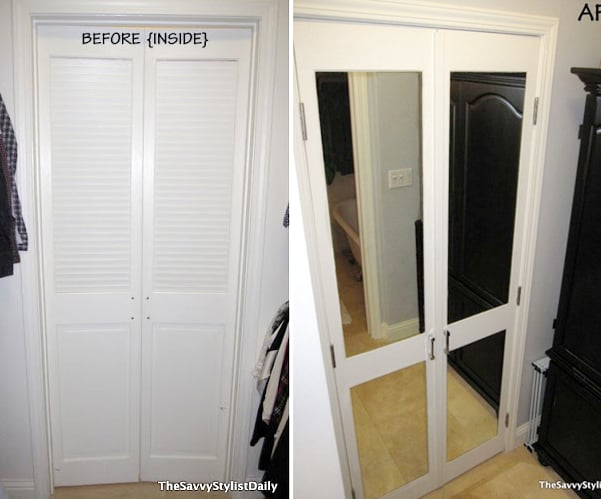
Adding trim is one of the most popular ways to modernize mirrored closet doors. Thin molding, lattice strips, MDF trim, or lightweight PVC molding can create the illusion of French doors, shaker panels, or sleek modern grids. The mirror remains visible, but the trim breaks up the huge reflective surface.
For a classic look, create rectangular panels around the perimeter and center of each door. For a modern look, use slim vertical strips to create tall panels. For a glam look, paint the trim satin black, warm white, champagne, or soft gold. Suddenly, the closet door looks intentional instead of accidental.
2. Use Decorative Overlays
Decorative overlays are lightweight panels that can be attached to the mirror surface. They come in geometric, trellis, floral, Art Deco, and modern patterns. This is a great choice if you want drama without cutting dozens of trim pieces yourself.
Overlays work especially well on flat mirrored closet doors because the mirror becomes the background and the overlay becomes the design. It is a bit like giving your closet doors jewelry, except the jewelry does not get lost behind the dresser.
3. Apply Frosted or Reeded Window Film
If you want to tone down the reflection, window film is your best friend. Frosted film, fluted glass film, rice paper film, or reeded privacy film can make mirrored doors look softer and more current. It also helps if the mirror reflects something unglamorous, such as laundry piles, treadmill guilt, or your cat judging you from the bed.
Most static-cling or peel-and-stick films can be cut to size with a utility knife and applied with water and a squeegee. This is one of the most renter-friendly mirrored closet door makeover options because many films can be removed later.
4. Cover the Mirror With Peel-and-Stick Wallpaper
Peel-and-stick wallpaper can completely change the mood of mirrored doors. Grasscloth patterns add texture, faux linen feels calm and coastal, and mural-style wallpaper can turn the closet into an accent wall. For the cleanest result, choose a pattern that is forgiving. Tiny stripes and perfect grids can reveal every slight installation wobble, and nobody needs that kind of emotional warfare.
Wallpaper works best when the mirror is cleaned thoroughly and the door surface is smooth. Measure carefully, overlap slightly if needed, and trim with a sharp blade. Use a plastic smoothing tool to push out bubbles as you go.
5. Paint the Metal Frame
Many older mirrored closet doors have gold, brass, bronze, or dull aluminum frames. Painting the frame can make a surprising difference. A black frame can look modern and graphic. White blends into walls and trim. Soft bronze or champagne can feel warmer and more elegant.
The key is preparation. Clean the metal, lightly scuff it, tape off the mirror, and use a primer suitable for slick surfaces before applying paint. Spray paint can create a smooth finish, but brush-on enamel is easier to control indoors. Either way, ventilation matters.
6. Add New Pulls or Handles
Mirrored sliding doors often come with tiny finger pulls that look like they were designed by someone who has never had wet hands, long nails, or basic human frustration. Updating the pulls can make the doors feel more finished.
Choose low-profile handles that will not crash into the other sliding panel. Adhesive pulls can work for renters or lightweight use, while screw-mounted hardware may require more care because drilling into mirrored or framed doors can be risky. When in doubt, choose adhesive hardware rated for glass or metal surfaces.
Tools and Materials You May Need
Your exact supply list depends on the makeover style, but most projects use a combination of the following:
- Tape measure
- Painter’s tape
- Glass cleaner or rubbing alcohol solution
- Microfiber cloth
- Level or laser level
- Pencil or removable marker
- Lightweight trim, lattice, MDF, PVC molding, or overlays
- Miter box, hand saw, or miter saw
- Fine-grit sandpaper
- Primer and trim paint
- Small foam roller and angled brush
- Construction adhesive, mirror-safe adhesive, or strong double-sided mounting tape
- Caulk and caulk gun for painted trim projects
- Window film, peel-and-stick wallpaper, or contact paper
- Utility knife with fresh blades
- Squeegee or smoothing tool
- Safety glasses and cut-resistant gloves
Do not skip the safety gear. Mirrored closet doors are large glass surfaces. Even if you are not cutting glass, you may be cutting trim, handling sharp blades, or working near edges. Your eyeballs are not replaceable, despite what late-night infomercials may suggest.
Step-by-Step DIY Mirrored Closet Door Makeover With Trim
Step 1: Decide on Your Design
Before buying anything, decide how you want the finished doors to look. Do you want a modern grid? A traditional framed mirror? A faux French door style? A minimal border? Sketch the design on paper or use painter’s tape directly on the mirror to test the layout.
Painter’s tape is excellent for previewing proportions. Stand back and look at the doors from across the room. If the design feels too busy, simplify it. Mirrored doors already reflect a lot, so a clean design often looks more expensive than a complicated one.
Step 2: Measure the Doors Carefully
Measure each door separately. Do not assume both doors are exactly the same size, because houses enjoy keeping secrets. Measure width, height, frame thickness, and the overlap area where sliding doors pass each other.
Make sure your trim or overlay will not interfere with the doors sliding. This is especially important on bypass doors. If the trim is too thick, the doors may rub, scrape, or refuse to move like a toddler in a grocery store.
Step 3: Clean the Mirror Surface
Adhesive needs a clean surface. Remove dust, fingerprints, hairspray, lotion residue, and mystery smudges. Use glass cleaner first, then wipe the areas where trim or film will attach with rubbing alcohol or a recommended surface cleaner. Let everything dry completely.
This step sounds boring because it is. It is also the difference between a makeover that lasts and trim that slowly slides down the mirror like a sad refrigerator magnet.
Step 4: Cut and Dry-Fit the Trim
Cut your trim pieces according to your design. If you are making rectangles, use 45-degree mitered corners for a polished look, or straight cuts for a simpler shaker-style layout. Dry-fit every piece with painter’s tape before applying adhesive.
Use a level to keep lines straight. Mirrored surfaces make crooked trim extra obvious because the reflection doubles the evidence. If something looks off, adjust it now, before glue enters the chat.
Step 5: Paint or Prime the Trim Before Installing
Painting trim before installation is usually easier than painting it on the mirror. Sand lightly, apply primer if needed, then paint with a durable trim enamel. Let the paint dry fully. If the trim is MDF, seal the edges well because MDF can absorb paint and swell when exposed to moisture.
You can do touch-ups after installation, but pre-painting saves time and protects the mirror from accidental brush marks. Nobody wants to spend Saturday scraping paint freckles off glass.
Step 6: Attach the Trim
Choose an adhesive that works with your materials and surface. For removable projects, use strong mounting tape designed for glass or finished surfaces. For permanent projects, use a mirror-safe construction adhesive or adhesive recommended for glass and trim. Avoid products that can damage mirror backing if they will touch exposed mirror edges.
Apply adhesive sparingly so it does not ooze out. Press each piece into place and secure it with painter’s tape while it cures. Check alignment often. Adhesive can shift slightly while you work, and trim has a sneaky way of wandering off like it has weekend plans.
Step 7: Caulk and Touch Up
If your trim is painted and you want a built-in look, use a small bead of paintable caulk at joints or gaps. Smooth it with a damp finger or caulk tool. Once dry, touch up the paint.
For mirror-mounted trim, use caulk carefully. Too much caulk can look messy against reflective glass. Sometimes a crisp painted trim edge looks better than trying to fill every tiny shadow line.
Step 8: Let Everything Cure
Allow adhesive and paint to cure according to product directions before sliding the doors aggressively or cleaning the mirror. This is not the moment to test durability with the enthusiasm of a game show contestant. Give the materials time to bond.
Renter-Friendly Mirrored Closet Door Makeover Options
If you rent, your goal is simple: make the doors look better without losing your security deposit to the Great Landlord Volcano. The best renter-friendly options are removable, lightweight, and reversible.
Use Static-Cling Window Film
Static-cling film is one of the safest choices because it usually applies with water and removes without adhesive residue. Frosted, fluted, linen, and rice-paper looks are especially good for bedrooms.
Try Removable Peel-and-Stick Wallpaper
Choose a removable wallpaper made for smooth surfaces. Test a small area first and remove it after a few days to make sure it does not leave residue or damage the mirror coating.
Hang Curtain Panels in Front
For a soft, dramatic fix, install a tension rod or ceiling-mounted curtain track in front of the closet. Curtains hide the mirrors completely and add texture. This is also ideal if the mirrored doors are cracked, mismatched, or simply not your emotional support surface.
Add Removable Vinyl Trim
Thin peel-and-stick vinyl strips can create a grid or panel effect without wood trim. This is a lightweight option that avoids sawdust, paint, and the thrilling possibility of gluing your sleeve to a door.
Design Styles That Work Well With Mirrored Closet Doors
Modern Minimalist
Use slim black trim, clean vertical lines, or fluted film. Keep the pattern simple. Pair the doors with neutral bedding, matte black accents, and warm wood furniture.
Classic Shaker
Create rectangular panels with white or cream trim. This works beautifully in bedrooms with traditional molding, cottage details, or transitional furniture.
Parisian or Vintage Glam
Use decorative overlays, antique brass tones, and soft warm paint colors. Add a small chandelier or vintage-style sconces nearby if you want the closet to look like it knows French.
Coastal Calm
Apply linen-look film or pale grasscloth peel-and-stick wallpaper. Use white trim and natural textures such as rattan, light oak, or woven baskets.
Bold Accent Wall
Cover the mirrors with removable wallpaper in a mural, botanical print, or moody pattern. This turns the closet into a design feature instead of something you keep trying to crop out of photos.
Common Mistakes to Avoid
Using Trim That Is Too Thick
Sliding mirrored closet doors need clearance. Thick trim may prevent doors from passing each other. Always test thickness before committing.
Skipping Surface Prep
Dust, oils, and cleaning residue can weaken adhesive. Clean carefully and let the surface dry before applying anything.
Ignoring the Door Track
A makeover will not feel successful if the doors still wobble, scrape, or jump the track. Tighten loose screws, clean debris from the track, and adjust rollers if needed.
Choosing a Busy Pattern for a Busy Room
Mirrors already reflect furniture, bedding, lamps, and every abandoned water glass on your nightstand. If the room has many patterns, choose a quieter door design.
Making It Too Permanent in a Rental
If you rent, avoid permanent glue unless you have written permission. Use removable film, curtains, tension rods, or temporary vinyl details instead.
Budget Breakdown: What Should You Expect to Spend?
A DIY mirrored closet door makeover can cost anywhere from under $30 to a few hundred dollars depending on the method and door size.
- Basic cleaning and painted frame: $20 to $60
- Window film: $30 to $100
- Peel-and-stick wallpaper: $40 to $150
- Wood or PVC trim: $50 to $200
- Decorative overlays: $100 to $400 or more
- New replacement doors: often several hundred dollars to over $1,000 depending on size and style
The sweet spot for many homeowners is painted trim plus a cleaned-up frame. It looks custom, photographs well, and usually costs far less than replacing the entire closet system.
Maintenance Tips After the Makeover
Once your doors look fabulous, keep them that way with gentle cleaning. Use a microfiber cloth on exposed mirror areas and avoid soaking trim or wallpaper edges. For painted trim, wipe with a lightly damp cloth and mild soap if needed.
Do not scrape adhesive areas with sharp tools. If film begins lifting at the edge, warm it gently with a hair dryer and smooth it back down. If trim loosens, remove the failing adhesive, clean the area, and reattach with a stronger product suited to the surface.
Also check the sliding track every few months. Dust, pet hair, and tiny closet mysteries can collect in the track and affect movement. A vacuum crevice tool and a quick wipe can keep the doors gliding smoothly.
of Real-Life Experience: What a DIY Mirrored Closet Door Makeover Actually Feels Like
The first thing you notice when making over mirrored closet doors is that the mirror is not just a surface. It is a witness. It reflects every doubtful facial expression you make while holding a tape measure. It shows you crouching on the floor, arguing with painter’s tape. It captures the exact moment you realize one trim piece is one-quarter inch too short and you begin negotiating with the universe.
That said, this is one of the most satisfying DIY projects because the transformation happens fast. Unlike painting an entire room, where the first coat looks terrifying and the second coat still somehow looks like regret, mirrored closet doors start changing as soon as the design goes up. Even a few taped-on trim pieces can help you see the final look.
The biggest lesson is to slow down during measuring. It is tempting to jump straight to cutting because cutting feels productive. Measuring feels like homework. But mirrored closet doors punish rushed measuring. If your vertical trim is slightly off, the mirror reflects the line and makes it look twice as crooked. A level is not optional; it is your calm, aluminum therapist.
Another real-world tip: clean more than you think you need to clean. Mirrors collect residue from hands, cleaning sprays, dust, and whatever invisible household film appears when nobody is looking. Adhesive sticks better to a truly clean surface. I like cleaning once with glass cleaner, then again with a rubbing-alcohol mixture on the spots where trim or tape will go. It feels excessive until your trim stays put and you get to act smug about it.
Painting trim before installing it is also worth the effort. The first time you try to paint trim directly on a mirror, you may feel confident. Then the brush slips, and suddenly you are performing tiny cleanup surgery with a cotton swab. Pre-painting avoids that circus. After installation, you only need small touch-ups.
If you are using peel-and-stick film or wallpaper, patience matters even more. Start at the top, peel the backing slowly, and smooth as you go. Do not pull off the entire backing at once unless you enjoy wrestling a giant sticky octopus. Bubbles are normal. Panic is optional. A squeegee, a pin for tiny trapped bubbles, and a fresh utility blade will solve most problems.
The emotional high point comes when the doors are done and you slide them closed for the first time. The room feels cleaner, more designed, and less like it inherited a closet from a 1990s condo brochure. The mirror still adds brightness, but now it has structure. The closet becomes part of the room instead of a reflective wall shouting, “Look! Laundry!”
The best part is that this makeover is flexible. If your style changes, you can repaint the trim, swap the film, or add different hardware. It is not a one-way ticket to Design Commitment Island. It is a practical, affordable update that gives a bedroom a noticeable lift without demolition, heavy lifting, or explaining to a contractor why the closet doors hurt your feelings.
Conclusion
A DIY mirrored closet door makeover is one of the smartest ways to refresh a bedroom, hallway, or apartment without replacing perfectly functional doors. Whether you add trim, apply window film, use peel-and-stick wallpaper, paint the frame, or install decorative overlays, the goal is the same: keep the useful light-reflecting power of mirrors while giving them a more stylish, intentional look.
The best results come from careful measuring, thorough cleaning, lightweight materials, and a design that matches the rest of the room. For homeowners, permanent trim and paint can create a custom built-in effect. For renters, removable film, curtains, and vinyl details offer style without security-deposit drama.
Mirrored closet doors may have started as the room’s most awkward feature, but with a weekend, a plan, and possibly one dramatic sigh near the miter saw, they can become a design asset. Not bad for something that used to mostly reflect your laundry pile.

