
Beauty Unlocked
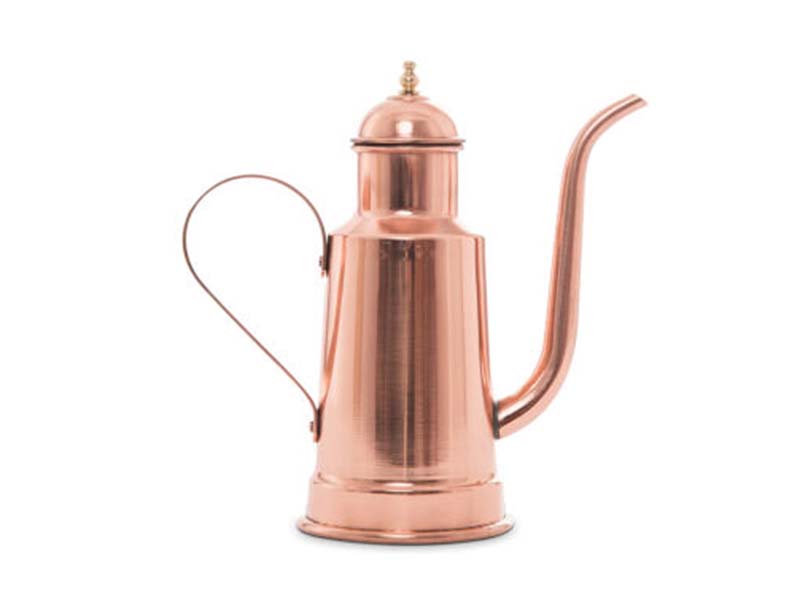
Copper Oil Cruet
Aug
A copper oil cruet is the rare kitchen accessory that can make pouring two tablespoons of olive oil feel like the opening scene of a Mediterranean cooking show. Warm, reflective, and pleasantly old-fashioned, it brings visual character to a countertop while giving cooks better control than a bulky supermarket bottle.
However, choosing a copper oil cruet involves more than finding the shiniest vessel on the shelf. Its interior lining, closure, spout, capacity, stability, and ease of cleaning all influence whether it becomes a dependable everyday tool or an expensive little object that leaves oily rings everywhere it goes.
This guide explains what a copper oil cruet is, how it affects oil storage, which construction details matter, how to clean it, and what owners commonly discover after using one in a real kitchen.
What Is a Copper Oil Cruet?
A cruet is a small table vessel designed to hold and dispense liquids such as oil, vinegar, or sauce. Unlike a storage jug, it is normally sized for frequent serving and equipped with a narrow spout that helps the user drizzle rather than accidentally baptize dinner in half a cup of olive oil.
Modern copper oil cruets generally fall into three categories:
- Solid, unlined copper cruets: Copper forms both the exterior and the food-contact surface.
- Lined copper cruets: The outside is copper, while the inside is stainless steel, tin, or another food-safe material.
- Copper-finished cruets: A base material such as stainless steel has a copper-colored coating or plating.
The distinction is important. Two cruets can appear almost identical while behaving very differently. A thick copper vessel may gradually develop a deep, natural patina, whereas a thin decorative coating may scratch or wear through if cleaned aggressively.
Why Copper Works So Well in the Kitchen
Copper has been used by people for thousands of years. Its malleability allows craftspeople to shape it into rounded bodies, tapered necks, curved handles, and detailed spouts. Freshly polished copper has a bright reddish glow, but exposure to air and moisture gradually darkens the surface.
That changing finish is part of its appeal. Stainless steel tends to look nearly the same year after year. Copper records its surroundings. It may become rosy, amber, brown, or eventually blue-green, depending on its finish and environment.
It adds warmth without looking overly decorative
A copper oil dispenser can soften a kitchen filled with white cabinets, stone countertops, and stainless steel appliances. It also fits naturally into farmhouse, traditional, Mediterranean, industrial, and rustic interiors. Even in a modern kitchen, one copper accent can provide contrast without making the room look like a period drama about aristocrats arguing over soup.
It creates a more controlled pour
A properly shaped spout makes it easier to coat a skillet, finish roasted vegetables, dress a salad, or add a narrow stream of oil to a food processor. Better control can also reduce waste. Extra-virgin olive oil is too flavorfuland often too expensiveto be running down the side of a bottle like it is escaping.
It encourages smaller working quantities
Large olive oil containers are economical, but they are awkward beside the stove and expose more oil to air each time they are opened. A small cruet lets you keep the main supply tightly closed in a dark pantry while transferring only a modest amount for regular cooking.
Is a Copper Oil Cruet Safe?
A copper cruet should not be judged by its exterior alone. The most important safety question is simple: What material touches the oil?
The FDA Food Code limits direct contact between copper or copper alloys and foods with a pH below 6, including vinegar, fruit juice, and wine. Acidic ingredients can react with exposed copper and increase the movement of copper into food. Copper is an essential dietary mineral, but excessive intake is not desirable.
Choose a clearly identified food-safe liner
For routine household use, the most practical option is usually a copper cruet with a food-grade stainless steel or glass interior. The copper exterior supplies the appearance, while the nonreactive lining separates the oil from the metal.
Look for specific language such as “food-safe stainless steel interior,” “glass insert,” or “lined for food contact.” A vague description like “artisan copper vessel” tells you about as much as a restaurant menu that describes dinner merely as “edible.”
Be cautious with antique or decorative vessels
Vintage copper cruets can be beautiful, but their solder, lining, coating, and repair history may be unknown. A worn tin lining, cracked seam, or unidentified interior finish makes the piece better suited to display than food storage.
Antiques can still hold dried flowers, wooden utensils, or nothing at all. Not every handsome kitchen object must be assigned a job involving lunch.
Do not put vinegar in unlined copper
Although cruets are traditionally associated with both oil and vinegar, exposed copper should not be used for acidic liquids. Salad dressings containing lemon juice or vinegar also belong in glass, ceramic, or another nonreactive container.
Pure cooking oil does not behave like an acidic water-based food, but direct exposure to copper is still not the best choice for long-term quality. Research on edible oils indicates that metal surfaces and copper ions can contribute to oxidation and antioxidant degradation under some conditions. A liner removes that uncertainty and makes cleaning easier.
How a Cruet Can Protector SpoilGood Olive Oil
Olive oil gradually loses quality through oxidation. Its best-known enemies are heat, light, oxygen, and time. Poor storage can flatten its aroma, reduce its fresh flavor, and eventually produce the stale smell associated with rancidity.
Opaque walls offer useful light protection
A copper body blocks light more effectively than clear glass. That is valuable because bright sunlight and strong indoor lighting can accelerate oil degradation. Still, an opaque container is not magical armor. Leaving it on a sunny windowsill or directly beside a hot range will shorten the oil’s useful life.
Place the cruet in a shaded area away from the oven, cooktop, dishwasher vent, and other heat sources. A cupboard near the food-preparation area is usually better than a shelf directly above the stove.
A smaller capacity keeps oil moving
For many households, a capacity between 8 and 16 fluid ounces offers a useful balance. It holds enough oil for several meals without allowing a large quantity to sit for months.
Frequent cooks may prefer a larger model, but buying the biggest available cruet is rarely necessary. The goal is not to establish a strategic olive oil reserve on the counter.
The closure should limit unnecessary air
An open pour spout is convenient, but it continuously exposes the contents to some air and allows dust to reach the opening. A stopper, fitted cap, or removable spout cover offers better protection between uses.
A hinged metal flap may look traditional, although it is not necessarily airtight. It can also collect oil and drip onto the neck after pouring. A removable silicone cap or close-fitting stopper is often cleaner in daily use.
Features to Look for When Buying a Copper Oil Cruet
1. A nonreactive interior
Prioritize stainless steel, glass, or another clearly documented food-safe lining. Check that the liner covers the complete interior, including the neck and area beneath the spout.
2. A clean-pouring spout
The best spouts create a continuous stream and stop promptly when the vessel is returned upright. A sharply defined lip helps cut off the flow instead of letting oil crawl backward down the spout.
A separate air-intake hole can improve flow. Without adequate ventilation, a cruet may alternate between glugging, stopping, and suddenly releasing more oil than expected.
3. A stable base
A decorative top-heavy cruet can tip when lightly bumped. Look for a broad, level bottom and enough weight to remain steady during pouring. The handle, when present, should feel balanced rather than pulling the vessel sideways.
4. An opening that can be cleaned
Narrow-necked cruets are elegant but notoriously stubborn to wash and dry. A removable top or moderately wide filling opening makes maintenance much easier. Every drop of rinse water should be gone before oil is added.
5. Solid construction
Examine seams, joints, plating, and the area around the handle. Rough edges, visible gaps, flaking finish, or suspicious discoloration are reasons to choose another vessel.
6. A finish that matches your expectations
Polished copper requires regular attention if you want it to remain bright. Lacquered copper resists tarnish but should not be scrubbed with abrasive cleaners. An aged or hammered finish hides fingerprints and small marks more effectively than a mirror-polished surface.
How to Fill and Use a Copper Oil Cruet
- Wash the cruet according to the manufacturer’s directions before first use.
- Allow every interior component to dry completely.
- Use a clean funnel if the opening is narrow.
- Fill the cruet only two-thirds to three-quarters full.
- Wipe the spout and neck with a clean cloth.
- Close the vessel and store it away from heat and direct light.
Leaving some empty space reduces spills when inserting the stopper. It also makes the cruet easier to handle. After pouring, pause briefly with the spout upright so remaining oil can drain back into the vessel.
A copper cruet works well for extra-virgin olive oil, avocado oil, and frequently used neutral cooking oils, provided the interior is compatible with food. Strongly flavored oils should be used promptly because their delicate aromas can fade during storage.
How to Clean a Copper Oil Cruet
Clean the interior gently
Empty the vessel and wash it by hand with warm water, mild dish soap, and a soft brush or nonabrasive sponge. Rinse thoroughly. Turn it upside down in a position that allows air to circulate, and do not refill it until the interior is completely dry.
Moisture trapped inside a narrow bottle can affect oil quality. If water droplets remain after air-drying, use a clean, lint-free cloth or place the vessel in a warm, well-ventilated area. Do not add new oil to a damp cruet merely because dinner is waiting impatiently.
Avoid the dishwasher
High heat, forceful water, and strong dishwasher detergents can dull copper, damage lacquer, weaken plating, and affect joined components. Hand-washing is the safer approach unless the manufacturer explicitly states that every part is dishwasher-safe.
Polish only when appropriate
Unlacquered copper can often be brightened with a nonabrasive commercial copper polish. Traditional methods use lemon and salt or a small amount of ketchup, whose mild acidity can help loosen tarnish.
Before applying any cleaner, confirm whether the surface is bare, plated, waxed, antiqued, or lacquered. Acidic cleaners and vigorous rubbing can remove decorative finishes. Test the method on a discreet area and keep exterior polishing products away from the opening and food-contact surfaces.
Decide whether you actually want to remove the patina
Patina is not automatically dirt. It is a surface change that gives copper its aged appearance. Some owners prefer a bright penny-like finish; others enjoy the darker tones that develop naturally.
Either choice is valid. The only objectively wrong approach is polishing half the cruet, becoming distracted, and leaving it looking like a before-and-after advertisement.
Decorating With a Copper Oil Cruet
A copper cruet can function as a practical focal point. Pair it with a wooden cutting board, marble utensil holder, stoneware salt cellar, or dark pepper mill to create a compact cooking station.
Repeating copper sparingly elsewhere helps the piece feel intentional. Cabinet handles, a fruit bowl, a pendant light, or a small saucepan can provide visual continuity. Avoid covering every surface in copper unless your preferred design style is “highly organized pirate treasure.”
On a dining table, place the cruet on a small ceramic dish or metal tray. The base catches occasional drips and protects wood, fabric, and porous stone from oil marks.
Common Copper Cruet Mistakes
- Buying for appearance alone: A beautiful exterior cannot compensate for an unknown or unsuitable interior.
- Keeping it next to the burner: Convenience does not outweigh constant heat exposure.
- Filling it to the neck: Overfilling creates spills and oily stoppers.
- Leaving the spout uncovered for months: Dust, air, and residue gradually make the cruet less pleasant to use.
- Refilling without cleaning: Old oil and sticky residue remain at the bottom and around the spout.
- Putting a damp cruet back into service: Any trapped water can interfere with oil quality.
- Using abrasive scrubbers: Steel wool and harsh powders may scratch copper or remove plating.
- Storing acidic dressing in bare copper: Use a nonreactive vessel for vinaigrettes, citrus mixtures, and vinegar.
Practical Experience: What Owners Notice Over Time
The first thing many owners notice is that a copper oil cruet changes the rhythm of cooking. Instead of lifting a large bottle, unscrewing a cap, estimating a pour, and wiping the bottle afterward, the cook reaches for one compact vessel and adds a controlled stream. That small convenience becomes especially noticeable when sautéing vegetables, coating a sheet pan, or finishing pasta.
The second discovery is that spout design matters more than ornament. An elaborate handle and hammered finish may attract attention in a store, but a clean cutoff determines whether the cruet remains enjoyable. A poor spout leaves one drop hanging underneath. That drop slides onto the neck, travels toward the base, and eventually creates a sticky circle on the counter. Owners often solve the problem by keeping the cruet on a saucer, although selecting a drip-resistant design from the beginning is better.
Capacity also becomes clearer through use. A very small cruet looks charming but may require constant refilling in a household that cooks every day. An oversized model is easier to neglect, allowing oil to remain inside longer than intended. A medium-sized vessel holding roughly one or two weeks of frequently used oil is often the practical sweet spot.
Another common experience is developing an opinion about patina. New owners may initially polish every fingerprint, determined to preserve the showroom shine. After several months, many relax and allow the copper to deepen in color. The cruet begins to look less like a new accessory and more like an established part of the kitchen.
Cleaning habits evolve as well. People who purchase a narrow-necked cruet may discover that washing takes only a minute but drying takes much longer. A few trapped droplets can remain stubbornly visible at the bottom. Owners soon learn to wash the cruet before the oil supply is completely exhausted, allowing plenty of drying time rather than attempting to clean and refill it five minutes before dinner.
A removable spout is helpful because dried oil tends to collect around tiny joints and threads. Soaking that component separately in warm, soapy water makes it easier to remove residue. A slim bottle brush or reusable straw brush can reach channels that an ordinary sponge cannot.
Placement often changes after the first few weeks. The cruet may begin beside the range because that seems convenient, then migrate to a shaded prep area after the owner realizes how much heat the stovetop produces. Keeping it within reach but outside the hot zone is a better compromise.
Owners of lined models generally appreciate the reduced maintenance. They can enjoy the copper exterior without wondering whether the oil is touching reactive metal. The liner also makes the vessel suitable for a broader range of commonly used cooking oils, although acidic dressings still deserve careful attention to the manufacturer’s instructions.
Finally, a copper cruet tends to encourage deliberate use of oil. A narrow stream is easier to see and control than a pour from a wide commercial bottle. Cooks can add a little, toss the food, and add more only when needed. The cruet does not transform anyone into a celebrity chef, but it can prevent the familiar moment when a skillet receives three times the intended amount of oil and everyone pretends that was the plan.
Conclusion
A copper oil cruet succeeds when beauty and construction receive equal attention. Choose a food-safe lined interior, stable base, manageable capacity, effective closure, and spout that pours cleanly. Keep the vessel away from light and heat, refill it with modest quantities, wash it by hand, and dry it completely before use.
With sensible care, a copper cruet can become more than countertop decoration. It can protect a working quantity of oil, improve pouring control, reduce bottle clutter, and develop a finish that becomes more interesting with age. That is a respectable amount of work for an object small enough to hide behind the pepper grinder.

