
Skincare
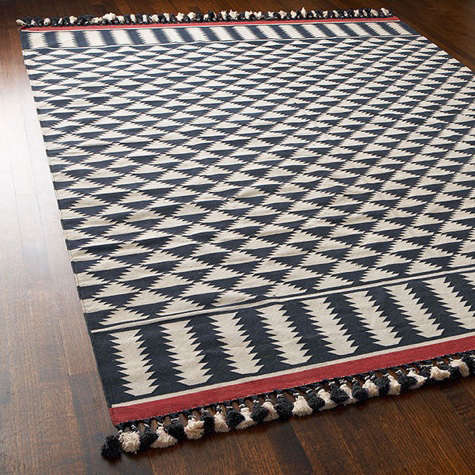
Black and White Dhurrie Rug
Jun
A black and white dhurrie rug is the design equivalent of a crisp white shirt, black jeans, and a confident walk into the room. It is simple, graphic, practical, and surprisingly good at making ordinary spaces look intentional. Whether your home leans modern, bohemian, farmhouse, coastal, Scandinavian, or “I bought this sofa before I knew my style,” this flatwoven classic can pull everything together without yelling for attention.
Dhurrie rugs have a long history as functional woven textiles, traditionally associated with India and known for their flat construction, lightweight feel, and reversible usability. Unlike plush pile rugs that trap crumbs like they are saving them for winter, dhurries are low-profile, easy to layer, and especially useful in busy rooms. Add the black-and-white palette, and you get a rug that feels timeless, flexible, and bold enough to wake up a sleepy space.
In this guide, we will explore what makes a black and white dhurrie rug special, how to choose the right size and material, where to use it, how to style it, how to clean it, and what real-life experience teaches you once the rug is no longer a product photo but a hardworking member of the household.
What Is a Dhurrie Rug?
A dhurrie rug is a flatwoven rug, typically made from cotton, wool, jute, or blended fibers. The weave has no thick pile, which gives the rug a slim profile and a crisp, textile-like surface. Many dhurries are reversible, making them especially practical for high-use areas. If one side gets tired, you can flip it over and pretend you planned that all along.
Traditional dhurries often feature stripes, diamonds, geometric motifs, borders, or repeated patterns. A black and white version takes those classic design elements and gives them a modern edge. The result can be subtle or dramatic depending on the pattern. A narrow stripe feels calm and tailored. A bold diamond pattern feels energetic. A broken-line or checker motif can look playful, handmade, and contemporary.
Why Black and White Works So Well
Black and white is one of the most reliable color combinations in interior design. It offers contrast without requiring a complicated color scheme. A black and white dhurrie rug can work as a neutral foundation, a graphic statement, or a bridge between different pieces of furniture.
It Adds Contrast Without Chaos
Rooms often fall flat because everything has the same visual weight. Beige sofa, beige wall, beige curtains, beige rugsuddenly the room looks like a bowl of oatmeal with throw pillows. A black and white dhurrie rug breaks up that sameness. The black adds structure and definition, while the white keeps the overall look fresh and open.
It Matches Almost Everything
Black and white can pair with warm wood, cool metal, leather, rattan, linen, velvet, painted furniture, and colorful art. It looks good with navy, olive, terracotta, blush, camel, gray, cream, and even bright colors like mustard or teal. That flexibility matters because most people do not redesign an entire room every time they buy a rug.
It Can Make a Small Room Feel More Designed
In a small living room, entryway, apartment bedroom, or home office, a black and white flatweave rug can define the space without adding bulky texture. A larger rug with a clear pattern can make furniture placement feel deliberate, which is designer code for “No, this was not accidental.”
Best Materials for a Black and White Dhurrie Rug
The material affects how the rug feels, cleans, wears, and sits on the floor. Before falling in love with a pattern, check the fiber content. Your future self, holding a cup of coffee near the rug, will appreciate the effort.
Cotton Dhurrie Rugs
Cotton dhurries are lightweight, casual, and often more affordable than wool. They are great for bedrooms, low-traffic living areas, home offices, and layered rug looks. Cotton feels softer and more flexible, but it can absorb stains more easily than some synthetic or wool options. A cotton black and white dhurrie rug is ideal if you want a relaxed, washable-looking aesthetic, though you should always follow the care label before putting any rug near a washing machine.
Wool Dhurrie Rugs
Wool is naturally resilient, comfortable, and durable. A wool dhurrie usually has more body than cotton and can handle living rooms or dining areas better when properly maintained. New wool rugs may shed at first, which is normal, but regular vacuuming helps. Wool also tends to feel warmer and more substantial underfoot, making it a strong choice for year-round comfort.
Jute and Natural Fiber Blends
Some dhurrie-style rugs include jute or other natural fibers. These add texture and an earthy feel, especially in boho, coastal, or modern organic interiors. However, jute can be rougher underfoot and less forgiving with moisture. A black and white jute-blend dhurrie may look fantastic in an entry or sitting room, but it may not be the best choice for a damp bathroom or messy kitchen zone.
Choosing the Right Size
Rug size is where good intentions often go to trip over a coffee table. A rug that is too small can make a room feel disconnected, while the right size can visually anchor furniture and make the whole layout feel polished.
Living Room
For most living rooms, an 8×10 black and white dhurrie rug or a 9×12 dhurrie rug works better than a small 5×7. Ideally, the front legs of the sofa and chairs should rest on the rug. In larger rooms, all furniture legs can sit on the rug. The goal is to create a seating island, not a tiny decorative postage stamp floating under the coffee table.
Bedroom
In a bedroom, a black and white dhurrie rug can sit under the lower two-thirds of the bed, extending beyond both sides so your feet land on something warmer than the floor. A queen bed usually pairs well with an 8×10 rug, while a king bed often needs a 9×12. For smaller bedrooms, two runners on either side of the bed can create comfort without crowding the space.
Dining Room
A flatweave dhurrie is a smart dining room option because chairs can slide more easily over a low-profile rug. Choose a size that extends at least 24 inches beyond the table on all sides, so chairs remain on the rug when pulled out. A black and white pattern can also hide small crumbs better than a plain white rug, which is useful unless your dinner guests eat like museum curators.
Entryway and Hallway
A black and white dhurrie runner can instantly sharpen an entryway or hallway. Because dhurries are slim, they are often better near doors than thicker rugs. Still, check door clearance before buying. Nothing ruins a stylish entrance faster than a door that gets stuck on the rug every morning.
How to Style a Black and White Dhurrie Rug
The beauty of this rug is that it can play many roles. It can be the quiet foundation, the graphic hero, or the stylish mediator between furniture pieces that did not technically come from the same design universe.
Modern Minimalist Style
Pair a black and white striped dhurrie with a clean-lined sofa, simple wood coffee table, and white walls. Keep accessories minimal, then add texture through linen pillows, matte ceramics, and a sculptural lamp. The rug adds movement without making the room feel busy.
Boho and Global-Inspired Style
A geometric dhurrie rug works beautifully with woven baskets, plants, rattan chairs, leather poufs, and layered textiles. The black and white palette keeps the room grounded while allowing colorful pillows, throws, or wall art to shine.
Farmhouse and Cottage Style
Use a black and white dhurrie with warm woods, slipcovered seating, vintage pieces, and soft neutral walls. A checked or striped design can feel casual and friendly, while the flatweave texture keeps it from looking too precious.
Small Apartment Style
In apartments, one rug often has to do the work of several design elements. A black and white dhurrie rug can define the living area, hide imperfect flooring, and add personality without taking up physical space. Choose a pattern with medium contrast if the room is tiny; very large, high-contrast motifs can sometimes dominate the space.
Layering a Dhurrie Rug
Layering rugs is a clever way to add depth. A black and white dhurrie can be layered over a larger jute or sisal rug for a designer look. This works especially well when the dhurrie is too small on its own but too beautiful to abandon. Place the larger neutral rug underneath, then center the dhurrie over the seating area or under the coffee table.
Layering also helps soften the feel of a thin flatweave. Since dhurries are not plush, a base rug or quality rug pad can add comfort and prevent slipping. The secret is to make the layers look intentional. If the top rug is crooked, wrinkled, or constantly migrating across the room, it is not layered; it is escaping.
Do You Need a Rug Pad?
Yes, in most cases, you need a rug pad. A flatwoven dhurrie can slide on hardwood, tile, or laminate floors. A good rug pad improves grip, adds a little cushioning, protects the floor, and helps the rug wear more evenly. Choose a pad that is slightly smaller than the rug so it does not peek out from the edges.
For entryways and doors, choose a thin nonslip pad. For living rooms and bedrooms, a felt-and-rubber pad can add comfort while keeping the rug in place. Always check whether the pad is safe for your flooring type, especially with hardwood finishes.
How to Clean and Maintain a Black and White Dhurrie Rug
One reason people love dhurrie rugs is that they are relatively easy to care for compared with high-pile rugs. Still, “easy” does not mean “ignore forever and hope for the best.” A little routine maintenance goes a long way.
Vacuum Regularly
Vacuum the rug weekly in average-use rooms and more often in high-traffic areas. Use suction rather than an aggressive beater bar if the rug is delicate, handmade, or has fringe. Vacuum both sides occasionally if the rug is reversible.
Rotate the Rug
Rotate the rug every few months to balance wear and sunlight exposure. This is especially useful in rooms where one side gets more foot traffic or direct sun. Rotation is not glamorous, but neither is a faded rectangle under the coffee table.
Blot Spills Immediately
For spills, blotdo not rub. Rubbing can push liquid deeper into fibers and distort the weave. Use a clean white cloth and mild cleaning solution appropriate for the rug material. Always test in a hidden area first, especially with black and white rugs, where dye transfer can be noticeable.
Check the Care Label
Some small cotton rugs may be washable, but many handmade dhurries, wool dhurries, jute blends, and larger rugs should not go into a home washing machine. When in doubt, follow the manufacturer’s instructions or use a professional rug cleaner.
Common Buying Mistakes to Avoid
Buying Too Small
The most common mistake is choosing a rug that is too small. A tiny rug can make furniture feel disconnected and the room feel unfinished. Measure first, then choose the largest practical size for the layout.
Ignoring Texture
Dhurries are flat and low-profile. That is part of their charm, but they do not feel like plush rugs. If you want sink-your-toes softness, use a thick pad, layer it, or choose wool over crisp cotton.
Forgetting About Pets and Kids
Black and white patterns can be forgiving, but white areas still show stains. If you have pets, toddlers, or a snack-loving adult who cannot be trusted near salsa, consider a busier pattern or a darker overall design.
Skipping the Return Policy
Rugs can look different in person due to lighting, scale, and texture. Before buying, check the return policy, shipping cost, and whether samples or swatches are available. A rug is not just a decorative object; it is basically furniture that lies down.
Best Rooms for a Black and White Dhurrie Rug
A black and white dhurrie rug is versatile, but some rooms make especially good use of its strengths.
Living Room
It anchors seating, adds contrast, and works with many sofa colors. A striped dhurrie can make the room feel longer, while a geometric dhurrie adds energy.
Bedroom
It creates a calm but graphic foundation. Choose softer patterns for restful spaces and pair with white bedding, natural wood, and warm lighting.
Dining Room
The flat weave makes chair movement easier, and the pattern helps disguise small messes. Just make sure the rug is large enough.
Entryway
A runner creates instant personality and welcomes guests with style. Use a nonslip pad and choose a durable material.
Home Office
A low-profile dhurrie is useful under a desk because office chairs roll more easily than they do on thick pile. It also makes video-call backgrounds look less accidental.
Black and White Dhurrie Rug Experience: What Living With One Teaches You
The first thing you notice after placing a black and white dhurrie rug in a room is how quickly it changes the mood. Before the rug, the space may look fineperfectly acceptable, politely boring, maybe even a little “rental beige.” After the rug, the furniture suddenly feels arranged on purpose. The coffee table looks more important. The sofa looks less lonely. Even the floor seems relieved to have a job.
In everyday use, the flatweave quality becomes one of its biggest advantages. Doors open more easily over it than they would over a thick rug. Chairs slide without drama. A robot vacuum, depending on its personality, may handle it better than a shag rug. The rug does not trap every crumb in a deep forest of fibers, which is excellent news for anyone who enjoys toast, crackers, or children with mysterious snack habits.
The black and white palette also proves more flexible than expected. At first, it may seem bold, especially if the pattern is striped, diamond-shaped, or checker-inspired. But after a few days, it begins to behave like a neutral. Add a camel leather chair, and the rug looks warm and classic. Add green plants, and it looks fresh. Add colorful art, and it becomes a grounding element. Add holiday decor, and it does not argue with red, gold, silver, or whatever glitter-covered object has entered the room.
There are lessons, of course. White sections will show dust, lint, and pet hair, especially if your pet is determined to personally contribute to the texture. Black sections can show pale crumbs and fuzz. The pattern hides more than a solid rug, but it is not a magic cloak. Regular vacuuming keeps it looking sharp. A rug pad is also not optional in most spaces. Without one, a dhurrie can shift, wrinkle, or slowly travel across the floor like it has somewhere better to be.
Another experience-based tip: pattern scale matters. A small, tight pattern feels subtle and easier to decorate around. A large black and white pattern becomes a focal point. Both can be beautiful, but they create different rooms. In a small entry, a bold runner can feel exciting. In a bedroom, the same pattern may feel too energetic if you want a calm retreat. The best choice depends not only on style but also on the emotional volume you want in the room.
Living with a black and white dhurrie rug also teaches you that practical pieces can still have personality. It is not fragile, fussy, or overly formal. It handles daily life while making the room look edited. That balance is the real charm. It is stylish enough for guests to notice, but relaxed enough that you do not panic when someone walks across it wearing shoes. In other words, it is a rug for real homes, not just perfectly staged rooms where no one has ever dropped popcorn.
Conclusion
A black and white dhurrie rug is one of the most useful pieces you can add to a home. It is graphic but timeless, practical but stylish, traditional but modern enough for today’s interiors. Its flatwoven construction makes it ideal for living rooms, bedrooms, dining areas, hallways, and home offices, while the black-and-white palette gives it unmatched decorating flexibility.
Choose the right material, size it generously, use a quality rug pad, and maintain it with regular vacuuming and quick spill care. Whether you prefer clean stripes, bold diamonds, subtle checks, or handmade irregular lines, a black and white dhurrie rug can ground your space with confidence and charm. It is proof that good design does not always need to be loud, expensive, or complicated. Sometimes, it just needs to lie flat and look fabulous.

