
Makeup
“Are They Punishing Me?” 76 Hilariously Offensive Meals People Wouldn’t Have Ordered For Free If They Knew What They Are Getting
Jul
There are disappointing meals, and then there are meals that feel like a personal attack wrapped in foil. You know the kind: a $17 “loaded” sandwich containing one lonely pickle and a whisper of protein, a “garden salad” that looks like it was assembled during a power outage, or a delivery burger that arrives looking like it lost a fistfight with gravity. These are the hilariously offensive meals people post online because words alone are not enough. The world needs evidence.
The funny thing is that most people are not asking for perfection. Diners understand that food gets busy, fries get tired, and tomatoes sometimes behave emotionally. What makes an offensive meal unforgettable is the gap between expectation and reality. A glossy menu photo promises a heroic stack of ingredients. The actual plate arrives looking like it has been through three recessions and a breakup. That gap is where comedy lives.
This article is not here to shame hardworking restaurant staff. Anyone who has worked around food knows that kitchens are hot, hectic, understaffed, and occasionally powered by caffeine and panic. But when a customer pays modern restaurant prices and receives something that looks like a prank from a cousin who “doesn’t really cook,” the internet is going to laugh. Loudly. With screenshots.
Why Bad Meals Go Viral So Fast
Food is emotional. We plan around it, reward ourselves with it, celebrate with it, and sometimes spend the entire afternoon thinking about one specific order. So when that order arrives wrong, cold, tiny, burnt, soggy, or mysteriously beige, it feels bigger than dinner. It feels like betrayal with a side of ranch.
The rise of takeout, delivery apps, online menus, and user-uploaded restaurant photos has made food expectations more visual than ever. People no longer order blindly. They compare photos, read reviews, scan menus, and imagine the meal before it arrives. When the final product does not match the promise, the disappointment is instantly shareable. One terrible plate can become a group therapy session for thousands of strangers.
That is why offensive meal posts work so well online. They are simple, visual, and universal. Everyone has opened a takeout container and paused in silence. Everyone has wondered whether the chef forgot an ingredient, the driver performed parkour, or the restaurant interpreted “extra cheese” as a philosophical concept.
The 76 Types of Hilariously Offensive Meals
Not every food fail is the same. Some are tragic because they are tiny. Some are tragic because they are wet. Some are tragic because the restaurant clearly knew better and did it anyway. Here are the main categories that explain why these 76 meals would make people ask, “Are they punishing me?”
1. The Portion That Requires a Search Party
Few things upset diners faster than a meal that looks like it was plated for a field mouse with a light appetite. Tiny portions are not automatically bad; fine dining exists, and sometimes three peas are somehow $42. But if a casual restaurant advertises a hearty bowl, stacked sandwich, or overflowing platter, the customer expects more than a decorative sample.
Classic examples include a “loaded” baked potato with four shreds of cheese, a burrito that resembles a rolled-up napkin, a chicken sandwich where the chicken is smaller than the tomato slice, and pasta served in a bowl so empty it echoes. These meals are offensive because they make the customer feel tricked. It is not just hunger; it is math. The bill says dinner. The plate says snack break.
2. The Menu Photo Catfish
The menu photo is smiling. The real meal is in witness protection. This is one of the most common sources of restaurant disappointment. A burger looks tall, juicy, shiny, and structurally confident in the photo. The delivered version looks tired, flattened, and deeply aware of its own failure.
Menu photography can create powerful expectations. A beautiful picture can increase interest, make a dish feel more valuable, and push a customer toward ordering. But when the real plate does not even seem related to the photo, the customer feels fooled. It is the food version of showing up to a date and realizing the profile picture was from 2009.
3. The “No Substitutions” Disaster
Customization is everywhere now. People ask for no onions, extra sauce, dressing on the side, gluten-free options, dairy-free swaps, and spice adjustments. Most reasonable requests are manageable. But when a restaurant mishandles them, the result can be spectacularly ridiculous.
Think of the person who asked for no onions and received a sandwich that looked like it had been attacked by an onion confetti cannon. Or the diner who requested extra pickles and got one pickle chip placed in the center like a museum artifact. Or the customer who asked for sauce on the side and received sauce everywhere except the side. These errors feel offensive because the meal seems to be arguing with the customer.
4. The Delivery Container Crime Scene
Some meals leave the restaurant looking normal and arrive looking like they were transported by trebuchet. Delivery introduces a whole new universe of risk: long travel times, poor packaging, stacked containers, bumpy roads, steam buildup, leaking sauces, and fries that go from crispy to emotionally damp in minutes.
Pizza slides. Soup escapes. Nachos become archaeology. Burgers arrive sideways. Sushi warms up in a way nobody requested. By the time the customer opens the bag, the food may technically be present, but spiritually it has left the building.
Restaurants that do delivery well think about packaging as part of the dish. Crispy food needs ventilation. Saucy food needs reliable seals. Hot and cold items should not be packed together like they are on a forced family vacation. A great delivery meal is engineered, not just boxed.
5. The Cold Meal That Was Supposed To Be Hot
Cold pizza can be charming the next morning. Cold fries at dinner are a cry for help. Temperature matters because it affects flavor, texture, and safety. A lukewarm soup, rubbery eggs, or cold burger patty can turn a normal order into a sad little science project.
Food safety guidance consistently emphasizes keeping hot foods hot and cold foods cold. That matters not only for taste but also for reducing the risk of bacterial growth. Diners may joke about a cold meal online, but temperature abuse is one of the moments when a funny food fail can become a serious complaint.
6. The Burnt, Raw, or Somehow Both Meal
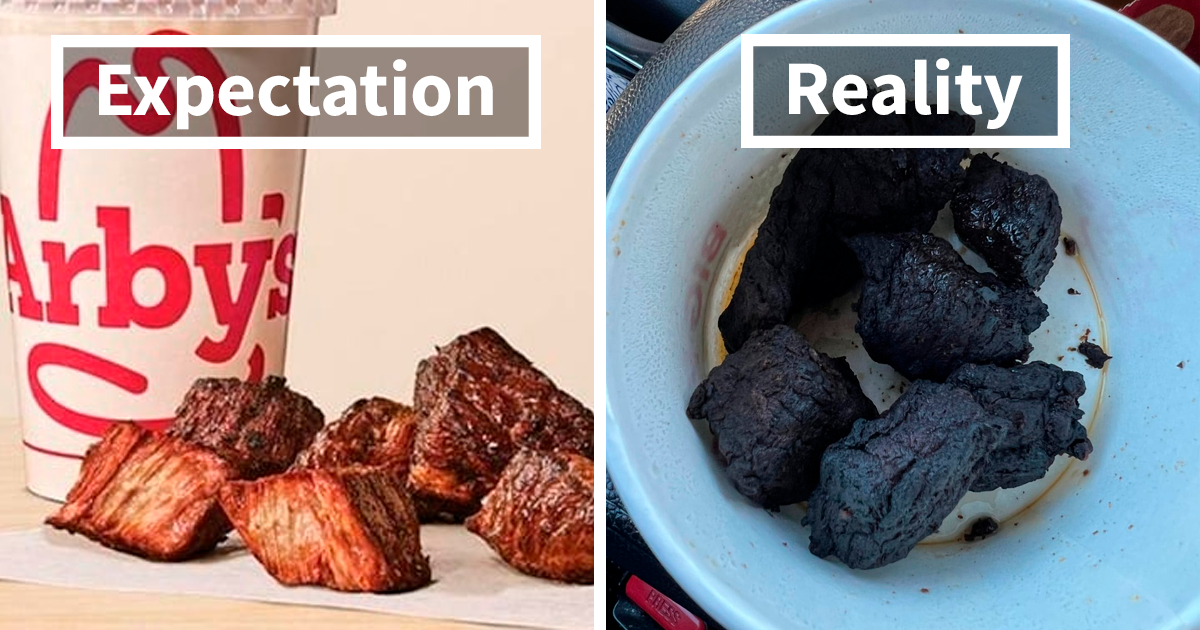
There is a special horror in biting into food that is burnt on the outside and undercooked in the middle. It suggests the meal has experienced heat but not guidance. Burnt toast, raw chicken, charred pancakes, gummy pizza dough, and gray steak all belong to this category.
Cooking is timing, temperature, and attention. When one of those disappears, the diner becomes the quality-control department. A burnt edge may be forgivable. A raw center in poultry is not. A steak cooked one level off is annoying. A burger patty that looks medically concerning is a refund with legs.
7. The “Vegetarian Option” That Is Just Lettuce With Hope
Plant-based diners have seen things. A restaurant menu may proudly mention vegetarian options, but the actual meal sometimes turns out to be a pile of leaves, a plain bun, or a side dish promoted to entrée status because nobody had a better idea.
A good vegetarian or vegan meal should feel intentional. It should have protein, texture, seasoning, and balance. It should not feel like the kitchen removed the meat and then stared at the plate until everyone gave up. A sad salad is not hospitality. It is photosynthesis with a service fee.
8. The Breakfast Betrayal
Breakfast food looks simple, which is exactly why people get so offended when it goes wrong. Eggs, toast, pancakes, bacon, hash browns, and coffee are supposed to comfort the soul. Instead, some plates arrive with pale bacon, rubber eggs, burnt pancakes, or toast that has only been introduced to warmth.
Breakfast fails hurt because they ruin the day early. A bad dinner can be recovered from with dessert. A bad breakfast follows you around like a small edible thundercloud.
9. The $22 Sandwich With Main Character Syndrome
Restaurant prices have climbed significantly in recent years, and diners are more sensitive than ever to value. When a sandwich costs the same as a small household appliance, it needs to look like somebody cared. If the bread is dry, the filling is sparse, and the garnish appears accidental, the customer is not just disappointed. They are doing financial analysis through clenched teeth.
High prices do not automatically make a meal offensive. Many restaurants face rising labor, rent, ingredient, insurance, and delivery-platform costs. But when prices rise and quality falls, diners notice immediately. A bad cheap meal is annoying. A bad expensive meal feels like a tiny betrayal printed on a receipt.
What These Food Fails Reveal About Restaurant Expectations
The funniest offensive meals usually reveal a serious point: customers do not only buy food; they buy trust. They trust the menu description. They trust the photo. They trust the kitchen to cook food properly. They trust delivery packaging to keep the meal intact. They trust that a restaurant charging premium prices will provide a premium experience.
When that trust breaks, humor becomes the customer’s coping mechanism. Posting a photo of a disastrous meal is a way of saying, “Please confirm I am not overreacting.” The internet usually confirms it within seconds, often with better jokes than the original caption.
Still, not every bad meal deserves a public takedown. A missing sauce cup, while emotionally devastating to some people, can often be fixed with a quick call or refund request. But serious problems like undercooked meat, foreign objects, spoiled ingredients, or repeated false advertising deserve direct attention. The difference between a funny mistake and a genuine issue matters.
How To Complain Without Becoming the Villain
If a meal is truly unacceptable, the best first step is usually to contact the restaurant or platform calmly and specifically. “My burger arrived cold and missing the patty” is better than “You have ruined my bloodline.” Include the order number, photos, and a clear request: remake, refund, credit, or explanation.
Good restaurants want to know when something goes wrong. A thoughtful complaint gives them a chance to fix the issue, retrain staff, improve packaging, or correct a menu description. A furious one-star review written while hangry may feel satisfying, but it rarely solves the problem as well as clear feedback.
That said, customers should not feel guilty for expecting edible food. If the meal is unsafe, misleading, or wildly below what was promised, speaking up is reasonable. You paid for dinner, not a mystery box from the Department of Regret.
76 Mini Food Fails That Explain the Whole Internet Joke
To understand why these meals get shared, imagine the following greatest hits: a salad with one cherry tomato cut into four pieces, a grilled cheese without visible cheese, a burrito filled mostly with rice and sadness, a “crispy” chicken sandwich steamed into surrender, a pizza with all toppings in one corner, a taco shell cracked before arrival, a milkshake the texture of room-temperature soup, a pasta dish with sauce applied by rumor, a breakfast plate where the eggs look laminated, a “large” fries that could fit in a shirt pocket, and a steak cooked so unevenly it has multiple personalities.
Then add the modern classics: a vegan entrée that is just steamed broccoli, a kids’ meal that looks more nutritious than the adult entrée, a cheesecake slice thinner than a business card, a “loaded nachos” order with six chips and one bean, a bagel toasted only on one side, a sandwich cut so badly it looks legally separated, a soup cup filled halfway, an avocado toast with avocado dust, a wrap folded like a tax document, and a chicken wing order that appears to have come from hummingbirds.
The humor grows because these meals are not merely bad. They are specific. They make people ask questions. Who approved this? Was the kitchen out of ingredients? Did the delivery bag roll downhill? Is the garnish decorative, or is it the meal? Did someone confuse “entrée” with “sample?” Why is the sauce both everywhere and nowhere?
Experience Section: What It Feels Like To Receive an Offensive Meal
Everyone has a personal version of this story. Mine begins with hope, as all food tragedies do. You place the order because the photo looks perfect. Maybe it is a burger with a glossy bun and crisp lettuce. Maybe it is a pasta dish described with words like “creamy,” “house-made,” and “finished with herbs.” Maybe it is a breakfast burrito promising eggs, cheese, potatoes, salsa, and enough comfort to repair your attitude.
Then the food arrives. The bag feels suspiciously light. That is the first warning. You tell yourself not to judge. Maybe the container is bigger than expected. Maybe the restaurant uses lightweight packaging. Maybe joy has no weight. Then you open the lid and stare down at a meal that appears to have been assembled during an evacuation drill.
The first reaction is silence. Not anger yet. Just silence. Your brain needs a moment to match the item you ordered with the object in front of you. You check the receipt. You check the app. You check the container again, as if the missing ingredients may emerge from hiding. They do not. The fries are cold. The sauce has escaped. The sandwich is leaning in a way that suggests it has given up on life.
That moment is what makes offensive meals so memorable. Hunger makes everything more dramatic, but expectation makes it personal. You were not dreaming of luxury. You were dreaming of a normal meal made with average competence. When the result is aggressively below average, it feels less like a mistake and more like a message.
Another common experience is the group-order disaster. One person organizes lunch for the office, everyone carefully chooses from the menu, and the delivery arrives like a puzzle dumped from a box. Someone is missing their entrée. Someone gets a sauce they cannot eat. Someone’s salad is warm because it was packed under soup. The person who ordered last somehow gets the best meal, which creates social tension. By the end, people are trading items like survivors in a cafeteria-based economy.
There is also the vacation meal fail. This one hurts differently. You are in a new city, tired from walking, and you choose a restaurant because the photos look charming. The menu promises local flavor. The reviews seem fine. Then the food arrives and tastes like the concept of salt was banned. Now you are not just disappointed; you are disappointed in a place you wanted to love. That kind of meal becomes part of the trip story forever.
And of course, there is the late-night order. This is the most vulnerable category. Late-night food is ordered by people who have already surrendered. They are tired, hungry, and willing to accept imperfection. That makes the failure even funnier. If a restaurant cannot satisfy someone at 11:47 p.m. whose standards are “warm and recognizable,” something has gone terribly wrong.
The best lesson from these experiences is simple: bad meals are funny later, but restaurants can prevent most of them with honest menus, realistic photos, proper packaging, consistent portions, and basic quality checks. Customers can protect themselves by reading recent reviews, looking at user-uploaded photos, ordering delivery-friendly foods, and speaking up quickly when something is truly wrong.
Still, there is a strange comfort in knowing these disasters happen to everyone. Somewhere, someone else is opening a takeout box, staring at three pieces of lettuce and a lonely tomato, and whispering, “What did I do to deserve this?” That shared confusion is why offensive meals become internet comedy gold.
Conclusion
Hilariously offensive meals are more than bad food photos. They are tiny dramas about expectation, money, trust, hunger, and the very human belief that a sandwich should contain the ingredients promised by the sandwich. The funniest examples make us laugh because they are absurd, but they also remind restaurants that presentation, accuracy, portion size, temperature, and honesty matter.
Whether it is a cold burger, a vanishing portion, a menu photo catfish, or a vegetarian entrée made entirely of afterthoughts, a disappointing meal becomes unforgettable when it feels avoidable. Diners do not need every order to be perfect. They just want the food to look, taste, and function like food. Apparently, that is sometimes a big ask.
Note: This article is written as original, publishable content and synthesizes real information about U.S. restaurant trends, food delivery problems, menu expectations, consumer complaints, and food-safety guidance without copying or reproducing source material.
SEO Tags

