
Makeup
ADT Medical Alert Systems Review
May
Choosing a medical alert system can feel a little like shopping for a parachute: you hope you never need it, but if you do, you want it to work immediately, without drama, fine print gymnastics, or a “please hold” soundtrack. ADT, one of the most recognizable names in home security, also offers medical alert systems designed for older adults, people with mobility concerns, caregivers, and anyone who wants quick access to help at home or on the go.
This ADT Medical Alert Systems review takes a close look at the company’s plans, pricing, features, strengths, drawbacks, and ideal users. The big question is simple: does ADT’s medical alert service deliver enough peace of mind to justify the monthly cost? In many cases, yesespecially for people who value a trusted monitoring brand, simple equipment, and 24/7 professional response. But it is not the flashiest system on the market, and it may not be the cheapest. Let’s put on our sensible shoes and walk through the details.
What Is ADT Medical Alert?
ADT Medical Alert is a personal emergency response service that connects users to trained monitoring professionals when they press a help button or, with certain plans, when a fall detection device senses a possible fall. The system is designed to help users get assistance during medical emergencies, falls, dizziness, sudden weakness, accidents, or situations where reaching a phone is difficult.
Unlike a traditional home security alarm, ADT Medical Alert focuses on personal safety rather than burglary protection. The goal is not to scare away intruders; it is to help someone get help quickly. ADT’s monitoring agents can contact emergency responders, caregivers, family members, or other contacts based on the user’s emergency profile.
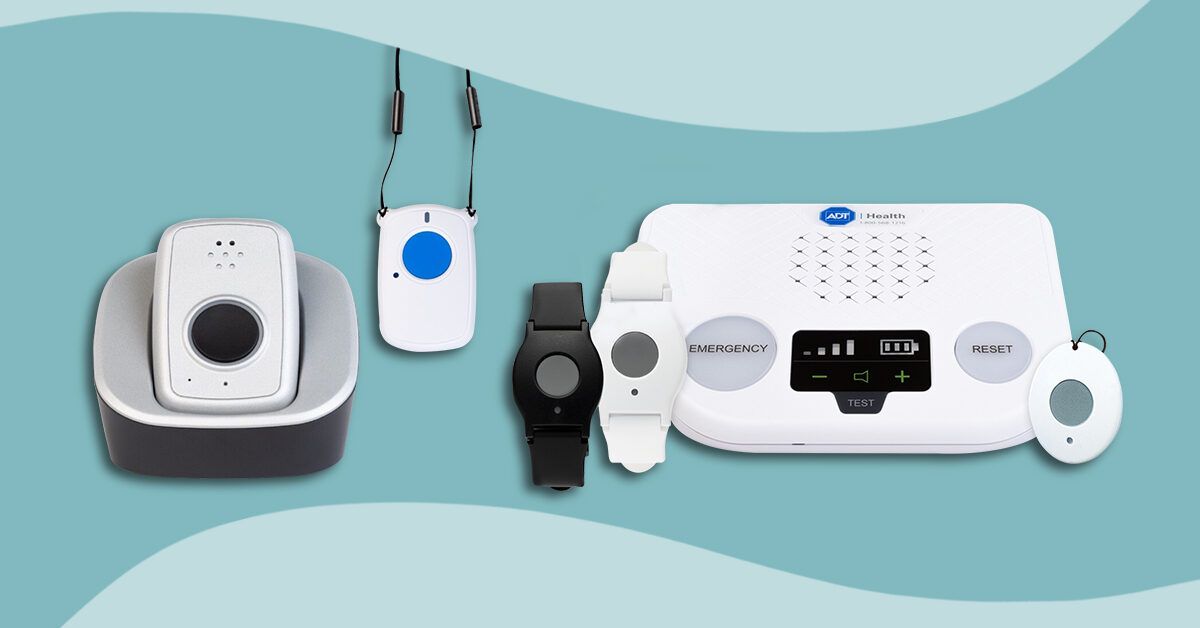
ADT currently offers three main medical alert options: Medical Alert Basic, Medical Alert Plus, and On-The-Go. Each plan serves a different lifestyle, from home-only protection to mobile coverage for people who still enjoy errands, walks, appointments, shopping trips, and the occasional “I only went in for milk and came out with patio cushions” adventure.
ADT Medical Alert Plans and Pricing
Pricing can change, and promotions often affect the final checkout total. However, ADT’s medical alert plans generally fall into the mid-range category compared with other major medical alert providers. The regular monthly prices are commonly listed around $31.99 per month for Medical Alert Basic, $39.99 per month for Medical Alert Plus, and $41.99 per month for On-The-Go. Quarterly or annual billing may reduce the effective monthly cost, and ADT frequently promotes savings such as free shipping, lockbox offers, or discounts on fall detection.
One cost to watch carefully is the activation fee. ADT commonly charges an activation fee of about $99, though promotions may reduce it. This is one of the main drawbacks because several competitors advertise lower setup costs or no activation fees. On the other hand, ADT typically does not charge a large upfront equipment purchase fee, which can balance the math depending on the plan and promotion.
Medical Alert Basic
Medical Alert Basic is ADT’s entry-level in-home system. It is best for users who spend most of their time at home and have a landline. The package usually includes an in-home base unit and a wearable help button, such as a pendant or wristband. The pendant range is listed at up to 300 feet, which is usually enough for an apartment, condo, or smaller home.
This plan includes two-way talk through the base station, 24/7 ADT professional monitoring, and home temperature monitoring. The temperature monitoring feature is a nice extra because extreme heat or cold can be dangerous for older adults, especially during power issues, HVAC problems, or severe weather.
The major limitation is that Medical Alert Basic requires a landline and does not support fall detection. If automatic fall detection is a must-have, Basic is not the right fit. It is the “keep it simple” plan, not the “bells, whistles, and GPS” plan.
Medical Alert Plus
Medical Alert Plus is the stronger in-home option. It does not require a landline, using a cellular connection instead. It also offers a longer pendant range of up to 600 feet, making it a better choice for larger homes, porches, garages, yards, or people who like to wander into the garden and wage war against weeds.
Medical Alert Plus supports optional fall detection for an additional monthly fee. It also includes home temperature monitoring, pendant options, wristband options, and the ability to add accessories such as waterproof wall-mounted buttons. These wall buttons are especially useful in bathrooms, near beds, or in other high-risk areas where falls are more likely.
For many households, Medical Alert Plus is the sweet spot. It offers better range, cellular connectivity, and optional fall detection without requiring the user to carry a mobile GPS device everywhere. It is ideal for someone who is mostly home-based but wants stronger coverage than the basic landline system.
On-The-Go
ADT’s On-The-Go plan is designed for active users who leave the house regularly. It is a wearable mobile medical alert system with cellular coverage, GPS location capabilities, and 24/7 monitoring. When the user presses the help button, the monitoring center can communicate through the device and use location information to help send assistance to the right place.
On-The-Go also supports optional fall detection, including integrated fall detection built into the wearable mobile device. That matters because some mobile medical alert systems require users to carry both a main device and a separate fall detection pendant. A simpler setup is usually better, especially when the target audience includes people who may not want to manage multiple gadgets.
This plan is best for people who still drive, walk outside, attend appointments, visit friends, shop, or travel within areas covered by cellular service. It is not perfect for every user because mobile systems depend on cellular and GPS availability, but for active adults, On-The-Go is ADT’s most flexible choice.
Key Features of ADT Medical Alert Systems
24/7 Professional Monitoring
The strongest reason to choose ADT is professional monitoring. When users press the emergency button, they are connected to ADT monitoring professionals who can assess the situation and contact help. This can be valuable when someone is scared, confused, injured, or unable to explain everything clearly.
ADT’s brand recognition also plays a role. Many families already know ADT from home security, so the medical alert service feels familiar. That does not automatically make it the best system for everyone, but trust matters when you are buying safety equipment for a parent, spouse, grandparent, or yourself.
Fall Detection Options
Fall detection is available with Medical Alert Plus and On-The-Go, but not Medical Alert Basic. It usually costs extra each month. Fall detection can automatically alert the monitoring center when the device senses a possible fall, even if the user cannot press the button.
That said, fall detection is not magic. No fall detection system detects 100% of falls. Sudden soft falls, slow slides from a chair, or certain body positions may not trigger an alert. Users should always press the help button if they can. Think of fall detection as a helpful backup, not a superhero cape.
Waterproof Wearables and Wall Buttons
Bathrooms are one of the most common places for falls, so waterproof equipment is important. ADT offers waterproof pendants and wristbands, and certain accessories are designed for wet environments. Wall-mounted buttons can be placed in bathrooms, bedrooms, or other strategic areas where a wearable device might not be within easy reach.
This is one of the practical strengths of ADT’s system. The equipment is not trying to win a fashion award; it is trying to be useful during everyday routines like bathing, sleeping, cooking, or walking to the mailbox.
Home Temperature Monitoring
ADT’s in-home medical alert systems include home temperature monitoring. This feature can detect unsafe temperature changes, such as a home becoming too cold in winter or too hot during summer. For older adults, people with chronic health conditions, or anyone living alone, this can provide an added layer of protection.
GPS Location for Mobile Users
The On-The-Go system includes GPS location capability, which helps monitoring professionals identify where the user is during an emergency. This is especially useful for people who walk outdoors, use public transportation, travel alone, or have memory-related concerns.
GPS can be extremely helpful, but it depends on signal availability and environmental conditions. Dense buildings, poor cellular coverage, or weak GPS reception may affect performance. For most users in covered areas, though, GPS is a major advantage over a home-only medical alert system.
ADT Medical Alert Pros and Cons
Pros
- Trusted brand with long experience in professional monitoring
- Three plan options for different lifestyles
- 24/7 emergency monitoring
- Optional fall detection on higher-tier plans
- GPS location available with the On-The-Go plan
- Waterproof pendant and wristband options
- Home temperature monitoring on in-home systems
- No long-term contract required in many current plan structures
- Simple equipment that is easy to understand
Cons
- Activation fee can make startup costs higher
- Fall detection costs extra
- Basic plan requires a landline
- No fall detection on the Basic plan
- Not as modern-looking as smartwatch-style competitors
- Limited caregiver app features compared with some rivals
- Promotions and pricing can be confusing at checkout
How ADT Compares With Other Medical Alert Systems
Compared with competitors such as Medical Guardian, Bay Alarm Medical, MobileHelp, LifeFone, and Lifeline, ADT stands out most for brand familiarity and straightforward monitoring. It is not necessarily the most feature-rich system, and it does not lean heavily into smartwatches, mobile apps, activity tracking, or wellness dashboards.
Some competitors offer sleeker devices, longer in-home ranges, lower starting prices, or more caregiver tools. Others may include fall detection bundles or waive activation fees. ADT’s advantage is that it keeps the experience simple: choose a plan, wear the button, press it when help is needed, and connect to professional monitoring.
For some families, that simplicity is exactly the point. Not everyone wants another app, another login, another Bluetooth pairing ritual, or another device that needs a software update before breakfast. ADT’s medical alert systems are practical and familiar, which can be a major plus for users who dislike complicated technology.
Who Should Choose ADT Medical Alert?
ADT Medical Alert is a strong choice for older adults who live alone, caregivers who want extra reassurance, people recovering from surgery, individuals with balance issues, and families who already trust the ADT name. It is also a good option for users who prefer professional monitoring over relying only on family contacts.
The Medical Alert Basic plan makes sense for someone who has a landline, spends most of the day at home, and wants affordable basic coverage. Medical Alert Plus is better for people who want cellular connectivity, longer in-home range, and optional fall detection. On-The-Go is the best fit for active adults who want emergency help outside the home.
ADT may not be the best choice for users who want a stylish smartwatch, advanced health tracking, caregiver apps with detailed activity reports, or the lowest possible monthly price. It is also not ideal for someone who refuses to wear a pendant or wristband. A medical alert system only works when it is actually worn, which is the least glamorous but most important sentence in this entire review.
Setup and Ease of Use
ADT medical alert systems are designed for simple setup. In-home systems generally require plugging in the base unit and testing the wearable button. The Basic plan needs a landline connection, while Medical Alert Plus uses cellular service. The On-The-Go device requires charging and activation before use.
Once active, daily use is straightforward. The user wears the pendant or wristband, keeps the base station plugged in if using an in-home system, and presses the button during an emergency. The monitoring center then communicates with the user and follows the emergency response plan.
This simplicity is a major selling point. A medical alert device should not feel like launching a spaceship. ADT’s equipment is basic in the best sense: visible buttons, wearable devices, and a response process that does not require technical confidence.
Safety Value: Why Medical Alert Systems Matter
Falls are a serious concern for older adults in the United States. A fall can cause broken bones, head injuries, loss of independence, and fear of moving around the home. Even when a fall does not cause a major injury, being unable to get up for a long time can lead to dehydration, pressure injuries, anxiety, and worse outcomes.
A medical alert system does not prevent every fall, but it can reduce the time between an emergency and getting help. That time matters. For caregivers, the value is also emotional. Knowing a parent or loved one can press a button if something happens can reduce worry and make independent living feel more realistic.
ADT’s system is especially useful when combined with other fall-prevention steps: removing loose rugs, improving lighting, adding grab bars, checking medications that cause dizziness, using non-slip mats, and encouraging strength and balance exercises. The alert system is one piece of the safety puzzle, not the whole puzzle box.
Realistic Experience: What Using ADT Medical Alert May Feel Like
Imagine an older adult named Linda who lives alone in a one-story home. She is independent, sharp, and fully capable of reminding everyone that she has been managing her own life since before smartphones made people forget how to read maps. Her daughter, however, worries because Linda recently felt dizzy while getting out of bed. They choose ADT Medical Alert Plus because Linda does not have a landline and wants coverage in the house, on the porch, and in her small backyard.
The setup is simple enough that it does not become a family drama. The base station is placed in a central location, the wearable pendant is tested, and the emergency contact list is reviewed. Linda is not thrilled about wearing a button at first. She says it makes her feel old. Her daughter wisely avoids saying, “But you are old,” because she values peace. Instead, they treat the pendant like a seat belt: not a symbol of weakness, just a tool that helps smart people stay safer.
After a few days, Linda forgets she is wearing it. That is the best-case scenario for any medical alert device. It becomes part of the routine, like glasses, house keys, or checking whether the oven is off. She wears it while watering plants, making coffee, and watching television. The device does not interfere with daily life, which is exactly what a good system should do.
One afternoon, Linda slips near the laundry room. It is not a dramatic movie-scene fall, just one of those quick, annoying accidents that happen between “I’m fine” and “Well, that was embarrassing.” She is shaken but conscious. Because she can press the button, she does. The monitoring professional speaks through the system, asks what happened, and contacts her daughter according to the response plan. In another situation, emergency services could be contacted instead.
That experience highlights the real value of ADT Medical Alert. It is not about making life feel restricted. It is about shortening the scary gap between an accident and assistance. For families, the device can reduce the constant background worry that comes with loving someone who lives alone. For users, it can support independence rather than take it away.
Now consider a different user, Robert, who still drives, volunteers twice a week, and takes walks around the neighborhood. For him, a home-only system would leave too many gaps. ADT On-The-Go makes more sense because GPS location and mobile coverage are more important than a base station sitting at home. If he feels chest pain in a parking lot or trips while walking, he can press the mobile device and connect to help.
The trade-off is that mobile systems require more charging awareness. Robert has to remember to keep the device powered, just as he charges his phone. That may sound minor, but it is worth considering. A medical alert device with a dead battery is just a necklace with ambition. Caregivers should help build a charging routine, such as placing the charger near a favorite chair or bedside table.
In both examples, ADT works best when the household treats it as part of a broader safety routine. Test the device regularly, keep emergency contacts updated, wear the button consistently, and place accessories where they make sense. The experience is less about technology and more about habits. Good habits turn a medical alert system from “something we bought” into “something that actually helps.”
Final Verdict: Is ADT Medical Alert Worth It?
ADT Medical Alert Systems are worth considering if you want a dependable, professionally monitored medical alert service from a familiar security brand. The systems are easy to use, the plan lineup is simple, and the features cover the essentials: emergency button access, 24/7 monitoring, waterproof wearables, home temperature monitoring, optional fall detection, and GPS for mobile users.
The biggest downsides are the activation fee, extra cost for fall detection, and fewer modern extras compared with some competitors. If you want smartwatch styling, advanced caregiver app features, or the absolute lowest monthly cost, compare ADT with other providers before buying. But if your priority is reliable monitoring, simple equipment, and a trusted name, ADT is a solid choice.
The best ADT plan depends on lifestyle. Choose Medical Alert Basic for simple landline-based home protection, Medical Alert Plus for stronger in-home cellular coverage with optional fall detection, and On-The-Go for active users who need mobile protection away from home.
Note: Prices, promotions, activation fees, fall detection costs, and package details can change. Always confirm the latest terms directly at checkout before purchasing.

