
Hair Care
The Phantom PSP: Crafting The Handheld Sony Never Sold
May
Somewhere in the great museum of gaming daydreams, between the Nintendo PlayStation prototype and the “maybe this time Sony will make a Vita 2” rumor drawer, there lives a strange little idea: the Phantom PSP. It is not an official Sony product. It never sat behind glass at E3 with dramatic blue lighting. It never received a launch trailer narrated by a serious voice promising “the future of play.” And yet, for many retro gaming fans, it feels weirdly real.
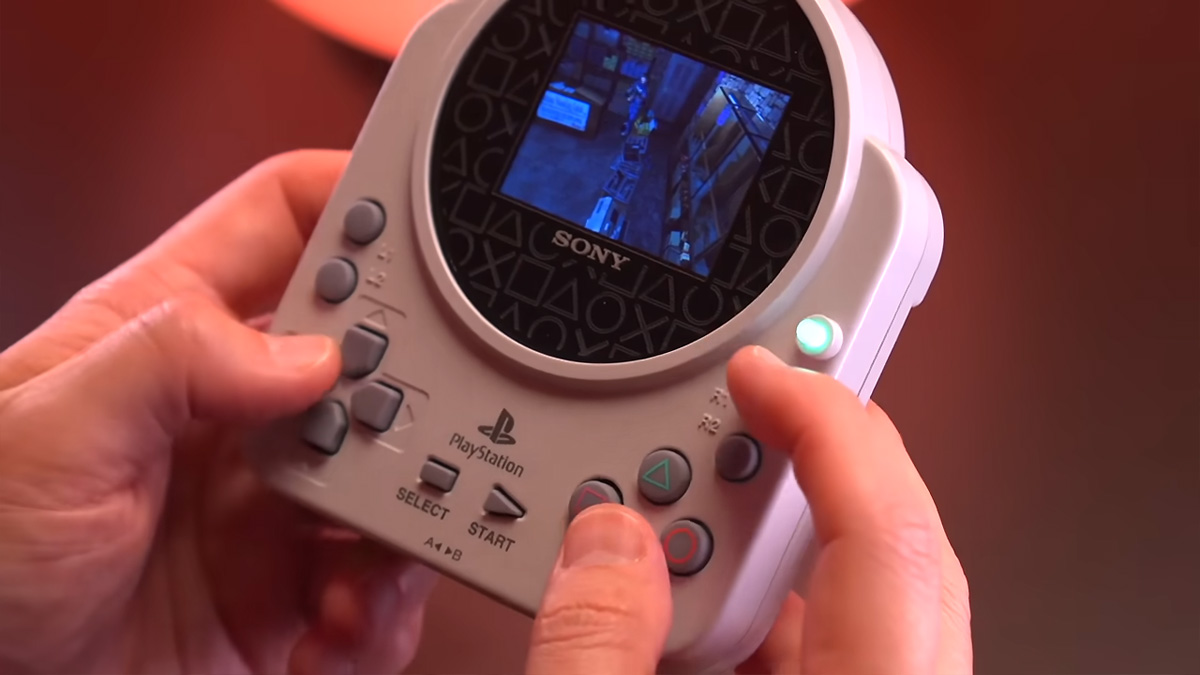
The Phantom PSP is the kind of handheld Sony never sold but fans kept imagining: compact, nostalgic, PlayStation-flavored, open to classic games, and built with the scrappy confidence of someone who owns both a soldering iron and a dangerous amount of optimism. In recent DIY circles, the concept has become closely tied to custom builds like Kyle Brinkerhoff’s PlayStation Phantom, a Raspberry Pi-powered handheld highlighted by Hackaday and showcased by Macho Nacho Productions. It looks like a lost Sony pocket console from an alternate timeline, which is exactly why the internet looked at it and collectively said, “Yes, please.”
To understand why this unofficial handheld hits such a big nostalgia button, we need to revisit Sony’s real handheld history, the design gaps fans still talk about, and the modern maker culture that can turn a mythical console into a playable object. The Phantom PSP is not just a cute mod. It is a love letter to portable PlayStation gaming, written in plastic, firmware, buttons, batteries, and mild panic.
Why the Phantom PSP Idea Feels So Real
The original PlayStation Portable was never a small ambition. When Sony launched the PSP in North America in 2005, it was pitching something closer to a pocket PlayStation than a simple toy. The device had a widescreen display, multimedia features, Wi-Fi, Memory Stick storage, and the tiny spinning Universal Media Disc format, better known as UMD. It played games, movies, music, and photos at a time when many phones were still trying to master the ancient art of not sounding like a microwave during calls.
The PSP looked premium. It felt premium. It was the handheld you placed on a cafeteria table when you wanted everyone to know you had entered your “cinematic portable entertainment” era. But it was also big, delicate, and tied to physical media in a way that became awkward as digital distribution grew.
Sony later tried to solve some of that with the PSP Go. Released in 2009, the PSP Go removed the UMD drive, added 16GB of internal storage, used a sliding screen design, and leaned hard into downloadable games. On paper, it sounded like the future. In reality, it arrived before the market was fully ready, before many players were comfortable abandoning discs, and before digital ownership felt as normal as it does today. The PSP Go was clever, but it was also the friend who showed up to a party four hours early and wondered why nobody else was dancing.
From PSP to Vita to Portal: Sony’s Handheld Identity Crisis
Sony did not give up on handhelds after the PSP. The PlayStation Vita launched with impressive hardware: a 5-inch OLED screen, dual analog sticks, touch controls, solid memory, and enough sleek black plastic to make gadget lovers whisper respectfully. The Vita was powerful and beloved by many players, but it struggled commercially against mobile gaming, Nintendo’s ecosystem, expensive memory cards, and a market that was changing faster than a speedrunner skipping cutscenes.
Years later, Sony returned to the portable conversation with the PlayStation Portal. The Portal is not a standalone console in the PSP or Vita tradition. It is a Remote Play device designed to stream PS5 games over Wi-Fi, with an 8-inch screen and DualSense-style controls. Later cloud streaming support made it more flexible for PlayStation Plus Premium members, but it still does not run games natively like a classic handheld.
That is where the Phantom PSP fantasy sneaks in. Fans do not merely want “a screen attached to a controller.” They want a true pocket PlayStation: something self-contained, charming, mod-friendly, and personal. They want the vibe of PSP, the portability of the PSP Go, the controls of a modern device, and the freedom of an emulation handheld. Basically, they want Sony to build a unicorn. Since Sony has not done that, makers have started feeding the unicorn themselves.
What Is the Phantom PSP?
In practical terms, the Phantom PSP is best understood as a fan-built, PlayStation-inspired handheld rather than a leaked Sony prototype. The version that caught attention in the retro gaming scene uses a Raspberry Pi-class board, custom electronics, a small display, buttons, firmware, emulation software, and a shell that gives the finished device the mood of a tiny lost PlayStation machine.
The appeal comes from the illusion. It does not need an official Sony logo to trigger the same emotional response. The shape, button layout, compact size, and retro PlayStation design language all suggest a product that could have existed in the mid-2000s if Sony had taken a different road. It is familiar enough to feel authentic, but strange enough to feel collectible.
A Handheld Built Around Emulation
At the heart of many DIY handheld projects is emulation. A small computer, often a Raspberry Pi Zero 2 W or similar board, runs software capable of playing classic systems such as NES, SNES, Sega Genesis, Game Boy, Game Boy Advance, and PlayStation-era titles depending on performance, configuration, and emulator choice.
The Raspberry Pi Zero 2 W is popular because it is tiny, relatively affordable, wireless, and much more capable than the original Pi Zero. With a quad-core 64-bit ARM Cortex-A53 processor running at 1GHz and 512MB of RAM, it is not a monster gaming PC hiding in a lunchbox, but it is strong enough for many retro systems when configured carefully. RetroPie and EmulationStation-style setups make these builds feel like polished mini consoles rather than science fair projects held together by hope and electrical tape.
Why Responsiveness Matters
A handheld like the Phantom PSP lives or dies by responsiveness. Retro games are brutally honest. If input latency is bad, Mario misses the jump, Sonic eats a spike, and the player suddenly develops strong opinions about milliseconds. That is why serious builders do not simply install an emulator and call it a day. They tweak settings, optimize boot behavior, refine controller input, manage display timing, and sometimes dig directly into code.
This is where the Phantom PSP becomes more than a novelty. A shell can make a handheld look convincing, but tuning makes it feel convincing. The best builds are not just pretty props. They are playable machines that respect the rhythm of old games.
The Design Magic: Why It Looks Like Sony Could Have Made It
Sony’s best hardware has always carried a certain design confidence. The original PSP looked like a luxury device that accidentally wandered into a toy aisle. The PSP Go looked like someone shrank a futuristic media player and hid buttons under the screen. The Vita looked like a glossy command center for people who took portable gaming very seriously.
A successful Phantom PSP build borrows from that visual language without becoming a fake product. Rounded edges, a compact face, PlayStation-style buttons, a crisp screen, and a dark shell can do a lot of emotional heavy lifting. The result is not “Sony made this.” The result is “Sony should have made something like this.” That difference is small, but for retro fans, it is where the fun lives.
The Importance of the Shell
In DIY handhelds, the shell is not just packaging. It is the personality. A good shell determines comfort, portability, durability, and whether the device looks like a finished console or a calculator that survived a garage explosion. The Phantom PSP concept benefits from using a shell that feels toy-like in the best way: compact, friendly, and instantly readable as a gaming device.
Many modern handhelds are getting larger. The Steam Deck, ROG Ally, Lenovo Legion Go, and similar machines are powerful, but nobody is slipping one into a jeans pocket unless those jeans have been legally classified as luggage. The Phantom PSP goes the other direction. It celebrates smallness. It says, “What if portable actually meant portable?”
What Sony Never Sold: The Missing Middle
The Phantom PSP fascinates people because it sits in the missing middle of Sony’s handheld timeline. The PSP was ambitious but disc-based. The PSP Go was digital and pocketable but limited by its moment. The Vita was powerful but expensive and commercially misunderstood. The Portal is comfortable but dependent on streaming. None of them quite matches the modern dream of a tiny, self-contained, retro-friendly PlayStation handheld.
That missing product category is exactly where makers thrive. They are not waiting for a corporate roadmap. They are looking at available parts and asking a better question: “How close can we get with what exists right now?”
The answer, surprisingly often, is “pretty close.” Not perfect. Not mass-market. Not warranty-friendly. But close enough to make people smile.
How a DIY Phantom PSP Comes Together
Building a handheld like this is a careful balancing act between ambition and reality. Every part has to fit. Every wire needs somewhere to go. Every component adds heat, cost, weight, and potential frustration. If full-size console design is architecture, tiny handheld design is architecture performed inside a shoebox during an earthquake.
Core Components
A typical project inspired by the Phantom PSP idea may involve a small single-board computer, a compact LCD screen, a custom or modified controller board, a battery management solution, speakers, buttons, a microSD card, 3D-printed or repurposed housing, and firmware that ties the system together. The board handles emulation. The display provides the window into the games. The buttons translate human panic into digital input. The battery decides how long the fun lasts before the device becomes a very stylish paperweight.
Software and Interface
The software layer is just as important as the hardware. RetroPie, EmulationStation, RetroArch, and custom scripts can create a smooth console-like experience. Ideally, the handheld boots quickly into a clean menu, recognizes controls properly, saves configurations, and avoids dumping the user into Linux command-line purgatory. Nothing kills retro magic faster than wanting to play Castlevania and instead meeting a blinking cursor that looks disappointed in you.
Power and Heat
Power management is one of the unglamorous heroes of handheld modding. A device must charge safely, run long enough to be useful, and avoid overheating. Small builds have little room for airflow, and plastic shells do not enjoy being treated like toaster ovens. Good builders think about battery capacity, voltage regulation, screen brightness, shutdown behavior, and safe charging. The goal is simple: play games, not “discover lithium-ion chemistry through smell.”
Why Retro Gamers Love the Phantom PSP Concept
Retro gaming is not only about playing old software. It is about recreating a feeling. The sound of a boot screen. The snap of buttons. The satisfaction of carrying a library in your pocket. The Phantom PSP concept understands that nostalgia is physical. You can emulate a game on a laptop, but it does not feel the same as playing on a dedicated handheld built for that purpose.
There is also a strong preservation angle. As original PSP batteries age, UMD drives fail, Memory Stick prices fluctuate, and digital storefront policies change, fans look for new ways to keep portable gaming history alive. DIY projects are not replacements for original hardware, but they can become practical companions. They keep the spirit moving even when the original machines become fragile collectibles.
The Legal and Ethical Side of Emulation
No honest article about a retro emulation handheld should skip the legal elephant in the room. Emulators themselves are not automatically illegal, and many are legitimate open-source projects. The complicated part is game files. Downloading copyrighted ROMs or disc images without permission is legally risky and ethically questionable. The cleaner route is to use homebrew games, public-domain software, legally purchased digital releases where supported, or personal backups made in accordance with local law.
In other words, build the Phantom PSP because you love gaming history, not because you want to turn your microSD card into a tiny pirate ship. It may be cute, but the eyepatch is not included.
How the Phantom PSP Compares With Modern Handhelds
The portable gaming market is crowded again. Nintendo made hybrid gaming mainstream with the Switch. Valve pushed handheld PC gaming forward with the Steam Deck. Companies like ASUS, Lenovo, Ayaneo, Anbernic, Miyoo, and Retroid have filled shelves with devices for every budget and pocket size. Sony’s Portal, meanwhile, focuses on PS5 streaming rather than native handheld play.
The Phantom PSP does not compete with these devices on raw power. It competes on charm. It is not trying to run the latest blockbuster at high settings. It is trying to make old games feel cozy, immediate, and personal. That is a different value proposition. A Steam Deck is a portable gaming PC. A Phantom PSP-style build is a pocket-sized “what if.”
What Sony Could Learn From the Phantom PSP
Sony probably does not need hobbyists to explain that people still love PlayStation handhelds. The ongoing affection for PSP and Vita makes that obvious. But the Phantom PSP highlights something specific: fans want identity. They do not just want remote access to a console in another room. They want a device with its own reason to exist.
A future Sony handheld could learn from this maker-driven fantasy. It could be compact, digital-first, cloud-capable, and still able to run selected games natively. It could include strong controls, modern battery life, accessible storage, and a friendly way to revisit classic PlayStation titles. It could be less “phone with buttons” and more “PSP grew up, got a decent job, and learned USB-C.”
Whether Sony ever builds that machine is another question. Big companies must think about margins, software support, licensing, supply chains, and market size. Makers only need curiosity, patience, and enough desk space to lose six screws forever.
Challenges of Crafting the Handheld Sony Never Sold
The romantic version of the Phantom PSP story is simple: gather parts, assemble handheld, become retro wizard. The real version involves debugging, soldering mistakes, screen alignment problems, battery anxiety, firmware hiccups, and the occasional moment where the device works only when held at a suspicious angle.
Custom handhelds are hard because every decision affects everything else. A brighter screen drains more power. A bigger battery needs more space. A smaller shell improves pocketability but makes assembly harder. Better speakers need room. Better controls require careful placement. Even button feel is a science. Too mushy, and the device feels cheap. Too stiff, and every boss fight becomes finger day at the gym.
That difficulty is part of the appeal. The Phantom PSP is not just consumed; it is crafted. It represents the satisfaction of making the imaginary tangible.
Specific Examples That Make the Build Interesting
The most interesting Phantom PSP-style builds are not merely Raspberry Pi boards taped to displays. They involve custom printed circuit boards, carefully selected shells, community-shared files, and firmware repositories that let other builders learn from the project. Public GitHub resources and PCB-sharing platforms make the idea more accessible, turning a one-person experiment into a community reference point.
That open sharing matters. Retro hardware culture has always been collaborative. Someone designs a bracket. Someone else improves the board. Another person fixes the script. A fourth person writes a guide because the first three assumed everyone already knew what “flash the image” meant. Slowly, chaos becomes documentation.
Why This Story Resonates in 2026
In 2026, gaming hardware is both more powerful and less mysterious than ever. Consoles update themselves. Cloud services stream enormous games. Handheld PCs run libraries that once required desktop towers. Yet the Phantom PSP proves that players still crave devices with character.
People do not love the PSP only because of its specifications. They love how it felt to hold a tiny portal to console-style gaming. They love the click of the buttons, the wide screen, the weird UMD door, the glossy front plate, and the sense that Sony had somehow squeezed a living-room dream into a backpack.
The Phantom PSP captures that same emotional signal. It is imperfect, unofficial, and niche. But sometimes niche is where the best hardware stories happen.
Experiences Related to Crafting and Playing a Phantom PSP-Style Handheld
The first experience most people have with a Phantom PSP-style project is not gameplay. It is curiosity. You see the tiny PlayStation-inspired shell, notice the familiar button layout, and your brain tries to place it in Sony’s official timeline. Was this a Japanese exclusive? A dev kit? A canceled PSP Mini? Then the truth arrives: someone built it. That realization is half the magic.
Handling a small custom handheld changes how you think about retro games. On a television, a 16-bit platformer can feel like a museum exhibit. On a pocket device, it feels alive again. Short levels suddenly make sense. Save states become little bookmarks in your day. A five-minute break becomes a quick run through a racing game, a puzzle stage, or one more doomed attempt at a boss fight you definitely had “figured out” right before losing.
There is also a special joy in tuning the device. Adjusting screen brightness, remapping buttons, choosing themes, organizing box art, and trimming the game list are small rituals that make the handheld feel personal. It becomes less like a product and more like a mixtape. Every menu choice says something about the builder. Some people want a clean PlayStation-style interface. Others want pixel art chaos. Some load only carefully curated classics. Others create a library so large it feels like a retro game warehouse with a battery icon.
The building process teaches patience quickly. A button may not sit correctly. A ribbon cable may be just a little too short. The screen may boot perfectly on the workbench and then refuse to cooperate once inside the shell, because apparently electronics enjoy dramatic timing. But each solved problem creates ownership. By the time the handheld finally boots into a game menu, it does not feel purchased. It feels earned.
Playing on such a device also reveals why Sony’s old handhelds still matter. The PSP and Vita were not perfect, but they had a sense of occasion. A custom Phantom PSP-style handheld borrows that feeling and adds the maker’s fingerprint. You are not only playing retro games; you are playing them on an object that represents a question: what if the handheld we wanted never arrived because we were supposed to build it ourselves?
That is probably too poetic for a device that may occasionally require a firmware reflash, but it is true. The Phantom PSP is exciting because it sits between nostalgia and invention. It reminds players that gaming history is not locked in the past. With the right parts, shared knowledge, and enough stubborn enthusiasm, even a console Sony never sold can become something you can hold, charge, customize, and play.
Conclusion: The Phantom PSP Is a Dream With Buttons
The Phantom PSP is not official Sony hardware, and that is exactly why it is fascinating. It exists because fans looked at the space between PSP, PSP Go, Vita, and Portal and imagined something smaller, stranger, and more personal. Then makers began turning that idea into real devices using Raspberry Pi boards, emulation software, custom electronics, and design instincts sharpened by years of retro gaming obsession.
It is easy to dismiss DIY handhelds as niche projects for tinkerers, but the Phantom PSP carries a bigger lesson. Great gaming hardware is not only about power. It is about identity, feel, portability, and the stories players attach to the object in their hands. Sony never sold this exact handheld. Somehow, that makes it even more interesting.
Maybe the Phantom PSP is not the future of PlayStation. Maybe it is something better: proof that fans still care enough to build the past that never happened.

