
Skincare
Preventive Pipe Maintenance Beats Clog-Busting
Jul
Most homeowners do not think about pipes until the sink starts gargling like a swamp creature auditioning for a horror movie. Then comes the panic: plungers fly, boiling water gets poured, mystery chemicals appear from under the sink, and someone says, “Maybe it will fix itself.” Spoiler: it usually will not.
The smarter approach is simple: preventive pipe maintenance beats clog-busting every time. A drain that is cared for regularly is quieter, cleaner, less smelly, and far less likely to ruin your morning with standing shower water around your ankles. Instead of waiting for grease, hair, soap scum, wipes, food scraps, and tree roots to team up like a plumbing supervillain squad, you can stop most problems before they become expensive.
This guide explains how to maintain household drains, protect sewer lines, prevent clogged pipes, and build easy habits that keep water moving where it belongs. No panic. No drama. No late-night online search for “why does my kitchen sink smell like regret?”
Why Preventive Pipe Maintenance Matters
Pipes are not trash cans with plumbing ambitions. They are narrow pathways designed to move water and waste smoothly away from your home. When the wrong materials enter those pathways, they collect along pipe walls, stick to bends, snag on rough spots, and slowly reduce the inside diameter of the drain. The first warning may be a slow sink. The next may be a bubbling toilet, a floor drain backup, or a plumber explaining repair options while you mentally cancel your vacation.
Preventive maintenance works because clogs are usually not sudden. They build gradually. Kitchen grease cools and hardens. Soap residue grabs hair. Coffee grounds settle. Starchy foods swell. Wipes fail to break down as quickly as toilet paper. Tree roots find tiny openings in underground sewer lines. One tiny mistake rarely destroys a plumbing system. The repeated habit is the problem.
That is why drain maintenance is less about heroic unclogging and more about boring consistency. Boring is good. Boring means the sink drains, the toilet flushes, and the basement does not develop an indoor pond.
The Big Clog Makers Hiding in Plain Sight
Fats, Oils, and Grease
Grease is the celebrity villain of clogged drains. It seems harmless when warm and liquid, but once it cools, it can stick to pipe walls and harden. Over time, it narrows the pipe and catches more debris. Bacon grease, cooking oil, butter, gravy, salad dressing, pan drippings, and greasy sauces should never go down the drain or garbage disposal.
The better habit is easy: let grease cool, pour it into a disposable container, seal it, and throw it in the trash. Wipe greasy pans with a paper towel before washing. Scrape plates into the trash or compost before rinsing. Your pipes will not send flowers, but they would if they could.
Hair, Soap Scum, and Grooming Products
Bathroom drains live a difficult life. Hair, toothpaste, shaving cream, soap, conditioner, lotions, and skin-care products all move through them. Hair is especially talented at forming little nets inside drains, where it traps soap scum and turns into a slow-draining mess.
The simplest solution is a drain strainer or hair catcher. It costs very little, takes seconds to clean, and prevents one of the most common causes of bathroom clogs. If you have long hair in the household, a strainer is not optional; it is plumbing diplomacy.
Wipes and “Flushable” Products
The word “flushable” can be misleading. Many wipes, hygiene products, paper towels, cotton swabs, and similar items do not break apart like toilet paper. They may leave the toilet bowl, but that does not mean they safely travel through the entire plumbing and sewer system.
For toilets, the rule is beautifully simple: human waste and toilet paper only. Everything else belongs in the trash. This one habit can prevent toilet clogs, sewer line blockages, and the kind of cleanup nobody wants to describe twice.
Food Scraps and Garbage Disposal Abuse
A garbage disposal is useful, but it is not a magic food portal. It should handle small scraps, not entire leftovers. Avoid sending coffee grounds, pasta, rice, potato peels, onion skins, fibrous vegetables, bones, eggshells, fruit pits, and large quantities of food down the disposal. Pasta and rice can swell with water. Fibrous foods can tangle. Coffee grounds can settle into sludge. Potato peels can become paste. None of these are the plumbing version of a balanced diet.
When using a garbage disposal, run a steady stream of cold water before, during, and briefly after grinding. Feed scraps gradually. Do not overload the chamber. Cold water helps move particles through the system and keeps fats more solid so they are less likely to smear along pipe walls.
A Practical Preventive Pipe Maintenance Routine
Daily Habits That Protect Drains
Great pipe maintenance starts with what you do every day. Scrape plates before rinsing. Keep grease out of the sink. Use drain screens in bathrooms and kitchens. Run cold water when operating the garbage disposal. Toss wipes, dental floss, cotton balls, and hygiene products in the trash. These tiny actions prevent most ordinary clogs before they get comfortable.
Also pay attention to how drains sound and smell. Gurgling, unpleasant odors, slow drainage, and recurring clogs are early warnings. Pipes may not speak English, but they do complain.
Weekly Drain Care
Once a week, clean visible strainers and remove trapped hair or food particles. Flush bathroom sinks and tubs with hot tap water, not boiling water. Hot tap water can help rinse away light soap residue, while boiling water may be too harsh for some plumbing materials, seals, or older systems.
In the kitchen, clean the garbage disposal by grinding a few ice cubes with cold water. The ice helps knock loose small debris inside the chamber. Follow with a small amount of dish soap and cold water. Citrus peels can freshen the smell, but use them sparingly. The goal is maintenance, not making the disposal chew through a fruit basket.
Monthly Maintenance
Once a month, give drains a deeper check. Remove bathroom sink stoppers and clean the hair and residue that collect around them. Look under sinks for moisture, corrosion, soft cabinet flooring, or stains. Check around toilets for rocking, leaks, or odors. Inspect exposed supply lines and drain connections.
Some homeowners like using baking soda and vinegar as a light deodorizing routine. It can help freshen drains and loosen minor surface grime, but it should not be treated as a miracle cure for serious clogs. If water is already backing up, a mechanical tool such as a plunger or drain snake is often more effective.
Seasonal Checks
Every season, inspect outdoor drains, gutters, downspouts, and cleanouts. Leaves, mud, mulch, and yard debris can block drainage paths and send water toward the foundation. Make sure downspouts discharge away from the house. If you have large trees near a sewer line, pay attention to recurring slow drains, soggy spots in the yard, or sewage odors outside. Tree roots can enter small cracks or joints and expand inside the pipe.
Homes with older plumbing, mature trees, or repeated main-line clogs may benefit from a professional camera inspection. A camera inspection shows whether the issue is grease, roots, broken pipe, sagging pipe, or another hidden problem. Guessing is cheaper for five minutes. Knowing is cheaper in the long run.
What Not to Do When Maintaining Pipes
Do Not Pour Boiling Water Down Every Drain
Boiling water is often recommended as a quick fix, but it is not always wise. Very hot water can soften some plastic drain materials or stress seals, especially in older systems. Warm or hot tap water is safer for routine rinsing. Save boiling water for pasta, tea, and dramatic cooking shows.
Do Not Rely on Harsh Chemical Drain Cleaners
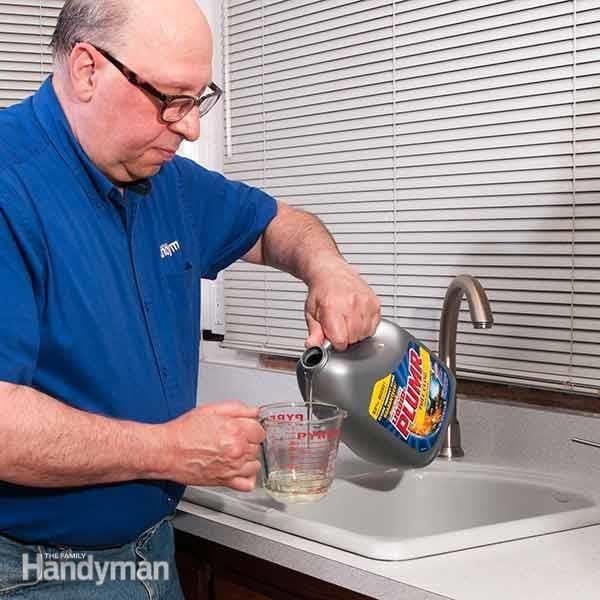
Chemical drain cleaners may sometimes open a clog, but they are not a maintenance plan. Overuse can create safety risks, especially if the clog remains and chemical liquid sits in the pipe. It can also make the job more dangerous for anyone who later opens the drain or uses a snake.
For minor clogs, start with a plunger, a drain snake, cleaning the stopper, or removing the trap if you are comfortable doing so. For recurring clogs, call a professional instead of repeatedly pouring stronger products into the same problem. A recurring clog is a message, not a challenge.
Do Not Ignore Slow Drains
A slow drain is the plumbing equivalent of a check-engine light. It may not be an emergency today, but it is telling you something. If one sink is slow, the clog may be local. If several fixtures drain slowly at once, the problem may be deeper in the main line. If toilets bubble when the washing machine drains, do not shrug. That is your house tapping you on the shoulder.
Special Tips for Kitchen Pipes
The kitchen is where preventive pipe maintenance earns its paycheck. Grease, food waste, starch, and soap all meet in the same drain. To keep things moving, wipe greasy cookware before washing, use a sink strainer, compost food scraps where possible, and avoid treating the garbage disposal as a substitute trash can.
Dish soap can help break down light grease on dishes before it reaches the drain, but it cannot erase a habit of pouring oil into the sink. Think of soap as a seat belt, not permission to drive into a wall.
If the kitchen sink starts draining slowly, check the disposal first. Make sure it is not jammed, reset it if needed, and run cold water. If the disposal is not the issue, try a plunger designed for sinks. If that fails, the trap may need cleaning or the line may need snaking.
Special Tips for Bathroom Pipes
Bathroom clogs are usually a greatest-hits album of hair, soap, toothpaste, and personal-care products. Use hair catchers in tubs and showers. Clean sink stoppers regularly. Avoid washing clumps of hair down the sink after shaving or brushing. Keep dental floss out of the toilet and drain because it can wrap around other debris.
For toilets, use reasonable amounts of toilet paper and avoid flushing wipes, feminine hygiene products, paper towels, cotton pads, and cleaning cloths. A toilet may be powerful, but it is not a paper shredder with plumbing credentials.
When Preventive Maintenance Needs Professional Help
Some signs deserve professional attention. Call a plumber if multiple drains are slow, sewage backs up into a tub or floor drain, clogs return again and again, you smell sewer gas, water appears around the base of a toilet, or you suspect roots in the sewer line.
Professional drain cleaning can include augering, hydro jetting, trap repair, vent inspection, or camera inspection. The right method depends on the cause. Hydro jetting may clear grease and sludge from certain lines, while root intrusion may require cutting roots, repairing pipe defects, or replacing damaged sections.
Preventive service can feel unnecessary when everything seems fine, but older homes, rental properties, restaurants, and houses with large trees often benefit from periodic inspections. The cost of finding a small issue is usually friendlier than the cost of sewage backup cleanup, damaged flooring, contaminated belongings, and emergency repairs.
The Cost Logic: Maintenance Beats Emergency Clog-Busting
Preventive pipe maintenance is not glamorous. Nobody posts a selfie with a clean sink strainer. But it saves money because emergency plumbing is usually more expensive than routine care. A $5 hair catcher can prevent a shower clog. A trash can for grease can prevent a kitchen backup. A camera inspection can reveal root intrusion before a pipe collapses or sewage backs into the house.
Clog-busting is reactive. It happens after water stops moving. Preventive maintenance is proactive. It keeps small buildup from becoming a blockage and gives you time to fix developing problems before they become urgent. In homeownership, urgency is often where budgets go to cry.
A Simple Pipe Maintenance Checklist
- Use strainers in kitchen, bathroom sink, tub, and shower drains.
- Never pour fats, oils, or grease down sinks or disposals.
- Scrape plates into the trash or compost before rinsing.
- Run cold water before, during, and after using the garbage disposal.
- Keep wipes, paper towels, cotton products, and hygiene items out of toilets.
- Clean bathroom stoppers and hair catchers weekly.
- Inspect under sinks monthly for leaks, stains, and odors.
- Use mechanical tools before harsh chemicals whenever possible.
- Watch for recurring slow drains, gurgling, and sewage smells.
- Schedule professional inspection for repeated clogs or older sewer lines.
Real-Life Experience: Why Prevention Wins in Everyday Homes
Anyone who has dealt with a serious clog learns one lesson quickly: the pipe always remembers. You may forget the bacon grease from Sunday breakfast, the pasta water with oily sauce, or the handful of coffee grounds rinsed away during a busy morning, but the drain keeps a record. It stores those little choices along the walls like a greasy scrapbook.
In many homes, the first sign is not a dramatic backup. It is subtle. The kitchen sink drains a little slower after dinner. The bathroom sink leaves a gray ring before the water disappears. The shower drain works fine for three minutes, then turns into a tiny foot bath. At first, people adapt. They run more water. They wait longer. They poke around with a bent hanger. They blame the soap, the kids, the previous owner, or the moon.
Then one day the sink simply stops. That is when preventive pipe maintenance suddenly seems like the most exciting topic in the world.
A common kitchen example starts with good intentions. Someone cooks a big meal and rinses a pan while it is still warm. The grease looks liquid, so it seems harmless. Hot water carries it away, and the sink appears clear. But farther down the line, the water cools. The grease begins clinging to the pipe. The next day, a little rice goes down. A week later, coffee grounds follow. Add soap residue and food particles, and the pipe becomes a slow-moving buffet for clogs.
The bathroom has its own story. One person with long hair may not cause a clog in one shower. But daily shedding, conditioner, soap film, and toothpaste-like residue can gather around the drain opening and stopper. A hair catcher changes the entire outcome. Instead of pulling a damp rope of mystery from the drain every few months, you clean the catcher in seconds. It is not glamorous, but neither is standing in ankle-deep water while questioning your life choices.
Toilet habits offer another lesson. Many people flush wipes because the package suggests they can. The toilet accepts them, so everything seems fine. But pipes and sewer lines are longer than the bowl. What disappears from sight can still snag, twist, and combine with grease or roots downstream. A small bathroom trash can with a lid solves more problems than most people realize.
Homeowners with older houses often learn the importance of inspection. A drain snake may temporarily clear roots or sludge, but if the same main line clogs every year, there is probably a deeper issue. A camera inspection can reveal cracks, bellies, root intrusion, or heavy buildup. Seeing the problem removes the guesswork. It also helps avoid paying for the same temporary fix again and again.
The best experience-based advice is this: build habits that are easy enough to repeat when you are tired. Keep a grease jar under the sink. Place strainers where people can see them. Put a small trash can near every toilet. Clean hair catchers before they look like science experiments. Check under sinks when you replace cleaning supplies. None of these steps is difficult, but together they protect the plumbing system every day.
Preventive pipe maintenance is not about being perfect. It is about making the right choice most of the time. Pipes do not need luxury treatment. They need common sense, consistency, and fewer surprise servings of grease, hair, wipes, and leftovers. Do that, and clog-busting becomes rare instead of routine.
Conclusion
Preventive pipe maintenance beats clog-busting because it protects your home before trouble begins. Clean drains are the result of small habits: keeping grease out of the sink, using strainers, running disposals correctly, flushing only toilet paper, watching for slow drains, and calling a professional when warning signs keep returning.
The best plumbing emergency is the one that never happens. Treat drains like part of the home’s health system, not an invisible trash chute, and they will usually reward you with quiet, reliable service. That may not sound thrilling, but when it comes to pipes, boring is beautiful.
Note: This article is written for general homeowner education. For sewage backups, repeated main-line clogs, suspected pipe damage, or unsafe cleanup conditions, contact a licensed plumbing or remediation professional.

