
Beauty Tools & Accessories
Migraine: Symptoms, Causes, and Treatment
Jul
A migraine is not simply a “bad headache” that deserves a dramatic eye roll and a dark room. It is a neurological condition that can affect the head, stomach, vision, balance, energy, concentration, and ability to function like a normal human being with emails to answer.
For some people, a migraine attack feels like a pounding pain on one side of the head. For others, it arrives with nausea, dizziness, light sensitivity, brain fog, neck pain, visual disturbances, or an overwhelming urge to cancel every plan ever made. Understanding migraine symptoms, causes, and treatment options can make attacks feel less mysterious and much more manageable.
What Is a Migraine?
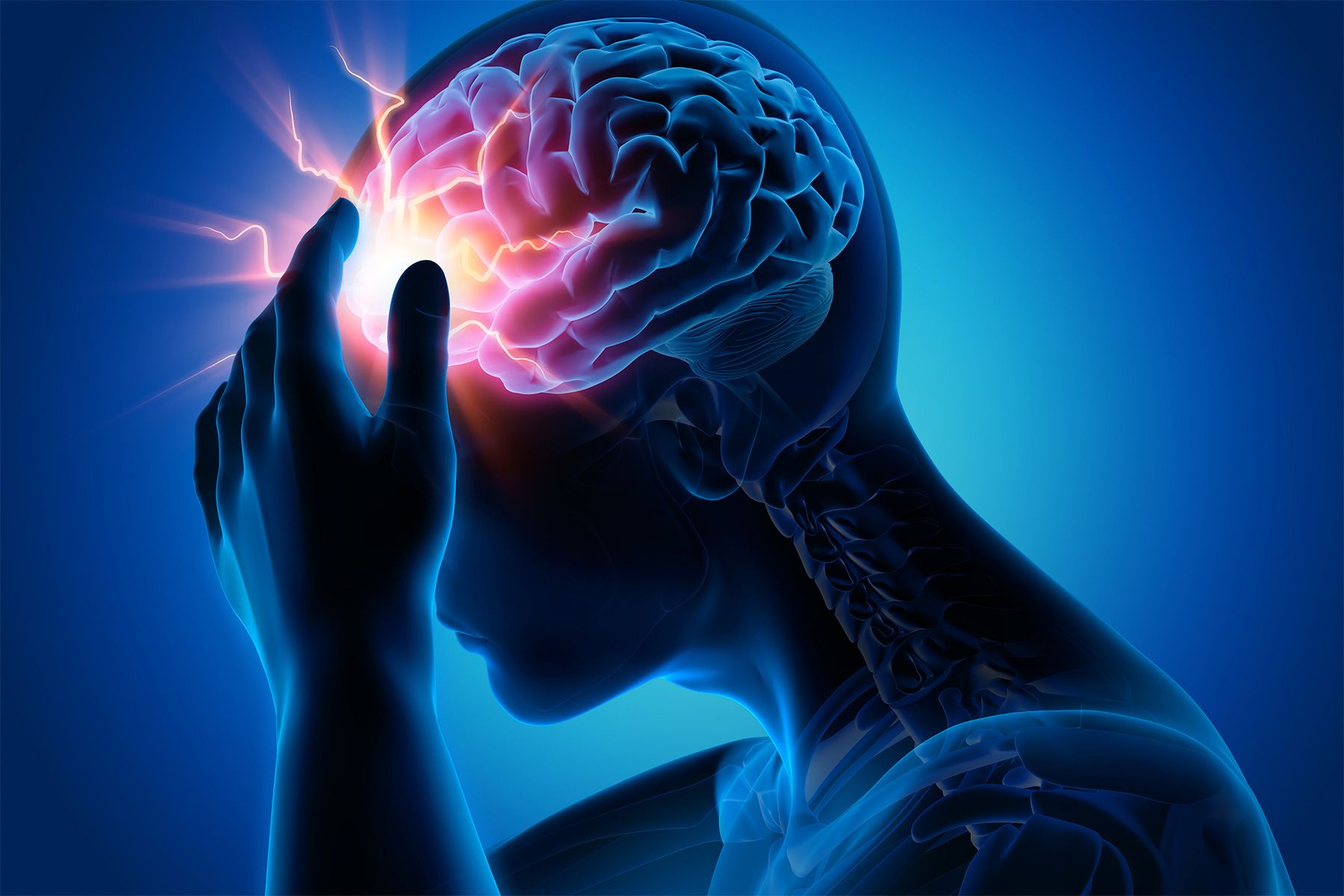
Migraine is a neurological disorder that causes recurring attacks involving head pain and other symptoms. The pain is often throbbing or pulsing, but not every migraine feels the same. Some people have severe pain on one side of the head, while others feel pressure or pain on both sides.
A migraine attack may last several hours or continue for up to several days. During that time, ordinary light, sound, smells, movement, screens, and cheerful coworkers can suddenly feel like personal enemies.
Migraine is different from a typical tension headache. A tension headache often feels like a tight band around the head, while migraine commonly includes nausea, vomiting, sensory sensitivity, and worsening pain with routine activity.
Common Migraine Symptoms
Migraine symptoms vary from person to person, and even the same person can experience different symptoms from one attack to the next. The head pain is only one piece of the puzzle.
Head Pain and Physical Symptoms
- Throbbing, pulsing, or pounding head pain
- Pain on one side of the head or both sides
- Moderate to severe pain that interferes with daily activities
- Nausea or vomiting
- Sensitivity to light, sound, smell, or touch
- Neck pain or stiffness
- Dizziness, vertigo, or balance problems
- Fatigue and weakness
- Difficulty concentrating or “brain fog”
Many people notice that movement makes migraine pain worse. A short walk, a flight of stairs, or bending down to pick up laundry can feel like someone turned up the volume inside the skull.
Migraine Aura Symptoms
Some people experience a migraine aura before or during an attack. Aura symptoms usually develop gradually and often last less than an hour. They can be frightening, especially the first time they happen, because they may resemble symptoms of a stroke.
Common migraine aura symptoms include:
- Flashing lights, zigzags, sparkles, or blind spots
- Temporary vision changes
- Tingling or numbness in the face, hands, or arms
- Difficulty finding words or speaking clearly
- Feeling dizzy or unsteady
Aura does not always lead to head pain. Some people experience visual or sensory symptoms without a significant headache afterward. This is sometimes called a silent migraine, although “silent” is a slightly rude name for something that can still hijack an entire afternoon.
The Four Phases of a Migraine Attack
Not every person experiences every phase, but migraine attacks often follow a recognizable pattern.
- Prodrome: This early phase may begin hours or even a day or two before the headache. Symptoms can include yawning, mood changes, food cravings, neck stiffness, fatigue, frequent urination, or trouble concentrating.
- Aura: Some people experience visual, sensory, or language changes before the pain phase.
- Headache: This is the stage most people recognize. Pain, nausea, sensitivity to light and sound, and reduced ability to function are common.
- Postdrome: After the pain improves, many people feel drained, foggy, sore, dizzy, or emotionally flat. This “migraine hangover” can last up to a day or longer.
What Causes Migraines?
There is no single cause of migraine. Researchers understand that migraine involves changes in the brain, nerves, blood vessels, and chemical signaling pathways. Genetics also play an important role. If close relatives have migraine, the chances of developing it may be higher.
Migraine is not caused by weakness, laziness, poor character, or a failure to enjoy fluorescent office lighting. It is a real neurological condition, and attacks can happen even when someone is doing everything “right.”
Genetics and Brain Chemistry
People with migraine tend to have a more sensitive nervous system. Certain changes in brain signaling can activate pain pathways and release chemicals linked with inflammation and nerve irritation. One important chemical is calcitonin gene-related peptide, often called CGRP. This discovery helped lead to newer migraine medications designed specifically to target CGRP pathways.
Hormones and Migraine
Hormonal changes can influence migraine frequency and severity. Many women notice attacks around menstruation, pregnancy, postpartum changes, perimenopause, or menopause. Changes in estrogen levels may be one reason migraine patterns shift during these life stages.
Anyone who notices a strong connection between migraines and menstrual cycles should discuss it with a healthcare professional. A predictable pattern can sometimes help guide prevention and treatment planning.
Common Migraine Triggers
A trigger is not the same as the root cause of migraine. Think of it more like a match near a very sensitive smoke alarm. The nervous system is already susceptible; the trigger may be what sets off the attack.
Common migraine triggers include:
- Stress, anxiety, or emotional strain
- Changes in sleep, including too little or too much sleep
- Skipping meals or becoming dehydrated
- Alcohol, especially wine for some people
- Changes in caffeine intake
- Bright lights, flashing lights, strong smells, or loud environments
- Weather changes and shifts in barometric pressure
- Hormonal changes
- Long screen time or eye strain
- Certain foods, which vary widely from person to person
Food triggers are highly individual. Chocolate, aged cheese, processed meats, artificial sweeteners, and foods containing monosodium glutamate are often blamed, but not everyone reacts to them. The goal is not to create a joyless diet consisting of plain crackers and regret. It is to notice patterns.
Why a Migraine Diary Can Help
A migraine diary can reveal patterns that are hard to spot in the middle of a miserable week. Record the date, time, symptoms, sleep, meals, stress level, weather changes, menstrual cycle details if relevant, medications used, and how long the attack lasted.
After several weeks, useful clues may appear. Maybe attacks cluster after skipped lunches, late nights, sudden caffeine changes, or marathon video meetings. A diary also gives a healthcare provider much better information than, “I get headaches sometimes, and they are annoying.”
How Migraine Is Diagnosed
There is no single blood test or scan that proves someone has migraine. Diagnosis is usually based on symptoms, medical history, family history, and a physical and neurological examination.
A clinician may order imaging or additional tests if symptoms are unusual, suddenly severe, changing rapidly, or suggest another condition. This does not mean every migraine requires a brain scan. In many cases, a clear pattern of recurring migraine symptoms and a normal neurological exam provide the answer.
When a Headache Needs Emergency Care
Not every severe headache is a migraine. Seek emergency medical care right away for a sudden, explosive headache that peaks within seconds or minutes, often described as the “worst headache of your life.” This can be a sign of bleeding around the brain or another urgent condition.
Other warning signs include:
- New weakness, facial drooping, confusion, fainting, or difficulty speaking
- Vision loss that is new or persistent
- Headache after a head injury
- Headache with fever, stiff neck, rash, or severe illness
- New severe headache during pregnancy or shortly after delivery
- New headaches after age 50
- A major change in your usual migraine pattern
- A migraine attack lasting longer than 72 hours
Migraine Treatment Options
The best migraine treatment plan is personal. What works beautifully for one person may do very little for another. Treatment usually has two goals: stop or reduce an attack once it begins, and prevent future attacks from becoming frequent or disabling.
Acute Migraine Treatment
Acute treatment is taken when a migraine begins. In general, treatment works best when used early in the attack, according to a clinician’s instructions.
Possible acute migraine treatments include:
- Over-the-counter pain relievers, such as acetaminophen or anti-inflammatory medications
- Combination medicines that may include caffeine
- Triptans, a class of prescription drugs often used for moderate to severe migraine
- Gepants, newer prescription medicines that target CGRP pathways
- Ditans, another prescription option for some people
- Anti-nausea medications
- Nasal sprays, injections, or dissolvable medications for people who cannot keep pills down
Not every medication is safe for every person. Some migraine drugs may not be appropriate for people with certain heart, blood vessel, liver, kidney, pregnancy-related, or medication-interaction concerns. A healthcare professional can help choose the safest option.
Preventive Migraine Treatment
Preventive treatment may be useful when migraine attacks happen frequently, cause substantial disability, last a long time, or require acute medication too often. Prevention does not always erase migraine completely, but it can reduce the number, duration, and severity of attacks.
Preventive migraine treatment options may include:
- Blood pressure medications, such as certain beta-blockers
- Anti-seizure medications, including topiramate for some patients
- Some antidepressant medications
- CGRP monoclonal antibody injections or infusions
- Oral CGRP-targeting medications
- OnabotulinumtoxinA injections for chronic migraine
- Neuromodulation devices that use electrical or magnetic stimulation
- Behavioral therapy, relaxation training, or biofeedback
Chronic migraine generally refers to headaches on 15 or more days per month, with migraine features on at least some of those days. Chronic migraine deserves medical attention because early treatment can reduce disability and help prevent a cycle of frequent attacks.
Medication Overuse Headache
Ironically, using headache medication too often can sometimes lead to more headaches. This is known as medication overuse headache or rebound headache. It can happen with frequent use of certain pain medicines, triptans, opioids, or combination headache products.
If you find yourself needing rescue medication repeatedly, do not simply white-knuckle it or keep adding more pills. Talk with a clinician about a safer plan. The answer may involve adjusting acute treatment, starting prevention, and carefully reducing overused medication under medical guidance.
Lifestyle Strategies for Migraine Prevention
Lifestyle habits cannot cure migraine, but they can lower the odds of attacks and make medical treatment work better. Think of them as keeping the nervous system from becoming an overly dramatic theater critic.
Build a Steadier Daily Routine
- Keep a consistent sleep schedule, including weekends when possible.
- Eat regular meals and avoid long stretches without food.
- Stay hydrated throughout the day.
- Exercise regularly at a pace that feels manageable.
- Reduce prolonged screen strain with breaks and comfortable lighting.
- Use stress-management tools such as breathing exercises, therapy, meditation, or gentle movement.
- Keep caffeine intake consistent rather than swinging between zero and five oversized coffees.
Some people benefit from magnesium, riboflavin, or coenzyme Q10 supplements, but supplements can interact with medications or cause side effects. It is smart to ask a clinician or pharmacist before adding them to a migraine plan.
Living With Migraine: Experiences, Patterns, and Practical Lessons
People who live with migraine often describe the condition as unpredictable, but many eventually learn that “unpredictable” does not mean “unknowable.” The first useful lesson is that migraine rarely behaves like a simple pain problem. It can affect work, parenting, relationships, sleep, food choices, travel, and confidence.
One common experience is the frustration of trying to explain migraine to people who have only had ordinary headaches. Someone may say, “I get headaches too,” with the same tone used for discussing a paper cut. The person with migraine may be dealing with nausea, flashing lights, panic about an upcoming meeting, and a brain that suddenly refuses to remember basic words. The pain is real, but the invisible symptoms can be just as disruptive.
Many people learn to notice early warning signs. A day before the actual head pain, they may yawn constantly, crave salty food, feel unusually irritable, develop neck tension, or struggle to focus. At first, these signs can seem random. Over time, a migraine diary may reveal that they are part of the prodrome phase. Recognizing that pattern can be empowering because it creates a chance to rest, hydrate, reduce stimulation, and use prescribed treatment early.
Work is another major challenge. A migraine can arrive in the middle of a presentation, during a long commute, or five minutes before a child needs to be picked up from school. People often become experts at carrying “migraine kits” with water, sunglasses, snacks, medication, earplugs, and a backup plan. It may sound dramatic until you realize that fluorescent lighting, hunger, and a delayed train can combine into a perfect storm.
Some people discover that the goal is not to avoid every possible trigger. That can become exhausting and unrealistic. Instead, they focus on reducing stacked triggers. A poor night of sleep may not cause a migraine by itself, but poor sleep plus skipped meals plus dehydration plus stress may be enough to push the nervous system over the edge. In that situation, eating breakfast and taking a short walk may not feel like groundbreaking medicine, but small habits can make a meaningful difference.
Relationships can also improve when migraine is discussed honestly. Rather than saying, “I just don’t feel well,” it may help to explain that an attack makes light, sound, movement, and conversation physically difficult. Loved ones often want to help but do not know how. A practical plan can make things easier: lower the lights, avoid strong scents, bring water, keep the room quiet, and avoid asking complicated questions while the person is trying to survive a neurological mutiny.
Finally, many people find relief in realizing that migraine management is usually a process, not a single magic solution. One medication may fail. A trigger may change. Hormones, stress, age, sleep, and other health conditions can all influence the pattern. Working with a healthcare professional, tracking symptoms, and adjusting the plan over time can turn migraine from an unpredictable ruler of the calendar into a condition with clearer boundaries and better tools for control.
Conclusion
Migraine is a complex neurological condition that can involve much more than head pain. Symptoms may include nausea, visual aura, dizziness, sensitivity to light and sound, fatigue, and brain fog. Genetics, hormones, stress, sleep changes, dehydration, weather, and other factors can all contribute to attacks.
The most effective migraine treatment usually combines early acute care, preventive strategies when needed, trigger awareness, healthy routines, and personalized medical guidance. If migraine attacks are frequent, disabling, changing, or difficult to control, a healthcare professional can help create a plan that fits your symptoms and health history.
Note: This article is for educational purposes only and does not replace medical diagnosis or treatment. Seek urgent medical care for sudden severe headaches, new neurological symptoms, or headaches that feel significantly different from your usual pattern.

