
Skincare
Psoriasis and Ayurvedic Treatment: Does It Work?
Jul
Psoriasis is the kind of condition that shows up uninvited, rearranges your furniture, and then has the audacity to complain about your “attitude.” It can itch, sting, crack, flake, and generally make you feel like your skin is auditioning for a role as a snow globe. So it’s no surprise that many people look beyond standard prescriptions and wonder: Can Ayurvedic treatment help psoriasis?
Ayurveda has a long history, a whole philosophy of balance, and a lot of fans who swear it helped them. But “ancient” doesn’t automatically mean “effective,” and “natural” doesn’t automatically mean “safe.” Let’s walk through what psoriasis actually is, what Ayurvedic care typically involves, what the evidence says, and how to try an integrative approach without accidentally turning your medicine cabinet into a chemistry experiment.
Psoriasis 101: What’s Really Going On Under the Scales
It’s not just “dry skin” with good PR
Psoriasis is a chronic, immune-mediated inflammatory disease. In everyday English: your immune system hits the gas when it should be tapping the brakes. That immune overactivity speeds up the skin cell life cycle, so new cells rise to the surface way too fast. The result is the classic thick, scaly plaquesoften on elbows, knees, scalp, trunk, and lower back, but it can show up anywhere (yes, even places you’d rather not discuss at brunch).
Common triggers: the “greatest hits” album
Psoriasis tends to flare in patterns. Some people can predict it like weather; others get blindsided like they walked into a surprise party hosted by their immune system. Common triggers include:
- Stress (your skin is apparently a very emotional organ)
- Infections (especially strep throat for some people)
- Skin injury (cuts, scrapes, sunburnhello, “Koebner phenomenon”)
- Smoking and heavy alcohol use
- Some medications (your clinician can help you review these)
- Cold, dry weather and low humidity
Why treatment matters beyond appearance
Psoriasis isn’t only cosmetic. It can affect sleep, mood, concentration, and quality of life. Some people also develop psoriatic arthritisjoint pain, stiffness, or swelling that deserves quick attention. Psoriasis is also associated with higher rates of certain metabolic and cardiovascular risks, so managing inflammation and overall health isn’t just “nice to have.”
What Is Ayurveda, Exactlyand What Does It Do for Psoriasis?
Ayurveda is a traditional medical system with roots in India, focused on balancing mind, body, and environment. In Ayurveda, health is often framed through the lens of doshas (vata, pitta, kapha), digestion/metabolism, lifestyle rhythms, and individualized routines.
When people talk about “Ayurvedic treatment for psoriasis,” they usually mean a mix of practices rather than one magic herb. Common approaches include:
1) Diet changes
Many Ayurvedic plans emphasize digestion, anti-inflammatory foods, and avoiding personal “aggravators.” Depending on the practitioner and tradition, this can include reducing alcohol, ultra-processed foods, and sometimes certain spicy, fried, or fermented items. Some programs emphasize warm, cooked meals and regular meal timing.
2) Herbal and topical remedies
Frequently mentioned ingredients include turmeric (curcumin), aloe vera, neem, and various herbal blends. Some people use oils, pastes, or medicated preparations on plaques. This is where things get tricky, because “herbal” can range from gentle moisturizers to concentrated compounds with real pharmacologic effects.
3) Mind-body practices
Yoga, breathwork, meditation, and sleep routines often come with the package. Even if you never say the word “dosha” out loud, stress reduction can be a real win for a condition known to flare with stress.
4) Panchakarma and “detox” programs
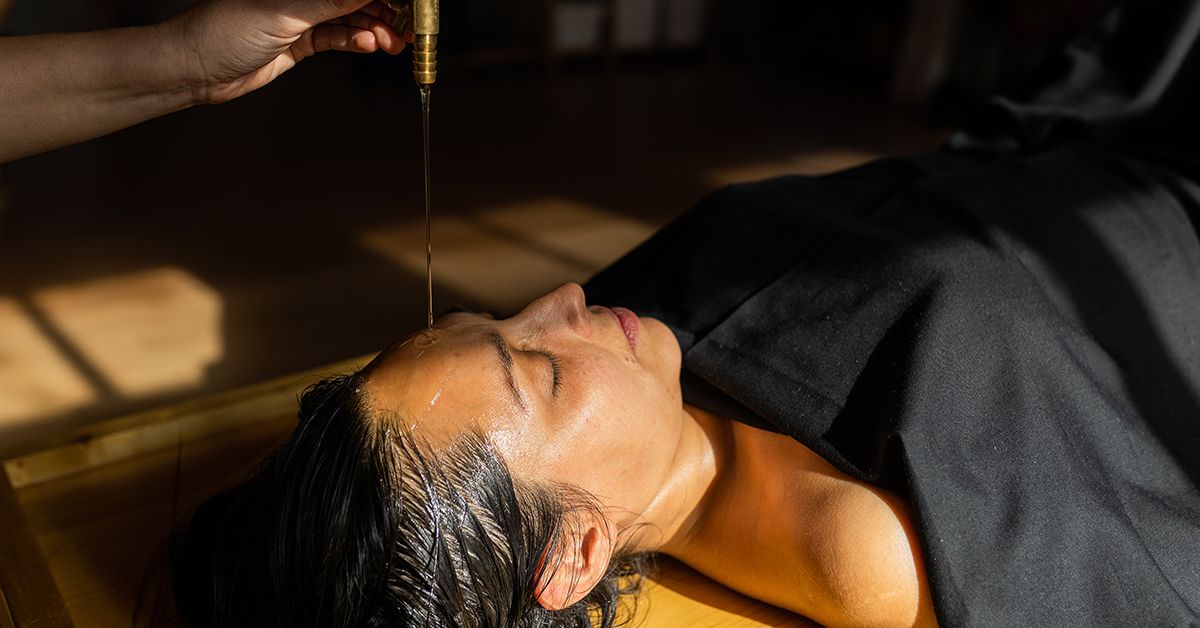
Some Ayurvedic clinics offer intensive cleansing regimens (panchakarma). Evidence for psoriasis-specific benefit is limited, protocols vary widely, and these programs can be expensive and physically demanding. “Detox” is also a marketing word that can mean almost anythingsometimes including practices that aren’t appropriate for everyone.
So…Does Ayurvedic Treatment Work for Psoriasis?
The honest answer: Ayurveda may help some people manage symptoms and triggers, but high-quality evidence for Ayurveda as a complete psoriasis treatment is limited. The best-supported pieces often overlap with broader integrative medicine: stress reduction, healthier routines, weight management when relevant, and certain supplements or topical ingredients that have been studied outside of “Ayurveda” as a label.
What the evidence tends to look like
Research on Ayurvedic regimens for psoriasis includes a mix of small studies, varying treatment protocols, and case reports. That makes it hard to draw clean conclusions. A single person improving on a complex program is encouraging, but it doesn’t prove which component helpedor whether it would help you.
That said, some individual ingredients commonly used in Ayurvedic contexts have research interest:
Curcumin (from turmeric): promising, not a cure
Curcumin is one of the more-discussed natural compounds for psoriasis. It has anti-inflammatory properties and has been explored in studies for plaque severity and symptom improvement. The catch: curcumin has absorption issues (your body isn’t always great at taking it in), formulations vary, and results aren’t uniform. Think of it as “potentially helpful for some people,” not “turmeric will delete psoriasis from your life.”
Aloe vera: soothing potential, mild effects
Aloe is more about comfort than immune remodeling. Some people find aloe-based topicals reduce dryness, irritation, and scaling. If a product is gentle and you’re not sensitive to it, aloe can fit into a supportive skincare routineespecially alongside proven psoriasis treatments.
Mind-body support: stress isn’t the cause, but it’s a powerful amplifier
Stress doesn’t “cause” psoriasis in the simplistic sense, but it can absolutely intensify flares. Practices like yoga, meditation, and improved sleep hygiene may reduce flare frequency or severity for some peopleespecially when combined with medical therapy.
Diet and weight: not a miracle switch, but sometimes meaningful
No single “psoriasis diet” works for everyone, but overall dietary quality can influence inflammation and comorbid risks. If weight is a factor, even modest weight reduction can improve response to treatment for some people. Also, identifying personal triggerslike heavy alcohol use or certain foods that consistently worsen symptomscan be useful. The key is to avoid extreme restriction that trades one health problem for another.
Bottom line: Ayurveda may contribute as an adjunctsupporting lifestyle, stress management, and symptom reliefwhile medical therapy handles the heavy lifting of immune control.
Important Safety Reality Check (a.k.a. “Natural” Can Still Punch You in the Kidneys)
This section is not here to ruin your vibe. It’s here because safety is part of effectiveness. If something “works” but also introduces heavy metal exposure or dangerous interactions, that’s not a winthat’s a plot twist.
1) Heavy metals and contamination risks
Some Ayurvedic products have been found to contain harmful levels of heavy metals like lead, mercury, and arsenic. Contamination can happen through poor manufacturing, environmental exposure, ormore concerningintentional inclusion in certain traditional preparations (often discussed as rasa shastra). In the U.S., regulators have issued warnings about unapproved Ayurvedic drug products associated with heavy metal poisoning. In plain terms: you cannot assume an imported or online herbal product is safe just because it’s labeled “Ayurvedic.”
2) Herb–drug interactions are real
Psoriasis treatments can include topical steroids, vitamin D analogs, phototherapy, systemic medications, and biologics. Herbs and supplements can interact with other medicines (for example, by affecting bleeding risk, liver metabolism, or immune activity). If you’re on any systemic psoriasis therapy, or you have other health conditions, you should treat “natural supplements” like you’d treat prescription meds: with respect and a quick safety check.
3) Delaying proven treatment can backfire
Some people try alternative approaches instead of medical care, especially when they’re frustrated or worried about side effects. But uncontrolled psoriasis can worsen, crack and bleed, get infected, or progress to more severe disease. If you have joint pain, nail changes, widespread plaques, or severe itch that destroys sleep, it’s time to get medical supportnot just another jar of mystery paste.
How to Try Ayurveda for Psoriasis (More Safely) Without Quitting Science
If you’re curious about Ayurveda, you don’t have to choose between “all-in” and “nope.” The safest approach is usually integrative: keep evidence-based psoriasis care in place, add low-risk supportive measures, and monitor results like an adult with a spreadsheet (or at least a notes app).
Smart, practical steps
- Tell your dermatologist what you’re using or consideringespecially supplements and oral herbs.
- Start with low-risk additions: moisturizers, gentle bathing, stress reduction, sleep routines, and a balanced diet.
- Be picky about products: choose reputable brands with third-party testing when possible. Avoid products that list metals or have vague ingredient labeling.
- Avoid extreme “detox” plans that cause dehydration, electrolyte problems, or nutritional deficits.
- Patch test topicals before slathering a new product over large areas (irritation can worsen plaques).
- Track outcomes: take photos in consistent lighting weekly, note itch, sleep, and stress. Psoriasis can be sneaky; data helps.
Think of it like adding supportive players to your team. Medical therapy may be the quarterback; lifestyle and gentle integrative practices can be the offensive line that keeps things stable.
Where Conventional Treatment Fits In (Because It Still Matters)
Even if you’re exploring Ayurveda, it helps to know what standard care typically includes so you can combine approaches intelligently.
For mild psoriasis
Many people do well with topical treatments (like corticosteroids, vitamin D analogs, or other prescription creams) plus consistent moisturizing and trigger management.
For moderate to severe psoriasis
Options can include phototherapy, systemic medicines (like methotrexate, cyclosporine, or oral retinoids), and biologics that target specific immune pathways. These can be life-changing for many patients and are often part of modern best-practice care.
Ayurvedic and integrative practices are most sensible as support to these therapieshelping you manage stress, sleep, nutrition, and skincare routines that make flares less frequent and treatment more tolerable.
Frequently Asked Questions
Can Ayurveda cure psoriasis permanently?
There’s no confirmed cure for psoriasis at this time. Some people achieve long remissions with medical therapy, lifestyle changes, or a combinationbut psoriasis can be chronic and relapsing. Be wary of anyone promising a guaranteed cure.
Is turmeric worth trying?
Curcumin has some research interest for psoriasis, and many people try it. But quality, dose, absorption, and interactions matter. If you’re on blood thinners, have gallbladder issues, or take other medications, talk to a clinician before starting supplements. Also: turmeric in food is not the same as high-dose curcumin capsules.
What about Panchakarma?
Evidence is limited, and safety depends heavily on the specific protocol and your health status. If you’re considering an intensive program, discuss it with your healthcare provider first and avoid any clinic that can’t clearly explain ingredients, hygiene standards, and safety precautions.
Is it okay to use Ayurvedic oils on plaques?
Sometimes, gentle oils can help with dryness, but psoriasis skin can be reactive. Patch test first, avoid fragranced products, and don’t apply unknown mixtures to broken skin. If a topical burns, itches more, or worsens redness, stop and reassess.
Real-World Experiences: What People Report About Ayurveda for Psoriasis (Plus What to Learn From It)
Let’s talk about the part that doesn’t fit neatly into clinical trial spreadsheets: real life. When people try Ayurveda for psoriasis, the experience is often less “instant transformation montage” and more “slow, awkward progress with occasional plot twists.” Here are patterns commonly reported by patients in integrative care settings and psoriasis communitiespresented as generalized experiences, not guarantees.
1) The “I finally feel in control” effect. Many people love that Ayurveda emphasizes daily routinesmeal timing, sleep, stress management, and mindful movement. Even if plaques don’t vanish overnight, having a structure can reduce anxiety and help people stay consistent with skincare and medical treatment. Psoriasis can feel unpredictable; routines create a sense of control.
2) Improvements in itch and dryness often come first. Before plaques visibly shrink, people sometimes notice better comfort: less tightness, less flaking, fewer “my skin is made of sandpaper” days. This often happens when they become diligent about moisturizing, avoiding harsh soaps, and using gentle topicals like aloe-based products. It’s not dramatic, but it’s meaningfulespecially for sleep.
3) Dietary changes can help…or create stress that flares psoriasis. Some people identify clear triggers (alcohol, heavy processed foods, late-night eating) and see fewer flares when they adjust. Others swing too hard into restrictive eating, which adds stress, social isolation, and nutrient issuesthen psoriasis flares anyway. The best experiences tend to come from sustainable changes: more whole foods, fewer inflammatory habits, and realistic flexibility.
4) The supplement “trial-and-error spiral” is common. A lot of people try turmeric/curcumin, herbal blends, and “skin detox” powders. Some report mild improvement; many report nothing; a few report side effects like stomach upset. The biggest frustration is inconsistency: different brands, doses, and formulations can behave like completely different products. People who do best typically add one supplement at a time, track changes for several weeks, and stop anything that causes new problems.
5) Safety concerns are the quiet dealbreaker. Occasionally, someone discovers a supplement wasn’t well regulated, had unclear labeling, or came from a questionable source online. Integrative-minded clinicians often hear the same refrain: “I wanted something natural, but I didn’t want to gamble.” People who stick with Ayurveda long-term usually become very selectivechoosing reputable sources, avoiding products with unknown metal content, and keeping their dermatologist in the loop.
6) The best outcomes usually come from “both/and,” not “either/or.” The most encouraging stories tend to involve combining evidence-based psoriasis treatment with supportive practices: consistent skincare, stress reduction, movement, better sleep, and careful nutrition. Ayurveda becomes part of a lifestyle frameworknot a substitute for medical care. In other words, many people don’t “choose Ayurveda over dermatology.” They choose a smarter system where both can coexist.
Conclusion: Does It Work?
Ayurveda may help psoriasis in ways that mattersupporting stress reduction, healthier routines, and symptom comfortespecially when used as part of an integrative plan. But as a stand-alone “treatment,” evidence is limited, results vary, and safety concerns (including heavy metal contamination and herb–drug interactions) are real.
If you’re curious, the safest path is simple: keep proven psoriasis treatment, add low-risk supportive practices, choose products carefully, and involve your clinician. You don’t need to pick a team. You just need a plan that helps your skin and protects your health.

