
Skincare
How to Grow and Care for Rugosa Roses
Jul
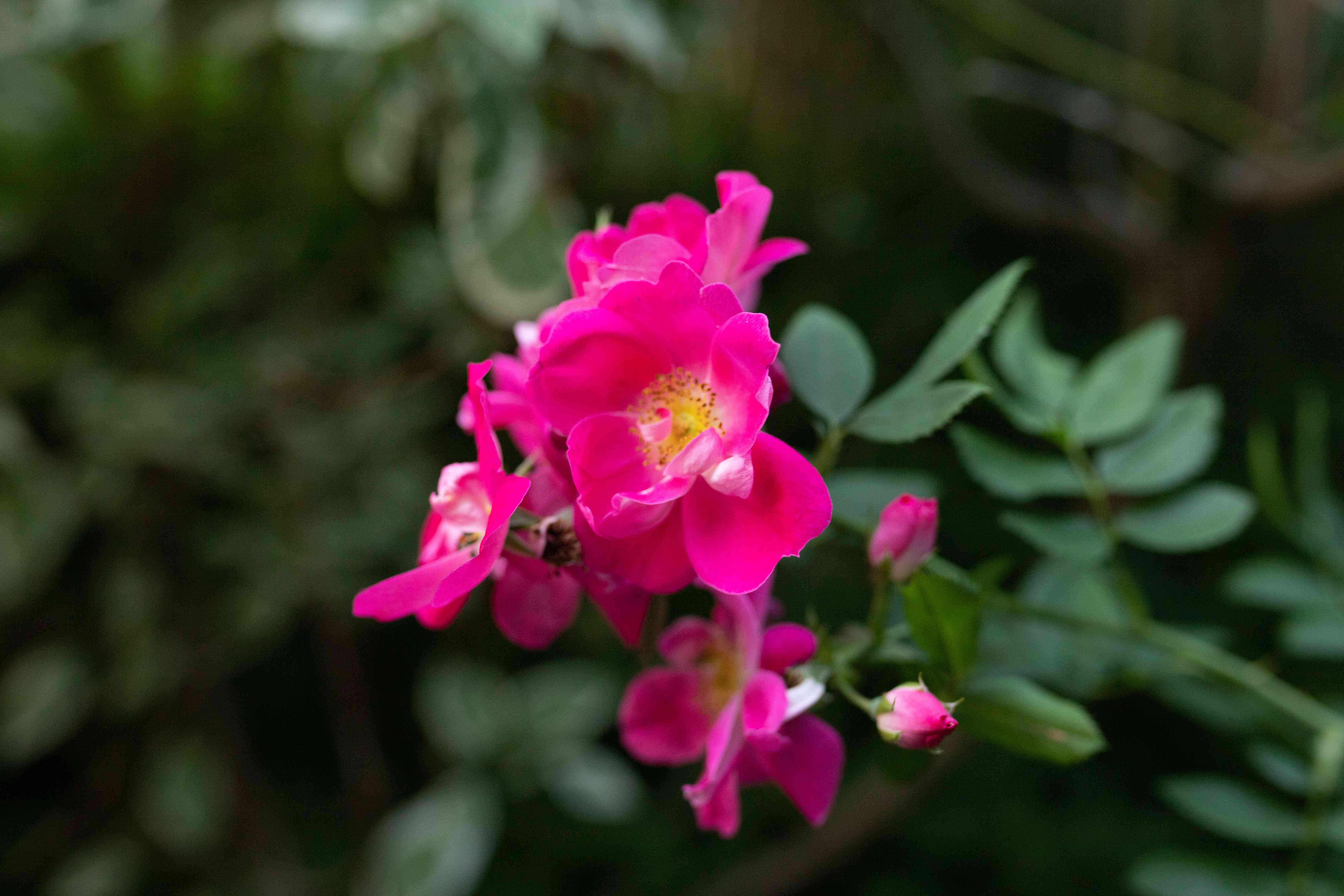
Some roses demand the gardening equivalent of a daily spa appointment. Rugosa roses do not. These tough, fragrant, gloriously thorny shrubs are the rugged overachievers of the rose world. They can handle cold winters, salty breezes, sandy soils, and a little neglect without collapsing into a dramatic heap. If you want a rose that looks romantic but behaves more like a reliable landscape shrub, rugosa rose is the plant you have been waiting for.
Known for their wrinkled leaves, spicy-sweet fragrance, large flowers, and plump red hips, rugosa roses bring beauty to the garden from late spring into fall. They also make excellent hedges, informal screens, wildlife-friendly plantings, and low-fuss foundation accents. The trick is not pampering them too much. In fact, many rugosa roses perform best when gardeners stop trying to treat them like delicate hybrid tea roses and instead let them be the sturdy shrubs they were born to be.
This guide covers everything you need to know about how to grow and care for rugosa roses, from choosing the right site and planting them properly to pruning, feeding, and avoiding the mistakes that make these easy roses harder than they need to be.
What Makes Rugosa Roses Different?
Rugosa roses, often called Rosa rugosa or beach roses, are shrub roses native to eastern Asia that have earned a loyal following in American gardens. Their name comes from their deeply textured, wrinkled foliage. Once you see the leaves, you will understand the name immediately. They look like nature ironed them in a hurry and then gave up halfway through.
What gardeners love most is their toughness. Rugosa roses are generally more tolerant of cold, wind, salt spray, poor soils, and disease than many classic garden roses. They usually grow on their own roots, which means that if winter knocks them back, they often recover true to type from the base instead of sending up odd, unwanted rootstock growth.
They also have a relaxed, shrubby habit. Most varieties grow into rounded or spreading plants with arching canes and enough prickles to make deer, burglars, and careless gardeners think twice. Flowers are typically pink, magenta, white, or rose-purple, followed by showy orange-red to tomato-red hips that add fall and winter interest.
Best Growing Conditions for Rugosa Roses
Give Them Full Sun
If you want good flowering, sturdy growth, and fewer disease problems, plant rugosa roses in full sun. A site with at least six hours of direct sun per day is the sweet spot. Morning sun is especially helpful because it dries the leaves quickly after dew or rain, which lowers the odds of fungal trouble.
Can rugosa roses survive with less sun? Sometimes, yes. Will they bloom as generously and stay as healthy? Usually not. A sulking rose in shade is still a rose, but it is not living its best life.
Choose Well-Drained Soil
Rugosa roses are adaptable, but they still hate sitting in soggy soil. They prefer moist, well-drained ground with plenty of organic matter, though they can tolerate sandy, leaner soils better than many other roses. Slightly acidic to neutral soil is ideal, but established plants are not especially fussy.
If your yard has heavy clay, improve drainage before planting by mixing compost into a broad area, not just the hole. Raised beds or gently mounded planting areas can also help. Roses do not appreciate “wet feet,” and rugosas are tough, not magical.
They Shine in Tough Spots
One reason gardeners love rugosa roses is that they succeed where many roses complain. They are famous for tolerating salt spray and coastal conditions, making them a solid choice for seaside landscapes. They also handle wind and cold better than fussier rose types. Once established, they can tolerate periods of dryness, though they bloom and look better with regular moisture.
How to Plant Rugosa Roses
When to Plant
Plant rugosa roses in spring or fall when temperatures are moderate. In colder climates, spring planting gives roots time to settle in before winter. In milder regions, fall planting lets shrubs establish without summer heat stress.
How Far Apart to Space Them
Spacing matters more than impatient gardeners want it to. Rugosa roses need room for air circulation and room to be themselves. Depending on the variety, space plants about 4 to 6 feet apart for an informal hedge, or farther if you want each shrub to stand on its own. Crowding increases humidity around the foliage and makes pruning a thorny chore in every sense.
Planting Steps
- Dig a hole wider than the root ball and about as deep as the plant was growing in its pot.
- Loosen the surrounding soil so roots can move outward more easily.
- Mix compost into the backfill if your soil is poor, compacted, or heavy.
- Set the plant so the crown sits at the same level it was in the container.
- Backfill gently, firm the soil, and water thoroughly to settle everything in.
- Add 2 to 3 inches of mulch, keeping it a few inches away from the canes.
If you are planting bare-root stock, soak the roots before planting and spread them naturally in the hole instead of cramming them into a tight spiral. Roses like a good start, not root origami.
How to Care for Rugosa Roses Through the Seasons
Watering
Newly planted rugosa roses need regular watering while they establish. Deep watering once or twice a week is better than a daily sprinkle. Deep irrigation encourages roots to grow downward, which helps the shrub handle heat and dry spells later.
Established plants are more drought tolerant, but they still appreciate about an inch or two of water per week during active growth, especially in hot weather. Water at the base rather than overhead whenever possible. Wet leaves plus warm weather is an open invitation to fungal issues.
Mulching
Mulch is one of the simplest ways to keep rugosa roses healthy. A 2- to 3-inch layer of shredded bark, leaf mold, pine bark, or compost helps conserve moisture, reduce weeds, buffer soil temperatures, and keep mud from splashing onto leaves. That last point matters because soil splash can spread disease spores.
Fertilizing
Rugosa roses are not heavy feeders. In fact, overfeeding can lead to lush, floppy growth that is more vulnerable to problems. A modest application of balanced rose fertilizer or compost in spring is often enough. If your plant looks healthy, blooms well, and makes steady growth, do not assume it needs more food just because the fertilizer bag looks lonely.
A second light feeding in early summer may help in poor soils, but stop fertilizing by late summer so new growth has time to harden off before winter. Feeding too late in the season can encourage tender shoots that cold weather will punish immediately.
Deadheading and Rose Hips
If you remove spent flowers, many rugosa roses will continue blooming more neatly through the season. But here is the fun twist: if you stop deadheading later in the year, the plant will form those large, bright hips that make rugosas so attractive in fall. The hips also feed birds and can be used in jellies, teas, and syrups if properly prepared.
So the choice is yours. More tidy repeat bloom, or colorful hips and extra seasonal interest. Rugosa roses are generous enough to reward either strategy.
How to Prune Rugosa Roses Without Starting a Thorn-Filled Argument
This is where many gardeners go wrong. Rugosa roses generally do not need the severe pruning often used on hybrid teas. They are shrub roses, and they usually look best with a lighter hand.
When to Prune
Prune in late winter or early spring before vigorous new growth begins. At that point, it is easier to see the structure of the shrub and remove anything clearly dead, damaged, diseased, or crossing.
How to Prune
- Remove dead or winter-killed wood back to healthy tissue.
- Cut out weak, spindly, or rubbing canes.
- Thin a few of the oldest canes at ground level every year or two to renew the shrub.
- Lightly shorten overly long shoots if you need to shape the plant.
That is usually enough. Rugosa roses often bloom and perform best when allowed to keep their natural form. Shearing them into stiff little meatballs may satisfy your inner neat freak, but it usually ruins their graceful habit and reduces flower quality.
If your plant is old, overgrown, or neglected, rejuvenation pruning can help. Remove a portion of the oldest canes at the base over one to three seasons rather than scalping the whole shrub at once. Wear gauntlet gloves, long sleeves, and the emotional resilience of a person who has met rose prickles before.
Common Problems and How to Prevent Them
Black Spot and Other Diseases
Rugosa roses are often described as disease resistant, and compared with many roses, that is true. But “resistant” does not mean “invincible.” In humid conditions or poor sites, they can still develop black spot, powdery mildew, or general leaf decline.
To prevent trouble:
- Plant in full sun.
- Give shrubs enough spacing for airflow.
- Water at soil level, not over the foliage.
- Clean up fallen leaves and infected debris.
- Prune out diseased stems and sanitize tools when needed.
In many home landscapes, good sanitation and proper siting solve most problems before sprays are ever needed. Start with culture first. It is less expensive, less annoying, and requires fewer conversations with a spray bottle.
Insects
Aphids, mites, thrips, and Japanese beetles may show up from time to time, depending on your region. Most healthy rugosa roses can tolerate a little insect feeding without drama. A strong blast of water, hand removal, or simply waiting for beneficial insects to do their jobs is often enough for mild infestations.
Suckering and Spread
Rugosa roses naturally spread by suckers, which is part of what makes them excellent hedges and thicket-forming shrubs. But if you wanted a tidy, polite little plant that stays exactly where you put it, this may come as a surprise.
Remove unwanted suckers with a sharp spade if you need to control spread. If you are planting near sidewalks, tight borders, or formal beds, plan ahead and give the plant room. Rugosa roses are charming, but they are not especially interested in staying inside imaginary lines.
Important Caution: Check Local Invasive Concerns
Before planting rugosa roses, especially near coastal dunes, beaches, natural shorelines, or open wild areas, check your state or local extension guidance. In some regions, rugosa rose has escaped cultivation and become invasive. That does not make it a bad garden plant everywhere, but it does mean responsible planting matters.
If your area flags rugosa rose as invasive or potentially invasive, consider choosing a different tough shrub rose instead. Good gardening is not just about what survives in your yard. It is also about what stays in your yard.
Best Uses for Rugosa Roses in the Landscape
- Informal hedges: Dense, thorny growth makes a beautiful flowering barrier.
- Coastal gardens: Excellent salt tolerance makes them useful near the sea.
- Wildlife gardens: Flowers attract pollinators, and hips feed birds.
- Cottage gardens: Their old-fashioned blooms fit right in.
- Low-maintenance plantings: Ideal for gardeners who want beauty without babying.
- Erosion-prone or sandy sites: Their toughness makes them valuable where other shrubs struggle.
Common Mistakes to Avoid
Planting in shade: You will get fewer blooms, weaker growth, and more disease.
Over-pruning: Rugosas do not need to be hacked back hard every year.
Overfeeding: Too much fertilizer can create soft growth and unnecessary maintenance.
Ignoring spread: These shrubs can sucker and widen over time.
Planting near natural areas without checking regulations: In some places, that is asking for trouble.
Handling them casually: Those prickles are not decorative suggestions.
Final Thoughts
If you have ever wanted roses without the reputation for endless fussing, rugosa roses are one of the smartest choices you can make. They offer fragrance, flowers, hips, fall color, and serious toughness in one shrub. Give them sun, drainage, moderate water while they establish, and restrained pruning, and they will usually reward you with years of dependable performance.
More than anything, rugosa roses teach a useful gardening lesson: the best plant for your yard is not always the flashiest one in the catalog. Sometimes it is the sturdy, fragrant shrub that shrugs off winter, laughs at salty wind, and still finds time to bloom like it is showing off. Honestly, that is the kind of confidence most gardens could use.
Real-World Gardening Experiences With Rugosa Roses
One of the most common experiences gardeners share about rugosa roses is surprise. Not because the flowers are disappointing, but because the plants are so much easier than people expect a rose to be. Many gardeners approach their first rugosa rose with the emotional baggage of modern roses: fears about black spot, endless spraying, complicated pruning diagrams, and the possibility of spending every Saturday morning in a thorn-related dispute. Then the rugosa starts growing, blooming, and generally minding its business with far less intervention than expected.
Another frequent observation is how dramatically location affects performance. Gardeners who plant rugosas in open sun often describe dense foliage, stronger bloom, and better hip production. Those who tuck them into part shade because there was “a little room over there” usually end up with a lankier plant and fewer flowers. Rugosa roses are forgiving, but they are still roses, and roses are much happier when they are not trying to bloom in what is basically dim office lighting.
Experienced growers also notice that rugosa roses tend to become more attractive with age when they are not over-managed. In the first year, a plant may look a bit sparse or awkward while settling in. By the second or third year, it often fills out into a broad, handsome shrub that looks substantial in the landscape. Gardeners who resist the urge to over-prune usually end up happiest. Instead of forcing the plant into a formal shape, they let it develop its natural arching habit and simply remove the occasional old cane. The result looks healthier, flowers better, and feels far less stressful to maintain.
There is also the matter of the hips, which many first-time growers do not fully appreciate until fall arrives. Plenty of gardeners start the season focused on bloom color and fragrance, then become unexpectedly attached to the big red hips later in the year. The shrub suddenly shifts from summer rose to autumn ornament without missing a beat. In mixed borders, this extended season of interest becomes one of the plant’s biggest advantages. Even when the flowers pause, the foliage and fruit keep the shrub visually useful.
Of course, the prickles become part of the experience too. Gardeners quickly learn to respect them. Rugosa roses are wonderful near property lines, along roads, or in places where you want a durable barrier, but they are not ideal planted where people squeeze past in shorts carrying groceries. More than one gardener has looked at a mature rugosa and thought, “Beautiful hedge,” immediately followed by, “I should not have put that next to the hose bib.”
Finally, many gardeners come away from rugosa growing with a deeper appreciation for choosing the right plant for the right place. In cold climates, windy spots, sandy soils, or coastal sites, rugosa roses often outperform fussier roses by a mile. They may not have the exhibition form of a florist rose, but they bring something better to ordinary landscapes: resilience. And in real gardens, resilience is often what turns a pretty plant into a beloved one.

