
Skincare
How to Make the Filthiest Dirty Martini
Jun
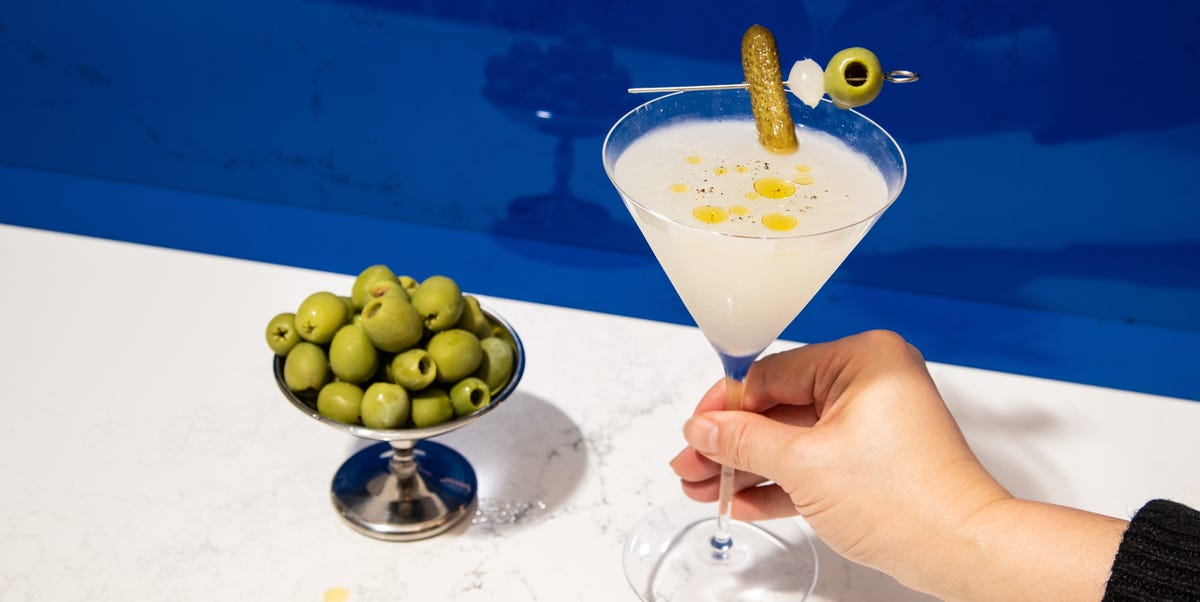
Some cocktails arrive wearing a tuxedo. The dirty martini arrives in the same tuxedo, but with olive brine on the cuff and absolutely no apology. It is cold, sharp, salty, savory, and just dramatic enough to make a bowl of mixed nuts feel underdressed. If a classic martini is a whispered secret, the filthiest dirty martini is that same secret shouted confidently across a steakhouse bar.
This guide shows you how to make a dirty martini that is not merely “a little dirty,” not “politely briny,” and certainly not “olive-adjacent.” We are making the filthiest dirty martini: bold with olive brine, balanced with dry vermouth, icy enough to fog the glass, and garnished like it knows it is the main event. The goal is not to dump jar juice into vodka and hope for the best. The goal is controlled chaos: maximum savory flavor without turning the drink into cold soup from the condiment shelf.
Whether you prefer gin or vodka, shaken or stirred, blue cheese olives or classic pimento-stuffed beauties, this article will help you build a dirty martini recipe that tastes intentional, luxurious, and just a little scandalous.
What Makes a Dirty Martini “Dirty”?
A dirty martini is a martini made with gin or vodka, dry vermouth, and olive brine. That olive brine is the “dirty” part. It clouds the drink slightly, adds salt, brings umami, and turns the martini from crisp and austere into savory, snackable, and dangerously easy to crave.
A classic dirty martini often uses about 2 1/2 ounces of gin or vodka, 1/2 ounce dry vermouth, and 1/2 ounce olive brine. That is a reliable starting point. But for the filthiest version, we increase the brine, choose olives with personality, and pay extra attention to temperature and dilution. A dirty martini should taste cold, clean, and brinynot warm, oily, or muddy.
The Filthiest Dirty Martini Recipe
Ingredients for One Cocktail
- 2 1/2 ounces vodka or London dry gin
- 1/2 ounce dry vermouth
- 1 ounce high-quality green olive brine
- 1 small splash chilled filtered water, optional, if batching or using freezer-cold spirits
- 3 green olives for garnish
- Ice, preferably large, fresh cubes
Optional Filthy Upgrades
- 1 bar spoon brine from blue cheese-stuffed olives
- 1 dash orange bitters for aromatic lift
- 1 tiny pinch MSG or a drop of saline solution for extra umami
- 1 lemon peel expressed over the glass, then discarded
- 1 caperberry, cocktail onion, or anchovy-stuffed olive for a savory garnish twist
Instructions
- Chill your martini glass in the freezer for at least 10 minutes. A warm glass is where martinis go to question their life choices.
- Fill a mixing glass or cocktail shaker with ice.
- Add vodka or gin, dry vermouth, and olive brine.
- Stir for 25 to 35 seconds for a silky, clear drink. Shake for 12 to 15 seconds if you want a colder, cloudier, more aggressive dirty martini.
- Strain into the chilled glass.
- Garnish with three olives on a cocktail pick. Three looks intentional. Two looks like one escaped.
- Serve immediately while the drink is arctic, glossy, and emotionally unavailable.
Gin or Vodka: Which Is Better for a Filthy Dirty Martini?
Vodka gives you a cleaner canvas. It lets the olive brine take the spotlight and is often the best choice for people who want their dirty martini extra dirty, extra cold, and extra direct. A good vodka dirty martini tastes like a chilled, briny bladesmooth, salty, and simple.
Gin brings more complexity. London dry gin adds juniper, citrus peel, herbs, and spice, which can stand up beautifully to olive brine. If you want your martini to taste like a proper cocktail rather than a very glamorous olive delivery system, gin is the move. The botanicals create tension with the brine, and that tension is where the magic lives.
For the filthiest dirty martini, vodka is the easy crowd-pleaser. Gin is the connoisseur’s choice. Both are correct. The only wrong option is using a spirit you would not drink on its own. A martini has nowhere to hide bad liquor. It is basically a glass house with olives.
The Brine Is the Boss
Olive brine makes or breaks the drink. Cheap, harsh, metallic brine can bully the cocktail until it tastes like someone rinsed a salt lick in rubbing alcohol. Good brine tastes round, green, savory, and pleasantly salty. Look for brine from quality green olives such as Castelvetrano, Manzanilla, Cerignola, or Gordal olives.
Avoid olives packed in oil for martinis. Oil can create an unpleasant slick on top of the drink and interfere with the texture. Brine should be salty and clean, not greasy. If the jar smells fresh and appetizing, you are in good shape. If it smells like the back of a refrigerator with trust issues, retire it.
How Much Olive Brine Should You Use?
Here is a practical brine scale:
- Lightly dirty: 1/4 ounce olive brine
- Classic dirty: 1/2 ounce olive brine
- Extra dirty: 3/4 ounce olive brine
- Filthy: 1 ounce olive brine
- Unhinged but lovable: 1 1/4 ounces olive brine
For balance, 1 ounce is the sweet spot for the filthiest dirty martini that still tastes like a cocktail. More than that can be fun, but the drink may start moving from “savory masterpiece” to “olive aquarium.” Proceed with courage and a measuring jigger.
Dry Vermouth: Do Not Skip It
Many dirty martini drinkers want to skip vermouth entirely, but dry vermouth matters. It adds herbal, floral, and slightly wine-like notes that help the spirit and brine make friends. Without vermouth, a dirty martini can taste flat: just cold booze and salt. With vermouth, the cocktail gains shape.
Use fresh dry vermouth and store it in the refrigerator after opening. Vermouth is wine-based, which means it oxidizes over time. If your vermouth has been sitting above the stove since the last presidential administration, it is not adding sophistication. It is adding regret.
For a filthy dirty martini, use 1/2 ounce dry vermouth. If you want the drink drier, reduce it to 1/4 ounce. If you want a softer, wetter, more aromatic martini, increase it to 3/4 ounce. The filthier the brine, the more useful vermouth becomes for balance.
Shaken or Stirred?
Classic martini wisdom says stir. Stirring chills and dilutes the drink while keeping the texture silky and clear. This is ideal if you are using gin, good vermouth, and elegant brine. Stirring says, “I know what I am doing.”
Shaking chills the drink quickly, adds more dilution, and creates a cloudy, lively texture. Many vodka dirty martini drinkers love shaking because it makes the cocktail feel colder and more forceful. Shaking says, “I also know what I am doing, but I brought drama.”
For the filthiest dirty martini, either method works. Stir if you want refinement. Shake if you want the drink to kick open the door wearing sunglasses indoors.
How to Make Homemade Dirty Martini Brine
If you want a truly custom filthy martini, make your own brine. Homemade brine lets you control salt, acidity, herb flavor, and umami. Start with good green olives and build around them.
Simple Homemade Martini Brine
- 1 cup green olives
- 1/2 cup water
- 1/4 cup dry vermouth
- 2 tablespoons white wine vinegar or sherry vinegar
- 1 teaspoon kosher salt
- 1 strip lemon peel
- 3 black peppercorns
- Optional: small pinch MSG, thyme sprig, chile flake, or kombu
Combine everything in a clean jar, refrigerate overnight, and taste the next day. It should be salty, bright, and savory. Use within about a week for the freshest flavor. This brine gives your dirty martini more dimension than standard jar liquid and makes you feel like the kind of person who owns both a bar spoon and boundaries.
The Best Olives for a Dirty Martini
The garnish is not decoration. It is the edible closing argument. Choose olives that match the mood of your drink.
Castelvetrano Olives
Buttery, mild, and bright green, Castelvetrano olives are excellent for people who want brine without harshness. They make a dirty martini feel plush and modern.
Manzanilla Olives
Classic pimento-stuffed Manzanilla olives deliver that familiar steakhouse martini flavor. They are salty, accessible, and perfect for a traditional dirty vodka martini.
Cerignola Olives
Large and meaty, Cerignola olives make a dramatic garnish. They are ideal when you want your martini to arrive with the confidence of a seafood tower.
Blue Cheese-Stuffed Olives
These are divisive, powerful, and frankly a little ridiculousin other words, perfect for the filthiest dirty martini. Use them when you want creaminess, funk, and a snack built into the drink.
Common Dirty Martini Mistakes
Using Warm Ingredients
A martini must be cold. Chill the glass, use plenty of ice, and keep vodka or gin in the freezer if you like an extra-frosty drink.
Using Old Vermouth
Dry vermouth should taste fresh, not tired. Refrigerate it and replace it regularly.
Adding Too Much Bad Brine
More brine is only better when the brine is good. If the brine tastes harsh alone, it will taste harsh in the cocktail.
Forgetting Dilution
Dilution is not weakness. It is structure. Stirring or shaking with ice smooths the alcohol and integrates the brine. A martini without proper dilution can taste hot and jagged.
How to Batch Filthy Dirty Martinis for a Party
Dirty martinis are excellent for batching because they are spirit-forward and do not rely on fresh citrus. For eight servings, combine:
- 20 ounces vodka or gin
- 4 ounces dry vermouth
- 8 ounces olive brine
- 3 to 4 ounces chilled water
Pour into a clean bottle or pitcher and freeze for at least three hours. The water accounts for the dilution you would normally get from stirring with ice. Serve directly into chilled glasses and garnish each drink with olives. This method is dangerous in the best way: no shaker traffic jam, no melting ice puddle, no host trapped in the kitchen while everyone else becomes charming.
What to Serve With the Filthiest Dirty Martini
A filthy dirty martini loves salty, rich, and savory foods. Serve it with blue cheese, oysters, shrimp cocktail, potato chips, roasted almonds, deviled eggs, anchovy toast, cheeseburgers, steak, or a very cold wedge salad. The drink’s salt and acidity cut through fat beautifully, which is why it feels so natural beside steakhouse classics.
It also works with simple snacks. A bowl of good olives, kettle chips, and sharp cheddar can turn one dirty martini into a tiny cocktail hour with main-character energy.
Responsible Serving Note
A martini is not a low-alcohol cocktail. In the United States, 1.5 ounces of 80-proof spirits is considered one standard drink, and many martinis contain more than that. Serve filthy dirty martinis slowly, with food, and only to adults of legal drinking age. The drink may be dirty, but the hosting should be clean.
Experience Notes: What Making the Filthiest Dirty Martini Teaches You
The first thing you learn when making a truly filthy dirty martini is that “dirty” is not one flavor. It is a spectrum. A quarter ounce of brine whispers. A half ounce speaks clearly. One ounce walks into the room, puts its keys on the table, and starts rearranging the furniture. That is why measuring matters. The difference between extra dirty and wildly salty can be one enthusiastic splash from the olive jar.
The second lesson is that temperature forgives many sins. A dirty martini served ice-cold tastes polished, even when it is bold. The same drink served slightly warm tastes heavy and awkward. Chilling the glass feels fussy until you skip it once and realize the martini has lost its tuxedo jacket. Freezer-cold spirits, fresh ice, and a properly chilled glass are not optional flourishes. They are the stage crew making the star look effortless.
The third lesson is that garnish changes the whole personality of the cocktail. A simple pimento olive keeps the drink classic and nostalgic, like an old-school hotel bar with brass lamps. Castelvetrano olives make it softer and more elegant. Blue cheese-stuffed olives turn it into a full savory event. Add three of them and suddenly the cocktail is also an appetizer, a conversation topic, and possibly a minor dairy commitment.
Another useful experience is tasting brine before using it. This sounds obvious, but many people treat olive brine as a background ingredient. It is not. In the filthiest dirty martini, brine is practically a co-star. Some brines are clean and bright. Others are aggressively salty, garlicky, metallic, or weirdly flat. If the brine tastes good from a spoon, it will probably behave well in the glass. If it makes you blink twice and reconsider your hobbies, use less or choose another jar.
Stirring versus shaking also becomes a matter of mood. Stirred dirty martinis feel smoother and more composed. They are excellent with gin, where botanical notes deserve room to breathe. Shaken dirty martinis feel colder, louder, and more barroom-fun. They are perfect for vodka and extra brine. Neither method is morally superior, despite what certain martini philosophers may imply after their second drink. The best method is the one that gives you the texture you want.
Finally, making filthy dirty martinis teaches restraint in a funny way. Yes, the whole point is to be bold. But the best version is not the saltiest possible drink. It is the most flavorful drink that still has balance. Spirit, vermouth, brine, water, and garnish all need to show up. When they do, the result is electric: cold, savory, elegant, and a little outrageous. That is the beauty of the dirty martini. It proves that sophistication and snack energy can absolutely share the same glass.
Conclusion
The filthiest dirty martini is not made by accident. It comes from good spirit, fresh vermouth, quality olive brine, serious chilling, and enough garnish to make the glass look pleased with itself. Start with 2 1/2 ounces gin or vodka, 1/2 ounce dry vermouth, and 1 ounce olive brine. Then adjust from there. Want it cleaner? Reduce the brine. Want it softer? Add a touch more vermouth. Want it outrageous? Bring in blue cheese olives, homemade brine, or a tiny umami boost.
Above all, make it cold, make it balanced, and make it yours. A filthy dirty martini should taste like confidence with a salty wink.

