
Beauty Unlocked
How to Drive Your Hybrid in California Carpool Lanes
Jun
California carpool lanes have always had a certain magic. You see the diamond symbol, the traffic in the regular lanes begins to ooze forward like cold syrup, and suddenly the far-left lane looks like a private runway for people who made better life choices. For years, hybrid and clean-air vehicle owners had an extra reason to smile: a Clean Air Vehicle decal that allowed some qualifying cars to use high-occupancy vehicle lanes with only one person inside.
But here is the important update: that old solo-driver perk is over. As of October 1, 2025, California Clean Air Vehicle decals are no longer valid for single-occupant access to carpool lanes. That means driving a hybrid, plug-in hybrid, electric vehicle, or fuel-cell vehicle does not automatically give you permission to slide into the HOV lane alone. Your hybrid may still be fuel-efficient, quiet, clever, and smug at gas stations, but it now has to follow the same posted carpool lane rules as most other cars.
This guide explains how to drive your hybrid in California carpool lanes legally, safely, and without turning your commute into an expensive learning experience. We will cover occupancy rules, toll lanes, FasTrak settings, lane markings, regional differences, common mistakes, and practical driving tips for real California trafficthe kind where your GPS says “18 minutes” and then immediately laughs.
What Are California Carpool Lanes?
Carpool lanes, officially called high-occupancy vehicle lanes or HOV lanes, are freeway lanes reserved for vehicles carrying a minimum number of people. They are usually marked with a white diamond symbol painted on the pavement and roadside signs that say things like “HOV 2+,” “Carpool 3+,” or “Express Lane.” The purpose is simple: encourage people to share rides, reduce congestion, move more people per lane, and cut pollution from stop-and-go traffic.
In California, most HOV lanes require at least two people in the vehicle during posted operating hours. Some corridors require three or more people, especially in busy areas such as parts of the Bay Area, Los Angeles, and San Diego. The exact rule is not based on your car’s fuel economy, its battery size, or how many reusable grocery bags are in the trunk. It is based on what the sign says at that specific location.
Can a Hybrid Use the Carpool Lane in California?
Yes, a hybrid can use a California carpool lanebut only if it meets the posted requirement. That usually means you must have the required number of occupants in the vehicle, pay the required toll on an eligible express lane, or qualify under another posted exemption. A hybrid does not receive automatic solo access just because it is a hybrid.
This is where many drivers get caught by outdated advice. Older articles, dealership pages, forum posts, and even that one confident neighbor with a Prius may still talk about carpool stickers as if they are a golden freeway passport. They are not. California’s Clean Air Vehicle Decal Program ended after September 30, 2025. Beginning October 1, 2025, vehicles with old decals must meet the same posted occupancy requirements as other vehicles or pay required tolls where applicable.
The Big Rule: Read the Sign, Not the Sticker
The safest rule for hybrid drivers is this: read the sign above or beside the lane. If it says “2+,” you need at least two people. If it says “3+,” you need at least three people. If it is an express lane that allows solo drivers for a toll, you need the correct toll account or transponder setup. If the lane is restricted only during certain hours, the signs will show those hours.
Do not depend on old green, white, red, purple, or orange decals. They may still be stuck to the bumper like faded freeway tattoos, but they no longer create lawful solo access in California HOV lanes.
Why Did the Hybrid Carpool Sticker Program End?
California’s Clean Air Vehicle decal program was created to encourage drivers to buy cleaner cars, including electric vehicles, plug-in hybrids, and earlier generations of qualifying low-emission vehicles. It worked extremely well. For many drivers, saving time in the carpool lane was a bigger emotional incentive than saving fuel. Gasoline is expensive, but so is staring at the same brake light for 47 minutes.
The program depended on federal authorization. California planned to continue carpool access for clean vehicles, but the federal authority needed to extend the exemption was not renewed. As a result, the program ended at midnight on September 30, 2025. From October 1, 2025 forward, clean-air decals are expired for HOV purposes statewide.
Which Hybrids Are Affected?
All hybrids are affected by the end of the solo-driver decal benefit. That includes standard hybrids, plug-in hybrids, electric vehicles, and hydrogen fuel-cell vehicles that previously relied on Clean Air Vehicle decals. The practical result is easy to understand: the car’s technology no longer replaces the occupancy rule.
A Toyota Prius, Toyota RAV4 Hybrid, Honda Accord Hybrid, Ford Escape Hybrid, Hyundai Tucson Hybrid, Lexus RX Hybrid, or any other conventional hybrid must follow the posted HOV requirement. A plug-in hybrid such as a Toyota Prius Prime, Chrysler Pacifica Plug-In Hybrid, Kia Niro Plug-In Hybrid, or BMW 330e must also follow the posted requirement. Even fully electric vehicles must do the same unless a specific toll facility rule says otherwise.
How to Use California Carpool Lanes Legally in a Hybrid
1. Confirm the Required Number of Occupants
Before entering an HOV lane, look for the occupancy number. Most signs say “2+” or “3+.” A “2+” sign means the driver plus one passenger. A “3+” sign means the driver plus two passengers. Yes, children count as occupants if they are real people properly seated in the vehicle. No, your backpack, emotional support coffee, inflatable flamingo, or Halloween skeleton does not count. California officers have seen the dummy-passenger trick before, and they are not amused enough to waive the fine.
2. Check the Hours of Operation
Some HOV lanes operate only during peak commute hours, while others operate all day. In parts of Northern California, you may see signs that restrict HOV use only during posted morning and afternoon periods. Outside those hours, a solo driver may be allowed to use the lane if the signs permit it. In other locations, the lane may be restricted 24 hours a day. Again, the sign wins every argument.
3. Understand Express Lanes and HOT Lanes
California also has high-occupancy toll lanes, often called express lanes or HOT lanes. These lanes may allow solo drivers to use the lane by paying an electronic toll. Carpools may receive free or discounted travel depending on the corridor, occupancy level, and transponder setting. This is where many hybrid drivers get confused because an express lane is not always the same thing as a traditional carpool lane.
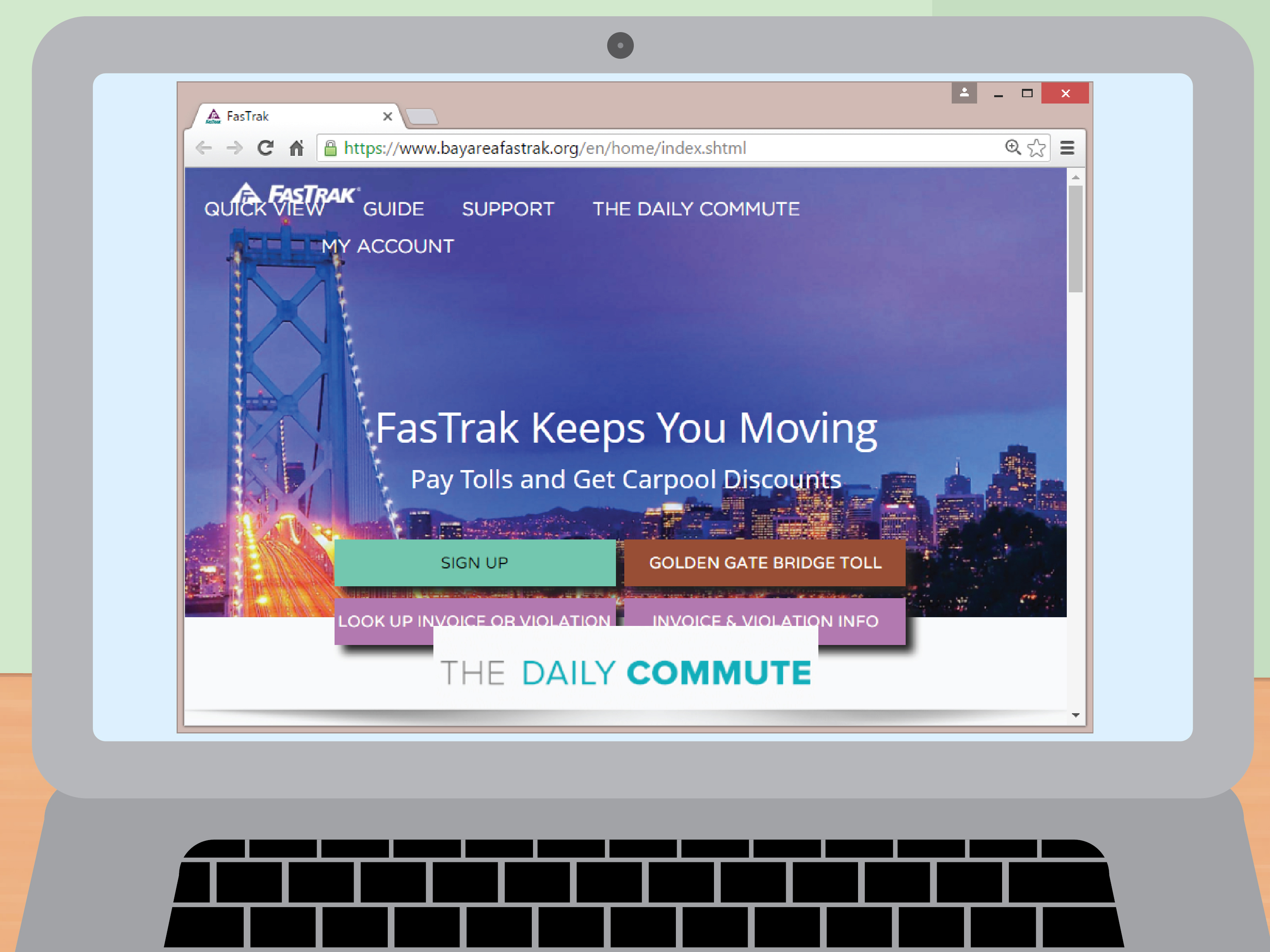
If you are driving alone in your hybrid, you may be able to use certain express lanes by paying the toll. But you must have the proper FasTrak account, transponder, or toll-payment method required by that facility. Some express lanes are cashless. Some require a FasTrak Flex toll tag set to the correct number of occupants. Some offer discounts for carpools, vanpools, motorcycles, or income-qualified drivers. Local rules matter, so check the corridor before you drive.
4. Set Your FasTrak Flex Correctly
If you use Bay Area or Southern California express lanes, a FasTrak Flex transponder may be required to claim carpool discounts. The switch usually lets you choose 1, 2, or 3+ occupants. Set it honestly before you enter the lane. Setting the transponder to “3+” while driving alone is not a clever budget strategy; it is toll evasion with a dashboard accessory.
For a hybrid driver, the transponder does not magically know your intentions. It simply reports the setting you choose. Enforcement officers and toll systems may check occupancy, so make sure the setting matches the number of living, seat-belted humans in the car.
How to Enter and Exit Carpool Lanes Safely
Watch the Lane Markings
California HOV lanes often sit on the far left side of the freeway. Many are separated from regular lanes by double solid white or yellow lines. Do not cross double solid lines to enter or exit a carpool lane. Wait until the boundary changes to a broken white line or a clearly marked access area.
This matters because some drivers treat the HOV lane like a bonus passing lane and dart in and out whenever traffic gets annoying. That is illegal and dangerous. If you miss your opening, stay calm and continue to the next legal exit area. Your freeway exit may be emotionally important, but it is not worth a citation or a sudden swerve across several lanes of traffic.
Signal Early and Match Speed
When you reach a legal entry zone, signal early, check your mirrors, look over your shoulder, and merge smoothly. HOV lanes often move faster than adjacent traffic, so do not enter at a crawl unless traffic in the lane is also slow. A hybrid’s electric torque may help you accelerate smoothly, but your best safety feature is still patience.
Plan Your Exit Before Your Actual Exit
If your freeway exit is coming up soon, leave the carpool lane early. Many HOV lanes have limited access points, meaning you may not be able to exit the lane exactly when you want. California freeway geometry does not care that your favorite taco place closes in twelve minutes.
Common Hybrid Driver Mistakes in California HOV Lanes
Mistake 1: Believing Old Stickers Still Work
The most common mistake is assuming an old Clean Air Vehicle decal still allows solo access. It does not. Decals are no longer valid for single-occupant HOV access. If you are alone, your hybrid must either stay out of restricted HOV lanes or use an express lane where solo toll-paying drivers are allowed.
Mistake 2: Assuming Every Lane Has the Same Rule
California’s freeway network is huge, and lane rules vary by corridor. A lane in San Jose may not operate exactly like one in Los Angeles, Orange County, San Diego, Sacramento, or the East Bay. Some require 2+, some require 3+, some are part-time, and some are priced express lanes. Driving by memory is risky; driving by signage is smart.
Mistake 3: Crossing Double Lines
Even if you have enough passengers, you must enter and exit legally. Crossing double solid lines can lead to a separate citation. The right to use the lane does not include the right to teleport into it through forbidden markings.
Mistake 4: Misusing the FasTrak Setting
Set your FasTrak Flex to the actual number of occupants. If you are alone, set it to one. If you have two people, set it to two. If you qualify for 3+, set it to 3+. Do not let your optimism operate the switch.
Mistake 5: Forgetting That Tolls Changed Too
The end of the Clean Air Vehicle decal program also affected toll discounts tied to clean-air status. Hybrid and electric drivers should not assume old CAV toll discounts still apply. In many places, discounts now depend on carpool occupancy, motorcycle status, qualifying programs, or specific toll-lane policies.
Regional Tips for Hybrid Drivers
Bay Area
The Bay Area has a dense network of express lanes, including corridors such as I-580, I-680, I-880, US-101, SR-237, and I-80. Many of these facilities use FasTrak Flex and offer different discounts depending on whether the vehicle has two occupants, three or more occupants, or qualifies under another program. Before commuting, check the rules for your exact route. Two-person carpools may be discounted differently from three-person carpools depending on the corridor.
Los Angeles and Orange County
Southern California drivers may encounter both traditional HOV lanes and express lanes, including Metro ExpressLanes on I-10 and I-110, as well as other managed lanes in the region. Heavy traffic makes these lanes tempting, but the rules are tightly enforced. If you are alone in a hybrid, make sure solo toll-paying travel is allowed before entering an express lane.
San Diego
San Diego has HOV and managed lanes on busy corridors, including areas near I-5 and I-15. Some facilities may use reversible or managed-lane designs. Pay close attention to signs, access points, and whether the lane is open to your direction of travel.
What Counts as an Occupant?
An occupant is a person in the vehicle, typically occupying a seat with a safety restraint. Adults count. Children count. Babies count if properly secured in a legal child restraint. A pet does not count. A mannequin does not count. A cardboard cutout of your favorite celebrity does not count, no matter how emotionally present it feels.
If the sign says 2+, the vehicle must have at least two people total, including the driver. If it says 3+, the vehicle must have at least three people total, including the driver. A two-seat vehicle may have special treatment on some Bay Area 3+ express-lane facilities when both seats are occupied, but that is a corridor-specific rule, not a universal California freebie.
Practical Driving Strategy for Hybrid Owners
The smartest way to drive your hybrid in California carpool lanes is to build a small pre-drive routine. First, know your route. Second, identify whether you will encounter HOV lanes, express lanes, or both. Third, decide whether you qualify by occupancy or whether you need to pay a toll. Fourth, make sure your FasTrak account and transponder are ready. Fifth, read every sign as you drive.
Use navigation apps as helpful tools, but do not let them override posted rules. Apps may show HOV or toll-lane options, but they may not perfectly understand your number of passengers, your transponder status, or a temporary lane closure. When the app and the sign disagree, trust the sign.
How to Avoid a Ticket
To avoid a California HOV ticket in your hybrid, follow five basic rules. Do not drive solo in a restricted HOV lane just because your car is clean. Do not cross double solid lines. Do not fake your FasTrak occupancy setting. Do not assume yesterday’s commute rules apply to today’s corridor. Do not treat old decals as legal permission.
California HOV violations can be expensive, and additional fees may make the final cost higher than the number you first hear quoted. More importantly, unsafe lane changes can cause crashes. The goal is not merely to avoid a fine; it is to drive predictably in traffic where everyone is already one poorly timed merge away from becoming a traffic report.
Should You Remove Old Clean Air Vehicle Decals?
You are generally not required to remove expired Clean Air Vehicle decals from your hybrid, but leaving them on may create confusion for you, a future buyer, or anyone borrowing the car. If you remove them, do it carefully. Warm the decal gently, peel slowly, and use an automotive-safe adhesive remover. Avoid scraping paint or using harsh chemicals. The sticker has already retired; no need to punish the bumper.
Does Driving a Hybrid Still Help in California?
Absolutely. The loss of solo HOV access does not erase the practical benefits of a hybrid. Hybrids can reduce fuel costs, lower emissions compared with many gasoline-only vehicles, and make stop-and-go traffic less painful. Plug-in hybrids can be especially efficient when charged regularly and used for shorter daily trips. California gas prices have a way of reminding drivers that efficiency still matters.
What changed is not the value of the car. What changed is the lane privilege. A hybrid remains a smart vehicle choice for many Californians, but it is no longer a solo ticket into the diamond lane.
Real-World Experiences: Driving a Hybrid in California Carpool Lanes
Imagine a weekday morning commute from the East Bay toward Silicon Valley. You are in a plug-in hybrid, the battery is charged, the cabin is quiet, and the freeway is doing its usual impression of a parking lot with ambition. The HOV lane looks open, and your old decal is still on the bumper. The temptation is real. But under the current rules, if you are driving alone and the sign says “HOV 2+,” you stay out unless that lane is also an express lane that permits solo toll-paying drivers.
The better move is to plan before you merge onto the freeway. Check whether your route includes express lanes. If it does, confirm whether solo drivers can pay to use them and whether you need FasTrak Flex. If you are picking up a coworker, set the transponder correctly once the passenger is in the car. If you are alone, set it honestly and expect to pay the posted toll where solo travel is allowed.
On a family trip from Los Angeles to Orange County, the experience is different but the logic is the same. With a spouse and child in the car, your hybrid likely meets a 2+ requirement and may meet some 3+ requirements as well. The carpool lane can make the drive smoother, especially when general lanes slow near interchanges. Still, you need to enter only at legal access points. A common mistake is realizing too late that your exit is coming and slicing across double white lines. Do not do it. Leave early, even if that means spending a few extra minutes in regular lanes. A legal five-minute delay beats a very memorable ticket.
In San Diego, drivers may encounter managed lanes that change by time, direction, or facility type. A hybrid owner who drives only occasionally on these roads should treat each trip like a fresh route, not a rerun. Look for signs showing occupancy, toll status, open or closed direction, and access points. If the lane design feels confusing, stay in the regular lanes until you understand it. There is no shame in choosing clarity over a risky merge. California freeways reward confidence, but they punish guessing.
One useful habit is to talk through the rule before entering the lane: “We have three people, the sign says 3+, the lines are broken here, and the transponder is set correctly.” It sounds overly formal, like a tiny cockpit checklist, but it works. The moment you make the rule visible, you reduce the chance of drifting into the lane on autopilot.
Another experience many hybrid drivers share is emotional adjustment. For years, the carpool sticker felt like part of the vehicle’s identity. Losing that perk can make the same commute feel longer and less rewarding. The practical solution is to treat the hybrid as one part of a broader commute strategy. Carpool when possible. Shift travel times when your schedule allows. Use park-and-ride lots, employer rideshare programs, or transit connections for the worst corridors. Use express lanes selectively instead of reflexively. The hybrid still saves fuel; your planning saves sanity.
The biggest lesson from real California driving is that HOV rules are less about the car and more about the trip. A solo hybrid is just a solo car for HOV purposes. A hybrid with the right number of people is a carpool. A hybrid in a toll lane must follow toll-lane rules. Once you accept that, the system becomes much easier to navigate. You stop asking, “Does my hybrid qualify?” and start asking the better question: “Do I qualify for this lane right now?” That question will keep your commute cleaner, calmer, and far less likely to involve a conversation with the California Highway Patrol.
Conclusion
Driving your hybrid in California carpool lanes is still possible, but the rules have changed in a major way. The Clean Air Vehicle decal program is over, and old decals no longer allow solo drivers to use HOV lanes. Today, your access depends on posted occupancy requirements, toll-lane rules, FasTrak settings, operating hours, and legal entry points.
The golden rule is simple: read the signs, count the people, respect the lane markings, and never assume your hybrid badge gives you special treatment. Your car may be efficient, but California carpool lanes now care less about what powers the wheels and more about who is actually riding inside.
Note: This article reflects California HOV, Clean Air Vehicle decal, toll-lane, and enforcement information available from official transportation and motor vehicle sources as of June 2026. Drivers should always follow current posted signs and local toll-lane rules.

