
Beauty Tools & Accessories
3 Ways to Stand on a Skateboard
Jun
Standing on a skateboard looks easy until the board rolls two inches and your body starts negotiating with gravity like it has a lawyer. The good news is that learning how to stand on a skateboard is not magic, athletic destiny, or something only kids in beanies understand. It is a skill built from foot placement, balance, posture, and confidence.
This guide breaks down 3 ways to stand on a skateboard: the regular stance, the goofy stance, and the ready riding stance used for pushing, cruising, and turning. These are the foundations every beginner needs before worrying about ollies, kickflips, or looking dramatically cool in a parking lot.
Whether you are stepping on a board for the first time or trying to stop feeling like a shopping cart with emotions, this article will help you understand skateboard stance, beginner foot position, balance, safety, and the small adjustments that make riding feel natural.
Why Skateboard Stance Matters
Your skateboard stance decides which foot goes in front, how your weight is distributed, how you push, and how you turn. A good stance makes the board feel less like a banana peel with wheels and more like something you can actually control.
Most beginner skateboarders struggle because they stand too stiff, place both feet in awkward positions, or look down so intensely that they forget their body is supposed to move with the board. The goal is not to freeze like a statue. The goal is to stay loose, centered, and ready.
Before trying the three stance methods below, choose a safe practice area. A flat driveway, empty tennis court, smooth sidewalk, or quiet paved space works well. Avoid hills, traffic, wet pavement, gravel, and cracked surfaces. Wear a properly fitting helmet, knee pads, elbow pads, wrist guards, and closed-toe shoes with good grip. Skateboarding is fun, but pavement has never once apologized.
Method 1: Stand in Regular Stance
What Is Regular Stance?
Regular stance means your left foot is forward and your right foot is back. Your left foot leads the board, while your right foot usually pushes against the ground and returns to the tail area of the deck.
This does not mean regular stance is “better” or more correct than goofy stance. The word regular simply describes direction. Many great skaters ride regular, and many great skaters ride goofy. Skateboarding is not a spelling test; comfort matters more than labels.
How to Try Regular Stance
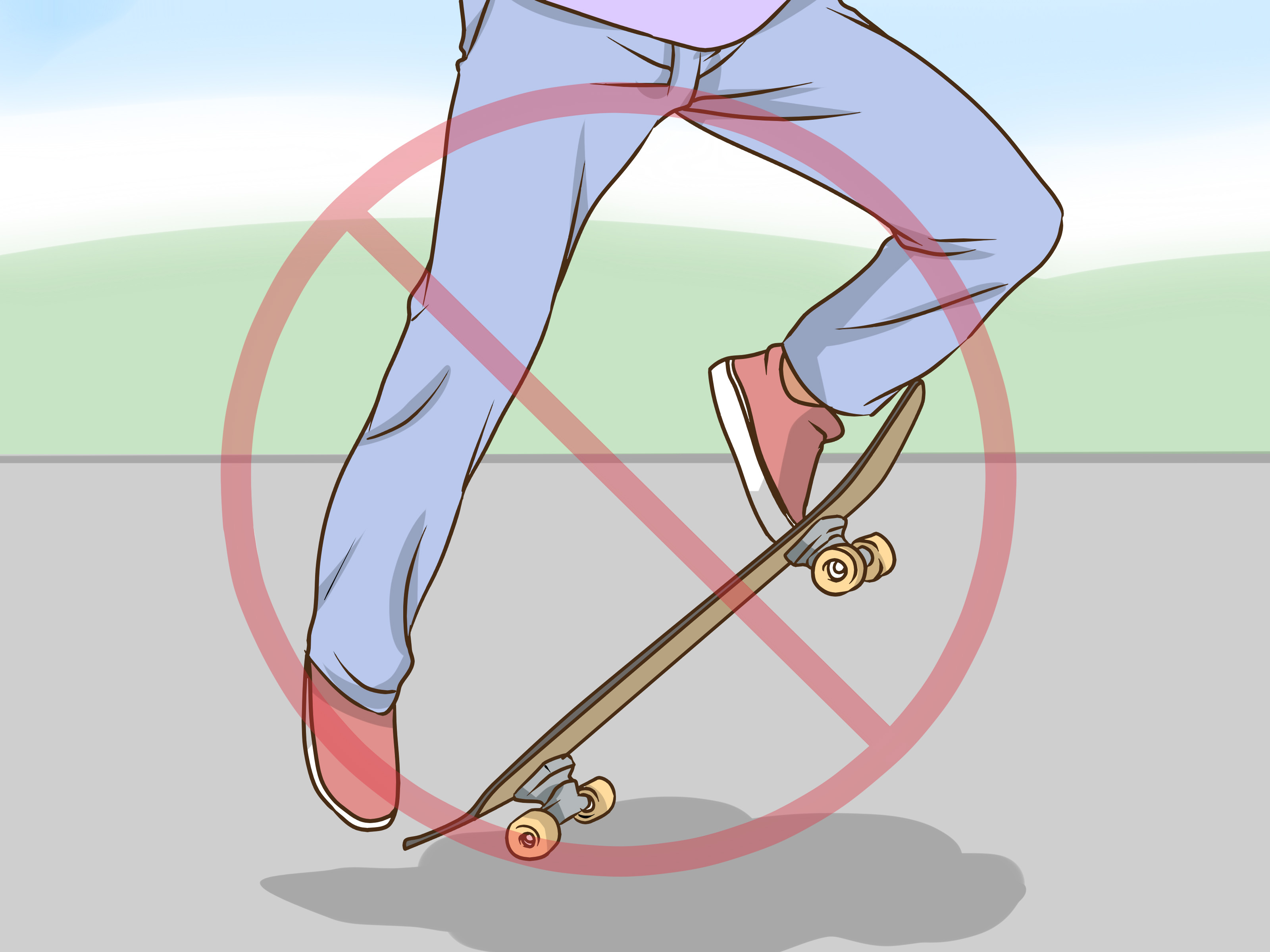
Place your skateboard on a flat surface. If you are nervous, start on carpet or grass so the wheels do not roll much. Step onto the board with your left foot first. Put it near the front bolts, angled slightly across the deck. Your foot should not hang completely off the edge, but it does not need to be perfectly centered like a museum display.
Next, place your right foot near the back bolts or slightly on the tail. Keep your knees bent. Your shoulders should turn slightly in the direction you want to travel, not face straight sideways like you are waiting in line at the grocery store.
Look ahead instead of staring at your feet. Beginners often look down because they want to make sure the board is still there. Spoiler: it is. Looking ahead helps your balance and prepares you to move.
Regular Stance Foot Position
In a stable beginner regular stance, your front foot sits near the front hardware bolts. Your back foot rests near the back hardware bolts or tail. Your feet should be about shoulder-width apart, giving you a balanced base. If your feet are too close together, the board feels twitchy. If they are too far apart, you may feel locked and awkward.
Your knees should stay soft. Think “athletic ready position,” not “wooden garden gnome.” Bent knees absorb movement and help you react when the board shifts. Keep your weight centered over the board, with a little more pressure on the balls of your feet than your heels.
How to Push in Regular Stance
To push in regular stance, keep your left foot on the board near the front bolts and let it point more toward the nose. Bend your left knee and shift most of your weight onto that front foot. Use your right foot to push backward against the ground. After pushing, bring your right foot back onto the deck near the tail.
At first, the movement of pivoting your front foot may feel strange. When pushing, your front foot points forward. When riding, it turns more sideways across the board. Practice slowly. Push once, return your back foot, coast, and step off. That tiny drill builds confidence quickly.
Common Regular Stance Mistakes
The first common mistake is standing too tall. A tall, stiff body gets surprised by every tiny bump. Bend your knees and relax your shoulders. The second mistake is placing too much weight on the back foot. That can make the front wheels feel light and unstable. Keep your weight centered, especially when learning.
The third mistake is pushing “mongo,” which means pushing with the front foot while the back foot stays on the board. Some people learn that way by accident, but most beginner lessons recommend pushing with the back foot because it keeps the front foot controlling the board and makes returning to riding position smoother.
Method 2: Stand in Goofy Stance
What Is Goofy Stance?
Goofy stance means your right foot is forward and your left foot is back. Your right foot leads, and your left foot usually pushes. Despite the name, goofy stance is not silly, wrong, or reserved for cartoon dogs. It is a normal skateboard stance used by countless riders.
Some beginners assume right-handed people should ride regular and left-handed people should ride goofy. That is not reliable. Your skateboard stance depends more on balance preference than hand dominance. Your body usually tells you what feels natural once you test both directions.
How to Try Goofy Stance
Set the skateboard on a safe flat surface. Step on with your right foot first, placing it near the front bolts. Angle it slightly across the board. Then place your left foot near the back bolts or tail. Keep your knees bent, your head up, and your shoulders relaxed.
Rock gently forward and backward without rolling. Feel how your weight moves through your feet. You should feel stable enough to bend your knees, shift your hips slightly, and step off calmly. If you feel like your body is shouting “absolutely not,” try regular stance and compare.
Simple Tests to Find Your Natural Stance
One easy way to choose between regular and goofy is the slide test. Imagine sliding across a slick floor in socks. Which foot naturally goes forward? That foot often becomes your lead foot on a skateboard.
Another test is the step-up test. Stand at the bottom of a staircase and notice which foot you naturally use first. The foot you trust to lead may feel better at the front of the board. These tests are not perfect, but they give beginners a starting point.
The best test is still actual riding. Try regular stance for a few minutes, then try goofy stance. The better stance usually feels more stable, easier to push from, and less like your legs are arguing in two different languages.
How to Push in Goofy Stance
To push in goofy stance, keep your right foot on the board near the front bolts. Point it toward the nose while pushing. Bend your right knee and place most of your weight over that foot. Push backward against the ground with your left foot, then bring the left foot back onto the deck near the tail.
Again, practice one push at a time. Push, coast, balance, step off. Do not rush into speed. Speed is easier after balance improves. Going fast before learning control is how beginners accidentally invent interpretive dance.
Goofy Stance Balance Tips
Keep your chest relaxed and your arms slightly out for balance. Your arms are not decorative; they help you stabilize. Do not flap them wildly, but do let them move naturally.
Keep your feet over the bolts when learning. The bolts mark where the trucks attach under the deck, which creates a more stable platform. Standing too close to the nose or tail can make the board tip unexpectedly. Once you improve, you can adjust foot placement for turns and tricks.
Method 3: Stand in Ready Riding Position
What Is Ready Riding Position?
Ready riding position is the balanced stance you use after pushing, while coasting, turning, and preparing to stop. It works whether you ride regular or goofy. This is the stance that makes you look like you meant to be on the skateboard.
In ready riding position, both feet are on the board, about shoulder-width apart, usually near or over the bolts. Your front foot is angled across the deck, and your back foot sits near the rear bolts or tail. Your knees are bent, your head is up, and your weight is centered.
How to Set Up Ready Position
Start in your natural stance. Push once with your back foot. As the board rolls, bring your pushing foot onto the board. Rotate your front foot slightly so it sits more across the deck. Place your back foot comfortably near the rear bolts.
Your shoulders should generally line up with the board. Your hips should stay relaxed. Your body should feel springy, not stiff. Imagine standing on a moving elevator that occasionally has opinions. You want to be calm, balanced, and ready to adjust.
Why the Bolts Are Your Best Friends
The bolts are the small metal circles visible on top of the skateboard deck. Underneath them are the trucks, which connect the wheels to the board. When your feet are near the bolts, your weight is supported by the strongest and most stable parts of the setup.
For beginners, “feet over the bolts” is a simple rule that prevents many wobbles. It helps you avoid stepping too far onto the nose or tail. Later, when you learn manuals, ollies, kickturns, and other tricks, your feet will move around more. But for learning how to stand on a skateboard, bolts are the home base.
How to Bend Your Knees Correctly
Bending your knees is not the same as squatting as low as possible. You only need enough bend to absorb movement and stay balanced. Your knees should point generally in the same direction as your toes. Your weight should feel centered over the board, not collapsing inward or leaning too far back.
If you feel unstable, bend your knees slightly more and lower your center of gravity. This small adjustment can make the board feel dramatically less scary. It also gives you time to react when the wheels roll over tiny cracks, pebbles, or the mysterious crumbs of civilization found in every parking lot.
How to Turn from Ready Position
There are two beginner-friendly ways to turn: leaning and kickturning. Leaning, also called carving, means gently shifting weight toward your toes or heels. The board follows the pressure. Start with tiny leans. You are steering, not trying to wrestle a refrigerator.
A kickturn is a sharper turn. Place your back foot on the tail, apply light pressure to lift the front wheels, rotate your shoulders and hips in the direction you want to turn, then set the front wheels down. Practice kickturns while stationary before trying them while rolling.
How to Step On and Off Safely
Learning to stand also means learning how to get off the board without panic. The safest beginner step-off is simple: slow down, shift your weight to the front foot, and step your back foot onto the ground. Then step off with the front foot. Do this calmly and early, before the board gains too much speed.
Avoid jumping off unless absolutely necessary. Jumping can send the board rolling away and may throw your balance off. When you practice, include stepping on and stepping off as part of the lesson. It is not boring; it is control. Control is what keeps beginner skateboarding fun instead of chaotic.
Beginner Safety Checklist Before You Stand on a Skateboard
Wear Protective Gear
A helmet is essential for skateboarding. Wrist guards, knee pads, and elbow pads are especially helpful for beginners because falls often happen before you know how to fall well. Closed-toe shoes with non-slip soles help your feet grip the deck.
Check Your Skateboard
Before riding, check that the wheels spin properly and the trucks are not dangerously loose. Make sure the deck is not cracked and the grip tape is not peeling badly. A skateboard does not need to look brand new, but it should be safe and functional.
Choose the Right Surface
Start on smooth, dry, flat pavement away from cars, bikes, stairs, steep hills, and crowds. Do not learn in the street. Do not practice at night in a dark area. Do not start on a hill unless your plan is to meet a bush personally.
Practice Drills for Standing Better
The Carpet Balance Drill
Place the skateboard on carpet or grass. Step into regular stance, then goofy stance. Bend your knees, hold your arms out, and practice shifting weight between toes and heels. This drill helps you feel the board without rolling.
The One-Push Drill
On smooth pavement, push once, place your back foot on the board, and coast for a short distance. Step off before you feel nervous. Repeat several times. This builds balance and teaches your body how to return from pushing into ready riding position.
The Look-Ahead Drill
Ride slowly and focus your eyes several feet ahead instead of staring down. Looking ahead improves posture and helps you notice obstacles sooner. It also helps you stop micromanaging your feet, which already have enough pressure on them.
How Long Does It Take to Feel Comfortable Standing on a Skateboard?
Some people feel comfortable after one afternoon. Others need several short practice sessions. Both are normal. Skateboarding rewards repetition more than raw bravery. Ten focused minutes a day can do more than one exhausting session where you scare yourself and then retire dramatically.
Comfort usually improves when you stop treating the skateboard like a dangerous object and start treating it like a balance tool. Stand on it. Step off. Push once. Coast. Turn a little. Repeat. Small wins build trust.
Extra Experience Section: What It Feels Like Learning the 3 Ways to Stand on a Skateboard
The first real experience most beginners have with a skateboard is not glamorous. You put one foot on the deck, the board wiggles, and suddenly your brain starts sending emergency notifications. That moment is normal. The board is not betraying you; it is simply responding to pressure. Every tiny lean, stiff knee, and nervous shoulder movement travels through the deck and down to the wheels.
When practicing regular stance, many beginners notice that the left foot feels like the “steering foot.” At first, keeping that foot near the front bolts while pushing with the right foot may feel awkward. The trick is to slow everything down. Instead of trying to ride across a whole parking lot, push once and coast for just a few feet. When the right foot returns to the tail, the body begins learning a rhythm: front foot controls, back foot powers, both feet balance.
Goofy stance can feel surprisingly natural for some riders, even if they expected to ride regular. That is why testing both is important. A beginner might spend twenty minutes struggling in regular stance, switch to goofy, and suddenly feel less twisted. There is no prize for forcing the wrong stance. Skateboarding is already challenging enough without making your own legs file a complaint.
The ready riding position usually becomes the biggest breakthrough. Once both feet are on the board, knees bent, eyes forward, and weight centered, the skateboard begins to feel less wild. You start to understand that balance is not about staying perfectly still. Balance is about making small corrections. Your ankles adjust. Your knees absorb. Your arms help. Your eyes guide the direction.
One helpful beginner experience is practicing near a fence, rail, or wall. You do not need to cling to it forever, but having a light hand nearby can reduce fear while you test foot placement. Step on, find the bolts, bend your knees, and gently shift your weight. Then let go for a second. Then two seconds. Confidence grows in tiny pieces.
Another useful lesson is learning that falling is not always dramatic. Most beginner slips happen at low speed. Wearing protective gear makes practice less intimidating. When you know your knees, elbows, wrists, and head are protected, you are more willing to try again. Fear shrinks when preparation improves.
Over time, the three ways to stand on a skateboard stop feeling like separate lessons. Regular or goofy becomes your natural stance. Ready riding position becomes automatic after each push. Your feet find the bolts without a committee meeting. You begin to push, coast, turn, and stop with more control.
The best experience advice is simple: keep sessions short and repeat the basics. Five calm rides are better than one reckless sprint. Celebrate the first time you stand without wobbling, the first clean push, the first smooth coast, and the first turn that does not look like a shopping cart escaping a supermarket. Those small milestones are the real beginning of skateboarding.
Conclusion
Learning the 3 ways to stand on a skateboard gives beginners the foundation for everything else. Regular stance puts the left foot forward. Goofy stance puts the right foot forward. Ready riding position teaches you how to balance after pushing, cruising, and turning.
The secret is not being fearless. The secret is being prepared. Wear safety gear, choose smooth flat ground, keep your feet near the bolts, bend your knees, look ahead, and practice in small steps. Skateboarding has a sense of humor, but it also rewards patience. Stand well first, and the rest of the ride becomes much easier.

