
Body Care
3 Simple Ways to Bypass a Water Softener
Jun
There are moments when your water softener deserves a vacation. Maybe it is leaking, being serviced, stuck in regeneration, or you simply do not want to send beautifully softened water out to the lawn like it is spa day for the crabgrass. That is where knowing how to bypass a water softener becomes surprisingly useful.
A water softener bypass lets hard water flow around the softener instead of through it. In plain English, the softener is temporarily taken out of the plumbing route while the rest of the house still gets running water. You may notice harder water at the sink, shower, and laundry, but you avoid shutting down the whole home. That is a fair trade when a repair, inspection, or outdoor watering job is waiting.
The good news: most modern systems are designed with a bypass option. Some use a single push-pull valve. Some use a lever or knob. Older or professionally plumbed systems may use a three-valve bypass loop. And in special cases, you may bypass the softener only for certain uses, such as outdoor faucets or drinking water lines.
This guide explains three simple ways to bypass a water softener, when to use each method, what to check before touching anything, and how to return the system to normal service without turning your utility room into a tiny indoor water park.
What Does It Mean to Bypass a Water Softener?
To bypass a water softener means to redirect water so it does not pass through the resin tank. A salt-based softener normally treats hard water through ion exchange, a process that reduces minerals such as calcium and magnesium. When the system is in service mode, water enters the softener, flows through the resin bed, and exits as softened water.
When the system is in bypass mode, the incoming water skips that resin tank. Your home receives untreated hard water directly from the main supply. The water still runs, but it is not softened. You may see more spots on dishes, less soap lather, or a little extra attitude from your shower door. Hard water is not usually an emergency, but it can create scale, residue, and cleaning headaches if used long term.
Why Would You Need to Bypass a Water Softener?
Homeowners bypass water softeners for several practical reasons. The most common reason is maintenance. If you need to clean the brine tank, inspect a valve, replace a part, fix a leak, or wait for a technician, bypass mode keeps water available in the home while the unit is offline.
Another reason is outdoor water use. Many people do not want to use softened water for lawns, gardens, pressure washing, or filling a pool. Softened water costs salt and regeneration capacity, and some plants do not appreciate extra sodium. If your outdoor faucets are connected after the softener, bypassing can help avoid wasting soft water outside.
Bypassing can also help during troubleshooting. If your water pressure suddenly drops, your water tastes salty, the softener seems stuck, or you suspect the system is causing a plumbing issue, switching to bypass can help isolate the problem. If water pressure improves after bypassing, the softener may need service.
Before You Start: Quick Safety Checks
Before moving any bypass valve, look carefully at the system. Find the inlet pipe, outlet pipe, control head, brine tank, and any labels that say “service,” “bypass,” “in,” or “out.” If the valve is cracked, leaking, frozen, corroded, or difficult to move, do not force it. A stubborn bypass valve is like a stubborn pickle jar, except the pickle jar cannot flood your basement.
If the softener is actively leaking, place the system in bypass if you can do so safely, then shut off the main water supply if the leak continues. For repairs involving clips, fittings, plumbing cuts, soldering, PEX, CPVC, or copper pipe, call a licensed plumber unless you are experienced and local code allows the work. Also unplug the softener before servicing electrical components or opening the control head.
Simple Way 1: Use the Built-In Single Bypass Valve
Best for: Most modern cabinet-style or tank-style softeners
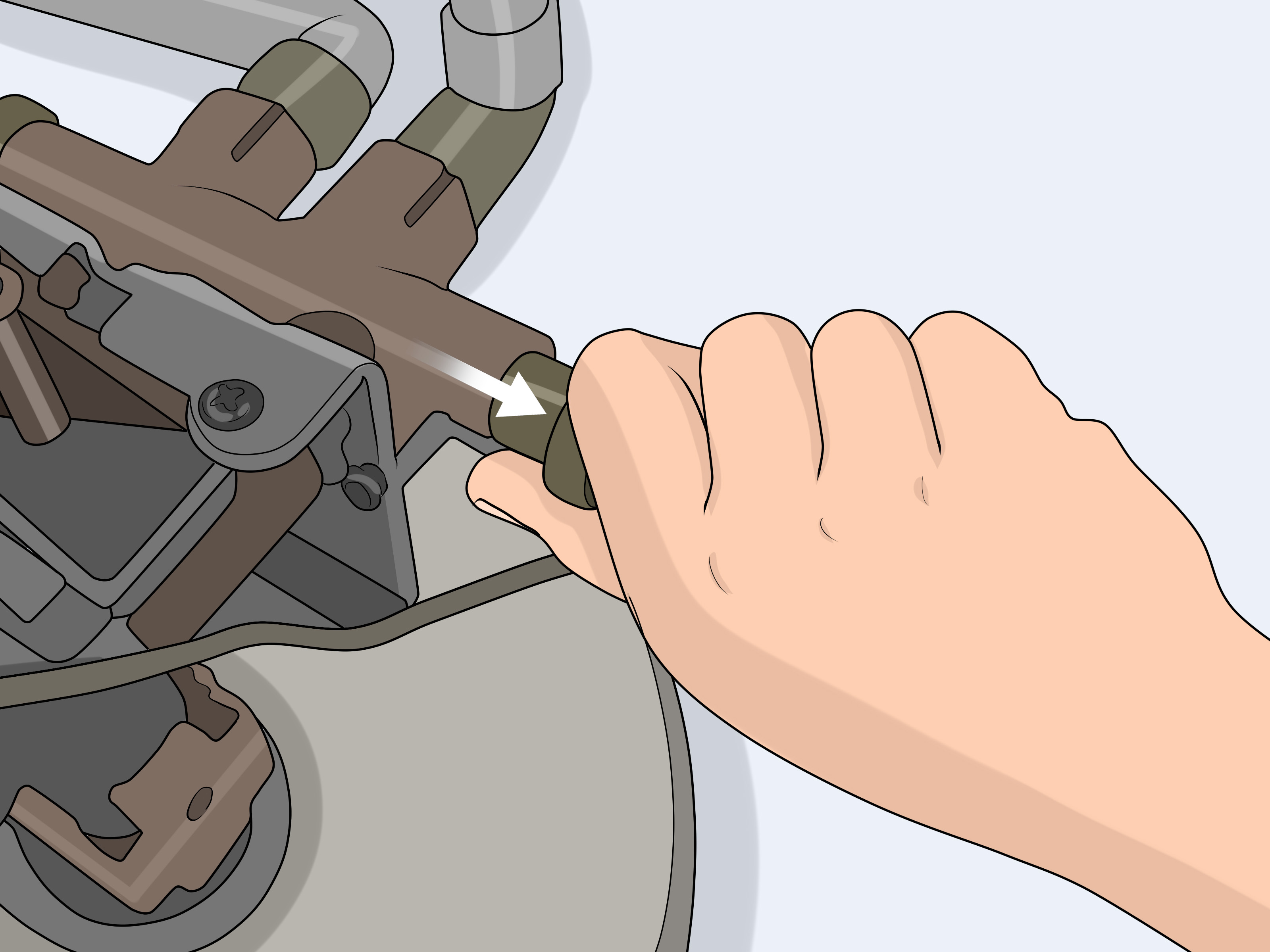
The easiest way to bypass a water softener is to use the built-in bypass valve. Many residential water softeners from major brands include this valve at the back of the control head where the plumbing connects. Depending on the model, it may be a push-pull stem, a sliding valve, a lever, or a pair of rotating knobs.
How to Do It
First, locate the bypass valve. Stand in front of the softener and look behind or beside the control head. You should see where the incoming and outgoing water lines attach. The bypass valve may have printed labels such as “push for bypass,” “pull for service,” “bypass,” or “service.” Some valves use red and blue buttons. Others use a black or gray handle.
Next, move the valve slowly into bypass position. If it is a push-pull valve, push the stem in for bypass or pull it out for service, depending on the labeling. If it is a lever-style valve, turn the lever until it points to bypass. If it uses two knobs, turn both knobs as directed by the arrows or labels, often a quarter turn.
After the valve is in bypass, open a cold faucet nearby and let water run for a minute. This confirms that water is flowing through the house. You may also check the softener display. Some systems stop counting gallons when no water is flowing through the softener, which is normal in bypass mode.
How to Return to Service
When maintenance is complete, move the bypass valve back to service mode slowly. Open a nearby cold faucet to release trapped air and let the system refill gently. Do not slam the valve open. Water softeners prefer a calm re-entry into society.
Simple Way 2: Use a Three-Valve Bypass System
Best for: Older installations, custom plumbing, and professional setups
A three-valve bypass is common in homes where the plumber installed a bypass loop using standard plumbing valves instead of relying only on the manufacturer’s bypass piece. This setup has three valves: an inlet valve, an outlet valve, and a middle bypass valve. It looks like a small plumbing detour around the softener.
In normal service mode, the inlet and outlet valves are open, and the bypass valve is closed. Water enters the softener, gets treated, and exits to the house. In bypass mode, the inlet and outlet valves are closed, and the bypass valve is open. Water skips the softener and travels through the middle pipe instead.
How to Do It
Start by identifying the three valves. The inlet valve is on the pipe bringing hard water into the softener. The outlet valve is on the pipe carrying softened water out to the home. The bypass valve is usually in the connecting pipe between those two lines.
To bypass the softener, close the inlet valve first. Then close the outlet valve. Finally, open the bypass valve. Once that middle valve is open, hard water can flow around the softener and into the home.
Run a nearby cold faucet and check for steady flow. Then inspect the softener area for leaks. If the goal is service or repair, this setup keeps water pressure away from the softener while allowing the house to keep operating.
How to Return to Service
To put the softener back online, reverse the process carefully. Close the bypass valve first. Open the outlet valve. Then slowly open the inlet valve. Opening the inlet slowly helps the tank refill without a sudden pressure surge. Run a cold faucet for a few minutes until the water flows steadily and any air clears from the line.
This method is simple once you understand the valve pattern, but take a photo before you start. A quick phone picture can save you from standing in the basement later, squinting at pipes like they are ancient plumbing hieroglyphics.
Simple Way 3: Bypass Only Certain Uses or Fixtures
Best for: Outdoor faucets, irrigation, pools, and drinking water preferences
Sometimes you do not need to bypass the entire water softener. You only need certain water lines to avoid the softener. This is common for hose bibs, irrigation systems, pool-filling lines, and sometimes kitchen drinking water taps. The goal is to save salt, reduce unnecessary regeneration, and provide untreated water where soft water is not needed.
This method depends on how your plumbing is arranged. Some homes already have outdoor spigots connected before the softener. In that case, congratulations: your house has already done the homework. Those faucets naturally receive hard water, while indoor fixtures receive softened water.
How to Check Your Setup
Look at the plumbing near the softener. If a pipe branches off before the softener and runs to outdoor faucets, those faucets may already be bypassed. You can also use a simple water hardness test strip at an outdoor spigot and compare it with water from an indoor softened tap. If the outdoor water tests harder, it likely bypasses the softener.
If your outdoor faucets are currently softened and you want them changed permanently, this is usually a plumbing project. A plumber can reroute those lines so outdoor water branches off before the softener. This is especially helpful for people who water gardens, wash cars, or fill pools frequently.
Temporary Fixture Bypass Options
For short-term outdoor projects, you can place the whole softener in bypass using Method 1 or Method 2, complete the job, then return it to service. This works well for filling a pool, washing a driveway, or watering new sod for a few hours. Just remember that indoor water will also be hard while the system is bypassed.
For drinking water, some homeowners prefer a separate tap or filtration system that does not rely on softened water. This is especially relevant for people who are watching sodium intake or who simply prefer the taste of unsoftened or filtered water. If that matters in your household, ask a water treatment professional about routing choices before changing plumbing.
How Long Can You Leave a Water Softener in Bypass?
You can leave a water softener in bypass for a short maintenance window, a repair visit, or a temporary outdoor water task. Leaving it bypassed for days or weeks is possible, but your home will receive hard water the entire time. That means more scale, more spots, less soap performance, and possible buildup in water heaters and appliances.
If you bypass the unit because it is leaking or malfunctioning, schedule service promptly. Bypass mode is a useful temporary fix, not a retirement plan for your softener. The longer hard water runs through the home, the more likely you are to notice mineral deposits on faucets, cloudy glassware, scratchy laundry, and the mysterious white crust that loves showerheads more than anyone should.
Common Mistakes to Avoid
Forcing a Stuck Valve
If a bypass valve will not move, stop. Forcing it can crack plastic parts, damage O-rings, or create a leak. Try checking the manual first. If it still feels stuck, call a professional.
Confusing Service Mode and Bypass Mode
Always read the label. Some push-pull valves use “push for bypass,” while others may have different markings. Guessing is not a strategy; it is plumbing roulette.
Leaving the Bypass Valve Halfway
A valve that is halfway open may reduce pressure, mix hard and soft water unpredictably, or cause noise in the plumbing. Move the valve fully into the correct position.
Bypassing During Regeneration Without Checking the Manual
Many softeners can be bypassed during regeneration, but procedures vary. If the system is cycling, making unusual noises, or overflowing, follow the manufacturer’s instructions and consider unplugging the unit after water is safely bypassed.
Ignoring Leaks Around O-Rings and Fittings
Leaks near the bypass valve often come from misaligned plumbing, worn seals, dry O-rings, or stress on fittings. Do not simply tighten everything like you are arm-wrestling the pipe. Proper alignment matters.
Quick Troubleshooting After Bypassing
If water stops flowing after you bypass the softener, recheck the valve positions. On a three-valve system, the bypass valve must be open while the inlet and outlet valves are closed. On a single-valve system, make sure the stem, lever, or knobs are fully in bypass.
If water flows but pressure is weak, open a faucet fully and allow air to escape. Also check that the main water valve is open. If pressure improves only when the softener is bypassed, the softener may have a clogged resin bed, valve restriction, fouled prefilter, or internal issue.
If water tastes salty after returning the softener to service, run cold water for several minutes and check whether the unit recently regenerated. Persistent salty taste can indicate a brine draw or rinse problem and should be inspected.
Real-World Experiences: What Homeowners Learn the First Time They Bypass a Water Softener
The first time many homeowners bypass a water softener, they are usually doing it under pressure. Maybe water is dripping near the control head. Maybe the brine tank looks suspiciously full. Maybe a plumber is on the way and says, “Just put it in bypass.” That sounds easy until you are staring at three valves, two pipes, one blinking control panel, and a level of confidence normally associated with assembling furniture without instructions.
One common experience is surprise at how simple the built-in bypass valve actually is. Many people spend years walking past their softener without noticing the valve tucked behind it. Then one day they push a stem, slide a lever, or turn two knobs, and the whole system is offline in seconds. The lesson is clear: learn the bypass position before there is a leak. Five calm minutes on a Saturday is better than five panicked minutes while water is making a tiny creek across the floor.
Another experience is discovering that outdoor faucets may or may not be softened. Some homeowners assume hose water is untreated, only to realize their softener has been supplying the sprinkler, garden hose, and inflatable pool all summer. That can waste salt and shorten the time between regenerations. A cheap hardness test strip can reveal the truth quickly. Test an indoor softened tap, then test an outdoor spigot. If both readings are soft, the hose bib is probably downstream of the softener.
People also notice the difference in water feel almost immediately. Once the softener is bypassed, soap may not lather as easily, shampoo may feel less slippery, and dishes may spot faster. That does not mean anything is wrong; it means the softener was doing its job. In fact, bypassing can be a quick reminder of why the system was installed in the first place. Hard water has a way of announcing itself with all the subtlety of a marching band in a bathroom.
A practical lesson from service calls is to avoid forcing valves. Homeowners sometimes discover old bypass handles that have not moved in years. Plastic can become brittle, seals can dry out, and mineral buildup can make movement stiff. When a valve resists, forcing it may turn a small maintenance job into a parts replacement. Gentle pressure is fine. Plumbing combat is not.
Another helpful habit is labeling. After identifying the correct valve positions, add small waterproof tags or take clear photos showing “normal service” and “bypass.” This is useful for every adult in the home and especially helpful if someone else needs to act quickly during a leak. Future-you will appreciate it. Future-you may even say something nice about present-you, which is rare and should be encouraged.
The biggest takeaway is that bypassing a water softener is not mysterious. It is simply water routing. Once you know which valve sends water through the softener and which valve sends it around the softener, the process becomes much less intimidating. A few minutes of preparation can prevent wasted salt, reduce stress during repairs, and keep the house supplied with water when the softener needs attention.
Conclusion
Knowing how to bypass a water softener is one of those homeowner skills that feels small until the day it becomes extremely useful. The three simplest methods are using the built-in bypass valve, operating a three-valve bypass loop, or routing only specific fixtures around the softener. Each method has the same goal: keep water flowing while the softener is temporarily out of the path.
For most homes, the built-in bypass valve is the fastest solution. For older or custom plumbing, the three-valve method is reliable and easy once the valves are labeled. For outdoor water, pools, gardens, or drinking preferences, a fixture-specific bypass may save salt and make the system more efficient.
Note: Always follow your water softener manual first. If valves are stuck, leaking, unlabeled, or connected to plumbing that needs cutting or rerouting, call a licensed plumber or qualified water treatment technician.

