
Beauty Unlocked
My Fresh New Blue Kitchen Reveal
Jun
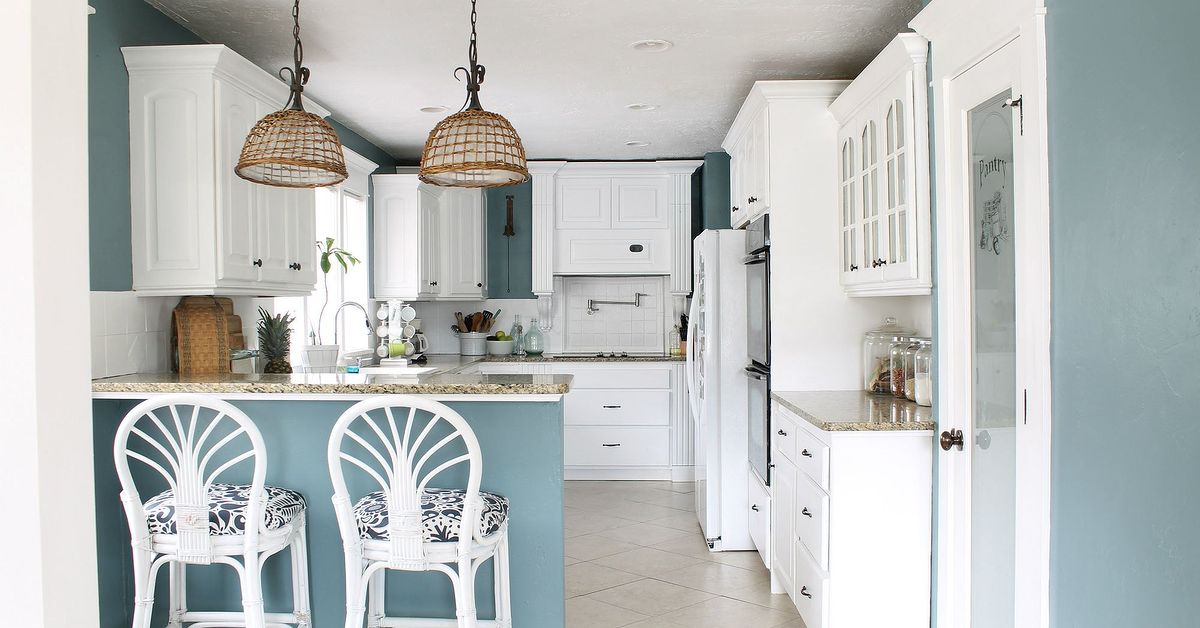
Welcome to the kitchen glow-up nobody asked me to be this emotionally attached tobut here we are. My fresh new blue kitchen reveal is all about color, function, personality, and the very real joy of opening a drawer that does not fight back like a raccoon in a mailbox.
The Before: A Kitchen That Had Given Up on Eye Contact
Before the makeover, the kitchen was not terrible. It made coffee. It stored plates. It had a refrigerator, which is already more than many tragic rental kitchens can say. But it lacked warmth, flow, and personality. The cabinets were tired, the lighting was flat, the counters felt disconnected from the rest of the room, and every corner seemed to whisper, “We were installed during a clearance sale.”
The biggest issue was not just appearance. It was how the kitchen worked. The prep zone felt cramped, the storage was scattered, and the room had no clear focal point. There was no moment of delight when you walked inunless you count the mysterious drawer that only opened halfway. I wanted a kitchen that looked fresh, yes, but also one that made cooking, hosting, cleaning, and midnight cereal easier.
That is where the blue kitchen idea began. Blue felt classic without being boring, colorful without screaming, and flexible enough to work with white, wood, brass, chrome, stone, and warm neutrals. In short, blue was the responsible adult of bold colors.
Why I Chose Blue for the Kitchen
Blue kitchens have a special kind of staying power. Navy blue can feel tailored and elegant, powder blue can feel breezy and coastal, blue-gray can feel calm and modern, and saturated cobalt can turn the whole room into a design statement. The trick is choosing a shade that fits the light, the architecture, and the level of drama you can emotionally support before coffee.
For this reveal, I wanted a fresh blue kitchen that felt crisp in the morning, cozy at night, and timeless enough that I would not regret it the next time the internet decides everything must be mushroom beige. I landed on a medium blue with a slightly gray undertone. It has enough depth to define the cabinets, but it does not turn the room into a cave. In natural light, it reads clean and cheerful. Under warm evening lighting, it becomes softer and more grounded.
The Mood Board
The palette came together around five core elements: blue painted cabinets, warm white walls, light countertops, brushed brass hardware, and natural wood accents. I wanted the kitchen to feel collected, not showroom-stiff. Think “freshly renovated,” not “please remove your shoes before looking at the backsplash.”
The blue cabinets became the star, but the supporting materials kept everything balanced. White walls reflected light, the counters added brightness, brass brought warmth, and wood softened the cooler undertone of the blue. The result is a kitchen that feels fresh, lived-in, and just polished enough to make a bowl of instant noodles look like a lifestyle choice.
The Cabinet Reveal: The Blue Moment
The cabinets are the heartbeat of this makeover. Instead of replacing every cabinet box, I focused on a high-impact refresh: new paint, updated doors where needed, better hardware, and improved interior organization. This kept the project more practical while still delivering a dramatic before-and-after moment.
Blue cabinetry can work in several ways. You can paint all cabinets blue for a wrapped, statement look. You can use blue only on lower cabinets for a grounded two-tone kitchen. You can choose a blue island as a focal point. Or you can add blue through a pantry wall, hutch, backsplash, or open shelving. I chose blue for the main cabinet run because the room needed a visual anchor.
Why the Cabinet Color Works
The shade is not too bright, not too dark, and not too icy. A blue-gray undertone helps the color feel mature and flexible. It pairs beautifully with white counters, warm metal finishes, and wood stools. It also hides fingerprints better than white cabinets, which is important if your household includes children, pets, or adults who open cabinets while eating peanut butter toast.
The finish matters too. A satin or semi-gloss cabinet finish gives enough durability for daily use without creating a shiny, reflective surface that shows every brush mark and crumb like a tiny crime scene. The final look is smooth, clean, and practical.
Countertops, Backsplash, and the Art of Not Overdoing It
Once the cabinets went blue, the countertop and backsplash had to support the colornot compete with it. A blue kitchen already brings personality, so I avoided overly busy surfaces. The counters are light and subtly patterned, giving the room brightness without looking stark. A creamy white or soft marble-look quartz works especially well in a blue kitchen because it keeps the palette airy and easy to style.
For the backsplash, I leaned classic. Simple tile with soft texture gives the wall dimension without stealing attention. Glossy white tile, handmade-look ceramic tile, pale blue tile, or a slab backsplash can all work beautifully with blue kitchen cabinets. In this reveal, the backsplash is clean and quiet, letting the cabinets do the talking. And trust me, the cabinets had prepared a speech.
Backsplash Ideas for a Blue Kitchen
If you are planning your own fresh blue kitchen, consider these pairings. Navy cabinets look sharp with white subway tile, zellige tile, marble, or warm stone. Light blue cabinets look charming with white tile, butcher block, beadboard, or soft gray stone. Blue-gray cabinets pair well with quartz, honed marble, soapstone, and muted patterned tile. Bright blue cabinets can work with clean white surfaces and minimal hardware so the color feels intentional rather than chaotic.
Hardware: Small Jewelry, Big Personality
Hardware is the jewelry of the kitchen, and yes, that means your cabinet pulls can absolutely have main-character energy. For this blue kitchen reveal, brushed brass was the winner. Brass warms up blue beautifully and adds a classic touch without feeling too formal. It also works well with white counters, wood tones, and warm lighting.
That said, brass is not the only option. Polished nickel gives blue cabinets a traditional, elegant look. Matte black creates contrast and works well in modern or farmhouse kitchens. Chrome feels clean and crisp, especially with blue-gray cabinetry. The key is consistency. You do not need every metal in the kitchen to match perfectly, but the finishes should feel like cousins at the same family reunionnot strangers forced to share a buffet table.
My Hardware Rule
I kept the hardware simple: pulls on drawers, knobs on doors, and nothing too ornate. The blue color already brings interest, so streamlined hardware keeps the kitchen looking fresh rather than fussy. It is a small choice, but it makes the whole room feel more polished.
Lighting: The Makeover MVP
Paint gets the applause, but lighting does the real work. In the old kitchen, the lighting was flat and unflattering. It made everything look tired, including me, which felt unnecessary. The new plan uses layered lighting: overhead lighting for general brightness, task lighting for prep areas, and decorative lighting for atmosphere.
Under-cabinet lighting was one of the best upgrades. It makes chopping vegetables easier, highlights the backsplash, and creates a soft evening glow that makes the kitchen feel cozy even when the sink contains three mugs and one spoon with unclear intentions.
Pendant lights also helped define the space. Over an island or peninsula, pendants add style and visual rhythm. In a blue kitchen, clear glass, brass, woven shades, white enamel, or simple black fixtures can all work depending on the overall style. I chose fixtures that felt light and warm, so the blue cabinets stayed fresh instead of heavy.
Storage Upgrades That Changed Everything
A pretty kitchen is wonderful, but a pretty kitchen with bad storage is just a photogenic obstacle course. During this remodel, I focused heavily on function. Deep drawers now hold pots and pans. A pull-out organizer handles oils and spices. Dividers keep baking sheets upright. The trash and recycling are tucked away. The junk drawer still exists, because I am human, but now it is a more organized junk drawer. Growth is growth.
Good storage makes a blue kitchen feel even cleaner because the color is not fighting visual clutter. Open shelves can look beautiful with blue cabinetry, especially when styled with white dishes, wood cutting boards, clear glass, or blue-and-white ceramics. But I used open shelving sparingly. It is charming in moderation and a dust museum in excess.
The Best Storage Decisions
The biggest improvements were drawer organizers, vertical tray storage, a dedicated coffee zone, and better pantry categories. These changes are not flashy, but they make daily life smoother. A successful kitchen reveal is not just about what guests notice. It is also about what you notice every Tuesday when you can find the measuring cups without starting a cabinet excavation.
Styling the Fresh Blue Kitchen
Once the renovation pieces were in place, styling brought the kitchen to life. I kept accessories simple and functional: wood cutting boards, a ceramic utensil crock, a small plant, linen towels, a bowl of lemons, and a few blue-and-white pieces to echo the cabinet color. The goal was not to fill every surface. The goal was to make the room feel finished without turning the counters into a home decor obstacle course.
Blue kitchens look especially good with natural textures. Wood stools, woven baskets, linen roman shades, clay pottery, and aged metal accents make the color feel warmer. Without texture, blue can sometimes feel a little cool. With texture, it becomes layered, welcoming, and comfortable.
Seasonal Styling Ideas
In spring, a blue kitchen looks beautiful with white tulips, pale green herbs, and striped towels. In summer, add citrus, woven trays, and clear glass. In fall, warm it up with copper, wood, amber glass, and cream textiles. In winter, blue pairs beautifully with greenery, brass candleholders, and cozy lighting. The color gives you a strong foundation that can shift with the seasons without requiring a new remodel every time pumpkins become socially acceptable again.
What Makes This Blue Kitchen Feel Fresh
The freshness comes from balance. The cabinets are colorful, but the surrounding materials are calm. The hardware is warm, but not flashy. The counters are light, but not sterile. The backsplash is simple, but not boring. The lighting is layered, but not complicated. Each choice supports the next one.
That is the biggest lesson from this reveal: a colorful kitchen does not need to be loud. Blue can be bold and timeless at the same time when it is paired with thoughtful materials. Instead of chasing every trend, I focused on choices that would still feel good years from now: durable surfaces, classic hardware, flexible lighting, efficient storage, and a color I genuinely love.
Practical Tips for Creating Your Own Blue Kitchen
1. Test Paint in Real Light
Never choose blue cabinet paint from a tiny digital square. Blue changes dramatically throughout the day. Test large samples vertically, near your counters, backsplash, flooring, and appliances. Look at them in morning light, afternoon light, and evening light. A blue that looks calm at noon can look stormy after sunset.
2. Decide How Much Blue You Want
If you are nervous, start with a blue island or lower cabinets. If you are ready for drama, paint the full cabinet run. If you rent, use blue through stools, art, rugs, removable backsplash, or small appliances. You can still get the fresh blue kitchen look without making a lifetime commitment to a paintbrush.
3. Add Warmth
Blue loves warmth. Pair it with brass, wood, cream, leather, rattan, or warm stone. This keeps the kitchen from feeling cold, especially if your blue has gray undertones.
4. Keep the Big Surfaces Balanced
If the cabinets are bold, keep counters and backsplash simpler. If the cabinets are soft, you can bring more pattern into the tile or stone. The goal is contrast, not competition.
5. Prioritize Function First
A gorgeous kitchen still needs good clearances, smart storage, safe lighting, and practical work zones. Beauty is important, but so is being able to unload the dishwasher without performing kitchen yoga.
Personal Experience: What Living With a Blue Kitchen Taught Me
After the reveal excitement settled and the kitchen became part of daily life, I realized the best part of this makeover was not simply the color. It was how the room made ordinary routines feel better. Making coffee in the morning became a little ritual instead of a half-asleep obstacle course. Cooking dinner felt less like a chore because the prep area finally made sense. Even cleaning became easier because everything had a place. I am not saying blue cabinets make you a better person, but I am saying I have been suspiciously more willing to wipe the counters.
The first week after finishing the kitchen, I kept walking in just to look at it. This is normal behavior after a renovation and should not be judged by anyone who has ever spent twelve minutes comparing cabinet knobs online. The blue changed the entire mood of the house. It gave the kitchen identity. Before, it was just “the kitchen.” Now it feels like a room with a point of view.
One thing I did not expect was how easy the blue would be to decorate around. I assumed a colorful cabinet would limit me, but the opposite happened. White dishes look brighter. Wood boards look richer. Brass looks warmer. Even simple groceries somehow look more attractive against the blue. A bunch of bananas on the counter now feels styled, which is ridiculous but delightful.
I also learned that fresh does not have to mean brand-new everything. Some of the most satisfying updates were small: better drawer inserts, a new faucet, under-cabinet lights, fresh caulk, and a more thoughtful coffee corner. These details do not always show up first in photos, but they show up every day in real life. They are the difference between a kitchen that looks good once and a kitchen that works beautifully every morning.
There were challenges, of course. Choosing the right blue took patience. Some samples looked too baby-blue, some too navy, and one had a mysterious purple mood swing. Hardware sizing also mattered more than I expected. A pull that looks elegant online can look strangely tiny on a wide drawer, like it came from a dollhouse with expensive taste. Measuring twice saved me from ordering regret in bulk.
If I could give one piece of advice from this fresh new blue kitchen reveal, it would be this: design for the way you actually live. Do not choose open shelves if you hate dusting. Do not choose a dramatic color just because it is trending. Do not skip lighting because paint feels more exciting. A beautiful kitchen is not only about the big reveal photo. It is about the quiet moments afterward: pouring coffee, packing lunches, stirring soup, chatting with someone at the counter, and feeling happy that the room finally feels like yours.
Conclusion: The Blue Kitchen Was Worth It
My fresh new blue kitchen reveal proves that color can be both practical and personal. Blue brought the room to life, but the real success came from pairing it with smart storage, warm finishes, layered lighting, durable surfaces, and simple styling. The kitchen now feels brighter, calmer, more organized, and far more inviting.
If you are considering a blue kitchen, start with the feeling you want. Do you want coastal and airy? Try a soft sky blue or powder blue. Do you want classic and dramatic? Look at navy or inky blue. Do you want modern and subtle? A blue-gray cabinet color may be your perfect match. Then build the room around balance: light counters, warm metals, natural textures, and practical details that make everyday life easier.
The best kitchen reveal is not the one that looks perfect for five minutes online. It is the one that still makes you smile while you are unloading groceries, reheating leftovers, or standing barefoot in front of the fridge wondering what you came in for. This blue kitchen does exactly thatand honestly, she looks good doing it.

