
Skincare
Why does hair turn gray?
Jun
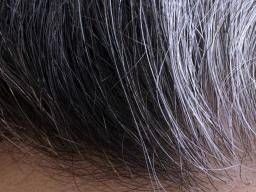
One morning, you lean toward the bathroom mirror and there it is: a tiny silver wire glinting under the lights like it pays rent. Congratulations, your scalp has sent you a postcard from biology. Gray hair can feel mysterious, dramatic, unfair, stylish, or all of the above, but the basic science is surprisingly clear: hair turns gray when the follicles that grow your hair produce less pigment.
That pigment is called melanin. It is the same broad family of pigment that helps determine the color of your skin and eyes. Inside each hair follicle, specialized cells called melanocytes make melanin and transfer it into the growing hair shaft. As we age, those pigment-producing cells slow down, become less reliable, or stop working. The result is hair that grows in gray, silver, or white.
Here is the twist: an individual hair strand does not usually “turn” gray after it has already grown. Once a strand leaves the follicle, its color is mostly set unless you dye it, bleach it, burn it with a styling tool, or have an unusually chaotic relationship with box color. What actually happens is that new hairs grow in with less pigment during later growth cycles.
The short answer: gray hair is a melanin story
Hair color depends on the type and amount of melanin packed into each strand. Dark brown and black hair contain more eumelanin. Blonde and red shades involve different balances of pigment, including pheomelanin. When follicles produce plenty of pigment, hair appears richly colored. When pigment production fades, hair appears gray. When pigment is almost completely absent, hair looks white.
Gray hair is not dead hair, damaged hair, or hair that has given up on life. It is still hair. It simply has less pigment. Think of the follicle as a tiny paint factory. In youth, the factory runs smoothly. Over time, some machines slow down, some workers retire, and eventually the paint shipment becomes inconsistent. The hair keeps growing, but the color department starts taking long lunches.
What happens inside the hair follicle?
Each hair grows from a follicle beneath the skin. During the active growth phase, cells in the follicle divide and form the hair shaft. Nearby melanocytes add pigment as the strand develops. These melanocytes come from a reserve of melanocyte stem cells, which act like the follicle’s backup supply of color-making cells.
As the years pass, that reserve can become depleted or less functional. When fewer melanocytes are available, less melanin enters the hair shaft. The new hair grows in lighter, then gray, then sometimes white. This is why gray hair often appears gradually: one follicle may stop producing pigment while its neighbor is still proudly making dark brown hair like nothing happened.
Why gray hair often starts at the temples
Many people notice their first grays around the temples, hairline, or beard area. Researchers are still studying why certain follicles lose pigment earlier than others, but follicle biology, genetics, local aging patterns, and hair growth cycles all appear to play roles. The process is uneven because follicles do not age in perfect formation. Your scalp is not a marching band; it is more like a neighborhood where each house renovates on its own schedule.
Genetics: the biggest reason hair turns gray
If you want to know when you may go gray, look at your family photos. Genetics is one of the strongest predictors of when gray hair begins, how quickly it spreads, and whether it becomes a few charming silver streaks or a full moonrise on your head.
Some people see their first gray hairs in their teens or twenties. Others stay mostly pigmented into their fifties or beyond. Neither timeline automatically means something is wrong. Hair graying is strongly inherited, and scientists have identified genes involved in melanin production, pigment storage, and follicle aging. One well-known gene linked to graying is IRF4, which helps regulate melanin-related processes.
Ethnic background can also influence the typical timing of gray hair. In general, people of European ancestry often notice graying earlier than people of Asian or African ancestry, though individual variation is huge. Translation: biology loves trends, but it refuses to follow neat calendar reminders.
Does stress really make hair turn gray?
The stress question is famous because it sounds like something your hair would do after reading your email inbox. For years, experts warned that stress was probably blamed too often. Aging and genetics remain the main drivers. However, newer research suggests stress can play a real role in some cases, especially when it affects pigment-producing stem cells.
In animal studies, severe stress activated the body’s fight-or-flight system and affected melanocyte stem cells in hair follicles. Once those pigment-regenerating cells were depleted, the affected hairs could grow in gray. Human hair biology is more complicated, and not every stressful week will turn you into a silver fox by Friday. Still, stress may contribute to premature graying in people who are already genetically susceptible.
Stress may affect hair in more than one way
Stress is also strongly linked to certain types of hair shedding, including telogen effluvium, where many hairs shift into a resting phase and fall out weeks or months after a stressful event. In rare situations, sudden shedding of pigmented hairs may make existing white or gray hairs look more obvious. This may help explain stories of people “going gray overnight.” The hair did not repaint itself at midnight; the darker hairs may simply have left the party.
Oxidative stress: the tiny chemical wear and tear
Another important concept is oxidative stress. This refers to an imbalance between unstable molecules called free radicals and the body’s ability to neutralize them with antioxidants. Oxidative stress can damage cells, including cells involved in pigment production.
Hair follicles are busy little organs with high metabolic activity. Over time, oxidative stress may make melanocytes less effective. Aging itself increases this burden, but lifestyle and environmental factors can add to it. Smoking, chronic inflammation, poor sleep, and nutritional problems may all make the pigment system work harder than it wants to.
Smoking and premature gray hair
Smoking has been associated with premature graying in several studies. The likely explanation involves oxidative stress, reduced blood flow, and cellular damage. Cigarette smoke exposes the body to many chemicals that can increase free-radical activity. Your follicles are not fans. They are small, sensitive, and apparently not impressed by “just one more.”
Quitting smoking will not magically recolor every gray strand, but it can support healthier skin, better circulation, and improved overall hair condition. It is one of the few lifestyle choices that benefits nearly every organ while also giving your future follicles a less hostile workplace.
Nutritional deficiencies and early graying
Most gray hair is normal aging or genetics, not a sign that your diet has personally betrayed you. Still, certain deficiencies have been linked with premature graying, especially when gray hair appears unusually early or alongside fatigue, hair shedding, weakness, pale skin, or other symptoms.
Vitamin B12 deficiency is one of the more commonly discussed nutritional links. B12 supports red blood cell formation and nerve function, and low levels may affect hair health. Deficiencies in iron, copper, zinc, folate, and vitamin D have also been studied in relation to premature graying, though the evidence varies. Copper is especially interesting because it participates in melanin-related enzyme activity.
The key word is deficiency. Taking extra supplements when your levels are already normal is unlikely to reverse gray hair. Hair follicles are not vending machines where you insert a vitamin and receive chestnut brown.
Medical conditions that can affect hair pigment
Some health conditions can contribute to changes in hair color or early graying. These include thyroid disorders, vitiligo, autoimmune conditions, and rare genetic syndromes. Vitiligo, for example, causes loss of pigment in patches of skin and can also affect hair in involved areas. When pigment cells are damaged or absent, hair may grow white in that patch.
Premature graying can also appear with certain forms of alopecia areata, an autoimmune condition that causes patchy hair loss. Sometimes darker hairs are shed more noticeably, leaving lighter hairs behind. Certain medications and medical treatments may also influence pigmentation, though this is less common.
If gray hair appears very suddenly, occurs in childhood, comes with hair loss, or is accompanied by symptoms such as fatigue, weight changes, skin patches, or menstrual changes, it is reasonable to speak with a healthcare professional. The gray hair itself is usually harmless, but it may occasionally be a clue worth checking.
Can gray hair be reversed?
For most people, gray hair cannot be reliably reversed. Once a follicle has lost its pigment-producing capacity, science does not yet offer a proven, widely available treatment that restores natural color permanently. Hair dye works because chemistry is more cooperative than stem cells.
There are rare reports of repigmentation, especially when graying is related to a reversible deficiency, medication effect, or medical issue. For example, if someone has a true vitamin B12 deficiency and it is treated, some improvement may be possible. But if graying is due to age and genetics, supplements, oils, scalp massages, onion juice, and “ancient miracle formulas” are unlikely to bring back your natural color.
What about gray hair supplements and serums?
Many products claim to delay or reverse gray hair by supporting melanin production or reducing oxidative stress. Some ingredients are being studied, and future treatments may become more sophisticated as researchers learn how melanocyte stem cells age. For now, evidence is limited. A healthy diet and scalp care can support hair quality, but they should not be marketed as guaranteed pigment restoration.
Be skeptical of products that promise fast, permanent reversal. If a shampoo could truly restore natural pigment for everyone, it would not be hiding in a suspicious ad next to “dentists hate this toothbrush.” It would be international news.
How to care for gray hair
Gray hair often has a different texture because aging affects the hair shaft, scalp oil production, and cuticle structure. Some people find gray hair feels coarser, drier, wirier, or more prone to frizz. That does not mean gray hair is unhealthy; it may simply need a different routine.
Use a gentle shampoo, condition regularly, and consider a moisturizing mask if your hair feels dry. Heat styling can make gray hair look dull or yellowed, so use a heat protectant and avoid excessive temperatures. Purple shampoo can help neutralize yellow tones in silver or white hair, but it should be used carefully. Too much can leave hair looking faintly lavender, unless that is the plan, in which case: carry on, style icon.
Sun exposure, chlorine, hard water, and pollution can also affect the brightness of gray hair. Wearing a hat outdoors, rinsing after swimming, and using clarifying products occasionally may help keep silver hair looking fresh rather than smoky beige.
Can lifestyle slow down gray hair?
No lifestyle habit can guarantee you will avoid gray hair. Genetics still has the loudest microphone. However, healthy habits may support the best possible environment for your follicles. That includes eating enough protein, getting vitamins and minerals from a balanced diet, sleeping well, managing chronic stress, avoiding smoking, and treating medical conditions such as thyroid disease or nutritional deficiencies.
These habits are not “anti-gray magic.” They are general health basics that may reduce avoidable stress on pigment cells. Even if they do not stop gray hair, they can help improve hair strength, shine, growth, and scalp comfort. That is still a win. Your hair may go silver, but it can do so with dignity and decent hydration.
Common myths about gray hair
Myth 1: Plucking one gray hair makes three grow back
No. Plucking one gray hair does not summon a gray-haired committee. One follicle grows one hair. However, plucking can irritate the follicle and, over time, may damage it. If a gray strand annoys you, trimming is kinder than yanking.
Myth 2: Gray hair means you are unhealthy
Usually false. Gray hair is a normal part of aging and is heavily influenced by genetics. Early graying can sometimes be connected with health factors, but most gray hair is not a medical warning sign.
Myth 3: Stress alone causes all gray hair
Stress may contribute in some cases, but it is not the main explanation for most people. Age, genes, melanocyte stem cell changes, and oxidative stress all matter. Blaming every silver strand on one bad meeting gives that meeting too much power.
Myth 4: Natural remedies can always reverse gray hair
There is no strong evidence that oils, herbs, or special rinses can reliably reverse established gray hair. Some may condition the hair or make it look shinier, but shine is not the same as melanin.
When should you see a doctor about gray hair?
You do not need medical care just because you have gray hair. However, consider checking in with a clinician or dermatologist if graying begins very early, appears suddenly, affects a child, or comes with hair loss, skin color changes, fatigue, weakness, weight changes, or other symptoms. A doctor may consider testing for vitamin B12 deficiency, thyroid disease, anemia, autoimmune conditions, or other concerns based on your history.
It is especially worth asking for help if the emotional impact feels heavy. Hair is personal. It affects identity, culture, confidence, and the way people feel when they see themselves in photos. Whether you choose to color it, blend it, grow it out, or celebrate it like a crown made of moonlight, the best choice is the one that makes you feel most like yourself.
Conclusion: gray hair is biology, not betrayal
Hair turns gray because follicles gradually produce less melanin. The main reasons are aging and genetics, but stress, oxidative damage, smoking, nutritional deficiencies, thyroid disease, vitiligo, and certain medical factors may contribute to premature graying. In most cases, gray hair is normal, harmless, and not reversible. But it is manageable, styleable, and often surprisingly beautiful once you stop treating it like an emergency broadcast from your scalp.
The smartest approach is simple: care for your hair, care for your body, and be realistic about miracle claims. If gray hair arrives early or suddenly, get checked. If it arrives on schedule, welcome to the club. Membership includes better lighting decisions, occasional purple shampoo, and the right to call your silver strands “natural highlights.”
Real-life experiences with gray hair
The first gray hair often arrives like a tiny plot twist. Many people remember the exact moment: leaning into a mirror before work, sitting in a salon chair, or catching a silver flash in a car window. At first, the reaction is rarely calm scientific curiosity. It is more like, “Excuse me, who authorized this?” That single strand can feel symbolic, even though it is simply one follicle changing its production schedule.
Some people laugh it off. They name the strand, take a photo, and text it to a sibling with the caption, “Your turn is coming.” Others feel startled or emotional, especially if gray hair appears in their twenties or thirties. Early graying can feel unfair because society often treats gray hair as a sign of age, even when genetics is the real culprit. A 28-year-old with silver at the temples may not be stressed, unhealthy, or secretly ancient. They may simply have inherited a fast-moving pigment clock from a parent or grandparent.
Family stories make gray hair easier to understand. One person may remember a father who turned fully silver by forty and looked distinguished in every holiday photo. Another may have a grandmother whose dark hair stayed dark into her seventies, causing everyone else in the family to suspect she made a private deal with the melanin department. These patterns are not perfect predictions, but they often give clues. When several relatives went gray early, it is less surprising when the next generation does too.
Salon experiences can also shape how people feel about graying. Some choose full coverage color and feel instantly refreshed. Others prefer highlights or lowlights to blend the transition. A growing number decide to grow out their natural gray, which can be both freeing and awkward. The grow-out phase may involve a stripe, a line, a hat collection, and at least one moment of doubt in fluorescent lighting. But many people who complete the transition say they feel relieved. No more chasing roots every few weeks. No more pretending the silver is not there. The hair becomes honest, and honesty can be stylish.
Men and women often experience gray hair differently because of cultural expectations. A man with gray at the temples is frequently called distinguished. A woman with the same pattern may be told she looks tired, brave, or “natural,” which is not always the compliment people think it is. Fortunately, attitudes are changing. Silver hair is now common on fashion runways, social media, and red carpets. People are realizing that gray hair can look modern, sharp, soft, dramatic, elegant, rebellious, or cozy depending on the cut, care, and confidence behind it.
There is also the stress story. Many people notice more gray hair after a demanding year: a new job, caregiving, exams, grief, a move, or a stretch of poor sleep. Science suggests stress may contribute in some cases, but the experience is rarely simple. Sometimes the grays were already growing and became noticeable during a stressful period. Sometimes hair shedding makes lighter strands stand out. Either way, the mirror becomes a diary. The hair seems to say, “Yes, that was a lot.”
In the end, gray hair is both biological and personal. It is made by follicles, shaped by genes, influenced by health, and interpreted by emotion. For some, it is something to cover. For others, it is something to celebrate. For most, it is a little of both depending on the day, the lighting, and whether they have had coffee. The best experience is not the one that follows a rule. It is the one that lets you look in the mirror and recognize yourself.

