
Body Care
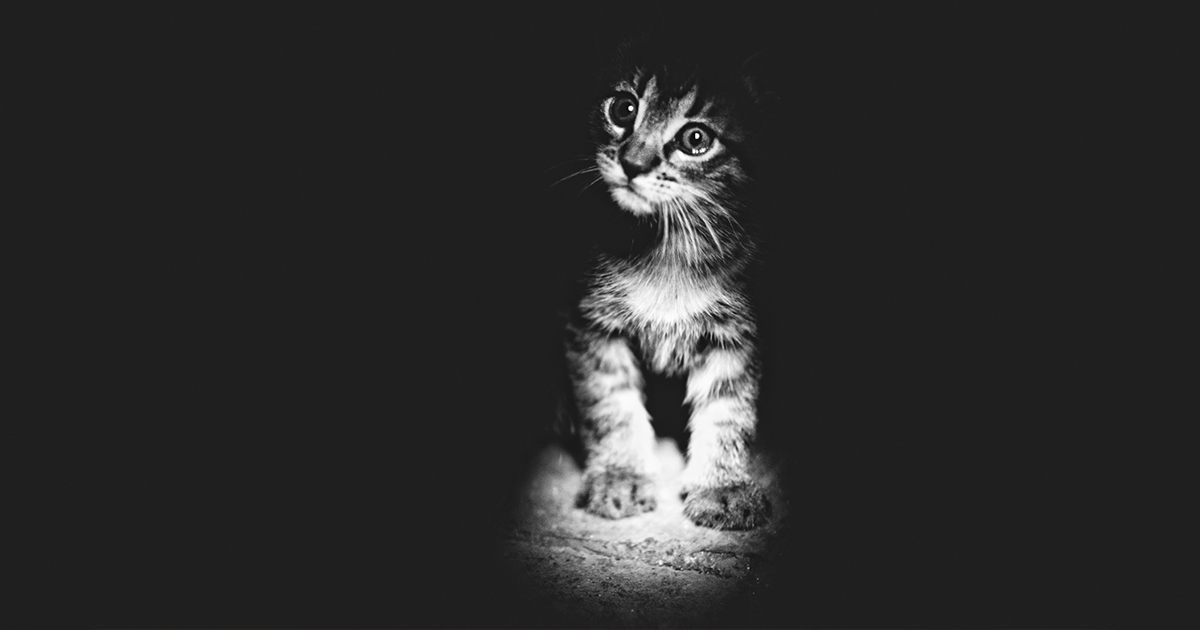
My Black-And-White Catography Reveals Their Hypnotizing Beauty
Jun
Some cats enter a room. Black-and-white cats enter a room like they have a three-picture movie deal, a mysterious backstory, and a tiny tuxedo bill nobody has paid. Their coats are already dramatic: ink-dark masks, white socks, milk mustaches, chest patches, checkerboard paws, and tails that look dipped in midnight. When photographed in monochrome, that natural elegance becomes even stronger. Color steps aside, and suddenly the cat’s eyes, whiskers, posture, fur texture, and attitude take center stage.
That is the magic of black-and-white catography: a playful blend of cat photography, fine-art portraiture, and patient observation. It is not simply taking a cute picture of a cat and removing the color. It is learning how light wraps around fur, how shadows sharpen a silhouette, how a slow blink can become a portrait, and how one loaf-shaped creature can somehow look like a retired film noir detective.
Black-and-white cat photography works because cats are built for mystery. Their bodies are flexible, their movements are precise, and their faces communicate through tiny changes in ears, pupils, whiskers, and posture. A monochrome frame makes those details easier to see. The result feels timeless, intimate, and sometimes hilariously regal. One minute the cat looks like a museum sculpture. The next minute it is licking a plastic bag like it discovered modern cuisine.
Why Black-and-White Cat Photography Feels So Powerful
Color photography can be beautiful, but color can also become noisy. A red blanket, a green toy, a blue laundry basket, and a suspicious orange extension cord can all compete with the subject. Black-and-white photography strips away that visual chatter. It asks a better question: where is the light, where is the shadow, and what emotion is hiding between them?
For black-and-white cats, the answer is often right on the fur. Their coats naturally contain strong contrast, which gives photographers a built-in design element. A white muzzle against a black face can pull attention toward the eyes. White paws against a dark floor can create rhythm. A black tail curling over a pale bedsheet can become a graphic line. Even an ordinary nap can look like a carefully staged editorial spread, provided the cat allows the photographer to live.
The hypnotic role of contrast
Contrast is the heartbeat of monochrome photography. In color, a cat may stand out because its fur differs from the background. In black and white, the image depends on brightness, darkness, and the range of gray tones between them. A black-and-white cat offers a perfect lesson: the photographer must protect detail in the black fur while keeping the white fur from turning into a glowing marshmallow.
This is where soft window light becomes a best friend. Harsh direct flash can flatten fur and produce startled eyes, which is excellent if the creative goal is “small haunted accountant.” Natural side light, however, reveals shape. It gives the cat’s face dimension, highlights the whiskers, and keeps the mood calm. A bright window, a shaded porch, or a softly lit hallway can transform a regular pet photo into a portrait with depth.
Texture becomes the story
When color disappears, texture speaks louder. Short fur looks sleek and polished. Long fur becomes a storm cloud with ears. Whiskers become white brushstrokes. Toe beans, nose leather, and the tiny ridges around the eyes become small visual treasures. Black-and-white catography rewards close looking. The more you notice, the better the image becomes.
A good monochrome cat portrait does not need a dramatic background. A rumpled blanket, a wooden chair, a sunlit windowsill, or a simple wall can work beautifully if the texture supports the subject. The trick is to avoid clutter that steals attention. Cats already bring enough personality to the frame. They do not need a supporting cast of phone chargers, snack wrappers, and one sock of unknown origin.
Black-and-White Cats Are Not One “Type” of Cat
Many people call black-and-white cats “tuxedo cats,” but tuxedo is a coat pattern, not a breed. The pattern can appear in mixed-breed cats and in many recognized breeds. Some have classic black backs and white chests. Others have masks, cow-like patches, white mittens, or dramatic face splits that look as if nature had a graphic design internship.
It is tempting to say black-and-white cats all share one personality, but coat color does not reliably determine character. One black-and-white cat may be a confident social butterfly who greets guests at the door. Another may be a shy philosopher who prefers to observe from under the bed with the expression of someone reviewing your tax records. What matters for photography is not a stereotype but the individual cat’s comfort, rhythm, and body language.
Reading the feline mood before pressing the shutter
Cats communicate constantly, but they do it in whispers rather than announcements. Forward ears often suggest curiosity or engagement. Flattened or sideways ears can mean irritation, fear, or stress. A high, relaxed tail may signal confidence, while a tucked body, tense paws, or enlarged pupils may mean the cat needs space. A slow blink is often a sign of comfort, which is also convenient because it looks unbelievably elegant in black and white.
The best cat photography begins with respect. Never force a pose, chase a cat, or keep shooting when the animal clearly wants a break. A relaxed cat gives better images anyway. The shoulders soften, the eyes settle, the whiskers open naturally, and the whole portrait feels honest. Besides, forcing a cat into cooperation is a bold strategy if you enjoy being silently judged by a creature with knives in its feet.
How to Create Hypnotic Black-and-White Cat Photos
Great catography is part technique, part patience, and part accepting that your model may stop the session to sit in a cardboard box. The following principles help turn everyday cat moments into polished monochrome images.
1. Choose light before location
Light matters more than the room. A plain corner with beautiful light will usually outperform a fancy room with flat lighting. Place the cat near a window where light falls from the side rather than directly from above. Side light reveals the curve of the face, the arch of the back, and the fine edges of whiskers. Backlight can also be magical, especially when it turns fur into a glowing outline.
Watch the white fur carefully. If the chest, paws, or muzzle become too bright, move the cat farther from the light or adjust exposure. If the black fur loses all detail, increase exposure slightly or use a reflector, such as a white poster board, to bounce gentle light back into the shadows.
2. Focus on the eyes
The eyes are usually the emotional anchor of a cat portrait. Even in black and white, eyes carry mood through brightness, shape, catchlight, and gaze direction. A tiny reflection in the eye can make the portrait feel alive. Without that sparkle, the image may feel flat.
For close portraits, focus on the eye nearest the camera. If the cat turns its head, wait for a clean line of sight. A sideways glance can look mysterious. A direct stare can look royal. A half-closed sleepy gaze can look tender. A wide-eyed look at 3 a.m. can look like the cat just saw your search history.
3. Simplify the background
Black-and-white images are unforgiving about messy shapes. A lamp behind the cat may look like a strange hat. Chair legs may become visual clutter. A busy blanket may compete with the coat pattern. Before shooting, check the edges of the frame. Remove distractions or shift your angle.
Simple backgrounds create stronger portraits. A dark wall can make white whiskers shine. A pale bedsheet can outline a black body. A softly textured rug can support the image without stealing attention. Negative space also works well. Leaving room around the cat can make the image feel quiet, graphic, and gallery-ready.
4. Capture behavior, not just appearance
A beautiful cat sitting still is wonderful. A beautiful cat doing something deeply cat-like is better. Photograph the stretch after a nap, the paw reaching under a door, the alert ears during bird-watching, the dramatic yawn that looks like an opera solo, or the proud stance after knocking one pen off the desk. These moments reveal personality.
Black-and-white cat photography thrives on gesture. A curled tail can become a question mark. A lifted paw can create suspense. A shadow on the wall can double the drama. The cat does not need to perform. You simply need to notice when ordinary behavior becomes visually interesting.
5. Shoot in color, edit in monochrome
Many photographers prefer shooting in color, especially in RAW format, then converting to black and white later. This preserves more tonal information and gives better control during editing. Instead of simply desaturating the image, adjust the black-and-white mix, contrast, highlights, shadows, whites, and blacks. This allows you to separate fur tones, brighten the eyes, and keep texture in both dark and light areas.
A gentle S-curve can add depth. Dodging and burning can guide attention toward the face. A small amount of grain can create a classic film feeling. The goal is not to overcook the image until the cat looks like it has joined a 1940s crime syndicate. The goal is to enhance what was already there: form, emotion, and quiet magnetism.
Composition Ideas for Black-and-White Catography
Composition turns a pet photo into a visual story. Because cats are naturally sculptural, even small changes in angle can make a big difference.
Low-angle portraits
Get down to the cat’s eye level. This creates intimacy and makes the viewer feel invited into the cat’s world. A low angle can also make a small cat look powerful, especially when the chest is bright and the face falls into dramatic shadow. Suddenly, the cat is no longer sitting on the carpet. The cat is presiding over a tiny kingdom, and your rent is due.
Close-ups of details
Not every image needs the full cat. Focus on whiskers against shadow, paws on a windowsill, the curve of a tail, or the triangle of ears in silhouette. Detail shots are excellent for building a photo series because they add rhythm and variety. They also help reveal the hypnotizing beauty of black-and-white cats in a quieter way.
Silhouettes and shadows
Place the cat between the camera and a bright window to create a silhouette. This works especially well when the pose is recognizable: a sitting profile, an arched stretch, or a tail lifted like punctuation. Shadows can also become part of the composition. A cat’s shadow on a wall may look larger, stranger, or more dramatic than the cat itself, which is exactly the sort of theatrical nonsense cats seem to appreciate.
Common Mistakes to Avoid
The first mistake is making every image too dark. Black-and-white photography loves shadow, but shadow still needs detail. If the black fur turns into a shapeless blob, the portrait loses dimension. The second mistake is blowing out white fur. Bright areas should glow, not vanish. The third mistake is oversharpening. Fur has texture already; too much sharpening can make it look crunchy, and no cat deserves to resemble breakfast cereal.
Another common mistake is ignoring the cat’s comfort. A nervous cat rarely gives a strong portrait. Give the subject time. Let the cat sniff the camera. Use quiet movements. Keep sessions short. Reward curiosity with treats, play, or simply ending the session when the cat says it is over. The best images often happen when the photographer stops trying to control everything and starts paying attention.
Why These Photos Feel Timeless
Black-and-white catography feels timeless because it removes the date stamp of color trends. Without bright modern distractions, the photograph could belong to yesterday, today, or decades from now. The cat becomes a study in shape and expression. A black ear against a white wall. A white paw tucked beneath a dark body. A pair of eyes glowing from a soft gray face. These are simple elements, but they create strong emotional pull.
There is also something honest about monochrome. It does not need the loudest colors to impress. It asks the viewer to slow down. It invites attention to small things: the patience in a resting pose, the intelligence in a sideways glance, the humor in a cat pretending not to care while absolutely caring. Black-and-white photography turns feline beauty into a quiet performance.
Experience Notes: What Black-and-White Catography Has Taught Me
The first thing I learned from photographing black-and-white cats is that cats do not care about my artistic vision. I may have planned a soft portrait beside the window, but the cat may choose the laundry basket, the floor vent, or the exact spot where the background includes three cables and a suspicious dust bunny. This is not failure. This is catography. The photographer brings the camera; the cat brings the plot twist.
Over time, I learned to prepare the scene before the cat arrived. I would clear a windowsill, place a simple blanket nearby, check the light, and then wait. Waiting is the secret ingredient. Cats are more comfortable when they feel they discovered the scene themselves. If I placed a cat somewhere, the pose lasted about two seconds. If the cat chose the spot, I could sometimes get ten beautiful minutes. That is practically a documentary by feline standards.
I also learned that black-and-white images reveal moods I missed in real time. In color, I might notice the green of a cushion or the warm tone of afternoon light. In monochrome, I notice the curve of the cat’s back, the small lift of one whisker pad, the difference between sleepy eyes and annoyed eyes. Editing becomes a second act of observation. The photograph says, “Look again. You missed something.”
One of my favorite experiences is photographing a black-and-white cat near a window during late afternoon. The light slides across the white chest, softens along the nose, and disappears into the black fur like ink in water. If the cat turns its head just slightly, the whiskers catch the light and become fine silver lines. For a moment, the whole image feels still. Then the cat sneezes, walks away, and sits on the camera bag. Art is humbling.
Another lesson is that imperfection often makes the image better. A tilted ear, a half-yawn, a paw hanging off the edge of a chair, or a look of mild betrayal can add personality. Perfectly posed cats are lovely, but real cats are funnier, stranger, and more moving. The hypnotizing beauty of black-and-white catography is not only in elegance. It is in contrast: grace beside chaos, mystery beside comedy, soft fur beside sharp claws, royal posture beside a sudden need to attack a shoelace.
Photographing black-and-white cats has made me more patient, more observant, and more willing to let a subject lead. It has also filled my camera roll with images that feel both personal and universal. Anyone who has lived with a cat knows that expression: the calm stare, the slow blink, the tiny judgmental pause before turning away. In black and white, that expression becomes iconic. It is not just a pet photo. It is a portrait of presence.
Conclusion
Black-and-white catography reveals what makes cats endlessly fascinating: contrast, elegance, independence, humor, and quiet emotion. For black-and-white cats, monochrome photography feels especially natural because their coats already speak the language of light and shadow. With patient observation, soft lighting, thoughtful composition, and respectful handling, everyday feline moments can become hypnotic portraits.
The secret is not expensive gear or complicated staging. The secret is learning to see like a cat photographer: watch the eyes, follow the light, simplify the frame, protect the fur detail, and be ready when the cat decides to become art for exactly four seconds. Black-and-white cats have always had dramatic beauty. Catography simply gives that beauty a stage.
Note: This article is an original synthesis based on established pet-care guidance, feline body-language principles, and widely accepted black-and-white photography techniques. Add original images before publishing for the strongest reader experience and SEO performance.

