
Hair Care
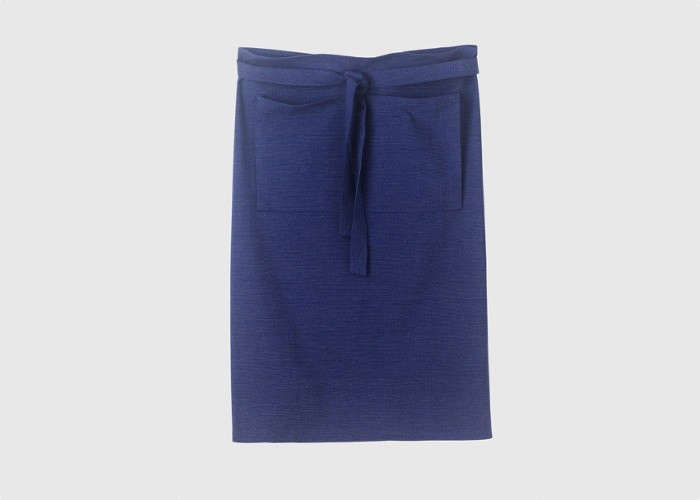
Fine Stripe Waiter’s Apron
Jun
A fine stripe waiter’s apron may look like a simple piece of cloth with a couple of pockets, but anyone who has worked a busy dining room knows better. This little uniform hero carries pens, order pads, wine keys, receipts, straws, table crumbs, emergency mints, and sometimes the emotional weight of a table that just asked for “extra ranch” for the fourth time.
In the world of restaurant uniforms, the fine stripe waiter’s apron sits in a sweet spot between practical workwear and polished hospitality style. It is less bulky than a full bib apron, more refined than a plain black server apron, and far more useful than trying to stuff everything into pants pockets like a magician with poor planning. Its short waist design, subtle striped pattern, cotton construction, and front patch pockets make it especially appealing for servers, bartenders, baristas, hosts, home entertainers, and anyone who wants to look casually professional while carrying more tiny objects than seems reasonable.
This guide explores what makes a fine stripe waiter’s apron worth wearing, how it compares with other restaurant apron styles, what to look for when buying one, how to care for it, and why this humble striped apron continues to have charm in both professional and home settings.
What Is a Fine Stripe Waiter’s Apron?
A fine stripe waiter’s apron is typically a short waist apron designed to tie around the waist and cover the lower front of the body. Unlike a bib apron, it does not cover the chest. Its purpose is mobility, storage, and style rather than full-body protection. The “fine stripe” detail refers to narrow stripes woven or printed into the fabric, often in blue, black, gray, or neutral tones. The result is classic without looking stiff, professional without shouting, “I ironed this apron with the intensity of a military inspection.”
The well-known Fine Stripe Waiter’s Apron associated with Toast and curated by design publications has been described as a short apron made from yarn-dyed cotton, featuring two large front patch pockets, a fabric waist tie, machine-wash care, and a practical size of about 86 cm wide by 72 cm high. Those details help explain why this style has remained attractive: it is simple, useful, washable, and visually calm.
Yarn-dyed cotton is especially relevant because the color is added to the yarn before weaving, rather than printed only on the surface afterward. In everyday terms, that means the stripe pattern can feel more integrated into the fabric. It often looks softer, more natural, and more durable over time than a bold surface print. For a waiter’s apron that may be washed often, folded quickly, tied repeatedly, and brushed against tables all day, that matters.
Why Stripes Work So Well on a Waiter’s Apron
Stripes are one of those design choices that rarely need to apologize for themselves. They are timeless, tidy, and quietly energetic. On a waiter’s apron, fine stripes do several jobs at once.
They Look Professional Without Feeling Corporate
A plain black apron can be sleek, but it may also feel generic. A fine striped apron adds personality while staying neutral enough for restaurants, cafés, wine bars, bakeries, and home kitchens. It suggests craft rather than costume. Think less “uniform issued from a storage closet” and more “someone here probably knows the difference between flaky salt and table salt.”
They Hide Minor Marks Better Than Solid Light Fabric
Restaurants are splash zones with menus. Coffee drips, olive oil flecks, flour dust, sauce smears, and mystery crumbs are part of the landscape. Fine stripes help visually soften small marks between washes. They do not make stains disappear, of course. That would be witchcraft, and unfortunately most linen closets are not zoned for that. But stripes can make a working apron look presentable longer during a shift.
They Pair Easily With Common Uniforms
A fine stripe waiter’s apron works with white shirts, chambray shirts, black tees, denim, chef coats, oxford button-downs, and casual workwear. That flexibility makes it useful for businesses that want a coordinated look without forcing every team member into the exact same outfit. A striped waist apron can bring the visual identity together while letting staff remain comfortable.
Fine Stripe Waiter’s Apron vs. Bib Apron
Choosing between a waist apron and a bib apron depends on the job. A bib apron covers the chest and usually extends toward the knees. It is ideal for chefs, prep cooks, dish-heavy kitchen work, grilling, baking, or messy tasks where splatters are expected. A waiter’s apron, by contrast, is more about lower-body coverage, fast movement, and accessible storage.
For front-of-house roles, a waist apron often makes more sense. Servers need to move quickly between tables, reach for order pads, carry payment slips, and stay comfortable during long shifts. A short striped server apron avoids neck straps, chest coverage, and extra heat. It also keeps the upper outfit visible, which is useful in restaurants where shirts, vests, or branded tops are part of the overall look.
That said, if a server also works behind a coffee bar, handles messy sauces, or helps run food in a very active kitchen, a bib apron may offer better protection. The fine stripe waiter’s apron is best when the job calls for polish, pockets, and freedom of movement rather than full splash defense.
Material Matters: Why Cotton Is a Classic Choice
Cotton remains one of the most popular apron fabrics because it is breathable, comfortable, and easy to wash. A 100% cotton waiter’s apron feels natural against clothing and tends to soften with use. In a dining room or café, where staff may wear an apron for hours, comfort is not a luxury. It is the difference between “great shift” and “why does this thing feel like a decorative sandbag?”
Cotton also suits the fine stripe look. It gives the apron a relaxed texture that feels appropriate for modern hospitality spaces: farm-to-table restaurants, bakeries, coffee shops, wine bars, boutique hotels, and stylish home kitchens. While polyester blends may dry faster and resist wrinkles better, cotton has a tactile charm that many people prefer.
For commercial use, buyers should consider fabric weight. Too light, and the apron may feel flimsy once pockets are loaded. Too heavy, and it can become uncomfortable during warm service. A good waiter’s apron should land in the middle: sturdy enough to hold tools, soft enough for daily wear, and washable enough to survive a tomato-based incident without becoming a tragic textile memorial.
The Importance of Pockets
A waiter’s apron without pockets is basically a decorative napkin with ambition. The front pockets are the main reason many servers choose this style. Two large patch pockets can hold the small items that keep service moving smoothly: pens, guest checks, wine keys, bottle openers, small notebooks, handheld ordering devices, receipts, sanitizing wipes, and sometimes a snack that definitely was not eaten near guests.
Good pocket design should balance capacity and neatness. Pockets that are too shallow let items fall out when bending. Pockets that are too deep turn every search for a pen into an archaeological dig. A divided pocket can help separate tools, while two large patch pockets offer flexibility. The best choice depends on the work. Bartenders may want a wine key and opener within reach. Servers may prioritize pens and order pads. Baristas may use pockets for towels, tasting spoons, or small café tools.
Who Should Use a Fine Stripe Waiter’s Apron?
The fine stripe waiter’s apron is versatile enough for professional and personal use. It is not just for waiters, despite the name. In modern hospitality, it can work beautifully for many roles.
Restaurant Servers
Servers benefit from the short length, easy tie waist, and practical pockets. The striped design adds a touch of character while still feeling clean and professional. For casual fine dining, bistros, brunch restaurants, and neighborhood cafés, it hits the right note: polished but not precious.
Bartenders and Barbacks
A waist apron gives bartenders quick access to tools without restricting movement. It also keeps small splashes off clothing when pouring, polishing, slicing citrus, or shaking cocktails. Fine stripes look especially good in bars with vintage, European, coastal, or minimalist interiors.
Baristas
For coffee shops, a fine stripe apron has the right visual language. It says craft, care, and “yes, we know your oat milk preference is a lifestyle.” Cotton is comfortable for long shifts, and pockets help carry small tools used around the counter.
Home Cooks and Hosts
At home, a striped waiter’s apron is perfect for dinner parties, grilling sides indoors, setting tables, serving wine, or preparing a meal without committing to a full chef look. It also makes hosting feel a little more intentional. You may still burn the first batch of crostini, but at least you will look composed while opening a window.
Florists, Makers, and Shop Staff
Because the apron is simple and pocket-friendly, it can also work outside food service. Florists, ceramicists, boutique shop workers, market vendors, and craft instructors may appreciate its combination of style and utility.
How to Style a Fine Stripe Waiter’s Apron
One of the best things about a fine stripe waiter’s apron is how easy it is to style. For a classic restaurant look, pair it with a white oxford shirt, dark trousers, and comfortable black shoes. For a modern café uniform, try it with a black T-shirt, denim, and sneakers. For a coastal or rustic look, wear it over chambray, linen, or a soft neutral shirt.
If the apron has blue stripes, it pairs especially well with navy, white, gray, cream, and denim. Black or charcoal stripes lean more urban and work well with monochrome uniforms. Thin stripes are easier to mix than bold stripes because they read almost like texture from a distance.
For restaurants, consistency is key. Staff do not need identical outfits, but the apron should fit into a clear visual system. A fine stripe apron can be the unifying piece across different shirts or roles. For example, servers might wear striped waist aprons, bartenders might wear striped bib aprons, and hosts might use the same stripe pattern in a scarf or pocket square. That level of coordination tells guests the place has thought through details. Guests may not consciously notice it, but they feel it.
Buying Guide: What to Look For
When shopping for a fine stripe waiter’s apron, look beyond the first pretty picture. A good apron has to survive real use, not just look charming while leaning against a sourdough loaf in product photography.
Check the Fabric
Look for cotton, cotton twill, yarn-dyed cotton, or a durable cotton blend. Cotton offers comfort and breathability, while blends can add wrinkle resistance and faster drying. For daily restaurant use, slightly heavier fabric usually performs better than thin decorative cotton.
Look at the Pockets
Two large front pockets are useful for most servers. Divided pockets can help organize pens and tools. Reinforced pocket corners are a bonus because pockets take a lot of stress during a shift.
Measure the Length and Width
A waiter’s apron should give enough coverage without limiting stride. A size around 86 cm wide by 72 cm high, similar to the classic Fine Stripe Waiter’s Apron dimensions, offers generous coverage for a short waist style. Shorter aprons may be better for quick-service environments, while longer half aprons can look more formal.
Evaluate the Waist Ties
Fabric ties should be long enough to knot securely, ideally with enough length to tie in front if preferred. Thin ties can dig in, while overly bulky ties may feel awkward. A comfortable tie is a small detail until hour six of a dinner rush, when it becomes a major character in your personal drama.
Consider Washability
Machine-wash care is important for both home and professional use. Aprons used around food should be washed regularly, especially when exposed to grease, strong odors, spills, or visible soil. Always follow the care label, avoid excessive heat if shrinkage is a concern, and wash similar colors together to keep stripes looking sharp.
Care Tips for Keeping a Striped Waiter’s Apron Fresh
A fine stripe waiter’s apron is made to work, but proper care will help it last longer. Shake out crumbs before washing. Pre-treat stains as soon as possible, especially oil, tomato sauce, coffee, wine, and chocolate. Wash with similar colors, using a gentle or normal cycle depending on the care instructions. Warm water can help with food soils, but very hot water may shrink cotton or fade darker stripes.
For drying, low heat is safer than high heat. Removing the apron while slightly damp and smoothing it by hand can reduce wrinkles. If the apron is cotton and you want a crisp restaurant look, a warm iron can help. If you prefer the relaxed bistro look, a few wrinkles are not a scandal. They say, “I work with my hands,” not “I lost a fight with the laundry basket.”
Restaurants should keep enough aprons in rotation so staff are not forced to reuse dirty ones. A clean apron supports food safety, guest confidence, and staff pride. It also prevents the unfortunate situation where yesterday’s soup special becomes today’s mysterious aroma.
Why This Apron Style Still Feels Modern
The fine stripe waiter’s apron has staying power because it fits several modern trends at once. First, hospitality spaces increasingly care about visual identity. Uniforms are no longer afterthoughts; they are part of the guest experience. Second, practical workwear has become fashionable beyond the workplace. Aprons now appear in stylish kitchens, maker studios, boutique retail, and lifestyle photography because they communicate craft and authenticity.
Third, consumers are paying more attention to durable, useful goods. A simple cotton striped apron feels refreshingly honest. It does not need Bluetooth. It does not require an app. It does not send you push notifications reminding you to dice onions. It just ties at the waist, holds your tools, and gets on with the job.
Fine Stripe Waiter’s Apron for Branding and Hospitality Design
For restaurants and cafés, a fine stripe apron can support branding without loud logos. The stripe pattern itself becomes a visual signature. A blue fine stripe can suggest freshness, coastal simplicity, or European café culture. A black fine stripe can feel classic, urban, and sharp. A gray fine stripe can look modern and understated.
Businesses can also add subtle embroidery, such as a small logo near the pocket or waist. The key word is subtle. If the apron already has a refined stripe, oversized branding may fight the design. A good hospitality uniform should make staff look approachable and capable, not like walking billboards with pens.
Specific Examples of How It Works in Real Settings
Imagine a small oyster bar with white tile, marble counters, and navy stools. A blue fine stripe waiter’s apron instantly fits the space. It echoes nautical style without going full sailor costume. Staff can carry wine keys, guest checks, and polishing cloths while looking tidy and relaxed.
Now picture a neighborhood bakery. The same apron over a cream T-shirt or chambray shirt feels warm and artisanal. Flour dust will happen. That is not a flaw; that is bakery weather. The striped cotton apron keeps the look charming rather than chaotic.
In a wine bar, a fine stripe apron works with dark shirts and leather shoes. It gives servers a place for corkscrews and pens while softening the formality of the room. In a home kitchen, it turns a casual dinner into something that feels hosted, even if the main course came from a recipe you read twice and still questioned.
Experience Notes: Living With a Fine Stripe Waiter’s Apron
The first thing you notice when using a fine stripe waiter’s apron is how natural it feels compared with larger apron styles. A bib apron has its place, especially when sauce is flying and flour has declared independence, but a waist apron is lighter and quicker. You tie it on, load the pockets, and move. There is no neck strap to adjust, no chest panel to warm you up, and no feeling that you have dressed for a blacksmithing internship when all you wanted was to serve pasta.
In a dining-room setting, the pocket placement becomes the star. Pens stay on one side, order slips or a small notebook on the other. If the pockets are large enough, they can hold a phone or handheld payment device, though it is wise not to overload them. A sagging apron pocket is never elegant. It looks like the apron is trying to quit before you do.
The fine stripe pattern also changes how the apron feels emotionally. A plain apron is useful, but a striped one has personality. It gives the wearer a small confidence boost, the same way a good shirt or polished shoes can. Guests may not comment on it, but they register the overall impression: clean, prepared, stylish, and attentive. In hospitality, those visual cues matter because service begins before anyone says hello.
At home, the experience is slightly different but equally satisfying. A fine stripe waiter’s apron is excellent for dinner parties because it does not feel overly chef-like. You can wear it while plating appetizers, setting the table, pouring drinks, or moving between kitchen and dining room. It protects your clothes without hiding your whole outfit. That is useful when you want to look like a relaxed host rather than someone who accidentally wandered out of a restaurant kitchen.
The apron also encourages better habits. With pockets available, you stop leaving tasting spoons, towels, corkscrews, and recipe notes all over the counter. Everything has a temporary home. The apron becomes a small mobile workstation. Once you get used to it, cooking without one feels oddly unprepared, like leaving the house without keys.
Care is straightforward, but the best experience comes from treating the apron as real workwear. Wash it before stains settle. Keep a second apron if you cook or host often. Smooth it after drying. Do not panic over every wrinkle. Cotton has a lived-in quality, and fine stripes look especially good with a little softness. The goal is not sterile perfection; it is clean, capable charm.
After repeated use, a good fine stripe waiter’s apron becomes familiar in the best way. The ties soften, the pockets remember your tools, and the fabric develops character. It becomes part of the ritual: tie the apron, check the pockets, start the shift, greet the table, pour the coffee, plate the salad, rescue the napkin, smile through the chaos. A small garment, yesbut a surprisingly loyal one.
Conclusion
The Fine Stripe Waiter’s Apron proves that practical design does not have to be boring. With its short waist shape, cotton fabric, narrow stripe pattern, useful patch pockets, and easy machine-wash care, it offers the right blend of function and style for servers, bartenders, baristas, makers, and home hosts. It is light enough for movement, polished enough for service, and classic enough to stay relevant long after louder trends have spilled soup on themselves.
Whether used in a restaurant, café, wine bar, bakery, boutique, studio, or home kitchen, a fine stripe waiter’s apron brings order to the small tools of work and charm to the everyday act of serving. It is not just an apron. It is a pocketed peace treaty between style and usefulness.

