
Hair Care
How to Fix a Blown Fuse: Simple Steps for Homes & Cars
Jun
A blown fuse has a dramatic way of introducing itself. One second your lamp, microwave, dashboard outlet, or car radio is living its best electrical life. The next second: silence. Darkness. Suspicion. Before you accuse the toaster of treason or your car of having a personality problem, take a breath. A fuse may have simply done its job.
Learning how to fix a blown fuse is a useful skill for homeowners and drivers because fuses are designed to protect wiring and electrical components from too much current. In plain English, a fuse is the tiny hero that sacrifices itself so your wires, appliances, or car electronics do not turn into expensive smoke signals.
This guide explains how to identify a blown fuse, replace it safely, and know when the problem is bigger than a simple swap. We will cover both home fuse boxes and car fuse panels, with practical examples, safety warnings, and a few “please do not do that” momentsbecause electricity is helpful, but it does not appreciate improvisational jazz.
What Is a Blown Fuse?
A fuse is an overcurrent protection device. It contains a metal element that melts when too much electrical current passes through it. Once that metal strip melts, the circuit opens and power stops flowing. That is why a blown fuse cannot be reset like a circuit breaker. It must be replaced with a new fuse of the correct type and amperage.
In a home, a blown fuse may shut off power to lights, outlets, or a major appliance. In a vehicle, it may disable a specific feature such as the radio, interior lights, power windows, cigarette lighter, charging port, wipers, or headlights. The good news is that many fuse replacements are simple. The serious news is that a fuse that blows repeatedly is not “being dramatic.” It is warning you that something is wrong.
Common Signs of a Blown Fuse
The first clue is usually a sudden loss of power in one area. In a house, one room may go dark while the rest of the home still works. In a car, one electrical accessory may stop working while the engine runs normally. Other signs include a fuse with a broken metal strip, darkened glass, melted plastic, or a burnt smell near the fuse panel.
For home fuse boxes, older screw-in fuses often have a small glass window where you can see the metal element. If it is broken, cloudy, or scorched, the fuse is likely blown. For car blade fuses, hold the fuse up to light and look for the small metal bridge inside. If the bridge is broken, the fuse has failed.
Safety First: Before You Touch Any Fuse
Before replacing a fuse at home, turn off or unplug devices connected to the affected circuit. If you are working near a home fuse box, make sure your hands are dry, stand on a dry surface, and use a flashlight instead of poking around like a raccoon in a toolbox. Never insert coins, foil, wire, or a larger fuse as a “temporary” fix. That is not a repair; that is an invitation to a fire department visit.
For vehicles, turn the ignition off, remove the key, and switch off the affected accessory. In many cars, the fuse panel is under the dashboard, inside the glove box area, in the engine compartment, or in the trunk. Your owner’s manual is your best friend here. It knows where the fuses live and does not judge you for forgetting.
Tools You May Need
- A flashlight
- Replacement fuses with the correct amperage rating
- A fuse puller or needle-nose pliers for car fuses
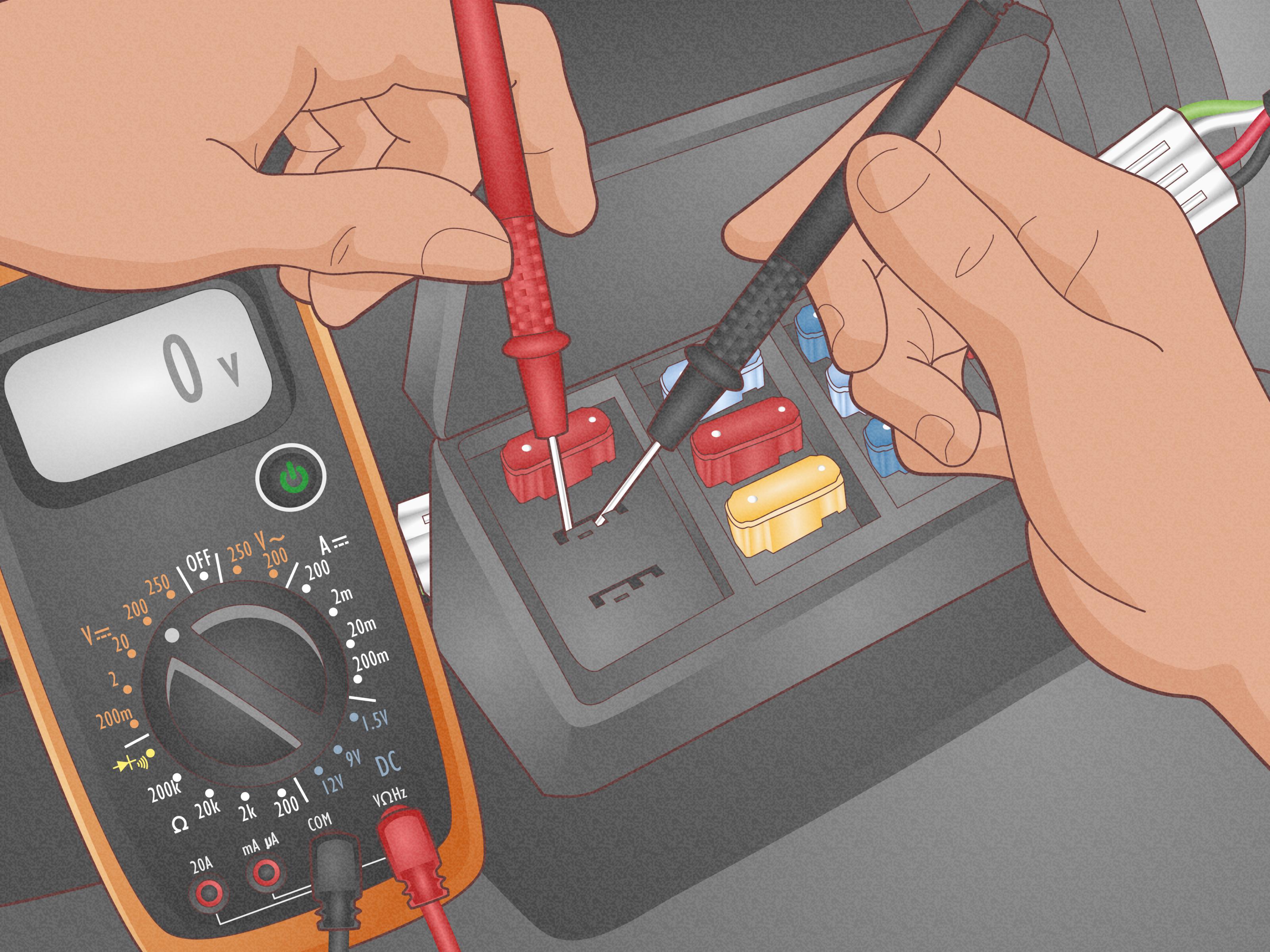
- A multimeter or continuity tester, if visual inspection is unclear
- Your home circuit directory or vehicle owner’s manual
- Dry gloves for grip, not as a license to touch live parts
The most important “tool” is the correct replacement fuse. Match the amp rating exactly. If the old fuse is 15 amps, use a 15-amp fuse. If your car fuse is a 10-amp mini blade fuse, replace it with the same style and rating. Using a larger fuse may keep the power on, but it can allow wiring to overheat. That is like fixing a smoke alarm by removing the batteries because the beeping was annoying.
How to Fix a Blown Fuse in a Home
Step 1: Identify the Affected Circuit
Start by noticing what stopped working. Did the bedroom lights go out? Did a kitchen outlet die after you ran the microwave and toaster together? Did an older appliance cause the issue? This detective work helps you avoid replacing the wrong fuse and helps you spot overload patterns.
If your fuse box is labeled, look for the circuit name. If it is not labeled, now is a wonderful time to begin labeling it after power is restored. Future-you will be grateful. Future-you may even say nice things about present-you.
Step 2: Turn Off Appliances on That Circuit
Unplug or switch off devices connected to the affected circuit. A fuse often blows because too many devices were pulling power at once, or because one appliance has a fault. If you replace the fuse while everything is still demanding power, the new fuse may blow immediately.
Step 3: Turn Off Main Power If Needed
For simple screw-in fuse replacement, some homeowners replace the fuse carefully without shutting off the main disconnect, but the safer approach is to turn off the main power when available. If you are dealing with cartridge fuses, main fuses, damaged fuse holders, exposed wiring, buzzing, sparks, heat, or uncertainty, stop and call a licensed electrician.
Step 4: Find the Blown Fuse
Look for a screw-in fuse with a broken or burned internal strip. A cartridge fuse may not show visible damage, so testing with a multimeter may be needed. If you are not comfortable testing electrical components, do not guess. Home electrical systems are not a great place to practice bravery.
Step 5: Remove the Blown Fuse
For a screw-in fuse, turn it counterclockwise, similar to removing a light bulb. Do not put your finger inside the socket. Do not use metal tools inside the fuse holder. If the fuse is stuck, cracked, or the panel looks damaged, call a professional.
Step 6: Install the Correct Replacement Fuse
Check the amperage printed on the old fuse and install the same rating and type. Common household branch circuits may use 15-amp or 20-amp fuses, but you should never assume. The wiring size and circuit design determine the correct fuse. A 20-amp fuse does not make a 15-amp circuit “stronger.” It makes it less protected.
Step 7: Restore Power and Test
After the replacement fuse is seated securely, restore power and test the lights or outlets. If everything works, plug devices back in one at a time. If the new fuse blows immediately, do not keep feeding it new fuses like coins into a stubborn vending machine. You likely have a short circuit, faulty appliance, damaged wiring, or overloaded circuit.
How to Fix a Blown Fuse in a Car
Step 1: Confirm the Symptom
Car fuses usually protect individual systems. If your radio, 12-volt outlet, power mirror, dome light, or windshield washer stops working, a fuse is a likely suspect. If the whole vehicle is dead, you may be dealing with the battery, alternator, starter, main fuse, or another larger issue.
Step 2: Turn the Vehicle Off
Switch off the ignition and remove the key. For push-button vehicles, make sure the car is fully off. This helps protect the circuit and prevents accidental shorts while you inspect the fuse panel.
Step 3: Locate the Fuse Box
Most vehicles have more than one fuse box. Common locations include under the steering wheel, behind a small dashboard cover, inside the glove box, under the hood, or in the cargo area. The fuse box cover often has a diagram showing which fuse controls which component.
Step 4: Find the Correct Fuse
Use the diagram on the fuse panel cover or the owner’s manual. Look for labels such as “RADIO,” “P/OUTLET,” “CIG,” “DOME,” “WIPER,” “HORN,” or “HEAD LAMP.” Modern cars can have many fuses, so do not pull random ones unless you enjoy creating new problems as a hobby.
Step 5: Remove the Fuse Carefully
Use the plastic fuse puller stored in the fuse box if your car includes one. If not, use needle-nose pliers gently. Pull straight out. Car fuses are small and can crack if twisted or crushed.
Step 6: Inspect or Test the Fuse
Hold the fuse up to light. A good blade fuse has an unbroken metal bridge inside. A blown fuse has a broken bridge, dark spot, or melted area. If you cannot tell, use a multimeter set to continuity. No continuity usually means the fuse is blown.
Step 7: Replace It With the Same Rating
Install a fuse of the exact same amperage and style. Automotive fuses are color-coded by rating, but always read the number printed on top. Never replace a 10-amp fuse with a 20-amp fuse to “see what happens.” What happens may be melted wiring, damaged electronics, or a repair bill that laughs at your wallet.
Step 8: Test the Component
Push the new fuse fully into place, reinstall the cover, turn the vehicle on, and test the affected component. If it works, great. If the fuse blows again, the circuit may have a short, water intrusion, damaged wiring, failed motor, or defective accessory. At that point, a qualified mechanic or automotive electrician should diagnose it.
Why Fuses Blow in Homes
The most common cause is an overloaded circuit. For example, running a space heater, hair dryer, and vacuum on the same older circuit may demand more current than the wiring is designed to handle. The fuse opens the circuit before the wiring overheats.
Another cause is a short circuit, which happens when hot current takes an unintended path, often because of damaged insulation, loose connections, faulty devices, or moisture. Ground faults can also blow fuses. If a fuse blows when a certain appliance is plugged in, unplug that appliance and have it inspected or replaced.
Older homes with fuse boxes may also have limited electrical capacity compared with modern homes. A 60-amp fuse service may have been reasonable decades ago, when homes did not contain central air conditioning, multiple computers, giant refrigerators, countertop appliances, gaming systems, and enough chargers to power a small moon base.
Why Fuses Blow in Cars
In vehicles, a fuse may blow because of a failing component, damaged wiring, aftermarket accessories, water leaks, corrosion, or a device drawing too much current. A phone charger that shorts internally can blow a power outlet fuse. A wiper motor working too hard may blow a wiper fuse. A trailer wiring problem can take out lighting fuses.
If a replacement fuse blows instantly, do not keep replacing it. That repeated failure is useful information. It tells you the fuse is not the problem; it is the messenger. Be kind to the messenger.
Fuse vs. Circuit Breaker: What Is the Difference?
A fuse melts and must be replaced. A circuit breaker trips and can usually be reset after the problem is corrected. Both are designed to protect circuits from too much current. Many modern homes use breaker panels rather than fuse boxes, but older houses may still have fuses.
If you have an older fuse box and fuses blow frequently, consider having an electrician evaluate the panel, wiring, grounding, and total service capacity. Upgrading to a modern breaker panel may improve convenience and allow updated safety features, but it must be done by a licensed professional and in compliance with local code.
What Not to Do When Replacing a Fuse
- Do not install a higher-amp fuse than specified.
- Do not wrap a blown fuse with foil.
- Do not bypass a fuse with wire, coins, screws, or mystery metal.
- Do not ignore buzzing, burning smells, sparks, or hot outlets.
- Do not use extension cords as permanent wiring.
- Do not replace main home fuses if you are unsure what you are touching.
- Do not keep replacing fuses that blow repeatedly.
When to Call a Professional
Call a licensed electrician if a home fuse blows repeatedly, the panel feels warm, you smell burning, lights flicker often, outlets are discolored, or you see damaged wiring. You should also call a professional for cartridge fuses, main fuses, panel upgrades, or any work beyond simple fuse replacement.
Call a mechanic if a car fuse keeps blowing, especially for safety-related systems such as headlights, brake lights, airbags, ABS, fuel pump, engine control, or cooling fans. Replacing a fuse is simple. Diagnosing why it keeps blowing requires tools, wiring diagrams, and sometimes the patience of a saint with a scan tool.
Practical Example: The Kitchen That Went Dark
Imagine you plug in a toaster oven, start the microwave, and run a coffee grinder on the same kitchen circuit. Suddenly, the lights stay on, but the outlets quit. In an older home with a fuse box, the branch circuit fuse may have blown because the combined load was too high.
The correct fix is to unplug the appliances, replace the fuse with the same amp rating, and avoid running those high-demand devices together on the same circuit. The incorrect fix is to use a larger fuse and proudly announce, “Problem solved.” The problem is not solved. It is now hiding inside the wall wearing a tiny villain cape.
Practical Example: The Car Charger That Killed the Outlet
Suppose your phone charger stops working in your car’s 12-volt outlet, but the radio and lights still work. You check the owner’s manual, find the fuse labeled “P/OUTLET” or “CIG,” and see that the 15-amp fuse is blown. You replace it with another 15-amp fuse, test the outlet, and it works again.
If the fuse blows again as soon as you plug in the charger, the charger may be defective. Try a different charger after replacing the fuse once. If the fuse still blows, the outlet or wiring may need professional inspection.
How to Prevent Blown Fuses
At home, spread high-wattage appliances across different circuits. Plug space heaters directly into wall outlets, not power strips. Replace damaged cords. Avoid using extension cords permanently. Keep panels accessible and labeled. If your home still has an old fuse box, schedule an electrical inspection, especially before adding major appliances.
In your car, keep spare fuses in the glove box, use quality chargers and accessories, avoid overloading 12-volt outlets, and check trailer or aftermarket wiring if lighting fuses fail. Moisture and corrosion can also cause electrical faults, so investigate leaks around fuse panels or lights.
Experience Notes: What Real Fuse Problems Usually Teach You
After dealing with blown fuses in both homes and cars, one lesson becomes clear: the fuse is rarely the villain. It is usually the honest little witness at the scene. When a fuse blows, it is telling you, “Something asked for more current than this circuit should provide.” That message is useful, and ignoring it can turn a small fix into a large repair.
In older homes, the most common experience is inconvenience caused by modern electrical habits. A house built decades ago may have been wired for lamps, a refrigerator, a television, and a few basic appliances. Today, that same circuit might be asked to power a laptop, printer, air fryer, portable heater, gaming console, phone chargers, and a suspiciously powerful blender that sounds like it could mulch a fence post. When a fuse blows in that situation, the solution is not a bigger fuse. The solution is better load management or an electrical upgrade.
A useful habit is to notice timing. Did the fuse blow the instant one appliance started? That appliance may be faulty or too demanding for the circuit. Did it blow after several devices ran together? That suggests overload. Did it blow even with everything unplugged? That is more concerning and may point to wiring trouble. Patterns matter.
Car fuse experiences are similar but usually more targeted. When only one feature stops working, the fuse panel diagram becomes your map. A dead power outlet after using a cheap charger is a classic example. Replacing the fuse often restores power, but if the same charger blows the new fuse, the charger belongs in the trash, not back in the socket for “one more try.” Electricity does not reward optimism.
Another real-world lesson is to keep spare fuses organized. For a car, a small assortment of mini, low-profile mini, or standard blade fuseswhichever your vehicle usescan save time. For a home with a fuse box, keep correct replacement fuses on hand, but do not stock larger ratings “just in case.” The correct rating is the safety feature.
The best experience-based advice is simple: replace once, observe carefully, and respect repeat failures. If the fuse holds, you likely solved a minor overload or temporary fault. If it blows again, stop replacing and start diagnosing. That is the moment to call an electrician or mechanic. A fuse is inexpensive; wiring, panels, modules, and fire damage are not.
Conclusion
Knowing how to fix a blown fuse can save time, money, and frustration, whether you are restoring power to a room or reviving a dead car accessory. The basic steps are straightforward: identify the affected circuit, turn things off, remove the blown fuse safely, replace it with the exact same rating and type, and test the system.
The golden rule is never oversize or bypass a fuse. A fuse is not there to annoy you. It protects wiring, appliances, vehicle electronics, and, most importantly, people. If a fuse blows once, it may be a simple fix. If it blows repeatedly, it is a warning sign worth taking seriously.
Treat fuses like small safety guards. They may be tiny, quiet, and cheap, but when they do their job, they can prevent a much bigger problem. Give them the respect they deserveand maybe keep a flashlight handy, because blown fuses have excellent comedic timing.

