
Makeup
How to Use a Pumice Stone: The Ultimate Guide
Jun
Some beauty tools look intimidating. Others look expensive. And then there is the pumice stone: a small, holey volcanic rock that looks like it was rescued from a science fair volcano and given a job in foot care. Do not underestimate it. Used correctly, a pumice stone can help smooth rough heels, soften calluses, polish dry patches, and make your feet feel less like they have been hiking through the desert since 1997.
But “used correctly” is doing a lot of work in that sentence. A pumice stone is not a cheese grater, a power sander, or an emotional support rock you rub aggressively on your skin while watching TV. It is a gentle exfoliating tool designed to remove dead, thickened skin gradually. The goal is smoother skin, not a dramatic foot renovation project that ends with bandages.
This ultimate guide explains how to use a pumice stone safely, when to use it, where not to use it, how often to exfoliate, how to clean your pumice stone, and what mistakes to avoid. We will also cover real-world experience, because foot care advice should be practical enough to survive a Monday night bathroom routine.
What Is a Pumice Stone?
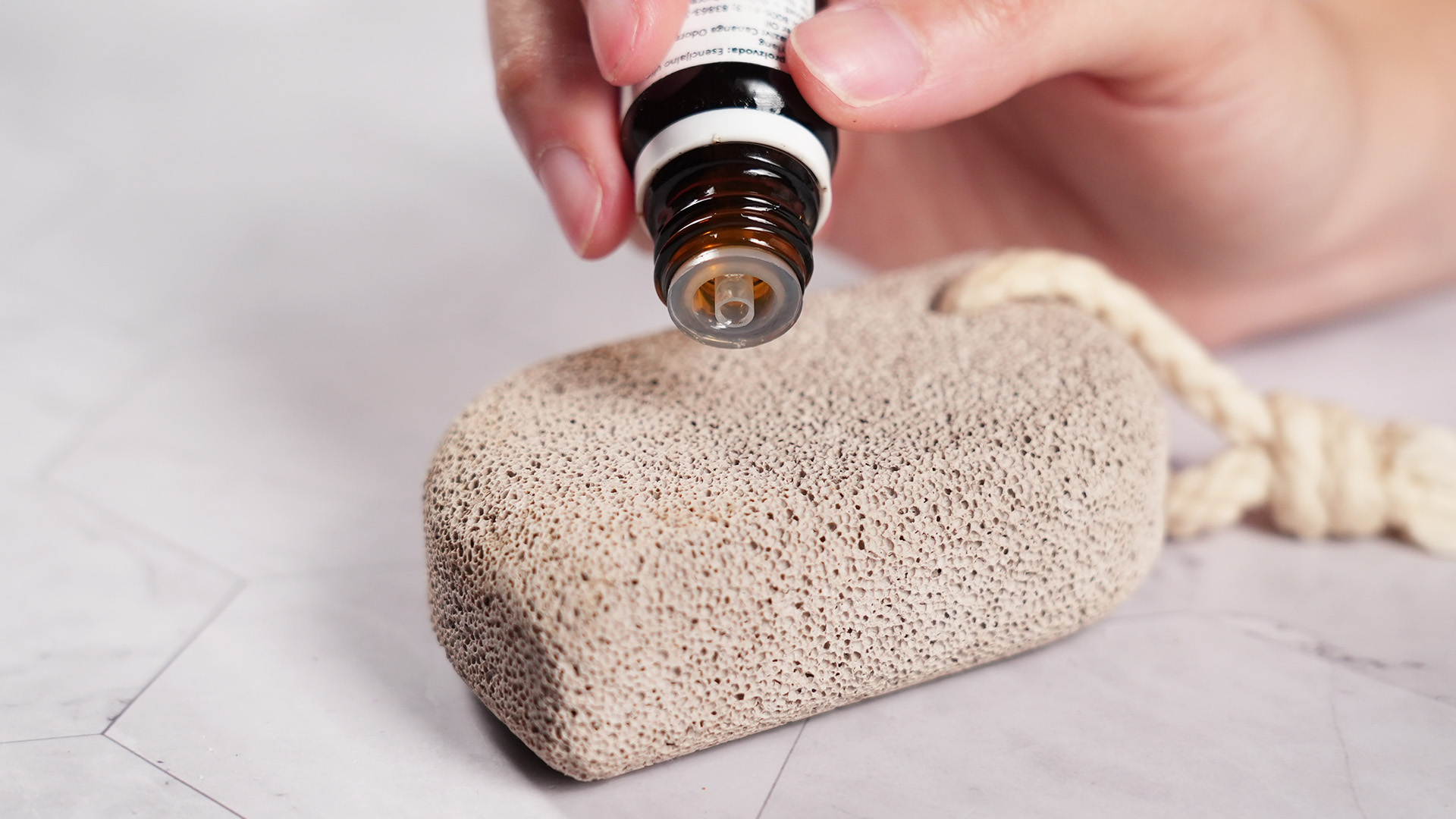
A pumice stone is a lightweight, porous volcanic rock formed when lava cools quickly and traps gas bubbles. Those tiny holes give pumice its rough texture, which makes it useful as a natural exfoliating tool. In skin care, pumice stones are commonly used to smooth calluses, corns, and rough dead skin on the feet, hands, elbows, and sometimes knees.
Its texture works like very gentle sandpaper. When rubbed over softened skin, it loosens and removes the top layer of dead skin cells. That makes it especially helpful for thick heel skin, dry patches on the soles, and calluses caused by pressure or friction from shoes, workouts, gardening, weightlifting, or simply being a human who walks around on feet.
Benefits of Using a Pumice Stone
It Helps Smooth Rough Feet
The most popular reason people use a pumice stone is to soften rough heels and soles. Dry, thick skin can make feet feel scratchy, uncomfortable, or snaggy in socks. A few careful minutes with a wet pumice stone can help buff away dead skin and leave the surface smoother.
It Can Reduce Calluses Gradually
Calluses form when the skin protects itself from repeated pressure or friction. They are common on feet and hands, especially around the heels, balls of the feet, toes, palms, and fingers. A pumice stone can help thin calluses over time, but it should not remove them completely in one session. Think “soften and manage,” not “erase and regret.”
It Makes Moisturizer Work Better
Moisturizer has a tough job when it is sitting on top of a thick layer of dead skin. After gentle pumice exfoliation, creams and lotions can absorb more effectively. This is why the best pumice stone routine always ends with moisturizer. Skipping that step is like washing your car and then parking it under a tree full of birds.
It Is Affordable and Easy to Use
Pumice stones are inexpensive, widely available, and simple to use at home. Unlike complicated skin-care gadgets with 14 settings and a charging cable you will lose immediately, a pumice stone just needs warm water, patience, and a gentle hand.
Who Should Be Careful With a Pumice Stone?
Pumice stones are safe for many people, but they are not right for every skin situation. Do not use a pumice stone on open cuts, bleeding skin, blisters, burns, rashes, infected areas, or painful cracks. If your skin is already angry, do not bring a rock to the argument.
People with diabetes, poor circulation, nerve damage, neuropathy, immune system concerns, or a history of foot ulcers should talk with a doctor, dermatologist, or podiatrist before using a pumice stone. These conditions can reduce sensation or slow healing, which means a small scrape can become a bigger problem. If you cannot easily feel pressure, heat, or pain in your feet, skip DIY scraping and get professional guidance.
You should also avoid using a pumice stone on the face, neck, underarms, bikini area, or any thin or sensitive skin. Pumice is too abrasive for delicate areas. Your heels may appreciate a volcanic polish; your cheeks absolutely do not.
What You Need Before You Start
Before using a pumice stone, gather a few simple items:
- A clean pumice stone
- A basin, bathtub, or shower with warm water
- Mild soap or body wash
- A clean towel
- A rich moisturizer, foot cream, or body lotion
- Optional: cotton socks to lock in moisture after foot care
Choose a pumice stone that feels firm but not painfully sharp. Natural pumice stones can vary in texture, while synthetic versions may feel more uniform. Either can work, as long as you use it gently and keep it clean.
How to Use a Pumice Stone Step by Step
Step 1: Soak Your Skin
Start by soaking the area in warm water for about 5 to 10 minutes. If you are working on your feet, a foot bath, bathtub, or warm shower works well. The water should be comfortably warm, not hot enough to make your feet question your life choices.
Soaking softens thick dead skin and makes exfoliation easier. You can add a little mild soap, but avoid harsh cleansers or strong exfoliating products before pumicing. The pumice stone is already doing the exfoliation; it does not need a backup band.
Step 2: Wet the Pumice Stone
Never use a dry pumice stone on dry skin. Wet the stone thoroughly in warm water before it touches your body. A wet pumice stone glides more smoothly and reduces the chance of irritation, scratching, or removing too much skin.
Step 3: Rub Gently in Circular or Sideways Motions
Place the wet pumice stone on the softened rough area and rub using light pressure. Use small circular motions or gentle sideways strokes. Work slowly for 1 to 3 minutes, checking your skin often. You should see softened dead skin loosening, but you should not feel pain.
If you feel burning, stinging, tenderness, or sharp discomfort, stop immediately. Pain is not proof that the stone is “working.” Pain is your skin waving a tiny red flag and asking you to calm down.
Step 4: Rinse and Check Your Skin
Rinse the area with clean water and look at the skin. It should feel smoother but not raw, shiny, red, or sore. If the callus is still thick, do not try to remove it all at once. Repeat the routine another day. Pumice stone results are best when built gradually.
Step 5: Pat Dry
Pat your skin dry with a clean towel. Do not rub hard, especially after exfoliating. If you are treating your feet, dry between the toes carefully. Moisture trapped between toes can encourage irritation and odor, and nobody invited that to the party.
Step 6: Moisturize Immediately
Apply a thick moisturizer, foot cream, or lotion right after using the pumice stone. Ingredients such as urea, lactic acid, glycerin, petrolatum, shea butter, or ceramides can help soften and hydrate rough skin. For feet, you can put on cotton socks afterward to help seal in moisture overnight.
A good moisturizer is the difference between a successful pumice routine and a temporary truce with dry skin. Exfoliation removes dead buildup; moisturizer keeps the fresh surface comfortable.
How Often Should You Use a Pumice Stone?
Most people can use a pumice stone one to three times per week, depending on skin thickness, sensitivity, and how quickly calluses return. If your skin is mildly rough, once a week may be enough. If you have thicker calluses, you may need more frequent sessions at first, but keep them short and gentle.
Daily pumice use may be appropriate for some people under professional guidance, especially for callus management, but many people overdo it when left unsupervised with a bathroom tool and ambition. If your skin becomes tender, red, cracked, or irritated, reduce frequency and focus on moisturizing.
Where Can You Use a Pumice Stone?
Feet
The feet are the classic pumice zone. Use it on heels, the balls of the feet, and other areas with thick rough skin. Avoid thin skin on the tops of the feet and avoid any cuts, cracks, or blisters.
Hands
Pumice stones can help smooth calluses on the palms or fingers, especially for people who lift weights, garden, row, climb, or do manual work. Use light pressure and moisturize afterward, because hands can become irritated quickly.
Elbows and Knees
Some people use pumice stones gently on rough elbows or knees. These areas can handle mild exfoliation better than delicate skin, but they still deserve caution. Use only on thick, dry patches and stop if irritation appears.
Where You Should Not Use a Pumice Stone
Do not use a pumice stone on your face. Facial skin is thinner and more delicate than heel skin, and pumice can cause microtears, redness, sensitivity, and breakouts. Use face-safe exfoliants instead.
Also avoid using pumice on warts, moles, skin tags, sunburn, eczema flares, psoriasis plaques, fungal infections, or any area that looks inflamed or unusual. If you are unsure what a bump or rough patch is, ask a healthcare professional before scrubbing it.
Common Pumice Stone Mistakes
Mistake 1: Scrubbing Too Hard
The biggest mistake is using too much pressure. A pumice stone should skim away softened dead skin, not dig into healthy skin. Heavy scrubbing can cause bleeding, infection, and soreness.
Mistake 2: Using It Dry
Dry pumice plus dry skin is a recipe for irritation. Always soak the skin and wet the stone first. If you remember only one rule, make it this one: wet stone, wet skin, gentle pressure.
Mistake 3: Trying to Remove a Callus in One Session
Thick calluses usually develop over weeks or months. They do not need to disappear in five heroic minutes. Removing too much can expose tender skin and make walking uncomfortable.
Mistake 4: Sharing Your Pumice Stone
A pumice stone is a personal care item, like a toothbrush or nail clipper. Do not share it. Its porous surface can trap skin cells and microbes, so everyone in the household should have their own.
Mistake 5: Forgetting to Clean It
After each use, rinse the stone thoroughly with soap and warm water. Use a small brush if needed to remove trapped skin. Shake off excess water and let it air dry completely in a clean, dry place. Do not leave it sitting in a damp shower puddle like a tiny bacteria resort.
How to Clean and Store a Pumice Stone
Cleaning your pumice stone is simple but important. Rinse it after every use, wash with mild soap, and remove visible debris. Let it dry fully before storing it. A ventilated soap dish, shower caddy, or dry shelf is better than a sealed container while it is still wet.
Replace your pumice stone if it starts to crumble, smell odd, develop discoloration, or feel too smooth to work well. A worn-out pumice stone is not dangerous by default, but it may be less effective and harder to keep clean.
Pumice Stone vs. Foot File vs. Chemical Exfoliant
A pumice stone is a manual exfoliant. It physically buffs away dead skin. A foot file works similarly but may be more aggressive depending on the material. Metal rasps and blade-style callus removers can remove too much skin and are best avoided at home, especially by anyone with circulation or sensation issues.
Chemical exfoliants, such as creams containing urea, lactic acid, glycolic acid, or salicylic acid, help loosen dead skin gradually. They can be useful for dry, rough feet, but strong acids are not appropriate for everyone. If you have sensitive skin or a medical condition affecting your feet, ask a professional before using medicated callus products.
For many people, the best routine is simple: gentle pumice exfoliation once or twice a week plus daily moisturizing. Glamorous? Not exactly. Effective? Absolutely.
How to Prevent Calluses From Coming Back
A pumice stone can reduce rough skin, but prevention matters too. If the same pressure or friction continues, the callus will likely return. Wear shoes that fit properly, choose socks that reduce rubbing, and use protective pads if certain areas get repeated pressure.
If you get calluses from weightlifting, rowing, tennis, gardening, or tools, consider gloves and better grip technique. If calluses are caused by foot structure, bunions, hammertoes, or uneven pressure, a podiatrist may recommend shoe changes, orthotics, padding, or other treatments.
Moisturize daily, especially after bathing. Dry skin thickens and cracks more easily. A nightly foot cream routine may not sound thrilling, but neither does catching your heel on a bedsheet like Velcro.
When to See a Professional
See a dermatologist, podiatrist, or healthcare provider if a callus is painful, bleeding, infected, unusually shaped, rapidly changing, or not improving with gentle care. Also get professional help if you have diabetes, neuropathy, poor circulation, or a history of foot wounds.
Signs of infection include redness, warmth, swelling, pus, increasing pain, red streaks, or fever. Do not keep exfoliating an irritated area and hope it “buffs out.” Skin is not furniture.
Real-Life Experiences: What Using a Pumice Stone Actually Feels Like
The first time many people use a pumice stone, they expect instant baby-soft feet. Then reality arrives wearing sensible shoes. A pumice stone is effective, but it is not magic. The best results usually come from a calm, consistent routine rather than one intense session before vacation, sandal season, or a date where nobody was going to inspect your heels anyway.
Imagine someone with dry heels from walking barefoot around the house. At first, the skin feels rough and slightly thick, especially along the outer heel. After soaking both feet in warm water for about 10 minutes, the skin softens. When the wet pumice stone moves across the heel in small circles, the sensation is scratchy but not painful. A little dead skin rinses away. After one session, the heel is smoother, but not perfect. After two or three weeks of weekly pumice use plus nightly moisturizer, the difference is much more noticeable. The skin feels less sharp, socks glide on more easily, and the heels look healthier.
Now consider someone with hand calluses from lifting weights. The goal is not to remove every callus, because those calluses protect the hands from friction. Instead, the pumice stone can smooth raised edges that might catch, tear, or become uncomfortable. After a warm shower, a short 30- to 60-second pass over the roughest spots can make the calluses feel flatter without making the hands tender. The key is restraint. The callus should still exist; it should just stop behaving like a tiny mountain range.
Another common experience involves cracked heels. This requires caution. If the cracks are deep, painful, bleeding, or open, do not use a pumice stone directly over them. Instead, focus on moisturizing and consider professional care. But if the skin is only dry and thick, gentle pumicing around the rough outer layer followed by a rich cream can help reduce buildup over time. Many people find that wearing socks after moisturizing makes a major difference by morning.
The most important lesson from real-world pumice stone use is that consistency beats force. People run into trouble when they scrub too hard, use the stone dry, or chase perfectly smooth skin in one night. The best routine feels almost boring: soak, wet the stone, rub gently, rinse, moisturize, clean the stone, repeat later in the week. Boring is underrated. Boring keeps your feet comfortable and out of unnecessary drama.
It also helps to connect pumice stone use with an existing habit. For example, use it after a Sunday shower, after trimming toenails, or before applying a nighttime foot cream. When the routine becomes automatic, your skin stays smoother with less effort. You do not need a spa day, a luxury pedicure, or a bathroom cabinet full of mysterious foot gadgets. You need warm water, a clean pumice stone, moisturizer, and the wisdom not to treat your heel like a kitchen cutting board.
Final Thoughts
Learning how to use a pumice stone is mostly about balance. Used gently, it can be one of the simplest ways to smooth rough feet, manage calluses, and improve dry skin texture. Used aggressively, it can irritate skin and cause problems you definitely did not request.
Start with warm water, keep the pumice stone wet, use light pressure, stop before the skin feels tender, and moisturize afterward. Clean and dry the stone after every use, never share it, and avoid using it on sensitive, injured, or infected skin. If you have diabetes, neuropathy, poor circulation, or persistent foot pain, get professional advice before trying at-home callus care.
A pumice stone may be humble, but it earns its place in a practical skin-care routine. Treat it like a gentle maintenance tool, not a demolition device, and your feet will thank you every time they meet clean sheets.
Note: This article is for general educational purposes and does not replace medical advice. For painful calluses, infected skin, diabetes-related foot concerns, poor circulation, or loss of sensation, consult a qualified healthcare professional.

