
Body Care
Signo House Numbers and Letters
Jun
Signo House Numbers and Letters are the kind of exterior detail that quietly does a lot of work. They help delivery drivers find the right porch, help guests avoid wandering up to your neighbor’s door like confused sitcom characters, and give your home a cleaner, more intentional first impression. In other words, they are small pieces of hardware with an oddly large amount of responsibility.
Most people think about house numbers only when they move in, paint the front door, or realize their current address digits look like they were installed during the administration of a president nobody wants to debate at dinner. But modern house numbers can change the entire feel of an entryway. The Signo style, commonly associated with Blomus and its clean stainless steel design language, is especially appealing for homeowners who want address numbers that look contemporary without screaming, “I hired a design consultant named Lars.”
This guide explores what makes Signo House Numbers and Letters distinctive, how they fit into modern exterior design, where they work best, how to install them properly, and what real homeowners should consider before choosing stainless steel address numbers for a porch, gate, mailbox, apartment entrance, or small business facade.
What Are Signo House Numbers and Letters?
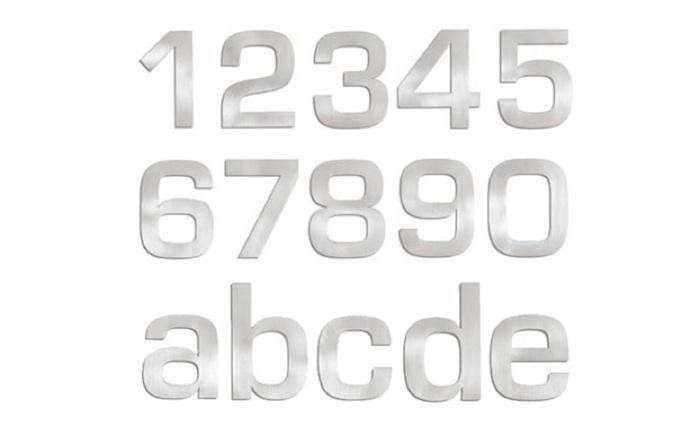
Signo House Numbers and Letters refer to a modern address-number style known for a blocky, geometric look, stainless steel finish, and minimalist European design influence. The product has appeared in design and retail listings under the Blomus name, a brand associated with refined home accessories and functional modern décor. The most commonly documented Signo numbers are individual digits from 0 to 9, typically around 5.9 inches tall, with stainless steel construction and mounting hardware included.
The phrase “numbers and letters” is often used in product titles because address systems sometimes require both: apartment units, building labels, street abbreviations, suite markers, or house names. However, availability can vary by retailer and production cycle. If you need letters as well as digits, check the current listing carefully before ordering. Nothing ruins a Saturday DIY project like realizing you bought “102” but forgot the “B,” unless you enjoy explaining to guests that your duplex is now a philosophical concept.
Why Signo House Numbers Work So Well for Modern Homes
The strongest appeal of Signo House Numbers is their balance of clarity and style. Many decorative address numbers look charming up close but become unreadable from the street. Others are readable but about as exciting as a tax form. Signo numbers land in the sweet spot: bold enough to be practical, polished enough to feel designed, and simple enough to match many exterior styles.
1. Stainless Steel Gives a Clean, Durable Look
Stainless steel address numbers are popular because they communicate permanence. They look crisp against wood, stone, stucco, brick, painted siding, and concrete. The brushed or matte metal effect also tends to age more gracefully than shiny plastic or thin adhesive decals. On a modern front door, stainless steel numbers can echo other exterior hardware such as door handles, locksets, mailbox slots, sconces, and railings.
That coordination matters. A home exterior feels more polished when small metal details speak the same design language. If the porch light is brushed nickel, the door hardware is stainless or chrome, and the mailbox has a similar finish, Signo-style numbers make the entry feel intentionally assembled instead of accidentally collected from four different clearance bins.
2. The Typeface Feels Architectural
Signo numbers are often described as having a bold, Eurostile-like visual personality: wide, squared, futuristic, and very readable. This makes them especially effective on contemporary homes, midcentury-inspired exteriors, urban townhouses, modern cabins, and commercial entrances. They do not have flourishes, curls, or overly decorative serifs, so they avoid visual clutter.
The shape is part of the charm. A number like “8” feels substantial. A “1” looks clean and assertive. A “0” has enough width to be seen from the sidewalk without needing a spotlight and a drumroll. The result is a set of address digits that looks designed for architecture, not borrowed from a craft drawer.
3. The Size Supports Visibility
At roughly 5.9 inches tall in many listings, Signo House Numbers are large enough for most residential applications. Many fire districts and home-improvement guidelines recommend address numbers that are at least 4 inches tall, with strong contrast against the background. Larger numbers can be especially helpful for homes set back from the street, houses on darker roads, or properties where delivery drivers perform the ancient ritual of slowing down, squinting, and muttering at mailboxes.
Visibility is not only about convenience. Clear address identification helps emergency responders, visitors, mail carriers, rideshare drivers, and service technicians find the right property quickly. Beautiful house numbers are nice; beautiful house numbers that can actually be seen are better.
Best Places to Use Signo House Numbers and Letters
Because the Signo style is sleek and minimal, it works in more places than many homeowners expect. The key is contrast, placement, and scale.
Near the Front Door
The classic placement is beside the front door, often on the latch side or on the wall adjacent to the entry. This works well when the entrance faces the street and has a clean, uncluttered wall surface. Stainless steel numbers look excellent on charcoal, navy, black, deep green, white, natural cedar, and warm gray backgrounds.
On a Garage or Carport
If the garage is more visible than the front door, mounting address numbers on or beside the garage can improve street readability. For long ranch-style homes or modern houses with strong horizontal lines, placing Signo numbers in a straight horizontal row can mirror the architecture beautifully.
On a Mailbox Post or Driveway Sign
For homes set far back from the road, the house itself may not be the best place for address numbers. In that case, install a second set on a mailbox post, fence panel, column, or driveway marker. A stainless steel number against a dark plaque can look sharp while also helping visitors find the correct entrance.
On Apartment, Suite, or Office Entrances
Signo House Numbers and Letters are also suitable for small commercial spaces, studios, rental units, offices, and apartment doors. Their clean look avoids the “temporary label maker” effect and gives a more professional impression. For suites and units, letters can be especially helpful when available, but always confirm the product range before planning the layout.
How to Choose the Right Finish and Background
The most important design rule for house numbers is simple: contrast beats cleverness. Stainless steel on pale gray siding may look elegant up close, but from the curb it can disappear like a magician with better lighting. If your exterior is light, consider mounting Signo numbers on a dark backer board. If your exterior is dark, stainless steel usually pops nicely.
Here are a few practical pairings:
- Black or charcoal siding: stainless steel numbers create crisp contrast and a modern look.
- Natural wood or cedar: brushed metal adds a refined, contemporary balance to warm organic texture.
- White stucco: use a dark plaque behind stainless steel numbers if the metal blends into bright sunlight.
- Red brick: stainless steel can work well, but spacing and lighting matter because brick texture can visually compete with the digits.
- Concrete or stone: Signo numbers create a gallery-like architectural effect, especially when mounted with clean spacing.
Installation Tips for Signo House Numbers
Installing modern address numbers is usually a manageable DIY project, but the final result depends on patience. Address numbers are small enough that tiny mistakes become obvious. A crooked “4” may not bring down civilization, but once you see it, you will see it every time you come home.
Step 1: Plan the Layout Before Drilling
Lay the numbers on a flat surface first. Measure the full width of the address, including spacing between digits. Then use painter’s tape on the wall to mark the top and bottom alignment. Step back to the sidewalk or street and check whether the position feels balanced.
Step 2: Use a Template
If mounting hardware includes a template, use it. If not, make your own with paper or cardboard. Mark the mounting holes carefully. For brick, concrete, or stucco, use the correct masonry bit and anchors. For wood siding, pilot holes help reduce splitting and keep screws straight.
Step 3: Keep Spacing Consistent
Modern numbers look best when spacing is deliberate. Too tight, and the digits feel cramped. Too wide, and your address starts to resemble a secret code. A good rule is to leave enough space for the numbers to breathe while still reading as one address.
Step 4: Consider Lighting
Even large stainless steel address numbers can become hard to see at night without lighting. Place them near a porch light, wall sconce, landscape light, or mailbox light. If your home is in a rural or low-light area, consider reflective address signage near the road as a backup.
Signo House Numbers vs. Other Modern Address Numbers
There are many modern house number options, including aluminum, brass, bronze, black steel, acrylic, ceramic tile, and custom laser-cut plaques. Signo House Numbers stand out because they combine a strong geometric typeface with stainless steel simplicity. They are less ornate than bronze or ceramic numbers, more substantial than vinyl decals, and less trendy than some ultra-thin script designs.
Compared with black floating numbers, stainless steel Signo digits feel slightly cooler and more European. Compared with brass numbers, they are less warm but often more minimal. Compared with custom plaques, they are more modular, allowing you to place each digit individually. That flexibility is useful if you want a vertical layout, a wide horizontal row, or a custom composition beside a doorbell or mailbox.
Are Signo House Numbers Good for Curb Appeal?
Yes, especially if your current house numbers are faded, too small, mismatched, or hidden behind landscaping. Updating address numbers is one of the simplest curb appeal improvements because it is affordable, visible, and practical. A fresh set of exterior house numbers can make the home look newer without requiring paint, landscaping, or a dramatic porch makeover involving twelve trips to the hardware store.
Signo-style numbers work particularly well when paired with other small updates. Replace a tired porch light, clean the door hardware, refresh the mailbox, trim overgrown shrubs, and install stainless steel address numbers. Suddenly the entry looks less “we live here, technically” and more “welcome, we have our act together.” Even if your junk drawer strongly disagrees.
Common Mistakes to Avoid
Choosing Style Over Readability
House numbers need to be read from a distance. Do not choose a mounting surface that makes stainless steel disappear. If the numbers are beautiful but invisible, they are basically expensive wall camouflage.
Mounting Too Low or Too High
Numbers should be easy to see from the street or approach path. Many address plaques are mounted around eye level, often near the entry or garage, but the best height depends on your home’s layout. Avoid hiding numbers behind porch railings, plants, seasonal wreaths, flags, or a decorative scarecrow named Harold.
Ignoring Local Rules
Some cities, counties, homeowners associations, and fire districts have address-number requirements for height, contrast, placement, illumination, or reflective materials. Before drilling holes, check local rules. This is especially important for rural properties, multi-unit buildings, and homes far from the street.
Forgetting Maintenance
Stainless steel is low maintenance, but not zero maintenance. Wipe numbers occasionally with a soft cloth and mild cleaner. In coastal or high-pollution areas, rinse away salt and grime more often. Avoid abrasive pads that can scratch the finish.
Who Should Choose Signo House Numbers and Letters?
Signo House Numbers and Letters are a strong choice for homeowners who want modern address numbers with a clean, architectural presence. They are ideal for contemporary homes, midcentury-inspired houses, minimalist townhomes, renovated apartments, design-forward offices, and anyone who wants a front entry that feels finished.
They may not be the best choice for every exterior. A Victorian home with ornate trim might call for serif brass numbers or hand-painted ceramic tiles. A rustic farmhouse might look better with black iron or aged bronze. But for streamlined architecture, stainless steel Signo numbers offer a polished solution that feels current without being overly flashy.
Real-World Experience: Living With Signo House Numbers and Letters
The experience of installing and using Signo House Numbers and Letters is less about dramatic transformation and more about the satisfaction of finally fixing a detail you see every day. Before the update, many homes have tiny numbers screwed into a door frame, faded stickers on a mailbox, or a plaque that looked fashionable when flip phones were still feeling confident. After the update, the entrance feels sharper almost immediately.
One of the first things people notice with Signo-style numbers is the scale. A 5.9-inch number may sound modest when listed online, but on a front wall it feels substantial. It has enough presence to stand on its own without needing a decorative frame. On a dark siding color, the stainless steel finish catches daylight gently, giving the address a clean shine without looking like a disco ball. On wood, the contrast between warm grain and cool metal is especially attractive.
The second experience is practical: visitors stop asking, “Which house is yours?” Delivery drivers become less creative with package placement. Friends arriving after sunset are more likely to find the door without texting a blurry photo of your neighbor’s porch. That may not sound glamorous, but it is the kind of everyday improvement that makes a home feel easier to live in.
Installation also teaches an important lesson: modern design rewards precision. With decorative numbers, a little unevenness can hide inside the ornamentation. With Signo House Numbers, every line is clean, so alignment matters. The best approach is to slow down, tape everything first, and check the layout from multiple distances. Stand at the front door, the sidewalk, the driveway, and across the street if safe. What looks centered up close may feel slightly off from the road.
Another helpful experience is testing visibility at different times of day. Stainless steel changes character with light. In morning sun, it may appear bright and crisp. In shade, it can look softer and quieter. At night, it depends heavily on nearby lighting. If the numbers are mounted outside the reach of a porch light, they may need a dedicated fixture or a darker backing panel to remain readable.
Homeowners who care about curb appeal often find that the numbers inspire other small upgrades. Once the address looks good, the old porch light suddenly looks suspicious. Then the mailbox asks for attention. Then the door mat starts pretending it has always been that tired. This is the harmless domino effect of exterior design: one clean detail makes the surrounding details confess.
For rental properties, Signo-style numbers can make an entrance feel more professional and easier to identify. For small businesses, they create a polished first impression without requiring a custom sign package. For apartments or duplexes, letters can clarify units when available, but always verify the current product selection before planning a full address system.
The best part is that the upgrade feels permanent. Unlike seasonal décor, house numbers are not something you pack away in January. They become part of the architecture. When chosen well, Signo House Numbers and Letters make the exterior look more deliberate, more readable, and more complete. That is a lot of impact from a few digits and, possibly, one very important letter.
Conclusion
Signo House Numbers and Letters are a smart choice for anyone who wants modern address numbers that combine curb appeal, visibility, and architectural style. Their stainless steel finish, bold geometric shape, and minimalist personality make them especially suitable for contemporary homes, midcentury-inspired exteriors, urban entrances, and polished business facades.
The key is to treat them as both design elements and safety features. Choose a contrasting background, mount them where they can be seen, keep spacing consistent, and make sure they are illuminated or supported by a visible roadside marker when needed. Done well, Signo numbers do more than display an address. They make the entire entry feel sharper, calmer, and more intentional.
Note: Product availability, included hardware, country-of-manufacture details, and local address-number rules can vary. Always verify current retailer specifications and local code requirements before purchasing or installing Signo House Numbers and Letters.

