
Makeup
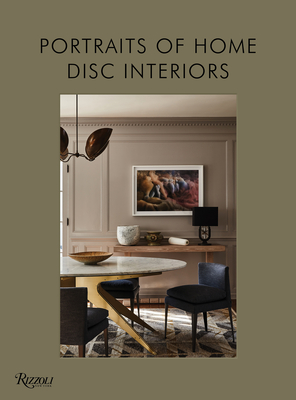
Disc Interiors: Portraits of Home
Jun
Disc Interiors: Portraits of Home is the kind of design book that makes you look at your own living room and whisper, “We need to talk.” Published by Rizzoli, this elegant monograph celebrates the work of DISC Interiors, the Los Angeles-based interior and furniture design firm founded by Krista Schrock and David John Dick. It is not just a coffee table book, although it absolutely earns its spot beside the good candle, the ceramic bowl, and the stack of unread magazines we all pretend are “curated.”
At its heart, Portraits of Home is about rooms with feeling. The book gathers a decade of residential projects shaped by warm modern interiors, natural materials, earthy palettes, vintage furniture, custom upholstery, and architectural restraint. It shows homes that are polished without being stiff, layered without being chaotic, and luxurious without shouting across the room in all caps.
For readers who love interior design books, California interiors, timeless home decor, and homes that feel deeply personal, this volume offers more than pretty pictures. It provides a thoughtful design language: one built around texture, patina, proportion, history, and the quiet confidence of spaces that invite real life to happen inside them.
What Is Disc Interiors: Portraits of Home?
Disc Interiors: Portraits of Home is the first major monograph dedicated to the work of DISC Interiors. The book was released by Rizzoli in April 2021 and presents the studio’s approach to residential design through richly photographed homes, details, and vignettes. It features projects that reflect the firm’s signature balance: traditional inspiration on one side, contemporary elegance on the other, and a very comfortable sofa somewhere in the middle.
The title is fitting. These are not simply “projects” in the glossy, impersonal sense. They read like portraits because each home seems to reveal something about the people who live there. A room may be calm, but not empty. Refined, but not precious. Sophisticated, but still prepared for someone to put a coffee mug down and forget a coaster. That emotional intelligence is one reason the book has become a favorite among design lovers who want homes that feel collected, not decorated overnight by a nervous algorithm.
Who Are DISC Interiors?
DISC Interiors was founded by Krista Schrock and David John Dick, two designers known for creating interiors that merge California ease with architectural discipline. Their studio is based in Los Angeles and has become associated with homes that feel grounded, restrained, and deeply tactile. Instead of chasing trend cycles, the firm tends to work with materials that improve with age: wood, stone, plaster, leather, linen, wool, bronze, and vintage textiles.
The firm’s design philosophy often centers on “calibrated simplicity.” That phrase may sound like something whispered during a very expensive cabinetry meeting, but it makes sense when you see the work. Rooms are edited, yet warm. Furniture plans are clean, yet intimate. Materials are understated, yet full of character. Nothing feels random, but nothing feels over-controlled either. The best DISC Interiors rooms have the emotional temperature of a perfect late-afternoon nap: calm, golden, and impossible to fake.
Why This Book Matters in Modern Interior Design
Many interior design books are beautiful, but not all are useful. Some are so grand that readers close them feeling inspired but also mildly attacked by their own rental lighting. Portraits of Home works differently. The homes are aspirational, yes, but the ideas are practical: use materials that age well, mix eras, respect architecture, let color breathe, and build rooms for how people actually live.
The book lands in a broader design moment where homeowners are moving away from fast, disposable decor and toward spaces with staying power. Warm minimalism, organic modern design, artisan-made furniture, vintage rugs, plaster walls, natural stone, and earth-tone interiors are all part of that movement. DISC Interiors gives these ideas a polished but livable expression. The result is not minimalism with a cold shoulder; it is restraint with a pulse.
The Signature DISC Interiors Style
Earthy Color Palettes That Do the Heavy Lifting
One of the clearest lessons in Disc Interiors: Portraits of Home is the power of color that feels drawn from nature. The firm often favors warm whites, clay, sand, ocher, olive, charcoal, mushroom, tobacco, stone gray, and deep wood tones. These colors are quiet, but they are not boring. They create a foundation that lets texture, shape, art, and light become the drama.
This is a helpful idea for real homes. A room does not need five accent colors fighting like relatives at Thanksgiving. A restrained palette can make a space feel larger, calmer, and more cohesive. When color is subtle, materials become more noticeable: the grain of oak, the slub of linen, the softness of a wool rug, the cool edge of marble, the glow of aged brass.
Natural Materials With Patina
DISC Interiors has a gift for materials that look better as they age. That matters because a home is not a showroom frozen in time. Floors get walked on. Leather chairs soften. Metal darkens. Stone develops tiny marks. Wood absorbs years of sunlight and use. In the DISC Interiors world, that aging process is not a defect; it is part of the story.
This approach is especially valuable in family homes. Instead of designing rooms that require everyone to hover above the furniture like museum ghosts, the firm embraces finishes that can handle real life gracefully. A little patina says, “People live here.” A little scuff says, “Someone had fun.” A perfectly untouched room, on the other hand, can sometimes say, “Please do not breathe near the upholstery.”
Vintage Meets Custom
Another defining feature of the book is the firm’s ability to mix vintage pieces with custom furniture. This is where many rooms gain their soul. A vintage rug can soften new architecture. A custom sofa can make an oddly shaped room function beautifully. A midcentury chair can sit beside a traditional table and somehow make both pieces look more interesting.
The key is contrast. Too much matching can make a room feel flat, like it arrived in one giant truck with a barcode. By combining eras, silhouettes, and finishes, DISC Interiors creates rooms that feel developed over time. That is one of the hardest illusions in design: making a highly considered space appear as if it simply evolved with good taste and excellent lighting.
Portraits of Los Angeles Living
Los Angeles plays a major role in Portraits of Home. The book does not treat the city as one single aesthetic. Instead, it recognizes the variety of L.A. neighborhoods, from historic Hancock Park to hillside Silver Lake and coastal Santa Monica. Each setting influences the feeling of the interiors. A canyon home may call for different textures and light than a formal 1920s residence. A beach-adjacent house may need ease and durability, while a historic property may need careful architectural respect.
This neighborhood sensitivity is one of the book’s strongest ideas. Good interior design is not copy-and-paste. A home should respond to its setting, architecture, climate, and occupants. In Los Angeles, where Spanish Colonial, Mediterranean Revival, modernist, Craftsman, and midcentury influences often overlap, that response requires a sharp eye. DISC Interiors excels at finding continuity without making homes feel trapped in the past.
Design Lessons Readers Can Apply at Home
Start With Feeling, Not Furniture
One of the most useful takeaways from Disc Interiors: Portraits of Home is that a room should begin with a desired feeling. Do you want calm? Warmth? Energy? Intimacy? A place for reading? A kitchen that encourages people to linger? Before buying a chair, answer that question. Otherwise, you may end up with a beautiful chair that contributes absolutely nothing except a place for laundry to contemplate its future.
DISC Interiors often designs around mood and use rather than a rigid style label. That is why the homes can include classic details, modern furniture, vintage rugs, and contemporary art without looking confused. The emotional goal gives the room its structure.
Choose Fewer, Better Things
The book also makes a quiet argument for restraint. This does not mean empty rooms or joyless minimalism. It means choosing fewer pieces with stronger presence. A sculptural table, a well-made sofa, a vintage textile, or a handmade ceramic lamp can do more for a room than a dozen filler accessories trying very hard to look important.
For homeowners, this is liberating. You do not need to finish a room in one weekend. In fact, please don’t. Rooms benefit from time. Buy slowly. Notice how light moves through the space. Let the room tell you what it needs. Sometimes it needs a rug. Sometimes it needs art. Sometimes it needs everyone to stop buying tiny decorative objects shaped like birds.
Balance Old and New
A room that is entirely new can feel sterile. A room that is entirely old can feel heavy. The magic often happens between the two. Portraits of Home demonstrates how traditional architecture can support contemporary furnishings, and how modern rooms can gain warmth from antique or vintage pieces.
This balance is especially useful in American homes, where renovations often involve blending original features with modern lifestyles. A historic fireplace might remain, while the seating becomes cleaner and more casual. A traditional kitchen layout might gain custom cabinetry, natural stone, and warm lighting. The goal is not to erase history; it is to make history livable.
Why the Photography Matters
Interior design photography can sometimes make homes look too perfect, as though the people who live there were gently removed and replaced with a bowl of pears. In Disc Interiors: Portraits of Home, the photography supports the book’s atmosphere by focusing on rooms, details, materials, and vignettes. The visual storytelling helps readers understand how individual choices create an overall mood.
Close-up details matter: the seam of upholstery, the way a rug meets a stone floor, the curve of a chair, the shadow under a plaster arch. These images teach design in a way words alone cannot. They show that luxury is not always about shine or scale. Sometimes it is about proportion, tactility, and the quiet confidence of a room that knows exactly what it is doing.
How Portraits of Home Compares to Other Interior Design Books
Compared with many interior design books, Portraits of Home feels less like a catalog of finished rooms and more like a study in atmosphere. It belongs on the shelf with books about timeless interiors, California design, warm modernism, and crafted living. Yet it has a specific personality: relaxed but exacting, natural but polished, traditional but not nostalgic.
It also avoids the trap of trend worship. Trends can be fun; nobody is here to arrest a checkerboard tile. But the best homes need to survive beyond one viral design season. DISC Interiors leans into choices that age well: natural surfaces, muted colors, meaningful art, tailored furniture, and rooms that support conversation. In a world of quick makeovers and instant reveals, that slower rhythm feels refreshing.
Who Should Read Disc Interiors: Portraits of Home?
This book is ideal for homeowners planning a renovation, designers looking for inspiration, architects interested in interior atmosphere, and anyone who wants a more thoughtful approach to home decor. It is also a strong choice for readers who love California interiors but want something more layered than the usual beachy formula of white walls, pale wood, and one heroic branch in a vase.
If your taste leans toward warm minimalism, organic textures, vintage furniture, neutral palettes, architectural details, and interiors that feel personal rather than performative, the book will likely speak your language. It may also gently convince you that your home needs better lighting. Most homes do. Lighting is the unsung hero of interiors, and also the reason some rooms look like a DMV after sunset.
Experience Section: Living With the Ideas Behind Disc Interiors: Portraits of Home
Spending time with the ideas in Disc Interiors: Portraits of Home changes how you look at ordinary rooms. After studying homes shaped by DISC Interiors, you may begin noticing the difference between a room that is merely furnished and a room that has been composed. The sofa is no longer just a sofa; it is part of a conversation with the rug, the wall color, the window, the art, and the lamp that finally makes everyone look less tired at night.
One practical experience inspired by the book is the value of editing before buying. Many people try to improve a room by adding more: another pillow, another side table, another framed print, another basket to hold the other baskets. But the DISC Interiors approach suggests that subtraction can be just as powerful. Remove what feels temporary, noisy, or unrelated. Suddenly, the good pieces have room to breathe. A wooden chair looks more sculptural. A handmade bowl feels intentional. Even the dog bed may appear curated, though the dog will remain unimpressed.
Another lesson is to trust quiet materials. In real life, dramatic design choices can be exciting at first and exhausting later. A heavily patterned room may look fantastic online but feel loud when you are trying to drink coffee at 7 a.m. Natural materials offer a different kind of pleasure. Linen curtains soften light. A wool rug warms the floor. A stone surface brings subtle movement. Wood adds depth. These choices may not scream for attention, but they support daily life beautifully.
The book also encourages a more patient relationship with home. Instead of seeing every unfinished corner as a failure, it helps you view the home as an evolving portrait. Maybe the entry needs a vintage bench found on a future trip. Maybe the dining room wants one large painting rather than six small prints. Maybe the living room needs better scale, not more decor. Good rooms take time because good rooms are connected to real lives, and real lives are inconveniently not completed in a single shopping cart.
Most importantly, Disc Interiors: Portraits of Home reminds readers that comfort and sophistication are not enemies. A room can be elegant and still welcome bare feet. It can be refined and still host pizza night. It can contain beautiful objects without becoming a shrine to objects. That balance is the true luxury. Not the price tag, not the brand name, not the perfectly fluffed cushion, but the feeling that a home supports the people inside it. That is the portrait DISC Interiors paints again and again: home as memory, shelter, personality, and daily ritual, all wrapped in very good upholstery.
Conclusion
Disc Interiors: Portraits of Home is more than a handsome design book. It is a thoughtful guide to creating interiors that feel grounded, personal, and enduring. Through earthy palettes, natural materials, vintage pieces, custom furnishings, and a deep respect for architecture, DISC Interiors shows how a home can be both elegant and genuinely livable.
The book’s lasting appeal comes from its refusal to chase flash. Instead, it celebrates rooms with patience, texture, and emotional intelligence. Whether you are renovating a historic house, refreshing a small apartment, or simply wondering why your living room feels like it is waiting for a personality transplant, this monograph offers a clear message: the best homes are not just styled. They are felt.
Note: This article synthesizes real information from reputable publisher, design, retail, and editorial sources while keeping the publishable HTML free of unnecessary source-link elements.

