
Body Care
Guy Takes It Personally After Gluten-Free Woman Refuses To Eat His Meal, Gets A Reality Check
Jun
“`
There are two kinds of dinner guests: the ones who say “anything is fine” and then truly mean it, and the ones who say “anything is fine” but actually require a signed affidavit from the chef, a clean cutting board, and a sauce bottle that has not been emotionally involved with wheat. For people with celiac disease or serious gluten sensitivity, that second category is not dramatic. It is survival with a side of mashed potatoes.
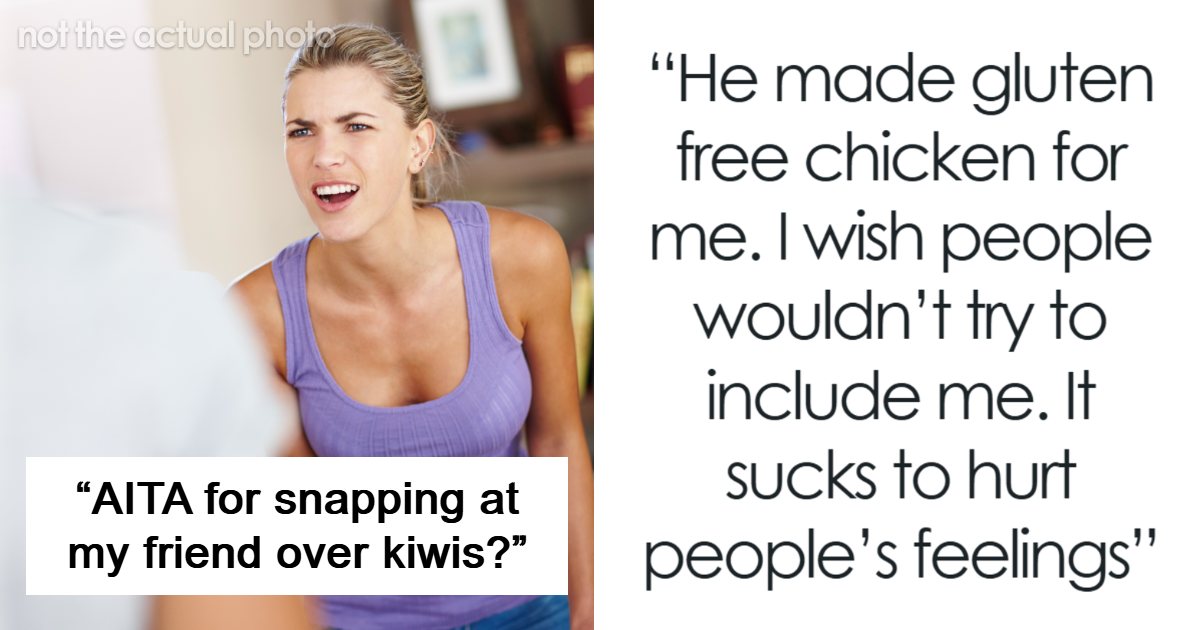
That is why one viral story about a gluten-free woman refusing to eat a friend’s homemade meal hit a nerve online. The man had cooked what he believed was a safe meal. The woman checked the ingredients, realized the dish was not actually gluten-free, and politely declined. Instead of accepting that her body was not available for culinary roulette, he took the refusal personally. Very personally. Think “wounded cooking show contestant” energy, but at a casual gathering.
The internet, as it often does, arrived with a reality check: food boundaries are not insults. A person refusing unsafe food is not rejecting your love, your friendship, or your chicken. They are rejecting a potential health problem. And when gluten is involved, “just a little” can be a very big deal.
Why This Gluten-Free Meal Refusal Became Such A Big Deal
The conflict was simple on the surface. A man prepared food for a woman who could not eat gluten. She asked about ingredients and discovered that one of them was not safe for her. She declined the meal. He became upset, arguing that he had tried to accommodate her and that she should have trusted him or eaten it anyway.
But the reason this story spread is because it touches on a larger social problem: many people still treat gluten-free eating as a preference rather than a medical need. For some, avoiding gluten is a wellness choice. For others, especially those with celiac disease, it is a strict health requirement. Mixing those two up is how friendships end over barbecue sauce.
When someone says they cannot eat gluten, the correct response is not, “Come on, I barely used any.” It is, “Thanks for telling me. Let’s make sure this is actually safe.” That tiny shift turns a tense moment into a respectful one.
What Gluten Actually Is
Gluten is a protein found in wheat, barley, rye, and related grains. It gives bread its chewy texture, helps dough stretch, and quietly sneaks into a surprising number of foods like sauces, soups, marinades, gravies, seasoning blends, soy sauce, malt flavoring, and some processed snacks.
In other words, gluten is not just “bread dust.” It is not limited to pizza crust, pasta, and muffins with suspiciously good frosting. A meal can look naturally gluten-free and still contain gluten through hidden ingredients or cross-contact during preparation.
Celiac Disease Is Not A Trendy Food Mood
Celiac disease is an autoimmune condition. When a person with celiac disease eats gluten, their immune system reacts in a way that damages the small intestine. That damage can interfere with nutrient absorption and cause symptoms that range from digestive trouble to fatigue, anemia, headaches, joint pain, skin problems, and other issues.
This is where the “just take one bite” crowd needs to sit down and maybe have a glass of water. For a person with celiac disease, one bite is not a harmless social gesture. It can lead to real symptoms and longer-term health consequences. The fact that the food was made with good intentions does not magically neutralize the gluten. Sadly, kindness is not an enzyme.
Celiac Disease Vs. Gluten Sensitivity Vs. Wheat Allergy
Not everyone who avoids gluten has celiac disease. Some people have non-celiac gluten sensitivity, which can cause uncomfortable symptoms without the same autoimmune intestinal damage. Others may have a wheat allergy, which is a different immune reaction involving wheat specifically. These conditions are not identical, but they all deserve respect.
The key point is simple: guests should not be forced to disclose their entire medical chart before their food boundaries are taken seriously. “I can’t eat that” should be enough.
The Real Villain: Cross-Contact
One of the biggest misunderstandings in gluten-free cooking is cross-contact. This happens when gluten-free food touches gluten-containing food, surfaces, utensils, appliances, or condiments. A shared toaster, a butter knife with bread crumbs, a cutting board used for regular bread, or a fryer that also cooks breaded foods can all create problems.
To someone unfamiliar with celiac disease, this may sound extreme. To someone who has spent a day curled up after accidental exposure, it sounds like Tuesday.
Safe gluten-free cooking often requires clean surfaces, separate utensils, verified ingredients, fresh condiments, and careful attention from start to finish. It is not enough to remove the bun from a burger after it has already touched the meat. That is not gluten-free; that is gluten-free cosplay.
Why The Woman Was Right To Refuse The Meal
The woman in the story did the responsible thing. She asked about the food before eating it. She evaluated the ingredients. When she realized the meal was unsafe, she declined. That is exactly what people with dietary restrictions are advised to do: ask questions, check labels, and avoid anything uncertain.
Her friend may have felt embarrassed, but embarrassment is not an emergency that should be solved by someone else risking their health. A mature host can say, “I’m sorry, I didn’t realize that ingredient was an issue. Let’s find you something safe.” An immature host turns the dinner table into a courtroom and makes the guest defend her intestines.
Good Intentions Do Not Make Food Safe
Here is the uncomfortable truth for home cooks: trying is kind, but trying is not the same as knowing. If someone has a serious dietary restriction, the safest approach is to involve them in the planning. Ask which brands are safe. Save labels. Use unopened ingredients when possible. Let them inspect packaging. Do not improvise with mystery sauces from the back of the fridge that expired during a previous presidential administration.
This does not mean hosts need to panic. It means they need to be honest. Saying “I wanted to make something safe, but I’m not sure about this ingredient” is much better than saying “I promise it’s fine” when you have not checked.
How Hosts Can Make Gluten-Free Guests Feel Welcome
A good host does not need to become a certified gluten-free chef overnight. But a little preparation can prevent a lot of awkwardness.
Ask Early, Not At The Table
Dietary questions should happen before the gathering, not when everyone is already holding forks. Ask the guest what they can eat, what brands they trust, and whether they are comfortable eating food prepared in a shared kitchen.
Keep Labels And Packaging
If you use sauces, spice blends, marinades, broth, or processed ingredients, keep the packaging. Gluten can hide in places people do not expect, and labels help the guest make an informed decision.
Use Separate Tools
Use clean pans, clean utensils, clean cutting boards, and separate serving spoons. If gluten-containing bread is on the table, do not use the same knife for the gluten-free dish. Breadcrumbs travel like tiny edible spies.
Serve The Gluten-Free Guest First
Serving the gluten-free guest first can reduce the risk of cross-contact from shared spoons, crumbs, or people enthusiastically mixing everything like they are auditioning for a buffet disaster documentary.
How Guests Can Navigate Awkward Food Moments
People with gluten restrictions often become experts at polite refusal. They bring backup snacks, ask ingredient questions, and say things like, “That looks amazing, but I can’t safely eat it.” Still, even the most diplomatic answer can upset someone who sees food refusal as personal rejection.
A helpful phrase is: “I really appreciate the effort, but I have to be strict because even small amounts can make me sick.” This keeps the focus on safety rather than blame. If the host still gets offended, that is no longer a food problem. That is an ego problem wearing an apron.
The Social Lesson: Respect Is The Main Ingredient
The deeper issue in this story is not gluten. It is respect. When someone sets a health boundary, the correct move is to believe them. You do not need to fully understand celiac disease to respect that a person knows their own body.
Food is emotional. People cook to show care, culture, hospitality, and effort. But care stops being care when it demands that someone ignore their medical needs to protect another person’s feelings. If your love language is cooking, wonderful. Just remember that consent also applies to dinner.
Why People Online Sided With The Gluten-Free Woman
Most readers sided with the woman because her actions were reasonable. She did not insult the food. She did not demand a new meal. She did not throw the plate into a dramatic slow-motion montage. She simply refused something unsafe.
The man, on the other hand, made her restriction about him. That is where he lost the crowd. People can forgive a cooking mistake. They are less forgiving when someone doubles down and pressures a guest to eat food that could harm them.
What This Story Teaches About Gluten-Free Safety
This situation is a reminder that gluten-free cooking is not about vibes. It is about verified ingredients, careful preparation, and listening to the person who has to live with the consequences. A host may feel disappointed when a dish is refused, but disappointment is temporary. A gluten reaction can ruin someone’s day, week, or more.
It also shows why people with celiac disease sometimes bring their own food to gatherings. They are not being rude. They are being practical. If anything, bringing a safe meal can reduce pressure on the host. The only thing worse than awkwardly declining dinner is spending the entire event wondering whether the salad dressing contains wheat because Aunt Linda “doesn’t believe in labels.”
Experience-Based Reflection: When Food Boundaries Meet Hurt Feelings
Anyone who has ever hosted a meal knows the tiny sting of watching someone turn down a dish. You planned, chopped, seasoned, tasted, adjusted, and maybe even cleaned the kitchen like a responsible adult. Then someone says, “I’m sorry, I can’t eat that.” It can feel like your effort just face-planted into the mashed potatoes.
But this is where emotional maturity earns its apron. A guest with a gluten restriction is not rating your cooking. They are making a safety decision. The best hosts understand that hospitality is not about being praised. It is about making people feel comfortable, included, and safe.
Many people with celiac disease or gluten sensitivity have had the same uncomfortable experience: someone insists a meal is safe, then casually mentions an ingredient that changes everything. “There’s only a little soy sauce.” “I used regular flour, but just to thicken it.” “I picked the croutons off.” These statements may sound minor to the cook, but to the guest, they are flashing red lights.
The emotional burden often falls on the person with the restriction. They have to ask questions without sounding suspicious. They have to refuse without sounding ungrateful. They have to explain without turning dinner into a medical seminar. And sometimes, they have to manage another adult’s hurt feelings while also protecting their own health. That is a lot to carry before dessert.
A better approach is teamwork. If you are cooking for someone gluten-free, invite them into the process. Send a photo of the ingredient label. Ask whether your kitchen setup is safe enough. Offer a simple backup option like fruit, plain rice, baked potatoes, or sealed gluten-free snacks. These gestures say, “I care more about your wellbeing than my pride.” That message is more nourishing than any casserole.
For guests, it helps to be direct early. Saying, “I have celiac disease, so I may bring my own food just to be safe,” can prevent confusion. Good friends will understand. Great friends will ask how to help. People who mock it or pressure you to “just try it” are telling you something important about how they handle boundaries.
The real reality check in this story is that food is never just food when health is involved. A meal can be generous and still unsafe. A refusal can be polite and still firm. A host can make a mistake and still recover gracefully. The difference between a small misunderstanding and a full-blown conflict is usually one thing: whether people choose respect over ego.
Conclusion
The story of a guy taking it personally after a gluten-free woman refused his meal is funny on the surface, but it points to a serious lesson. Dietary restrictions are not character flaws, picky habits, or social challenges to overcome. For many people, they are medical necessities.
If someone cannot eat gluten, believe them. If you are cooking for them, check ingredients carefully. If they decline your food, do not turn it into a loyalty test. The goal of sharing a meal is connection, not coercion. A truly thoughtful host understands that keeping someone safe matters more than getting applause for the recipe.
Note: This article is a fully rewritten, original editorial-style discussion based on a publicly shared social conflict and real gluten-free food safety guidance. It is intended for general informational and SEO publishing purposes, not as medical advice.
“`

