
Makeup
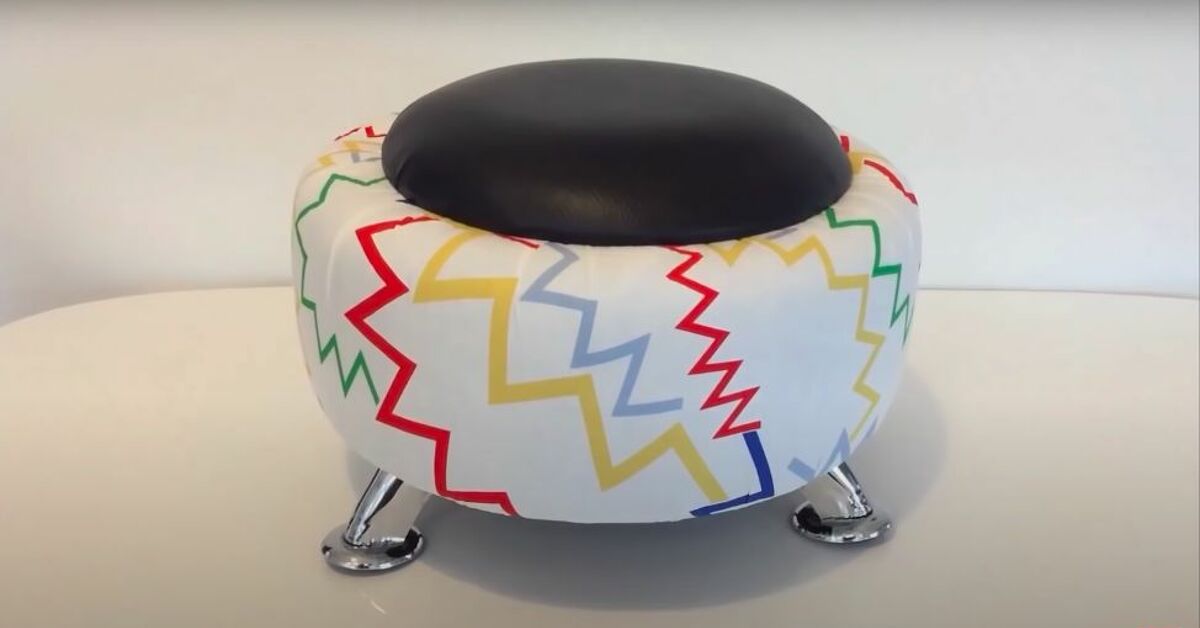
Repurpose Old Tires into a Beautiful New Stool
Jun
Some objects retire quietly. Old towels become garage rags. Glass jars become mysterious containers for screws. But old tires? They do not exactly whisper, “Put me in a cozy reading nook.” They are bulky, black, stubborn, and built to survive potholes, summer heat, winter slush, and that one curb you absolutely “did not hit.”
Yet with a little cleaning, a circle of plywood, some rope, and a free afternoon, you can repurpose old tires into a beautiful new stool that looks more boutique than backyard. This project is part DIY furniture, part sustainable home decor, and part magic trick: one minute you have a dusty tire, the next you have a stylish rope stool, ottoman, side seat, patio perch, or footrest that makes guests say, “Wait… that used to be on a car?”
In this guide, we will walk through how to turn an old tire into a sturdy, attractive stool, including materials, safety tips, design choices, finishing ideas, and real-world lessons from the messy middle of DIY. No welding. No advanced carpentry degree. No need to speak fluent power tool. Just basic supplies, patience, and the willingness to accept that hot glue strings are basically craft confetti.
Why Repurpose an Old Tire?
Repurposing an old tire is more than a cute weekend project. It is a small, practical example of reuse: extending the life of a material before it heads to the waste stream. Tires are durable by design, which is great when they are on a vehicle and less charming when they are abandoned in a yard, garage, or landfill. Instead of letting that rubber circle become clutter, you can transform it into functional upcycled furniture.
A tire stool works especially well because the tire already has three qualities furniture needs: shape, strength, and structure. It is round, stable, and tough. Add a solid top, a covered exterior, and a finished base, and the tire becomes a surprisingly polished piece for a porch, playroom, garage lounge, garden corner, mudroom, or casual living area.
There is also the satisfaction factor. Buying a stool is easy. Making one from a tire feels like beating the furniture aisle at its own game. You are saving money, reducing waste, and creating a conversation piece. Plus, you get to casually say, “Oh, that? I made it,” which is one of the most powerful sentences in home decor.
Best Tire Types for a DIY Stool
Not every tire is the perfect candidate. For a stool, choose a standard passenger car tire that is cleanable, intact, and not overly large. A compact or midsize vehicle tire usually creates a comfortable low stool or ottoman height. A truck tire may be too heavy and oversized unless you want a chunky outdoor statement piece.
What to Look For
Choose a tire with no exposed steel wires, no sharp splits, no major cracking, and no strong chemical odor that remains after cleaning. The tread does not need to be road-ready, but the rubber should still be in decent condition. If wires poke through, skip it. Your future stool should be charming, not secretly plotting against your ankles.
Where to Find Old Tires
You may already have one in the garage. If not, check with a local tire shop, mechanic, or recycling center. Always ask before taking tires, and follow local disposal or reuse rules. Some shops must track scrap tires carefully, so a polite request works better than a stealth mission behind the building. DIY is fun; trespassing is not an aesthetic.
Tools and Materials You Will Need
Before you begin, gather everything in one place. This prevents the classic DIY migration pattern: kitchen, garage, porch, garage again, hardware store, back to porch, then somehow the laundry room.
Basic Materials
- One clean used tire
- Two plywood circles, preferably 1/2-inch to 3/4-inch thick
- Manila, sisal, jute, cotton, or synthetic rope
- Construction adhesive, industrial hot glue, or strong multipurpose adhesive
- Wood screws or self-drilling screws
- Optional foam padding for a cushioned top
- Optional fabric, burlap, vinyl, or outdoor upholstery material
- Optional wooden legs, bun feet, casters, or furniture sliders
- Clear sealer for rope or paint protection
Helpful Tools
- Drill and drill bits
- Jigsaw, router, or handsaw for plywood circles
- Tape measure
- Pencil and string compass
- Staple gun, if adding fabric
- Utility knife or heavy scissors
- Scrub brush, bucket, soap, and degreaser
- Sandpaper
- Gloves and safety glasses
For rope quantity, plan generously. A small tire can easily require dozens of feet of rope, and a thicker rope covers faster than a thin one. If you are unsure, buy extra from the same batch so the color and texture match. Running out with six inches left is the crafting version of a horror movie jump scare.
Safety First: Clean, Inspect, and Prepare
Old tires can collect dirt, grease, insects, and water. Start by washing the tire thoroughly with soap, water, and a brush. A pressure washer is useful, but a bucket and determination will also do the job. Let the tire dry completely before gluing, painting, or wrapping it.
Wear gloves when handling the tire and safety glasses when drilling or cutting plywood. If you use strong adhesive, work in a well-ventilated area and follow the product label. If the stool will live outdoors, drill a few small drainage holes in the bottom side of the tire before covering it so rainwater cannot sit inside. Standing water can attract mosquitoes, and nobody wants a beautiful stool that doubles as a tiny bug resort.
Also remember: this project makes a decorative stool or ottoman, not a ladder, step stool, or safety-rated chair. Do not stand on it. Do not use it as a platform to change light bulbs. That is how a charming upcycling story becomes a cautionary tale.
Step-by-Step: How to Turn an Old Tire into a Beautiful Stool
Step 1: Measure the Tire
Lay the tire flat and measure the outer diameter. Then measure the inner opening. Decide whether your plywood discs will cover the entire tire face or sit slightly inside the tire lip. For a stool, a full-width top usually feels more stable and finished. If you want hidden storage, make the top removable and size it so it rests securely inside the upper rim.
Step 2: Cut the Plywood Circles
Use a pencil, string, and nail to draw a clean circle on plywood. Cut it with a jigsaw or router. Sand the edges until smooth. Cut two circles: one for the top and one for the bottom. The bottom disc adds structure, gives you a place to attach feet, and makes the whole stool feel more like furniture and less like something that escaped from a mechanic’s shop.
Step 3: Attach the Bottom Disc
Place one plywood circle on the bottom of the tire. Drill pilot holes, then secure it with screws spaced evenly around the circle. Make sure the screw heads sit flush. If you plan to add legs, attach them to the plywood bottom now or after wrapping, depending on your design. Short bun feet, angled furniture legs, or simple sliders can lift the stool slightly and protect indoor floors.
Step 4: Create the Top
For a firm stool, screw the top plywood circle directly to the tire. For a softer ottoman-style seat, add foam padding to the plywood and cover it with fabric. Pull the fabric tight underneath and secure it with staples. If you want storage inside the tire, do not screw down the top. Instead, make a snug removable lid and add a small fabric pull tab or hidden handle.
Step 5: Wrap the Tire with Rope
Start at the top center or along the side edge, depending on the look you prefer. Apply adhesive in small sections and press the rope firmly into place. Keep each coil tight against the previous one. Work slowly around the tire, smoothing as you go. The goal is even coverage, not a rope tornado.
For a classic natural look, use manila or sisal rope. For a softer indoor stool, cotton rope feels friendlier to bare feet. For outdoor use, synthetic rope may resist weather better. You can also combine materials: rope sides with a fabric cushion, painted tire with a wooden top, or a rope top with stained legs.
Step 6: Seal the Surface
Once the adhesive cures, apply a clear sealer if the stool will be used often or outdoors. Sealer helps reduce fraying, protects against spills, and gives the rope a finished look. Test the sealer on a small area first because natural fibers can darken slightly. Let the stool dry fully before use.
Step 7: Test for Stability
Set the stool on a flat surface and press down gently from different angles. It should not rock, wobble, or shift. If it does, check the feet, bottom disc, and floor contact points. Add felt pads, rubber feet, or furniture sliders to balance it. A good tire stool should feel solid, not like it is considering a career as a carnival ride.
Design Ideas for Every Style
Boho Rope Stool
Wrap the entire tire in natural jute or sisal rope and add a cream cushion on top. This style works beautifully in sunrooms, bedrooms, covered patios, and reading corners. Pair it with woven baskets and plants for a relaxed, earthy look.
Modern Painted Tire Stool
If rope is not your thing, paint the tire with a primer made for rubber or flexible surfaces, then use durable outdoor paint. Add a stained wood top for contrast. Matte black with a walnut top looks surprisingly high-end, especially if you add short tapered legs.
Kids’ Playroom Stool
Use bright paint, a washable cushion, and rounded edges. Make sure all screws are hidden or flush, and avoid loose rope ends. The stool can double as toy storage if you make the top removable. Children love secret compartments, especially when adults pretend not to know where the toy dinosaurs went.
Outdoor Garden Stool
For patios and gardens, prioritize drainage, weather-resistant materials, and easy cleaning. Use exterior adhesive, outdoor rope or marine-style cord, and a waterproof cushion. Add rubber feet to lift the stool slightly off damp ground.
Common Mistakes to Avoid
Skipping the Deep Clean
Adhesive does not bond well to dirt, grease, or mystery garage film. Clean first, dry completely, then decorate. This one step can decide whether your rope stays put or slowly unravels like a dramatic soap opera character.
Using Too Little Adhesive
Rope wrapping needs consistent bonding. Do not rely on one heroic blob of glue every few inches. Apply adhesive steadily and press the rope into it. For high-use stools, construction adhesive may be stronger than basic craft glue.
Choosing Weak Plywood
Thin plywood can flex, crack, or feel unstable. Use sturdy plywood, especially if the stool will be used as seating rather than just a footrest. Sand the edges well so fabric and rope do not catch.
Forgetting the Bottom
A tire with only a top may look finished from above, but the bottom matters. A plywood base improves stability, helps attach feet, and keeps the stool cleaner indoors. It is the difference between “handcrafted furniture” and “tire wearing a hat.”
How to Maintain Your Tire Stool
Maintenance depends on the finish. For rope stools, vacuum with a brush attachment or wipe with a dry cloth. For spills, blot quickly rather than soaking the rope. Painted stools can be wiped with a damp cloth. Outdoor stools should be checked after heavy rain to ensure water is not collecting inside.
If the rope begins to fray, trim loose fibers and apply a small amount of clear glue or sealer. If a leg loosens, tighten the screws before using the stool again. Once a season, give outdoor pieces a quick inspection for moisture damage, insects, or wobbling.
Is a Tire Stool Really Eco-Friendly?
It can be, when done thoughtfully. Reuse is valuable because it keeps an existing object in service longer. A DIY tire stool will not solve the global waste problem by itself, but it is a practical example of circular thinking: before discarding something, ask whether it can become useful again.
That said, not every old tire should become furniture. Tires that are badly damaged, contaminated, or unsafe to handle should go to an appropriate tire recycling or disposal program. Upcycling works best when the item is clean, stable, and suitable for the new purpose.
Real-Life Experience: What Making a Tire Stool Actually Feels Like
The first thing you learn when repurposing an old tire into a stool is that tires are dirtier than they look. Even a tire that seems “not too bad” can produce enough gray water to make you question every road it has ever met. Cleaning is not the glamorous part, but it is strangely satisfying. After a good scrub, the tire stops feeling like junk and starts feeling like raw material.
The second lesson is that circles are humbling. Cutting plywood into a neat round disc sounds simple until the jigsaw decides to express itself artistically. The good news is that the rope, cushion, or fabric hides small imperfections. DIY furniture is forgiving if you design with a little camouflage in mind. A slightly wavy plywood edge is not failure; it is “rustic movement.” Very expensive stores use phrases like that all the time.
Wrapping the rope is the most meditative part of the project. It is repetitive, slow, and oddly calming. You glue, press, turn, and repeat. Then you repeat again. Then you realize you are only one-third done and briefly consider becoming a minimalist who owns no furniture. But once the pattern begins to build, the transformation is dramatic. The tire disappears under texture, and the stool begins to look intentional.
One useful trick is to work in short sections. Do not spread adhesive around the whole tire at once unless you enjoy panic. Apply glue to a manageable area, press the rope firmly, and hold it for a moment. Painter’s tape can help keep stubborn sections in place while they dry. If the rope wants to lift at a curve, do not argue with it emotionally. Add more adhesive, press again, and keep going.
Another experience worth mentioning: the top matters more than you think. A bare plywood top is functional, but a padded top makes the stool feel finished. Even one inch of foam can turn it from “garage project” into “cozy extra seat.” If you plan to use it as an ottoman, padding is worth the extra effort. If it will be a side table, use sealed wood instead and place a tray on top for drinks.
The best moment comes at the end, when you set the finished stool in a real room. Suddenly it is not an old tire project anymore. It is a handmade piece with texture, weight, and personality. It looks good next to a chair. It holds a book. It supports tired feet. It earns its place. And because you know what it used to be, it feels more satisfying than something bought in a box.
The biggest practical lesson is to respect the limits of the object. A tire stool is sturdy, but it is not a ladder. It is decorative furniture, not construction equipment. Use it for sitting, resting feet, holding a tray, or adding texture to a space. Do not stand on it, jump on it, or treat it like a gym platform. Good DIY should improve your home, not introduce slapstick physics.
Finally, this project reminds you that creativity often starts with inconvenience. Old tires are awkward. They take up space. They are not naturally beautiful. But that is exactly why the finished stool feels so rewarding. You take something tough, overlooked, and a little ugly, then give it a second life. That is the heart of upcycling: not pretending waste is glamorous, but proving it can become useful, attractive, and surprisingly fun with the right idea.
Conclusion
To repurpose old tires into a beautiful new stool, you do not need a professional workshop or a designer budget. You need a clean tire, sturdy plywood, reliable adhesive, rope or paint, and a plan. The result can be rustic, modern, playful, outdoor-ready, or cozy enough for a reading corner. More importantly, it turns a hard-to-ignore waste item into something useful and personal.
A DIY tire stool is a reminder that sustainability does not always have to look serious. Sometimes it looks like rope, plywood, a few screws, and a former car tire wearing its best living-room outfit. So the next time you see an old tire, do not just see clutter. See a stool, an ottoman, a side table, or the beginning of a very good “I made that” story.
Note: This project is intended for decorative seating, footrest, or side-table use only. Always inspect materials, use protective equipment, follow adhesive and tool instructions, and recycle unsuitable tires through proper local programs.

