
Beauty Tools & Accessories
19 Creative Bullet Journal Ideas – BuJo Ideas for Everyone
Jun
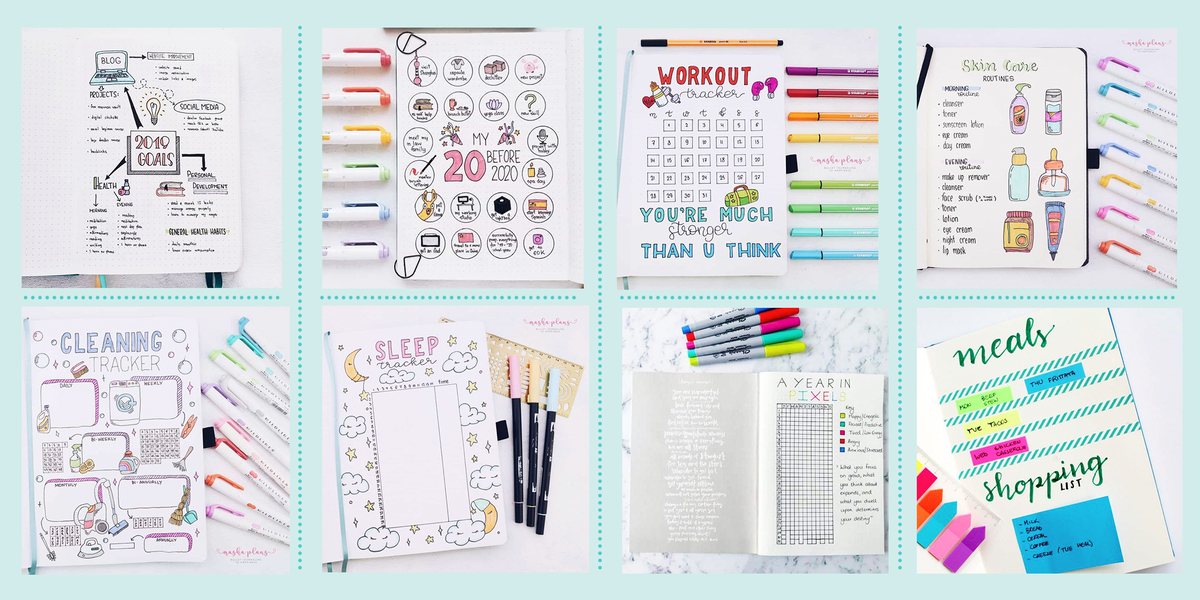
A bullet journal, lovingly nicknamed a BuJo, is what happens when a planner, diary, habit tracker, sketchbook, goal board, and tiny life coach all move into the same notebook. It can be beautifully decorated or wonderfully plain. It can hold color-coded spreads, messy grocery lists, dramatic “I will become organized this month” declarations, and the occasional doodle of a tired cat.
The magic of bullet journaling is flexibility. Unlike a pre-printed planner that quietly judges you when you skip three weeks, a bullet journal starts fresh whenever you do. You can build pages for productivity, wellness, school, work, budgeting, cleaning, meals, travel, creativity, and personal reflection. The best BuJo ideas are not just pretty; they solve real-life problems in a way your brain actually wants to use.
Below are 19 creative bullet journal ideas for beginners, busy professionals, students, parents, artists, minimalists, maximalists, and anyone whose to-do list currently lives on sticky notes, receipts, and one mysterious phone reminder labeled “thing.”
What Makes a Bullet Journal So Useful?
The original Bullet Journal method is built around rapid logging, an index, future log, monthly log, and daily log. In normal-human language, that means you write short entries, organize them by page number, plan ahead, review your month, and keep your daily tasks in one place. The system works because it is simple enough to maintain but flexible enough to customize.
A good BuJo does not need perfect handwriting, expensive markers, or an Instagram-worthy flat lay with a latte placed suspiciously close to wet ink. Start with a notebook and pen. Add structure first, decoration later. Function is the cake; washi tape is the frosting.
19 Creative Bullet Journal Ideas for Every Kind of Planner
1. Future Log for Big-Picture Planning
A future log is your command center for events, deadlines, birthdays, trips, renewals, exams, and appointments that live beyond the current month. Divide two or four pages into months, then jot down important dates as they appear. This spread prevents your brain from becoming a crowded waiting room where every deadline is coughing loudly.
Try this: Use one line per event and add a small symbol for categories: a star for deadlines, a heart for birthdays, a suitcase for travel, and a tiny lightning bolt for “do not forget this unless you enjoy chaos.”
2. Monthly Dashboard
A monthly dashboard gives you a clean overview of what matters now. Include a mini calendar, top priorities, appointments, bills due, personal goals, and a small “not this month” section for tasks you are intentionally postponing.
This spread is perfect for anyone who starts each month with heroic ambition and ends it wondering why they agreed to bake cupcakes, reorganize the closet, and learn Italian in the same week.
3. Weekly Spread With Time Blocks
Time blocking turns vague intentions into visible chunks of action. Instead of writing “study,” “clean,” or “work on project” in a giant blob of optimism, assign each task a specific time window. A weekly spread can include columns for each day, a priority box, meal notes, and a space for unexpected tasks.
Example: Monday from 4:00 to 5:00 p.m. could be “biology review,” while 5:00 to 5:30 p.m. is “snack and reset.” Yes, snack deserves a block. Productivity is not powered by air.
4. Daily Rapid Log
The daily rapid log is the heart of bullet journaling. Use quick bullets for tasks, events, notes, and reminders. The goal is speed, not poetry. Write what needs attention, mark what is done, migrate what still matters, and cross off what no longer deserves your precious page space.
This spread is especially useful for people who need one trusted place for everything: assignments, errands, random ideas, phone calls, and the sudden realization that the laundry has been living in the washer since yesterday.
5. Habit Tracker That Does Not Bully You
A habit tracker helps you notice patterns without turning your notebook into a courtroom. Track habits such as water intake, reading, stretching, screen-free time, medication reminders, journaling, cleaning, or saving money. Keep it realistic: three to six habits are easier to maintain than 27 tiny boxes of guilt.
Design idea: Create a grid with days of the month across the top and habits down the side. Shade each square when completed. By the end of the month, you will see trends instead of relying on vibes, which are charming but notoriously bad at data analysis.
6. Mood Tracker With Colors or Symbols
A mood tracker can help you understand how your emotions shift over time. Use colors, faces, weather icons, or simple words like calm, tired, focused, anxious, energized, or overwhelmed. Pair it with notes about sleep, food, exercise, social time, or workload to spot connections.
Keep the tone compassionate. A mood tracker is not there to grade your feelings. It is there to help you notice them, like a kind little detective with gel pens.
7. Sleep Log for Better Energy Awareness
A sleep log tracks bedtime, wake time, sleep quality, naps, caffeine, screen use, or nighttime interruptions. Over several weeks, patterns become easier to see. Maybe late scrolling leads to groggy mornings. Maybe your best days follow consistent sleep. Maybe your cat is the true villain.
Use a simple bar graph or number rating from 1 to 5. Add one reflection line: “What helped?” or “What made sleep harder?” Small observations can lead to practical changes.
8. Meal Planner and Grocery List
A BuJo meal planner can save money, reduce food waste, and prevent the tragic 6:00 p.m. question: “What do we eat?” Create a weekly meal grid, a running grocery list, and a “use first” box for ingredients already in the fridge.
Bonus idea: Add a list of emergency meals that take less than 20 minutes. Future you will be grateful, especially on nights when cooking a complicated dinner sounds like climbing a mountain in flip-flops.
9. Budget and Savings Tracker
A bullet journal budget spread helps make money visible. Track income, fixed bills, variable spending, savings goals, debt payments, and no-spend days. You can use charts, thermometers, jars, or simple tables.
For a creative savings tracker, draw 50 small coins or boxes. Each one represents a set amount, such as $5 or $20. Color one in whenever you save. It turns progress into a visual reward without requiring confetti, although confetti is emotionally valid.
10. Cleaning Schedule That Feels Human
Instead of writing “clean the whole house” and then avoiding eye contact with your mop, divide chores into daily, weekly, monthly, and seasonal tasks. A cleaning schedule can include laundry days, kitchen reset, bathroom cleaning, fridge check, trash night, and decluttering zones.
Make the spread forgiving. Real homes get lived in. The goal is not museum-level sparkle; it is fewer mystery crumbs and a sink that does not look like it is hosting a dish convention.
11. Study or Work Project Planner
Students and professionals can use a BuJo to break big projects into smaller steps. Create sections for deadlines, research notes, milestones, resources, questions, and next actions. For school, include exam dates, assignment trackers, reading lists, and review plans.
Example: For a research paper, your spread might include topic selection, source gathering, outline, first draft, revision, citations, and final proofread. Each step gets a checkbox, because checking boxes is one of civilization’s finest tiny joys.
12. Goal Map With Action Steps
Annual goals are inspiring, but action steps make them usable. Instead of writing “get healthier,” try a goal map: “walk three times a week,” “cook two meals at home,” “schedule checkup,” or “drink water before soda.” Specific goals behave better than vague ones.
Use a mind map, ladder, roadmap, or mini vision board. Put the goal in the center, then branch out into habits, deadlines, obstacles, and rewards. This turns a dream into a plan with shoes on.
13. Gratitude Log
A gratitude log is one of the simplest and most powerful bullet journal spreads. Each day, write one thing you appreciated: a warm drink, a helpful friend, a clean sheet day, a funny text, a finished task, or a sunset that looked like the sky had excellent taste.
You do not have to be profound. Gratitude works best when it is specific and honest. “Good fries” counts. “My dog looked proud of a leaf” absolutely counts.
14. Brain Dump Page
A brain dump is a page where everything gets poured out: tasks, worries, ideas, errands, reminders, questions, and random thoughts. It is not meant to be neat. It is meant to get mental clutter out of your head and onto paper.
After writing, sort items into categories: do now, schedule, delegate, research, ignore, or someday. This is where your BuJo becomes less like a notebook and more like a tiny personal assistant who does not require coffee breaks.
15. Self-Care Menu
A self-care menu gives you options when you are too tired to think of options. Divide the page into quick care, social care, body care, creative care, and reset care. Add simple choices such as take a walk, shower, stretch, text a friend, tidy one surface, listen to music, or write for five minutes.
The trick is to include actions for different energy levels. Some days self-care is yoga and meal prep. Other days it is drinking water and not arguing with strangers online. Both are victories.
16. Reading, Movie, or Podcast Tracker
Entertainment trackers make your journal fun while preserving recommendations you would otherwise forget immediately. Create shelves for books, ticket stubs for movies, headphones for podcasts, or rating boxes for shows. Add title, creator, date finished, favorite quote, and rating.
This spread is great for readers who buy books faster than they read them, a noble but dangerous sport.
17. Travel Planner and Memory Page
A travel bullet journal spread can include packing lists, itinerary, reservations, budget, weather notes, maps, food to try, and memory sections. After the trip, add ticket stubs, sketches, photos, funny moments, and lessons learned.
Even a weekend trip can get a page. Documenting small adventures makes life feel fuller, and it gives you proof that you did something besides answer emails and search for matching socks.
18. Creative Doodle and Lettering Practice
Your bullet journal can be useful and playful. Dedicate a page to doodles, borders, banners, hand lettering, seasonal icons, color palettes, or pattern practice. This reduces the pressure to make every planning page perfect.
If you are new to drawing, start with tiny icons: stars, leaves, cups, books, clouds, envelopes, flowers, and arrows. Tiny drawings are low-risk. If one looks weird, congratulations, you invented abstract art.
19. Monthly Review and Reset
A monthly review helps you learn from your own life. At the end of each month, answer a few prompts: What worked? What felt heavy? What did I finish? What did I avoid? What do I want more of next month? What can I simplify?
This spread turns bullet journaling from a planning system into a reflection habit. You are not just moving tasks forward; you are noticing what deserves to move forward with you.
How to Choose the Best BuJo Ideas for Your Life
The easiest mistake is adding every beautiful spread you see online. Suddenly your bullet journal has a plant tracker, moon tracker, water tracker, skincare tracker, cleaning tracker, workout tracker, mood tracker, and a tracker to track whether you used your trackers. That way lies madness and possibly hand cramps.
Choose spreads based on problems you actually have. If you forget deadlines, start with a future log and monthly dashboard. If your routines disappear by Wednesday, try a habit tracker. If your mind feels crowded, use a brain dump. If money feels foggy, make a budget spread. The best bullet journal ideas are practical first and pretty second.
Minimalist bullet journals can be just as effective as artistic ones. A black pen, clear headings, and simple boxes are enough. On the other hand, if stickers and markers make you excited to open the notebook, use them. Joy is a productivity tool, too.
Beginner Tips for Making Bullet Journaling Stick
Start Small
Begin with three core pages: a monthly log, a weekly spread, and a daily rapid log. Once you use those comfortably, add one creative spread at a time. Your notebook should feel helpful, not like a second job with nicer stationery.
Use Simple Symbols
Try a dot for tasks, a circle for events, a dash for notes, an X for completed tasks, and an arrow for migrated tasks. Keep your key short. If your symbol system requires a decoder ring, simplify it.
Review Weekly
A five-minute weekly review keeps your BuJo alive. Move unfinished tasks, check your calendar, update trackers, and choose the top priorities for the next week. This tiny ritual helps prevent abandoned spreads from quietly becoming notebook fossils.
Let Imperfection Stay
Misspelled a header? Made a crooked line? Accidentally created February 31? Leave it. Bullet journals are working documents, not museum artifacts. A used notebook is allowed to look used.
Real-Life Experiences With Bullet Journal Ideas
One of the biggest lessons from using creative bullet journal ideas is that the pages that look the simplest often become the most valuable. A stunning habit tracker with watercolor leaves might get attention, but a plain weekly spread with three priorities can quietly rescue your entire Tuesday. Many people start bullet journaling because they want to become “organized,” but they stay because the notebook gives them a calmer way to think.
In real life, a BuJo works best when it meets you where you are. During busy weeks, the daily rapid log might be nothing more than a date, five bullet points, and one note that says, “Buy toothpaste.” That still counts. During slower weeks, you may feel inspired to create a mood mandala, decorate a reading tracker, or build a detailed meal plan with tiny drawings of tacos. Also counts. The flexibility is the point.
Another useful experience: trackers reveal truth gently. You may think you read every night, drink enough water, or keep up with chores, but a tracker can show what is actually happening. This is not a bad thing. It is information. A blank row does not mean failure; it means the system needs adjusting. Maybe the habit is too ambitious. Maybe the reminder is in the wrong place. Maybe you hate the habit and only wrote it down because someone on the internet had beautiful handwriting. Your BuJo gives you permission to edit.
Creative pages also help with motivation. A savings tracker can make financial progress feel visible. A gratitude log can train your attention toward small good things. A monthly review can show that you did more than you remembered. This matters because life often feels like a blur of tasks. Writing things down gives the month edges, texture, and evidence.
The best experience comes from treating the bullet journal as a personal tool, not a performance. You do not need to post it. You do not need to impress anyone. You do not need every page to match. Some of the most helpful pages are messy, rushed, and written in whatever pen was closest. A BuJo becomes powerful when it is honest: here is what I need to do, here is what I care about, here is what I am learning, and here is what I can release.
For beginners, the most practical advice is to build a notebook you will actually open. If your BuJo feels too fancy to touch, it is not serving you. If it feels friendly, flexible, and useful, you are doing it right. Whether you use 19 spreads or only three, the goal is the same: create a planning system that makes your days clearer and your life a little easier to manage.
Conclusion: Make Your Bullet Journal Work for You
Bullet journaling is not about becoming a perfectly organized human with flawless handwriting and a color palette named “soft productivity sunrise.” It is about building a notebook that helps you plan, reflect, remember, and reset. These 19 creative bullet journal ideas can support your routines, goals, wellness, money, meals, studies, hobbies, and memories without forcing you into a one-size-fits-all planner.
Start with the pages that solve your biggest problems. Add creativity where it brings joy. Keep what works, change what does not, and let the notebook grow with your real life. That is the beauty of BuJo: every blank page is a fresh start, and thankfully, it never sends push notifications.
SEO Tags

