
Makeup
9 Best Nuts for People With Diabetes
Jul
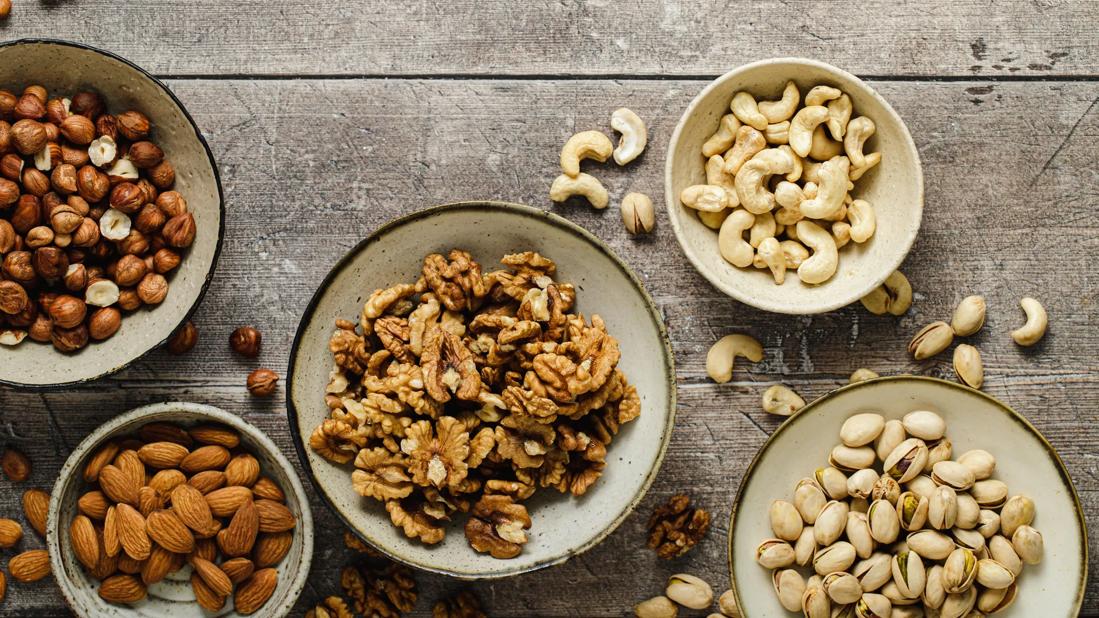
Nuts are tiny, crunchy overachievers. They fit in your pocket, rescue boring salads, make oatmeal less sad, andwhen chosen wiselycan be a smart snack for people with diabetes. The best nuts for people with diabetes are generally rich in healthy fats, fiber, plant protein, vitamins, and minerals, while being relatively low in digestible carbohydrates. Translation: they can help you feel full without sending your blood sugar on a roller-coaster ride that requires emotional support.
That said, nuts are not magic medicine, and a “healthy snack” can quickly become a “why did I eat half the jar?” situation. Portion size matters because nuts are calorie-dense. The sweet spot for most adults is about 1 ounce, or a small handful. Choose unsalted, raw, or dry-roasted varieties most often, and be cautious with candied, honey-roasted, chocolate-covered, or heavily salted nuts. Those versions may taste like a party, but your glucose meter and blood pressure may not RSVP yes.
This guide breaks down the 9 best nuts for people with diabetes, why each one deserves a place in a diabetes-friendly diet, and how to eat them in real life without turning snack time into a math exam.
Why Nuts Can Be Good for People With Diabetes
Diabetes-friendly eating is not just about avoiding sugar. It is about building meals and snacks that support steady blood glucose, heart health, weight management, and long-term energy. Nuts check many of those boxes because they contain a satisfying mix of unsaturated fats, fiber, and protein. These nutrients slow digestion, support fullness, and can help replace less helpful snacks like chips, cookies, crackers, and pastries.
Another big reason nuts matter: people with diabetes have a higher risk of heart disease. Many nuts contain monounsaturated and polyunsaturated fats, the type often called “heart-healthy fats.” When nuts replace foods high in refined carbohydrates or saturated fat, they can support better cholesterol patterns and a more balanced eating plan.
The goal is not to eat a mountain of nuts. The goal is to use them strategically. A tablespoon of chopped walnuts on Greek yogurt, pistachios instead of pretzels, or almond butter on apple slices can make a snack more filling and more blood sugar-friendly. Small choices, repeated often, are where the real nutrition magic happens.
How to Choose Nuts When You Have Diabetes
Stick With Smart Portions
A standard serving is about 1 ounce. That looks like roughly 23 almonds, 49 pistachios, 14 walnut halves, or a small handful of mixed nuts. You do not need to count every nut like it owes you money, but measuring a serving a few times helps train your eyes.
Choose Unsalted Most Often
Many people with diabetes also need to watch blood pressure. Unsalted nuts are usually the best everyday choice. Lightly salted can fit occasionally, but heavily salted snack mixes can sneak in a surprising amount of sodium.
Avoid Sugar-Coated Versions
Glazed pecans, honey-roasted peanuts, cinnamon-sugar almonds, and chocolate-covered cashews may still contain nuts, but they behave more like dessert. Enjoy them as treats, not as your default diabetes snack.
Pair Nuts With High-Fiber Foods
Nuts work beautifully with vegetables, fruit, oats, plain yogurt, cottage cheese, salads, and whole-grain dishes. Pairing them with fiber-rich foods makes meals more satisfying and helps keep portions reasonable.
9 Best Nuts for People With Diabetes
1. Almonds
Almonds are one of the most reliable nuts for people with diabetes because they bring a strong combination of fiber, plant protein, magnesium, vitamin E, and mostly unsaturated fat. They are mild, portable, and easy to add to meals. In snack form, almonds are like the responsible friend who shows up on time, brings a water bottle, and reminds everyone to eat before the road trip.
For blood sugar management, almonds are useful because their fiber and fat can slow digestion and improve fullness. A small handful can help reduce the urge to grab a refined-carb snack later. Almonds also work well as a crunchy topping for salads, oatmeal, roasted vegetables, or plain Greek yogurt.
Best diabetes-friendly way to eat them: Choose raw or dry-roasted unsalted almonds. Pair 1 ounce with a small apple, sprinkle sliced almonds over oatmeal, or use natural almond butter with celery sticks. Check almond butter labels carefully; the best versions contain almonds and maybe a little salt, not added sugar and mystery oils.
2. Walnuts
Walnuts are famous for their plant-based omega-3 fat, alpha-linolenic acid, often shortened to ALA. This makes walnuts especially attractive for heart health, which is a major priority for people with diabetes. They have a rich, slightly bitter flavor that makes them perfect for savory dishes, breakfast bowls, and homemade trail mixes.
Walnuts are lower in carbohydrates than many common snack foods and provide healthy fats that help keep you satisfied. They are not the highest-protein nut, but they are a strong choice when your goal is to improve the overall quality of your fat intake. If your afternoon snack usually comes from a vending machine, walnuts are a serious upgrade.
Best diabetes-friendly way to eat them: Add chopped walnuts to plain oatmeal with cinnamon, toss them into a spinach salad, or stir them into unsweetened yogurt. For a simple dessert-style snack, combine walnuts with a few berries and a spoonful of plain Greek yogurt.
3. Pistachios
Pistachios are a diabetes-friendly favorite because they offer protein, fiber, healthy fats, and a built-in portion-control trick: shells. In-shell pistachios slow you down, and the empty shells create a visual reminder of how much you have eaten. Basically, they are the snack version of a polite speed bump.
Pistachios also contain antioxidants, potassium, and plant compounds that support overall metabolic and heart health. Their slightly sweet flavor makes them satisfying without needing added sugar. For people who want a crunchy snack that feels fun, pistachios are hard to beat.
Best diabetes-friendly way to eat them: Choose unsalted or lightly salted in-shell pistachios. Add chopped pistachios to roasted carrots, grilled chicken salad, or plain yogurt. They also make a great topping for a small bowl of berries when you want something that tastes fancy but does not require a pastry chef.
4. Peanuts
Peanuts are technically legumes, not tree nuts, but nutritionally they behave enough like nuts to earn a spot on this list. They are affordable, widely available, and rich in plant protein, fiber, and unsaturated fat. For many people, peanuts are the easiest diabetes-friendly nut-style snack to keep on hand.
Peanuts can support fullness and help replace refined snacks. Natural peanut butter can also be useful, especially when paired with fruit or vegetables. The key is choosing versions without added sugar or hydrogenated oils. Some peanut butters look wholesome until the label reveals a tiny dessert hiding in the jar.
Best diabetes-friendly way to eat them: Eat a small handful of unsalted peanuts, spread natural peanut butter on apple slices, or add crushed peanuts to a cabbage slaw. If you use peanut butter, measure 1 to 2 tablespoons until you know what that looks like. Peanut butter has a talent for becoming “just one more spoonful.”
5. Pecans
Pecans are buttery, low in carbohydrates, and full of unsaturated fats. They are also rich in plant compounds with antioxidant activity. For people with diabetes, pecans can be a smart choice when used in place of sugary toppings or refined snacks.
The challenge with pecans is their frequent association with pie, pralines, and candied holiday treats. Pecans themselves are not the problem. The sugar blanket is. Plain pecans can add flavor and crunch to meals without turning them into dessert.
Best diabetes-friendly way to eat them: Use chopped pecans on roasted Brussels sprouts, green beans, oatmeal, or salads. For a snack, combine pecans with pumpkin seeds and a dusting of cinnamon. Skip candied pecans most days, unless your nutrition goal is “Thanksgiving in a bowl.”
6. Hazelnuts
Hazelnuts are rich in monounsaturated fats, vitamin E, magnesium, and fiber. They have a deep, almost chocolate-like flavor, which explains why they often end up in sweet spreads. Unfortunately, many chocolate-hazelnut spreads contain much more sugar than hazelnut, so the diabetes-friendly choice is plain hazelnutsnot the dessert version wearing a health halo.
Hazelnuts can be excellent in both sweet and savory dishes. Their flavor pairs well with cocoa, berries, roasted vegetables, and whole grains. Because they are rich and satisfying, a small amount goes a long way.
Best diabetes-friendly way to eat them: Add chopped hazelnuts to unsweetened oatmeal with cocoa powder and berries, toss them into a kale salad, or blend a small amount into homemade pesto. If buying hazelnut butter, look for one with no added sugar.
7. Cashews
Cashews are creamy, mildly sweet, and useful in both snacks and cooking. They contain unsaturated fats, magnesium, copper, and plant protein. They are slightly higher in carbohydrates than some other nuts, so portion size matters, but they can still fit well in a diabetes-friendly diet.
Cashews shine in meals because they can make sauces creamy without heavy cream. Soaked cashews blended with water, garlic, lemon, and herbs can create a rich-tasting sauce for vegetables or chicken. That is a win for anyone trying to eat more plants without feeling like dinner has been assigned by a committee.
Best diabetes-friendly way to eat them: Keep portions around 1 ounce. Add cashews to stir-fries with non-starchy vegetables, blend them into a savory sauce, or enjoy a small handful with raw veggies. Choose unsalted dry-roasted cashews instead of honey-roasted or chocolate-coated versions.
8. Macadamia Nuts
Macadamia nuts are rich, buttery, and especially high in monounsaturated fat. They are lower in carbohydrates than many snack foods and can help make a small portion feel satisfying. Because they are calorie-dense, they are best treated as a premium snack: delicious, useful, and not something to eat by the cereal bowl.
Their mild flavor makes them easy to add to meals, but they are also one of the more expensive nuts. The good news is that you do not need much. A few chopped macadamias can add crunch and richness to a salad or low-sugar yogurt bowl.
Best diabetes-friendly way to eat them: Use chopped macadamia nuts as a topping for grilled fish, salads, or roasted vegetables. Choose plain, unsalted varieties. Avoid white chocolate macadamia cookies if your goal is blood sugar stability; those cookies are mostly cookie, not health strategy.
9. Brazil Nuts
Brazil nuts are best known for selenium, an essential mineral involved in thyroid function and antioxidant defense. They are also rich in healthy fats and low in carbohydrates. For people with diabetes, Brazil nuts can fit into a balanced eating pattern, but they require one important warning: more is not better.
Brazil nuts can contain very high amounts of selenium, and regularly eating too many may push intake above safe levels. For many adults, just one or two Brazil nuts is enough. Think of them as a mineral supplement that happens to crunch.
Best diabetes-friendly way to eat them: Eat 1 to 2 Brazil nuts occasionally or as part of a mixed nut portion. Do not use Brazil nuts as the nut you mindlessly snack on during a long movie. Choose plain, unsalted Brazil nuts and store them in a cool place to protect their fats from turning rancid.
Best Nut Butters for People With Diabetes
Nut butters can be diabetes-friendly, but the label matters. Look for peanut butter, almond butter, cashew butter, or walnut butter with minimal ingredients. Ideally, the label should say the nut itself and maybe salt. Avoid products with added sugar, corn syrup, chocolate, palm oil, or “reduced fat” claims that replace fat with extra carbohydrate.
A typical serving is 1 to 2 tablespoons. Nut butter pairs well with apple slices, celery, whole-grain toast, chia pudding, or plain yogurt. It can also be whisked into sauces for chicken, tofu, or vegetables. The goal is to add satisfaction, not to turn the spoon into a shovel.
What Nuts Should People With Diabetes Limit?
Most plain nuts can fit into a diabetes-friendly diet, but some nut products deserve caution. Candied nuts, praline nuts, chocolate-covered nuts, yogurt-coated nuts, and sweet trail mixes can contain significant added sugar. Heavily salted nuts may not be ideal for people managing high blood pressure. Large portions of any nut can also add more calories than expected.
People with chronic kidney disease may need to monitor minerals such as potassium and phosphorus, depending on their lab results and treatment plan. Anyone with nut allergies should avoid the relevant nuts completely and follow medical advice. If you take medications, follow a specialized diet, or have complex health needs, ask a registered dietitian or healthcare professional how nuts fit into your plan.
Easy Ways to Add Nuts to a Diabetes-Friendly Diet
Nuts work best when they replace less nutritious foods rather than simply adding extra calories on top of everything else. Try pistachios instead of chips, almonds instead of crackers, or walnuts instead of sugary granola. Sprinkle nuts on vegetables to make them more appealing. Add them to breakfast to make it more filling. Use them in sauces to make healthy meals taste less like “diet food” and more like food you actually want to eat.
- Breakfast: Add almonds or walnuts to oatmeal, plain yogurt, or chia pudding.
- Lunch: Toss pecans, pistachios, or hazelnuts into salads for crunch.
- Dinner: Use cashews in stir-fries or macadamia nuts on fish or roasted vegetables.
- Snacks: Pair peanuts or almonds with fruit, vegetables, or cheese.
- Dessert-style option: Combine plain yogurt, berries, cinnamon, and chopped walnuts.
Practical Experience: Eating Nuts With Diabetes in Real Life
In real life, the best diabetes snack is not always the one with the most impressive nutrition profile. It is the one you will actually eat, enjoy, and portion correctly. That is where nuts can be surprisingly helpful. They are shelf-stable, portable, and satisfying. You can keep them in a desk drawer, gym bag, pantry, or caralthough in hot weather, maybe do not leave them in the car unless you enjoy snacks with the aroma of roasted dashboard.
One helpful strategy is to portion nuts before hunger arrives. When you are already hungry, the large container becomes dangerous territory. A 1-ounce portion in a small reusable container is much easier to manage than a giant bag labeled “family size,” especially if the “family” currently includes you, your laptop, and a stressful deadline.
Another real-world tip is to pair nuts with foods that need a little staying power. For example, fruit alone may not keep everyone full for long. But apple slices with peanut butter or berries with chopped almonds can feel more complete. The fruit brings fiber, water, and natural sweetness; the nuts bring fat and protein. Together, they make a snack that feels intentional rather than random.
For breakfast, nuts can improve meals that otherwise digest quickly. Oatmeal with cinnamon is fine, but oatmeal with cinnamon, walnuts, and a spoonful of plain Greek yogurt is more satisfying. A smoothie made only with fruit can be too carb-heavy for some people, but adding a small amount of almond butter or peanut butter may help balance it. Blood sugar responses vary, so checking your own numbers after meals is more useful than relying on someone else’s perfect-looking food photo.
At restaurants, nuts can be both helpful and sneaky. A salad with walnuts or pecans may be a great choice, but watch for sweet dressings, dried fruit, candied nuts, and large portions of cheese. Ask whether the nuts are candied. If they are, request plain nuts or skip them. The same goes for Asian-inspired dishes with peanut sauce; they can be delicious, but some sauces contain added sugar. Enjoy them, but be aware of the full meal, not just the nut ingredient.
For evening snacking, pistachios in the shell are one of the most useful options. The shelling process slows down eating, and the pile of shells provides evidence. This can prevent the classic snack mystery where the bag was full, then suddenly became a historical artifact. Herbal tea plus a measured serving of pistachios can feel like a routine, which is often more sustainable than relying on willpower alone.
Finally, variety matters. Almonds every day are fine if you love almonds, but rotating nuts gives you different nutrients and keeps boredom away. Try walnuts for omega-3 fats, almonds for vitamin E and fiber, pistachios for snack satisfaction, pecans for low-carb crunch, and Brazil nuts in tiny amounts for selenium. A mixed approach also makes meals more interesting. Diabetes-friendly eating should not feel like punishment. With smart portions and simple choices, nuts can bring flavor, texture, and a little joy back to the plate.
Conclusion
The best nuts for people with diabetes are plain, portion-controlled, and chosen for their mix of healthy fats, fiber, protein, and minerals. Almonds, walnuts, pistachios, peanuts, pecans, hazelnuts, cashews, macadamia nuts, and Brazil nuts can all fit into a diabetes-friendly diet when they replace less nutritious snacks and are eaten in sensible amounts.
For the smartest approach, choose raw or dry-roasted unsalted nuts, avoid sugary coatings, measure portions, and pair nuts with high-fiber foods. Nuts will not “cure” diabetes, but they can make healthy eating easier, tastier, and more satisfying. And honestly, any food that can improve a salad and rescue a snack drawer deserves some applause.
Note: This article is for general educational purposes and should not replace personalized medical or nutrition advice. People with diabetes, kidney disease, food allergies, or special dietary needs should consult a healthcare professional or registered dietitian before making major diet changes.

