
Makeup
35 Things That Didn’t Age Well Shared On ‘Poorly Aged Stuff’
Jul
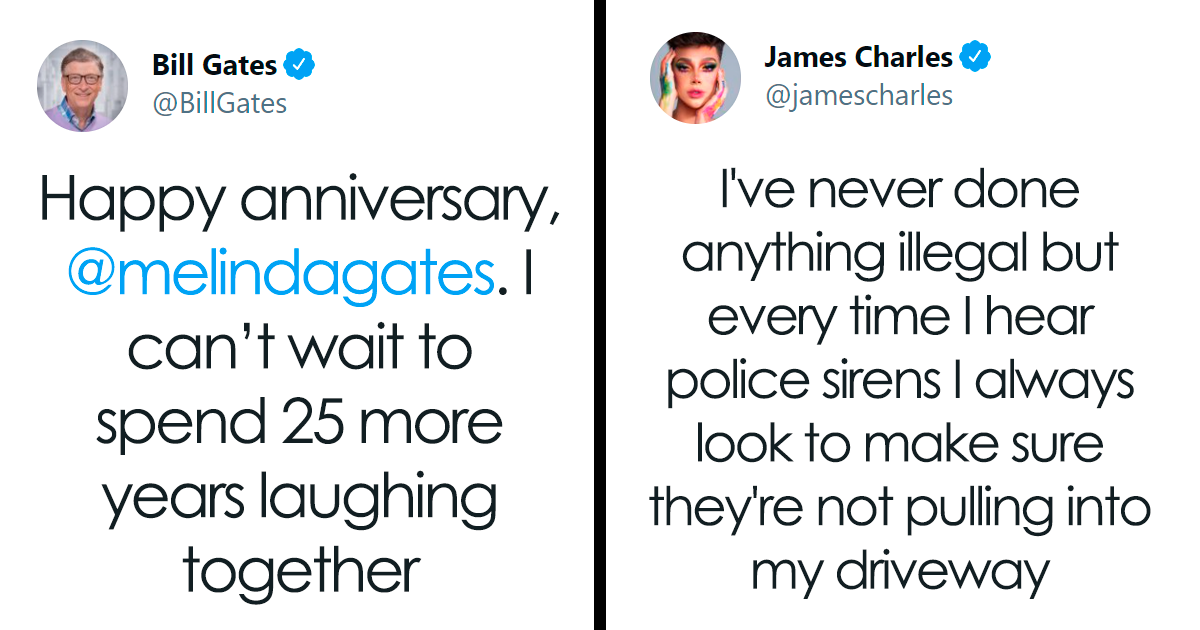
Some things age like fine wine. Others age like milk forgotten in a hot car during a July road trip. That second category is the spiritual home of “Poorly Aged Stuff”, the internet’s unofficial museum of confident predictions, awkward posts, doomed headlines, and product launches that strutted into history wearing clown shoes.
The fun of “things that didn’t age well” is not just laughing at old mistakes. It is watching time do what time does best: walk into the room, pull out the receipts, and clear its throat. A tweet that sounded bold in 2012 can look hilarious in 2026. A business prediction that seemed genius in a boardroom can become a case study. A headline printed too early can turn into a photograph students still study decades later.
This article looks at 35 real-world categories of poorly aged stuff inspired by the humor and cultural memory of the “Poorly Aged Things” universe. No copy-pasted captions, no recycled internet sludge, and no lazy “LOL old people were wrong” routine. Just a fresh, SEO-friendly, American English deep dive into why bad predictions, misplaced confidence, online posts, tech hype, and public statements can turn into historical boomerangs.
Why “Poorly Aged Stuff” Is So Addictive
The phrase “didn’t age well” works because it is simple, flexible, and ruthless. It can apply to a celebrity prediction, a company slogan, a sports take, a tech forecast, or a social media post made 11 minutes before disaster. It also scratches a very human itch: we love seeing certainty humbled by reality.
Online platforms make this even easier. Screenshots, archives, quote posts, old comment sections, and digital databases allow the past to tap us on the shoulder and say, “Remember when you were absolutely sure about that?” In the print era, a bad take might disappear into a basement newspaper stack. Today, it can be resurrected before lunch and served cold with a side of sarcasm.
35 Things That Didn’t Age Well
1. “Dewey Defeats Truman” Energy
Few things age faster than a victory headline printed before the victory exists. The famous 1948 Chicago Tribune headline declaring Thomas Dewey the winner over Harry Truman remains the grandparent of poorly aged public confidence. It is the historical equivalent of celebrating a touchdown at the 10-yard line and tripping over your own marching band.
2. Overconfident Election Predictions
Political predictions often age badly because elections are messy, humans are moody, and polling is not a crystal ball. Forecasting is useful, but pretending the future is already settled is how history gets its screenshots.
3. Tech Products Promised to “Change Everything”
Every few years, a gadget arrives with a trumpet fanfare and claims it will transform civilization. Sometimes it does. Sometimes it becomes an expensive object in a closet next to old charging cables and one mysterious Allen wrench.
4. The Segway Revolution That Didn’t Roll Far
The Segway was genuinely clever technology, but the hype around it aged like unrefrigerated yogurt. It was expected by some boosters to reshape cities and transportation. Instead, it became a tour-group staple, a security-guard icon, and a reminder that a product can work beautifully while still not fitting normal life.
5. “The Internet Is Just a Fad” Takes
Any confident statement dismissing the internet now looks like someone standing beside the ocean and calling it “a puddle with ambition.” The internet did not merely survive; it swallowed shopping, news, entertainment, dating, education, work, banking, and approximately 43 percent of everyone’s sleep schedule.
6. Social Media Posts Made Too Soon
Some posts age poorly within years. Others manage it in minutes. A person celebrates a prediction, mocks an opponent, or announces a trend is deadthen reality kicks the door open holding a pie.
7. “This Will Never Happen” Statements
The phrase “never” is dangerous on the internet. It invites fate to put on tap shoes. Whether the topic is technology, sports, pop culture, or business, “never” often becomes the first word in a future apology.
8. Old Privacy Attitudes
Early social media encouraged people to share everything: full names, hometowns, school names, vacation photos, locations, and personal drama. Years later, that openness looks less carefree and more like leaving your diary on a park bench with a neon sign reading, “Free content.”
9. Corporate Slogans That Met Reality
A company slogan can sound inspiring until a scandal, recall, data breach, or bad business decision makes it sound like satire. The internet loves these moments because slogans are designed to be memorableand unfortunately for brands, embarrassment is also memorable.
10. “New Coke” Confidence
In 1985, Coca-Cola introduced New Coke and quickly discovered that people had feelings. Big feelings. Fizzy feelings. The original formula returned as Coca-Cola Classic after only 79 days, turning New Coke into one of the most famous examples of a brand learning that taste tests do not always measure emotional loyalty.
11. Failed Streaming Service Hype
Quibi launched with major money, major names, and major confidence. Six months later, it announced it was shutting down. That is not a product life cycle; that is a mayfly with a Hollywood budget.
12. Predictions About What Young People Want
Whenever executives say, “This is what young people want,” the universe reaches for popcorn. Young audiences are not a monolith, and they are especially skilled at ignoring things designed by committee to feel “youthful.”
13. Old Ads With Questionable Claims
Vintage ads can be hilarious, charming, or wildly uncomfortable. Many promoted products with health claims, gender stereotypes, or social attitudes that make modern readers whisper, “Who approved this?” The answer, apparently, was everyone in the room.
14. “Nobody Will Watch Long Videos Online”
Long-form online video did not just survive; it built careers, communities, and entire entertainment ecosystems. Any claim that people would only use the web for quick clips has been flattened by three-hour podcasts, video essays, livestreams, and tutorials on fixing appliances you did not know had names.
15. The Death of Physical Media Predictions
Streaming became huge, but vinyl records, DVDs, Blu-rays, books, and collectibles refused to vanish politely. Nostalgia, ownership, sound quality, bonus features, and “I do not trust this platform to keep my favorite movie forever” all kept physical media alive.
16. “This App Will Kill That App”
App wars make for bold headlines but messy outcomes. One platform can rise without completely killing another. People are perfectly capable of using five apps badly instead of one app efficiently.
17. Celebrity “Career Is Over” Takes
Public careers are unpredictable. A star can fade, reinvent themselves, disappear, return, stumble, and become beloved again. Declaring someone permanently finished is risky because audiences enjoy comebacks almost as much as they enjoy takedowns.
18. Sports Takes Before the Final Whistle
Sports may be the fastest factory of poorly aged content. One post says a team is finished. Ten minutes later, they win. Somewhere, a fan deletes 14 tweets and pretends to be interested in gardening.
19. “This Movie Will Flop” Predictions
Box office predictions age badly when audiences show up unexpectedly. Some films look risky on paper, then become cultural events. Others look like guaranteed hits, then land with the grace of a dropped refrigerator.
20. “This Movie Will Be a Masterpiece” Predictions
The reverse is just as dangerous. Hype can build a palace so tall that the actual movie needs climbing gear to reach expectations. When it fails, old praise becomes comedy fuel.
21. Tech Privacy Dismissals
Years ago, concerns about data collection, tracking, and app permissions were often waved away as paranoia. Today, privacy is a mainstream consumer issue. The old “Who cares?” attitude did not age well because, as it turns out, plenty of people care when their information becomes a business model.
22. Google Glass as a Consumer Future
Google Glass looked like a sci-fi doorway, but its consumer version struggled with price, privacy concerns, design awkwardness, and unclear everyday use. It found more serious applications later, but the original public hype aged into a lesson: wearable technology must be socially wearable too.
23. “Remote Work Will Never Be Normal”
Before the 2020s, many leaders insisted remote work was unrealistic for large numbers of office employees. Then millions of people started doing it, often while negotiating with pets, children, doorbells, and suspiciously loud snack wrappers.
24. “People Won’t Buy Things Online”
Early skepticism about e-commerce now reads like someone doubting whether humans enjoy convenience. People will absolutely buy things online. They will buy socks, sofas, groceries, replacement blender parts, and one tiny cable that arrives in a box large enough to house a raccoon.
25. Old Fashion Takes
Fashion ages in cycles, which means yesterday’s joke can become tomorrow’s runway. Mocking a style too aggressively is dangerous. The pants you laughed at in 2011 may return in 2027 with a luxury label and a 400-dollar price tag.
26. “This Band Will Never Last”
Music history is full of critics, labels, and listeners misjudging artists. Sometimes the weird sound becomes the future. Sometimes the band with “no commercial appeal” becomes the band everyone pretends they understood from day one.
27. Bad Product Names
A product name can seem fine until slang changes, events happen, or global markets interpret it differently. Naming is not just creativity; it is risk management with vowels.
28. Predictions About Gaming Being a Niche Hobby
Video games are now entertainment, sports, storytelling, social spaces, and billion-dollar business. Old dismissals of gaming as a passing kids’ hobby aged about as well as dial-up internet noises at a fiber-optic convention.
29. “Nobody Reads Anymore”
People still read. They read books, newsletters, subtitles, fan theories, Reddit threads, captions, reviews, recipes, and warning labels they ignore anyway. The format changed, but reading did not pack a suitcase and leave civilization.
30. Old Workplace Certainties
Statements like “A serious employee must always be at a desk” now sound less like wisdom and more like furniture propaganda. Modern work is more flexible, digital, and global than many managers once imagined.
31. “Nobody Cares About Archives”
Online archives matter because digital content disappears, changes, or gets deleted. When old posts resurface, they often come from screenshots, saved pages, or web archives. The past may not always be easy to find, but it is rarely as gone as people hope.
32. “Delete It and It’s Gone”
This is one of the worst-aging internet beliefs. Deleting can remove content from one place, but screenshots, caches, reposts, backups, archives, and quote posts may already exist. The internet is not permanent in a clean way; it is permanent in a messy, unpredictable, “someone saved that?” way.
33. Marketing That Tried Too Hard to Be Cool
Brands chasing youth culture often age badly because coolness has a short shelf life. By the time a committee approves a meme, the meme may already be retired and living quietly on a farm.
34. “AI Will Never…” Statements
Artificial intelligence is now advancing quickly enough that absolute statements are risky. It is reasonable to debate limitations, ethics, jobs, creativity, and accuracy. It is less wise to declare with total certainty that a specific capability will never improve.
35. Posts Made Without a Pause Button
The ultimate poorly aged thing is the impulsive post: the insult, the prediction, the hot take, the brag, the premature victory lap. The lesson is not “never post.” The lesson is “let your brain proofread your confidence.”
What Poorly Aged Stuff Teaches Us About the Internet
The internet did not invent embarrassment, but it did give embarrassment a search bar. In earlier eras, mistakes often faded because access was limited. Today, a wrong prediction can become a meme, a business-school slide, a reaction image, or a viral post years later.
That does not mean every old mistake deserves eternal punishment. Context matters. People grow. Society changes. Technology evolves. Some old statements look bad because the speaker should have known better. Others look bad because the world changed in ways almost nobody could predict.
The best “didn’t age well” examples are not just cheap dunks. They reveal how confidence, culture, timing, and blind spots work. They remind us that certainty is often more fragile than it sounds.
Why Predictions Fail So Often
Predictions fail because people usually imagine the future as a slightly shinier version of the present. They underestimate behavior, regulation, cost, convenience, culture, boredom, and plain stubbornness. A product can be technically brilliant and still fail because users do not want to look strange using it in public. A media service can be well-funded and still fail because people already have better habits elsewhere.
In other words, the future is not just about what is possible. It is about what people actually adopt. That gap is where poorly aged stuff grows like mold on forgotten leftovers.
How to Avoid Becoming the Next Poorly Aged Screenshot
Pause Before Posting
Before posting a hot take, ask whether you would want it read aloud five years from now by someone with dramatic theater training. If the answer is no, consider a nice walk instead.
Avoid Absolute Words
Words like “never,” “always,” “impossible,” and “guaranteed” are magnets for embarrassment. Use them carefully unless you enjoy giving the future free ammunition.
Respect Context
A screenshot can remove tone, timing, and nuance. When judging old posts, remember that the goal is insight, not just a public dunk tank.
Update Your Beliefs
The smartest people are not the ones who are never wrong. They are the ones who notice when reality has changed and quietly stop defending the old take like it is a family heirloom.
Experiences Related to “35 Things That Didn’t Age Well Shared On ‘Poorly Aged Stuff’”
Anyone who has spent enough time online has probably experienced a tiny version of “Poorly Aged Stuff.” Maybe you once declared a phone feature useless, then used it daily. Maybe you mocked a song, then secretly added it to your playlist. Maybe you told a friend a show looked terrible, only to binge-watch two seasons and emerge at 2 a.m. emotionally attached to a side character named Greg.
The most relatable part of poorly aged content is that it is not limited to famous people, brands, or newspapers. It happens in group chats, comment sections, school discussions, family dinners, workplace Slack threads, and old Facebook memories that appear like digital ghosts wearing cargo shorts. Time has a way of making everyone look slightly ridiculous.
One common experience is the old technology opinion. Many people once said they would never use wireless earbuds because they were too easy to lose. Now they own three pairs and still lose one earbud every week. Others insisted tablets were pointless, smartwatches were unnecessary, or online grocery shopping was lazy. Then life got busy, convenience won, and suddenly the “pointless” tool became part of the daily routine.
Another familiar experience is the entertainment prediction. A trailer drops, everyone becomes an expert, and the internet declares the project dead on arrival. Then the movie, game, album, or series comes out and becomes popular. The reverse happens too: something gets hyped as the next cultural earthquake and lands with the impact of a damp sponge. Watching these shifts teaches a useful lesson: early reactions are often emotional weather, not climate science.
There is also the personal growth version. A person may look back at an old opinion and think, “Wow, I really posted that with my whole chest.” That moment can be embarrassing, but it can also be healthy. Changing your mind is not failure. It is evidence that your brain installed updates. The problem is not being wrong once; the problem is building a shrine to an outdated belief and charging admission.
The best way to relate to “Poorly Aged Stuff” is with humility. Laugh, but do not act like you are immune. Everyone has a prediction, preference, or confident statement waiting somewhere in the past with a tiny mustache and a villain laugh. The internet simply makes those moments easier to find.
For writers, marketers, creators, and regular social media users, the experience is especially useful. It encourages slower thinking. It reminds us that online content can travel farther and live longer than expected. It also proves that humor works best when paired with perspective. The funniest poorly aged examples are not just wrong; they are human. They show our eagerness to predict, label, dismiss, celebrate, and assume we know where the story is going.
But the story keeps going. That is the whole point. Today’s confident post might be tomorrow’s punchline. Today’s weird idea might be tomorrow’s normal habit. Today’s flop might become a cult favorite. Time is the editor nobody hired, and it is very committed to revisions.
Conclusion
“35 Things That Didn’t Age Well Shared On ‘Poorly Aged Stuff’” is more than a funny internet theme. It is a reminder that certainty has an expiration date, hype needs reality checks, and the web has a long memory when it feels like it. From famous newspaper mistakes to failed products, from social media overconfidence to tech predictions that missed the target, poorly aged stuff shows us how fast culture can shift.
The lesson is not to stop making predictions or sharing opinions. That would make the internet quieter, and frankly, several comment sections would not know what to do with themselves. The lesson is to stay flexible, think before posting, and leave room for the future to surprise you. Because sooner or later, time comes for every bold statementand it always brings screenshots.
SEO Tags
Note: This article is an original, publication-ready synthesis written in standard American English. It is based on real public information and cultural examples, rewritten naturally without copying captions, posts, or source text.

