
Makeup
30 Facts You Didn’t Know About American Girl Dolls
Jun
Note: This publishable article is based on synthesized information from official American Girl and Mattel materials, historical business records, and reputable U.S. culture, publishing, and news sources. No external source links are embedded in the copy.
Introduction: More Than a Doll With Great Hair
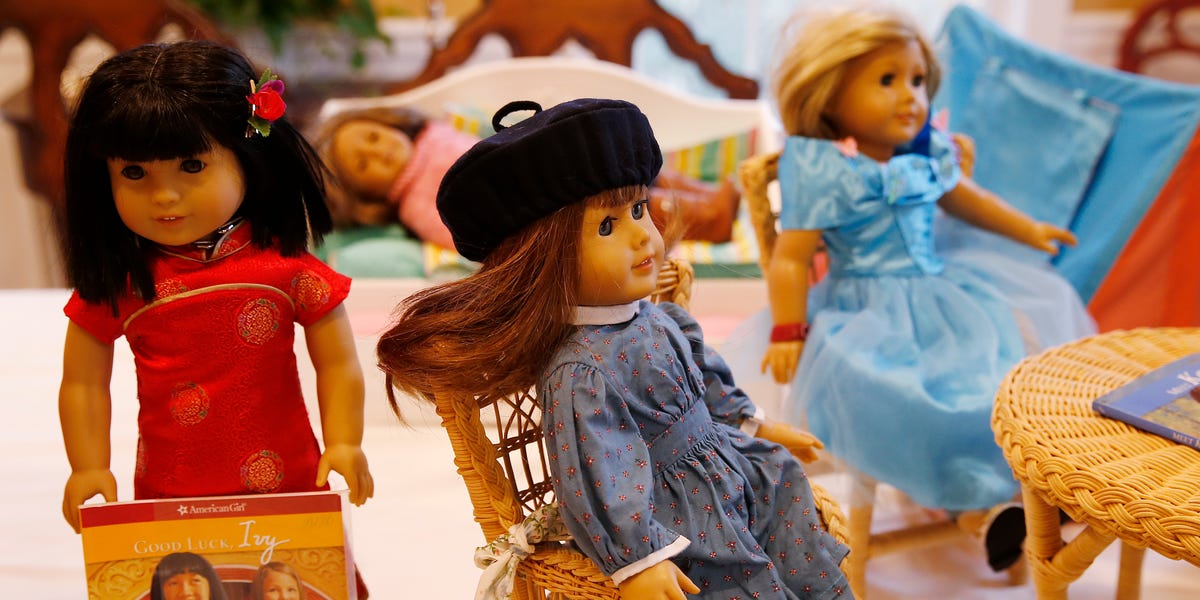
American Girl dolls are not just 18-inch dolls with tiny shoes that somehow vanish faster than car keys. They are a cultural phenomenon, a history lesson, a collector’s obsession, a childhood memory machine, and, for many families, the first time a toy made a child ask, “Wait, what was life like in 1864?”
Since the brand began in 1986, American Girl has blended storytelling, historical research, fashion, identity, and play in a way few toy lines have managed. From Samantha’s polished Edwardian world to Addy’s courageous escape from slavery, from Molly’s World War II home front to Claudie’s Harlem Renaissance dreams, these dolls have always carried more than accessories. They carry context.
Below are 30 facts you may not know about American Girl dolls, including surprising history, collector details, character trivia, brand milestones, and the reason adults still get misty-eyed over a catalog that arrived in the mailbox like sacred literature.
30 Facts You Didn’t Know About American Girl Dolls
1. American Girl was founded by a teacher, not a toy executive
American Girl was created by Pleasant Rowland, a former teacher, writer, and entrepreneur. That matters because the brand was never designed as a simple doll line. It was built around education, reading, and character development. In other words, American Girl did not begin with “What plastic accessories can we sell?” It began with “How can stories help girls understand history?” A noble start, even if it later led to tiny lunch sets that cost more than an actual lunch.
2. Colonial Williamsburg helped inspire the idea
Rowland reportedly found inspiration after visiting Colonial Williamsburg. She noticed that history could feel vivid and personal when children experienced it through daily life, clothing, homes, food, and stories. That spark helped shape the American Girl formula: give a fictional girl a specific historical era, a personal problem, a detailed world, and enough accessories to make a miniature museum curator faint.
3. The first three dolls launched in 1986
The original American Girl dolls were Samantha Parkington, Kirsten Larson, and Molly McIntire. Samantha represented 1904, Kirsten represented 1854, and Molly represented 1944. These three characters established the brand’s signature pattern: a nine-year-old girl living through a meaningful moment in American history.
4. The dolls were sold through catalogs before stores became famous
For many families, the American Girl catalog was an event. Before American Girl Place became a destination, children discovered the dolls by flipping through glossy catalog pages filled with beds, school desks, tea sets, trunks, dresses, books, and historically themed accessories. The catalog was part toy store, part history textbook, part wish list, and part emotional ambush for parents during the holidays.
5. The historical dolls were designed to be children, not babies or adults
One of American Girl’s early strengths was that its dolls represented girls around the same age as the readers and players. They were not infants, and they were not glamorous adult fashion dolls. They were children with opinions, chores, fears, friendships, and moral choices. That made the stories unusually relatable.
6. The books were central to the brand
The books were not bonus material. They were the heart of the original experience. Each historical character had stories that explored her family, community, social challenges, and personal growth. For many kids, the doll came after the book love had already begun. American Girl quietly tricked a generation into reading historical fiction. Respect.
7. The original “big six” became icons
Collectors often refer to the original six historical characters: Kirsten Larson, Samantha Parkington, Molly McIntire, Felicity Merriman, Addy Walker, and Josefina Montoya. These characters helped define the early identity of American Girl and are still among the most nostalgic names in the brand’s history.
8. Addy Walker was a major milestone
Addy Walker, introduced in 1993, was American Girl’s first Black historical character. Her story begins in 1864 as she and her mother escape slavery and seek freedom in Philadelphia. Addy’s books addressed slavery, family separation, racism, education, and courage with a seriousness that made her one of the most important characters in the collection.
9. Josefina brought 1820s New Mexico into the lineup
Josefina Montoya, introduced in 1997, expanded the historical collection by focusing on New Mexico in 1824, when the region was still part of Mexico. Her stories highlight family, healing, cultural traditions, and change. She also gave the brand a chance to explore American history beyond the usual East Coast classroom timeline.
10. Kaya is unique in several ways
Kaya, a Native American character from the Nimiipuu, or Nez Perce, community, is set in 1764. She is notable for her cultural specificity and for having a different face mold than earlier dolls. Her stories focus on responsibility, courage, family, horses, and community life before the United States existed as a nation.
11. American Girl became part of Mattel in 1998
Mattel, the company behind Barbie, acquired Pleasant Company in 1998. That acquisition changed American Girl’s business future while preserving many of its recognizable elements. To collectors, the phrase “Pleasant Company” still carries special meaning because pre-Mattel dolls and accessories are often associated with the earliest era of the brand.
12. The first American Girl Place opened in Chicago
The first American Girl Place opened in Chicago in 1998. It was not just a store; it was an experience. Shoppers could see the dolls’ worlds in person, eat at a cafe, attend events, and enjoy services for dolls. For children, walking into American Girl Place felt less like shopping and more like entering a doll-sized embassy.
13. The Doll Hospital became legendary
American Girl’s repair service, long known as the Doll Hospital and now updated as the Doll Care Center, became one of the brand’s most charming services. Dolls could be sent in for repairs, cleaning, restyling, and limb or head replacement when available. The idea that a beloved doll could “recover” from a haircut disaster or a dog-related incident is both practical and weirdly touching.
14. Bitty Baby was created for younger children
While the historical dolls were aimed at older children, Bitty Baby served a younger audience. This line gave American Girl a way to reach kids who wanted nurturing baby-doll play before they were ready for historical fiction, complex accessories, or Samantha-level emotional drama.
15. American Girl of Today changed the brand’s direction
In the 1990s, American Girl introduced modern dolls that allowed children to choose dolls with different hair, skin tones, eye colors, and looks. This line eventually evolved through names such as Just Like You, My American Girl, and Truly Me. It shifted part of the brand from “Meet a girl from history” to “Create a story that feels like your own.”
16. Truly Me dolls are about personalization
The Truly Me line gives children more flexibility to choose dolls that match their interests, style, or appearance. While historical dolls come with defined stories, Truly Me dolls invite the child to invent the character. One child’s doll might be a soccer champion; another’s might be a pastry chef, astronaut, dragon veterinarian, or all three before breakfast.
17. Girl of the Year began in 2001
The Girl of the Year line began with Lindsey Bergman in 2001. Unlike the historical characters, Girl of the Year dolls are modern characters available for a limited time. Each one usually has a specific hobby, challenge, or theme, such as gymnastics, theater, animals, music, baking, travel, or environmental awareness.
18. Girl of the Year dolls can become highly collectible
Because Girl of the Year characters are released for a limited period, retired dolls and complete accessory sets can become especially desirable. Collectors often pay attention to condition, original boxes, books, outfits, pets, and hard-to-find accessories. Yes, even a tiny plastic laptop bag can become a serious collector item. The doll economy is not for the faint of heart.
19. Melody Ellison connects American Girl to the Civil Rights Movement
Melody Ellison, set in 1964 Detroit, explores music, family, faith, discrimination, and the Civil Rights Movement. Her story includes the influence of Motown and the emotional impact of the 16th Street Baptist Church bombing. Melody shows how American Girl can introduce difficult history through a child’s personal perspective.
20. Claudie Wells celebrates the Harlem Renaissance
Claudie Wells, whose story takes place in 1920s Harlem, was written by acclaimed author Brit Bennett. Claudie’s world includes artists, performers, writers, and community life during the Harlem Renaissance. Her collection also reflects the era’s bold style, proving that historical accuracy and excellent tiny coats can coexist beautifully.
21. American Girl often works with historians and cultural experts
The brand’s historical characters are typically developed with research support. This includes historians, educators, writers, cultural consultants, and subject-matter experts. That research is one reason the stories often feel more grounded than standard toy backstories. Nobody at American Girl simply said, “Give the 1820s girl a random bonnet and call it a day.”
22. The accessories are part of the storytelling
American Girl accessories are famous because they are specific. A school slate, lunch pail, radio, sewing basket, typewriter, bed, trunk, or tea set does more than decorate a shelf. It shows what daily life looked like in a particular period. Accessories help children imagine history through objects they can touch.
23. Retired dolls are “archived,” not forgotten
American Girl has often retired or archived characters, sometimes bringing them back later for anniversary releases or special editions. This strategy keeps collectors alert and slightly dramatic. A character leaving the lineup can feel like a tiny historical emergency, especially if her nightstand, holiday outfit, or school set disappears too.
24. The brand has a strong adult fan base
Many of today’s American Girl collectors are adults who grew up with the books and dolls. Some collect for nostalgia, some restore older dolls, some photograph them, and some build detailed displays. American Girl has become a bridge between childhood memory and adult collecting culture.
25. American Girl memes helped revive cultural attention
In recent years, American Girl has become a meme format for adults who grew up with the brand. Social media jokes imagine increasingly specific “American Girl dolls,” usually tied to modern events, awkward personality types, or highly niche experiences. The humor works because the original brand was so recognizable: a girl, a story, an era, and a very specific emotional problem.
26. American Girl dolls are usually 18 inches tall
The classic American Girl doll size is 18 inches, which helped create a consistent world of clothing, furniture, pets, accessories, and display pieces. That scale is large enough for detailed play but small enough to carry around, unless the child also insists on bringing the bed, desk, horse, and entire emotional support wardrobe.
27. WellieWishers are smaller than classic American Girl dolls
The WellieWishers line introduced 14.5-inch dolls for younger children. These characters focus on friendship, kindness, outdoor play, and early chapter-book storytelling. They are designed as a gentler entry point into the American Girl universe.
28. American Girl helped make historical fiction feel personal
One reason American Girl became so beloved is that it made history intimate. Instead of starting with wars, laws, presidents, or timelines, the books often began with a girl’s home, family, best friend, chores, fears, or hopes. That approach helped children understand that history happened to real people, including kids.
29. Anniversary releases bring nostalgia roaring back
American Girl has celebrated major anniversaries by bringing back classic characters and designs. These relaunches appeal to children, collectors, and adults who remember circling catalog pages with the seriousness of a lawyer marking up a contract. Nostalgia is powerful, especially when it wears a historically accurate dress.
30. American Girl is still evolving
American Girl has changed repeatedly over four decades. It has expanded beyond historical characters into modern dolls, limited-edition releases, younger-child lines, customization, store experiences, digital content, and anniversary collections. Fans may debate every change, but that debate itself proves the brand still matters.
Why American Girl Dolls Still Matter
American Girl dolls remain interesting because they sit at the intersection of play, memory, education, identity, and consumer culture. A child may love the doll because she has beautiful hair and a tiny lunchbox. A parent may appreciate the books because they introduce big topics in age-appropriate ways. A collector may care about face molds, neck strings, original boxes, and whether the meet outfit has all its pieces. Everyone is right.
The brand also stands out because it gives girls narrative importance. In many traditional history lessons, children learn about major events through adult leaders, battles, laws, and dates. American Girl flips the angle. It asks: What did this time period feel like to a girl? What did she eat? What did she wear? What scared her? What did she want? How did she show courage when the world around her was changing?
That storytelling model is why characters like Addy, Samantha, Molly, Josefina, Kaya, Melody, and Claudie continue to resonate. They are fictional, but they are built around real historical pressures. They make big themes small enough to hold, read, dress, brush, and carry to the kitchen table.
Collector Tips for American Girl Fans
Check condition carefully
If you are buying American Girl dolls secondhand, look closely at hair, limbs, eyes, vinyl marks, torso condition, and whether the doll has odors from storage. A doll can often be restored, but condition affects value.
Original accessories matter
Collectors often value complete sets. A missing sock, ribbon, book, necklace, or tiny historically appropriate spoon may seem minor, but it can affect resale value. American Girl collectors are famously detail-oriented, and honestly, they have a point.
Know the difference between play value and collector value
A doll does not need to be rare to be meaningful. Some dolls are valuable because they are hard to find. Others are valuable because a child loved them fiercely. The second kind may have messy hair, loose limbs, and a questionable marker incident, but it also has a story.
Experience Section: Growing Up With American Girl Dolls, Catalog Dreams, and Tiny Historical Drama
One of the most memorable experiences connected to American Girl dolls is not just receiving the doll. It is everything around it: reading the books, studying the catalog, choosing a favorite character, imagining her world, and deciding which accessories were absolutely essential for survival. Spoiler: to an eight-year-old, the answer was “all of them.”
The American Girl catalog had a special kind of magic. It did not feel like ordinary advertising. It felt like opening a portal. Each spread invited you into a complete miniature world. Samantha had elegant furniture and polished manners. Kirsten had pioneer dresses, wooden trunks, and frontier practicality. Molly had glasses, braids, patriotic outfits, and wartime determination. Even if you never owned every piece, the catalog let you imagine them.
For many children, choosing a favorite American Girl character felt like choosing a personality. Samantha fans often liked elegance, books, and tea-party drama. Molly fans respected a girl with braids, glasses, and a talent for getting into situations. Kirsten fans loved cabins, courage, and the idea of surviving on the prairie despite absolutely not wanting to sleep without air conditioning. Addy fans admired strength and bravery. Josefina fans connected with family, healing, and tradition. Kaya fans loved horses, nature, and independence.
The books made the dolls more powerful. A child did not simply own Molly; she knew Molly’s worries, friends, family, and wartime world. A child did not simply dress Addy; she understood that Addy’s story involved freedom, danger, and hope. That emotional context made play deeper. The doll became a character, not just an object.
American Girl also created a rare kind of shared memory between generations. Many adults who grew up with the dolls now introduce them to children, nieces, nephews, students, or younger relatives. They may pull an old doll from storage, brush her hair, find the book, and suddenly remember the exact feeling of wanting one specific holiday dress from a catalog twenty-five years ago. Nostalgia is a powerful thing, especially when it comes with tiny buttons.
There is also something wonderfully funny about the seriousness of American Girl play. Children might build elaborate plots involving friendship, school, illness, historical events, secret clubs, lost pets, and dramatic family reunions. The doll might sit at dinner, ride in the car, attend a sleepover, or be tucked into bed like a royal guest. Meanwhile, parents tried to keep track of shoes that were roughly the size of almonds and somehow more expensive.
For collectors, the experience changes but does not disappear. Adult fans may restore dolls, hunt for retired outfits, compare different eras of production, photograph collections, or revisit the original books. The hobby can be comforting because it reconnects people to a time when stories felt big and imagination did not require permission. It can also be analytical: collectors study release years, manufacturing details, packaging changes, character revisions, and market values.
American Girl dolls endure because they invite participation. You read, imagine, dress, collect, discuss, repair, display, and remember. The brand gives people a way to talk about childhood, history, representation, family, and identity without making the conversation feel like homework. That is a rare achievement for any toy line.
At their best, American Girl dolls teach that every era has children with questions, dreams, fears, and courage. They remind us that history is not only made by famous adults in formal portraits. It is also lived by girls at kitchen tables, in schoolrooms, on farms, in cities, in churches, in shops, and in families trying to build better futures. And yes, sometimes it is lived through a doll with excellent hair and a wardrobe that could humble a celebrity stylist.
Conclusion: A Tiny Doll With a Big American Story
American Girl dolls have lasted because they offer more than cuteness. They combine story, history, design, nostalgia, identity, and imagination. The best American Girl characters do not simply wear pretty clothes; they open windows into different times and lives. Whether you are a parent, collector, former catalog-circler, or curious reader, the world of American Girl dolls proves that a toy can be educational, emotional, stylish, and occasionally responsible for a missing tiny shoe crisis.
From Pleasant Rowland’s original vision to modern anniversary collections, American Girl has remained a uniquely American mix of learning and longing. It teaches children that stories matter, that girls belong at the center of history, and that even the smallest accessories can hold surprisingly big meaning.

