
Skincare
22 Random Acts of Kindness That Will Restore Your Faith In Humanity
Jul
Spend five minutes scrolling through the news, and you may conclude that humanity has misplaced its instruction manual. People argue with strangers, shopping carts roam parking lots like untamed buffalo, and someone is always replying “Actually…” to a perfectly harmless social media post.
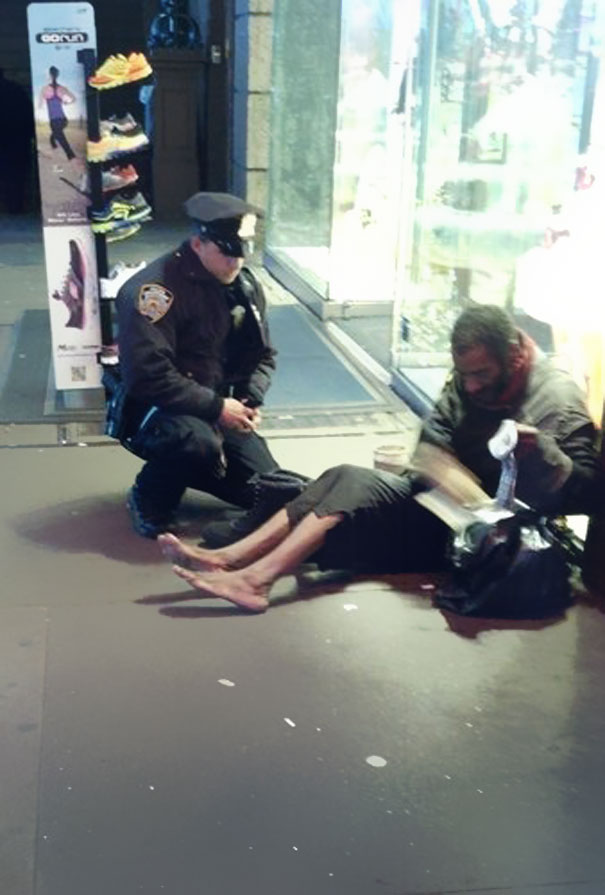
Yet beyond the loudest headlines, ordinary people are quietly making life easier for one another. They carry groceries, donate blood, share books, check on neighbors, praise exhausted workers, and perform dozens of other random acts of kindness without expecting applause, points, or a commemorative plaque.
Research into prosocial behavior suggests that people often underestimate the emotional effect of a small kind gesture. Helping others may also support happiness, social connection, purpose, and psychological well-being. In other words, kindness is not merely decorative. It is practical social glue, and society could currently use the industrial-strength variety.
The following 22 acts range from tiny gestures to community-minded projects. None requires a cape, a dramatic soundtrack, or billionaire-level funding. Most simply require attention, a few minutes, and the willingness to notice that another human being is having a day.
Small Acts of Kindness for Strangers
1. Let Someone Go Ahead of You
When the person behind you has two items and you have a cart that appears to be provisioning a small island nation, invite them to go first. You can also yield your place to a parent managing restless children, an older adult, or anyone who seems pressed for time. It costs only a minute but communicates something powerful: “I see you, and your time matters too.”
2. Pay for One Modest Item
Cover a stranger’s coffee, bus fare, sandwich, or small grocery purchase when the opportunity feels natural. Keep the gesture simple and pressure-free. A single gift is enough; you do not need to launch an endless drive-through payment chain that eventually confuses the cashier and financially ambushes someone ordering lunch for twelve.
3. Return a Stray Shopping Cart
Return your cart and, when convenient, collect one that has wandered away from its corral. This helps store employees, protects parked vehicles, and makes the lot easier to navigate. It is an especially thoughtful act during rain, extreme heat, cold weather, or busy holiday periods when retail workers are already participating in an unofficial endurance event.
4. Offer a Sincere, Specific Compliment
Tell someone you admire their jacket, patience, creativity, or excellent choice of eyeglass frames. Specific compliments feel more genuine than vague flattery. Focus on something appropriate and freely chosen rather than commenting on a stranger’s body. “Your presentation was wonderfully clear” is memorable. “You look less tired today” should remain safely inside your head.
5. Carry an Extra Umbrella
Keep an inexpensive spare umbrella in your car or bag and give it to someone caught in a downpour. You may never see it again, which is precisely the point. A person who expected a miserable, soaked journey suddenly receives shelter from someone who had no obligation to provide it.
6. Leave a Generous Tip When You Can
A meaningful tip can brighten the day of a server, barber, delivery driver, hotel housekeeper, or other service worker. It is particularly considerate during difficult weather, late shifts, holidays, or unusually demanding service. Pair the money with a short thank-you note so the person knows the extra amount was intentional rather than an arithmetic adventure.
Kind Gestures for Workers and Everyday Helpers
7. Tell a Manager About Excellent Service
Customers are famously efficient at reporting problems and mysteriously shy about reporting competence. Reverse the pattern. Ask for a supervisor or submit an online comment naming the employee who helped you. Mention exactly what that person did well. Positive customer feedback may support recognition, evaluations, or advancement, and it takes only a few minutes to provide.
8. Thank the People Whose Work Is Often Invisible
Offer genuine appreciation to custodians, crossing guards, school cafeteria workers, maintenance crews, security staff, sanitation workers, receptionists, and delivery personnel. Learn their names when appropriate. Society relies on countless people whose work becomes noticeable mainly when it stops, which is a rather unfair performance-review system.
9. Bring Water or a Snack to an Outdoor Worker
On a hot day, offer a sealed bottle of water to a mail carrier, landscaper, construction worker, or delivery driver. During cold weather, a packaged snack or warm drink may be welcome. Always ask first and respect a polite refusal; kindness works best when it does not arrive carrying a mandatory participation form.
10. Write a Handwritten Thank-You Note
Send a short note to a teacher, nurse, mentor, former supervisor, coach, or community volunteer whose help stayed with you. Describe one thing they did and how it affected your life. People often perform meaningful work without learning what happened afterward. Your note may close that loop years later.
Random Acts of Kindness in Your Neighborhood
11. Bring In a Neighbor’s Trash Bins
Roll a neighbor’s empty bins away from the curb, especially when they are elderly, injured, traveling, caring for a baby, or working a long shift. This five-minute favor can remove one irritating task from an exhausting day. Make sure you know where the bins belong; delivering them to the wrong house turns kindness into a suburban mystery.
12. Offer One Specific Errand
Instead of saying, “Let me know if you need anything,” make a concrete offer: “I’m going to the pharmacy at 4:00. Can I pick something up?” Specific help is easier to accept because the recipient does not have to invent a task, calculate your availability, and overcome the fear of becoming a burden.
13. Share Extra Produce or Prepared Food
If your garden has produced enough zucchini to concern local authorities, share the harvest with neighbors, coworkers, or a community pantry that accepts fresh food. A safely prepared meal can also support a family dealing with illness, grief, a new baby, or another demanding transition. Confirm allergies, dietary needs, and delivery preferences before cooking.
14. Clear a Shared Path
Shovel snow, sweep leaves, remove a fallen branch, or clear debris from a shared walkway. Concentrate on public or mutually used areas rather than redesigning someone else’s property without permission. This quiet form of neighborhood kindness improves access for children, older adults, wheelchair users, delivery workers, and everyone attempting to remain upright.
15. Pick Up Litter During a Walk
Carry gloves and a small bag while walking through your block, beach, trail, or local park. Even ten minutes of cleanup improves a shared space and may encourage others to treat it more carefully. Avoid sharp, hazardous, or unidentified materials; civic spirit is admirable, but it should not require an emergency-room subplot.
16. Add a Good Book to a Community Library
Place clean, appealing books in a Little Free Library or another neighborhood book exchange. Children’s books, popular fiction, cookbooks, and practical guides are often welcome. Sharing books expands access to reading while creating a small point of connection where neighbors can discover stories, recommendations, and occasionally a bookmark from 1997.
Kindness for Friends, Coworkers, and Online Communities
17. Send a “No Need to Reply” Message
Check on someone who is grieving, overwhelmed, lonely, or simply quieter than usual. Write a brief message such as, “Thinking of you. No need to respond.” Removing the obligation to answer transforms the message from another task into genuine support. Continue checking in after the first wave of attention has passed.
18. Give Public Credit and Private Correction
Recognize a coworker’s contribution during a meeting, in an email, or in front of a supervisor. When possible, handle minor mistakes privately rather than staging a public courtroom drama beside the office printer. This approach protects dignity, strengthens trust, and builds a workplace culture where people are not forced to compete for every crumb of recognition.
19. Leave a Helpful Positive Review
Write a thoughtful review for a small business, independent creator, tradesperson, local restaurant, or nonprofit that served you well. Explain what made the experience valuable instead of leaving only five stars and the cryptic phrase “Good stuff.” Useful reviews help future customers and can improve visibility for organizations with limited marketing budgets.
20. Teach a Skill Without Making Anyone Feel Small
Help someone use a phone feature, prepare a résumé, change a tire, understand a form, practice English, or complete another manageable task. Ask permission, move at the learner’s pace, and avoid taking over. The goal is not to demonstrate that you are a magnificent genius. It is to leave the other person feeling more capable.
Acts of Kindness That Support the Wider Community
21. Donate Blood or Volunteer at a Food Bank
Eligible blood donors can support patients receiving emergency care, surgery, cancer treatment, and other medical services. Local food banks also rely on volunteers to sort donations, pack boxes, distribute meals, and assist visitors. These actions require more planning than holding a door, but they convert a few hours of ordinary time into direct community support.
22. Create a Small Personal Kindness Fund
Set aside a manageable amount each month for spontaneous generosity. It might pay for groceries, school supplies, transit fare, a nonprofit donation, or an emergency pet bill. The amount can be tiny. The important step is reserving resources before an opportunity appears, making kindness a habit rather than something you attempt only when your budget performs a miracle.
How to Make Random Kindness Genuinely Helpful
Good intentions matter, but thoughtful execution matters too. Ask before touching someone’s belongings, offering physical assistance, photographing a recipient, or posting the experience online. Some people value privacy, independence, religious boundaries, dietary restrictions, or personal space. Respecting those preferences is part of the gift.
Choose acts that fit your resources. Kindness should not require overspending, ignoring your safety, or exhausting yourself until you begin resenting everyone involved. Time, patience, information, encouragement, and attention can be as valuable as money.
Finally, release the expectation of gratitude. A recipient may be distracted, embarrassed, suspicious, or simply having a terrible day. The purpose is to reduce someone’s burden, not to collect an emotional receipt proving that you are officially a wonderful person.
Experiences That Show Why Small Kindness Matters
The following composite experiences reflect common situations in which ordinary generosity can change the emotional direction of a day.
The Grocery-Line Reprieve
Imagine a parent standing in a crowded checkout line after work. One child is tired, another has developed a passionate objection to wearing shoes, and the parent is holding three items while questioning every decision made since breakfast. The customer ahead notices and offers the family the next place in line.
Nothing dramatic happens. There is no applause. The parent saves perhaps four minutes. Yet those minutes communicate that the surrounding world is not entirely indifferent. A stressful public moment becomes manageable because one stranger paid attention instead of pretending to study the nutritional information on a bag of rice.
The recipient may later repeat the gesture for someone else. This is one reason everyday kindness can spread: people who witness or receive generosity are reminded that cooperation remains normal and available.
The Message That Does Not Demand Energy
Now consider someone dealing with grief. During the first week, messages arrive constantly. Weeks later, daily life resumes for everyone else, while the grieving person is still learning how to move through ordinary routines. A friend sends a message: “I know today may be difficult. I’m thinking of you. No need to reply.”
That final sentence matters. Grief can make even simple responses feel like administrative work. By removing the demand for conversation, the sender offers companionship without creating another responsibility. The message says, “You have not disappeared from my thoughts merely because the calendar moved forward.”
Consistent, low-pressure kindness is often more meaningful than one grand performance. A meal delivered quietly, a lawn mowed without ceremony, or a reminder sent on a difficult anniversary can sustain someone long after the initial crisis has left public view.
The Compliment That Reaches a Supervisor
Picture a customer-service employee near the end of a difficult shift. Several people have complained about policies the employee did not create and cannot change. One customer notices the worker’s patience, asks for a name, and later submits a positive comment to management.
The customer may spend three minutes writing it. For the employee, the message could become evidence of strong performance, a bright spot in an unpleasant week, or simply proof that professionalism was noticed. That is an important feature of kindness: the effort and impact are not always equal. A small action for the giver can be unusually significant to the recipient.
The Neighborhood Favor That Becomes a Network
A resident begins bringing in an older neighbor’s trash bins. Later, another neighbor offers to pick up prescriptions. Someone else shares tomatoes, and a teenager helps set up a new phone. None of these favors is heroic in isolation. Together, however, they create a network in which people are more comfortable asking for and offering practical help.
Communities are not built only through major events. They are built through repeated proof that people will notice one another. Trust grows when assistance is specific, respectful, and consistent. Eventually, the neighborhood stops feeling like a collection of locked doors and starts feeling like a place where someone might notice if the porch light has been off for too long.
These experiences explain why acts of kindness that restore faith in humanity are rarely cinematic. Their power comes from arriving in ordinary moments: a difficult checkout line, a lonely evening, a demanding shift, or a household task that feels impossible today. Kindness does not erase every problem. It reminds people they do not have to face every problem alone.
Conclusion
Humanity has serious problems, but it also has people returning carts in the rain, sharing food, donating blood, praising strangers, clearing sidewalks, and sending messages that ask for nothing in return. Those people rarely become headlines, which may be why the world sometimes appears colder than it truly is.
Choose one act from this list and complete it today. Keep it safe, respectful, and free of expectation. You may improve someone’s afternoon, renew their sense of belonging, or inspire another generous choice. At the very least, you will have made one small corner of the world less irritatingand honestly, that is an excellent start.
Note: Offer assistance in ways that respect safety, consent, privacy, cultural differences, dietary needs, and personal boundaries. Contact organizations directly before donating goods because local policies and current needs can vary.

