
Hair Care
Dummy Pocket Door With Edge Pull
May
A pocket door is one of those home features that quietly makes you feel smarter. Instead of swinging into a hallway, bumping into a towel rack, or blocking half a closet like an overexcited golden retriever, it slides neatly into the wall. Elegant. Space-saving. Slightly magical. But the magic only works when the hardware is chosen correctly, and that is where a dummy pocket door with edge pull earns its starring role.
This simple hardware setup is designed for pocket doors that do not need to latch or lock. Think closets, pantries, laundry rooms, home offices that are more “please don’t bother me” than “classified documents inside,” and decorative sliding doors between rooms. A dummy pocket door pull gives you a clean grip on the face of the door, while the edge pull lets you retrieve the door when it disappears fully into the wall pocket. It is not flashy, but neither is a good can openerand you notice immediately when you do not have one.
In this guide, we will break down what a dummy pocket door with edge pull is, how it works, where it makes sense, what to look for when buying one, how installation usually goes, and what real-world experience teaches homeowners after the sawdust settles.
What Is a Dummy Pocket Door With Edge Pull?
A dummy pocket door pull is a non-locking, non-latching hardware set used on a sliding pocket door. The word “dummy” does not mean cheap, fake, or foolish. In door hardware language, it means the hardware is used mainly for pulling, not for operating a latch. It does not turn, lock, or engage a strike plate. It simply gives your hand a place to grab.
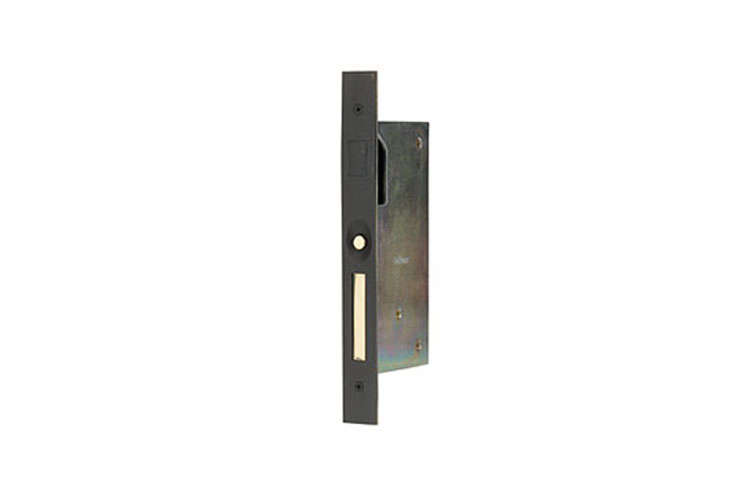
An edge pull is a small retractable or fold-out piece installed into the leading edge of the door. When the pocket door is fully open and tucked inside the wall cavity, the flush pull on the face of the door may be hidden inside the pocket. Without an edge pull, you may find yourself pinching the door edge with your fingernails, which is neither elegant nor good for your manicure. The edge pull solves that problem by giving you a small finger grip to pull the door back out.
The Three Key Parts
A typical dummy pocket door with edge pull setup may include a face pull, an edge pull, and installation fasteners. The face pull sits flush or nearly flush on one or both sides of the door. The edge pull is mortised into the door edge so it does not scrape the jamb. Some premium pocket door mortise sets combine the face pulls and edge pull into one integrated unit, while simpler installations use separate flush pulls and a separate edge pull.
Why Choose Dummy Hardware Instead of Passage or Privacy Hardware?
Door hardware is usually described by function. The most common interior categories are dummy, passage, and privacy. A dummy function is pull-only. A passage function usually has a latch but no lock. A privacy function usually includes a lock, often used for bathrooms and bedrooms.
A dummy pocket door with edge pull is best when the door simply needs to slide open and closed. It is ideal when you do not need the door to stay latched, resist pressure, or provide privacy. For example, a pantry door rarely needs a lock unless your household has a serious cookie-security problem. A laundry room pocket door may only need to hide the mountain of towels you promised yourself you would fold yesterday. A closet door mostly needs to glide smoothly and look polished.
Choosing dummy hardware can also simplify installation. Since there is no latch body or strike plate to align, there are fewer moving parts and fewer opportunities for the door to misbehave. That simplicity is one of the biggest advantages of dummy pocket door hardware.
How an Edge Pull Works on a Pocket Door
The edge pull is the unsung hero of pocket door hardware. It sits on the narrow front edge of the doorthe side you see when the door slides into the wall. When the door is open and fully recessed, you press, hook, or flip the edge pull to create a small grip. You then pull the door out of the pocket until the face pull becomes reachable.
Most edge pulls are designed to sit flush when not in use. This matters because pocket doors slide through a narrow opening between jambs and wall framing. Any hardware sticking out too far can rub, scratch, rattle, or stop the door from closing properly. In a good installation, the edge pull feels useful when needed and invisible when not. That is basically the dream for home hardware: work hard, stay quiet, look good.
Best Places to Use a Dummy Pocket Door With Edge Pull
Not every pocket door needs a lock or latch. In many homes, a dummy setup is actually the most practical choice. Here are the best places to use it.
Closets
Closet pocket doors are perfect candidates for dummy pulls. You usually do not need a latch, and the clean face hardware keeps the door from catching on clothing, hangers, or storage bins. A simple edge pull makes it easy to retrieve the door when it slides fully into the pocket.
Pantries
Pantry doors benefit from quick access. A dummy pocket door pull lets you open the door with minimal effort while carrying groceries, holding a mixing bowl, or pretending you are not sneaking chocolate chips. Since a pantry does not usually require privacy, dummy hardware keeps the setup simple.
Laundry Rooms
Small laundry areas often need every inch of clearance. A swinging door can collide with baskets, appliances, or your will to do chores. A pocket door with a dummy pull slides out of the way, and the edge pull makes it easy to bring the door back when you want to hide the chaos.
Home Offices and Flex Rooms
If you want visual separation without needing a lock, dummy hardware works well. For a room where noise control or privacy is important, you may prefer passage or privacy hardware. But for a casual office, craft room, or reading nook, a dummy pocket door can be enough.
Decorative Openings
Some pocket doors are used between dining rooms, living rooms, dens, or sitting areas. In these spaces, the hardware should look intentional without becoming the main event. Flush dummy pulls and a matching edge pull create a clean, architectural finish.
Benefits of a Dummy Pocket Door With Edge Pull
The biggest benefit is simplicity. A dummy pull does not require a latch mechanism, so there is less hardware to align, maintain, or replace. For interior spaces that do not need security, this is a smart and practical choice.
Another benefit is appearance. Pocket doors often shine in modern, transitional, farmhouse, and minimalist interiors because they reduce visual clutter. A flush pull keeps the surface sleek, and an edge pull avoids awkward handles sticking out from the door edge.
Space efficiency is also a major advantage. Pocket doors are popular because they remove the need for door swing clearance. In tight bathrooms, small hallways, compact closets, and narrow laundry rooms, this can make the room feel significantly more usable. The right hardware protects that advantage by staying recessed and slide-friendly.
Finally, dummy hardware can be more budget-friendly than privacy or keyed pocket door locks. There are still luxury options in solid brass, bronze, and designer finishes, but basic dummy pull sets and separate edge pulls are often accessible for everyday remodeling projects.
What to Look for When Buying Pocket Door Dummy Hardware
Before buying, confirm your door thickness. Many residential interior doors are either 1-3/8 inches or 1-3/4 inches thick, and pocket door hardware is often designed around those measurements. Buying hardware for the wrong thickness can lead to loose installation, awkward fit, or a return trip to the store where you pretend you meant to browse light bulbs anyway.
Next, check whether the hardware is designed for a pocket door, not a standard swinging door. Regular dummy knobs and levers can work on certain non-latching doors, but they usually project too far for a pocket door. Pocket door pulls should sit flush or nearly flush so the door can slide into the wall cavity without interference.
Look at the edge pull design. Some use a spring-loaded pop-out tab. Others use a manual flip-out finger pull. Spring-loaded pulls feel convenient, but quality matters because weak springs can become annoying over time. Manual pulls are simple and reliable, though they may require a fingernail or fingertip to operate.
Material matters too. Steel, brass, stainless steel, bronze, and zinc-alloy products all exist in the market. Solid brass or stainless steel tends to feel more substantial, while basic steel options can work well for budget-friendly interior doors. For finish, common choices include satin nickel, matte black, polished chrome, oil-rubbed bronze, antique brass, satin brass, and polished brass.
Installation Overview: How It Usually Works
Always follow the manufacturer’s template for the exact product you buy. Pocket door hardware dimensions vary, and guessing is how a five-minute job becomes a two-hour woodworking confession.
Step 1: Decide Pull Height
Many installers place pocket door pulls around the same height as other door handles in the home. A common residential handle height is around 36 inches from the floor, but consistency with nearby hardware often matters more than chasing a universal number. Mark carefully and check both sides before cutting.
Step 2: Mark the Edge Pull Location
The edge pull usually goes on the leading edge of the door near the face pull. It should be easy to reach when the door is open and recessed. Make sure it will not conflict with any internal lock body, door framing, or existing hardware.
Step 3: Mortise the Door Edge
Most edge pulls require a shallow mortise so the plate sits flush with the edge of the door. This may involve using a router, chisel, drill, or a combination of tools. The goal is a clean recess that holds the hardware flat and secure. Take your time here. A neat mortise is the difference between “custom carpentry” and “something happened.”
Step 4: Install the Face Pulls
Flush pulls may require a round bore, rectangular mortise, or surface-mounted recess depending on the product. Some dummy pocket door pull sets are designed to fit standard bore preparations, while others require more precise cutting.
Step 5: Test the Slide
After installation, slide the door fully open and closed several times. Confirm that the edge pull retracts completely, the face pulls do not scrape the jamb, and the door does not rub inside the pocket. A pocket door should feel smooth, not like it is filing a complaint.
Common Mistakes to Avoid
The first mistake is buying hardware that projects too far. Pocket doors need low-profile hardware. If the pull sticks out, it can hit the jamb or prevent the door from entering the pocket fully.
The second mistake is skipping the edge pull. Some homeowners install flush pulls only, then realize the door disappears into the wall and becomes difficult to retrieve. If the door will slide completely into the pocket, an edge pull is not a luxury. It is the rescue handle.
The third mistake is poor mortising. If the edge pull does not sit flush, the door may rub or fail to close properly. If the mortise is too loose, the hardware may wiggle. Measure twice, cut once, and keep a calm relationship with your chisel.
The fourth mistake is mismatched finishes. Your pocket door hardware does not have to match every hinge and faucet in the house, but it should look intentional. Matte black can feel modern and bold. Satin nickel is versatile. Brass adds warmth. Oil-rubbed bronze works well in rustic or traditional spaces.
Maintenance Tips for Smooth Operation
Dummy pocket door hardware is low maintenance, but it is not no maintenance. Every few months, check that screws remain tight. Sliding doors vibrate slightly during use, and small screws can loosen over time.
Keep the edge pull clean so dust and paint buildup do not prevent it from retracting. If you repaint the door, remove the hardware first or tape carefully. Paint inside the moving edge pull mechanism is a tiny home-improvement tragedy that no one needs.
If the door starts rubbing, the issue may not be the pull. Pocket doors can stick because of roller adjustment, track wear, wall movement, or door alignment. Check the hardware, but also inspect the track and guides. A good edge pull cannot fix a bad roller, just as a nice steering wheel cannot save a shopping cart with one wild wheel.
Design Ideas and Specific Examples
For a modern white oak pocket door, a satin brass rectangular flush pull with a matching edge pull can look warm and upscale. For a matte black steel-framed interior, black hardware creates a clean, graphic line. For a traditional painted pantry door, satin nickel or polished chrome keeps the look familiar and easy to coordinate.
In a small bathroom remodel where privacy is required, a dummy setup may not be enough. In that case, consider a privacy pocket door lock with an integrated edge pull. But for a linen closet outside the bathroom, a dummy pull with edge pull is usually the better and simpler choice.
For double pocket doors, dummy hardware may be used when the doors meet in the middle but do not need to latch. If one side must secure to the other, you may need specialized converging pocket door hardware, a jamb bolt, or a privacy/keyed configuration depending on the room’s function.
Experience-Based Notes: Living With a Dummy Pocket Door With Edge Pull
After using pocket doors in real homes, one lesson becomes obvious: the smallest hardware decisions often create the biggest daily difference. A dummy pocket door with edge pull may look like a minor detail on a shopping list, but it affects how the door feels every single time someone uses it.
The first experience many homeowners have is surprise at how often the door disappears completely into the wall. During installation, it seems obvious that the flush pull will be enough. Then someone slides the door fully open, the face pull vanishes into the pocket, and suddenly everyone is trying to fish the door out with fingertips. The edge pull turns that awkward moment into a simple motion. Flip the tab, pull the door, done. No drama. No fingernail gymnastics.
Another real-world lesson is that cheap hardware feels cheap faster on a pocket door than on a regular hinged door. A standard closet knob may only get pulled straight outward. A pocket door pull gets tugged sideways, brushed by hands, exposed to dust inside the pocket, and sometimes yanked by guests who do not understand sliding doors. A sturdy edge pull with a smooth retracting action is worth the upgrade, especially on doors used every day.
Installation accuracy also matters more than people expect. If a face pull is slightly crooked, you will see it forever. If an edge pull is not perfectly flush, you may hear it scrape. Pocket doors are less forgiving than swinging doors because the hardware has to pass through tight clearances. A careful installer will dry-fit the hardware, test the slide, and make tiny adjustments before tightening everything down.
In homes with children, the edge pull can be both useful and entertaining. Kids discover the little flip-out tab quickly. That is not necessarily a problem, but it is a good reason to choose durable hardware. If the door leads to a pantry, prepare for the edge pull to become the gateway to snacks. No hardware manufacturer can help you there.
From a design perspective, the best dummy pocket door hardware is the kind you stop noticing. It should match the room, feel good in the hand, and let the door glide without calling attention to itself. In a narrow hallway, a flush pull prevents bumps and snags. In a minimalist room, it keeps the door surface clean. In an older home, a warm brass or bronze finish can make a new pocket door feel like it has always belonged there.
The biggest practical recommendation is to decide early how the door will be used. If the door protects privacy, choose privacy hardware. If it needs to latch, choose passage or mortise hardware. If it only needs to open and close, a dummy pocket door with edge pull is usually the cleanest solution. It keeps the project simple, the door easy to use, and the finished space looking intentional.
One final experience-based tip: do not install the door and then shop for the pull as an afterthought. Hardware affects drilling, mortising, door thickness, reveal, and usability. Choose the dummy pull and edge pull before painting or finishing the door. That way, any cutting happens before the final coat, and the finished installation looks professional rather than patched together during a Saturday afternoon hardware-store panic.
Conclusion
A dummy pocket door with edge pull is a smart, simple, and attractive hardware choice for interior sliding doors that do not need to latch or lock. It combines the clean look of flush pocket door hardware with the practicality of a retractable edge grip. For closets, pantries, laundry rooms, flex spaces, and decorative openings, it offers exactly what most homeowners need: easy operation, low visual clutter, and fewer moving parts to maintain.
The key is choosing hardware that fits your door thickness, sits flush, matches your design style, and feels sturdy enough for daily use. Install it carefully, test the door before calling the job finished, and you will have a pocket door that slides smoothly instead of starring in its own tiny renovation nightmare.
Note: This article is for general homeowner education and content publishing. Always follow the installation template and safety instructions provided by the specific hardware manufacturer.

