
Skincare
Many Older Adults Are Not Getting Prescribed the Blood Pressure Treatment They Need
May
Editorial note: This article is for general health education and should not replace medical advice. Older adults should work with a licensed healthcare professional before starting, stopping, or changing blood pressure treatment.
Introduction: The Quiet Problem Hiding in the Blood Pressure Cuff
High blood pressure is often called the “silent killer,” which is a dramatic nickname for something that usually arrives without warning bells, flashing lights, or a villain soundtrack. For many older adults, hypertension does not feel like anything at all. They may feel perfectly fine, enjoy breakfast, argue lovingly about the thermostat, and still have blood pressure numbers quietly putting extra strain on the heart, brain, kidneys, and blood vessels.
The bigger issue is not simply that many older adults have high blood pressure. It is that many are not getting the blood pressure treatment they may need. In some cases, they are not prescribed medication when lifestyle changes are not enough. In other cases, they already take one medication, but their treatment is not intensified even when their blood pressure remains above target. This gap can leave older adults exposed to a higher risk of heart attack, stroke, heart failure, kidney disease, cognitive decline, and avoidable hospital visits.
To be clear, this is not a “give everyone more pills immediately” story. Good blood pressure care in older adults is more thoughtful than that. It should consider frailty, fall risk, dizziness, kidney function, medication side effects, other diseases, home blood pressure readings, and personal goals. But when evidence supports treatment and patients are good candidates, missed prescribing opportunities can be costly.
Why Blood Pressure Treatment Matters More With Age
Blood pressure tends to rise as people get older, partly because arteries become stiffer over time. The top number, systolic blood pressure, often becomes the bigger concern in older adults. A person may have a high systolic number while the bottom number looks normal, a pattern commonly called isolated systolic hypertension.
This matters because elevated systolic pressure forces the heart to work harder. Over months and years, that extra pressure can damage blood vessels and organs. The result is not usually one dramatic event caused by one dramatic reading. It is more like a slow leak under the sink: ignored long enough, the floorboards suffer.
Current blood pressure care focuses on reducing long-term cardiovascular risk, not just making a number look prettier in the chart. When treatment is appropriate, lowering blood pressure can reduce the risk of major complications. Lifestyle changes such as a DASH-style eating plan, lower sodium intake, regular physical activity, improved sleep, weight management, and limiting alcohol can help. But for many older adults, lifestyle changes alone are not enough, especially when blood pressure remains consistently high.
The Prescribing Gap: What Is Going Wrong?
One major problem is treatment inertia. This happens when high blood pressure is recognized but treatment is not started or intensified. It does not always come from carelessness. Often, it comes from uncertainty, short visits, competing health problems, and the very real complexity of caring for older adults.
Imagine a 74-year-old patient coming in for a 15-minute appointment. The agenda includes knee pain, a medication refill, sleep problems, lab results, a flu shot, and a blood pressure reading of 152/84. The clinician knows the blood pressure matters, but also knows the patient reported dizziness last month and already takes six medications. In that moment, prescribing another blood pressure medication may feel risky, especially without home readings or enough time to discuss benefits and side effects.
That is understandable. It is also exactly how undertreatment can happen. A single delayed decision may be reasonable. Repeated delays over years can quietly become a pattern.
Common Reasons Older Adults May Not Get Needed Blood Pressure Medication
1. Fear of Falls and Dizziness
Many clinicians worry that blood pressure medication could cause dizziness, especially when an older adult stands up. This condition, called orthostatic hypotension, can increase fall risk. The concern is legitimate. Some medications can lower blood pressure too much, alter electrolytes, or interact with other drugs.
However, fear of side effects should lead to careful prescribing, not automatic avoidance. A clinician may choose a lower starting dose, check standing blood pressure, monitor kidney function and potassium, review the full medication list, and schedule follow-up. The goal is not aggressive treatment at any cost; it is safer control with eyes wide open.
2. Too Many Medications Already
Polypharmacy is common in older adults. A person may take medications for diabetes, cholesterol, arthritis, sleep, acid reflux, mood, pain, or heart disease. Adding another pill can feel like inviting one more guest to an already crowded dinner table.
Still, blood pressure medication is not automatically “just another pill.” For many patients, it is a risk-reduction tool. Sometimes the better solution is not avoiding treatment, but simplifying it. Combination pills, once-daily dosing, deprescribing unnecessary medicines, and using pill organizers can make blood pressure treatment easier to follow.
3. White-Coat Hypertension and Measurement Confusion
Blood pressure can rise in medical offices because, apparently, arteries also dislike waiting rooms. Some patients have higher readings in the clinic than at home. Others have the opposite problem: normal office readings but high home readings. If clinicians rely on one rushed measurement, they may miss the true pattern.
Accurate blood pressure measurement is essential. Patients should sit quietly, use the correct cuff size, keep feet flat on the floor, support the arm at heart level, and avoid caffeine, exercise, and smoking shortly before measurement. Home monitoring can help confirm whether medication is truly needed or whether current treatment is working.
4. Unclear Targets for Complex Patients
Blood pressure targets can be confusing, especially in older adults with frailty, multiple diseases, or limited life expectancy. Some guidelines emphasize lower targets for many adults, while also recommending individualized decisions for people who are very frail, institutionalized, or vulnerable to side effects.
This nuance is important. A healthy 68-year-old who hikes on weekends is not the same as a 92-year-old in long-term care with frequent falls and advanced illness. Both deserve good care, but “good care” may look different. The prescribing gap becomes dangerous when individualization turns into vague inaction.
5. Patient Reluctance
Some older adults do not want another medication. They may worry about side effects, costs, drug interactions, or becoming “dependent” on pills. Others feel fine and wonder why they need treatment for a number on a machine.
This is where communication matters. A helpful conversation explains that blood pressure treatment is not about treating how someone feels today. It is about protecting tomorrow: fewer strokes, fewer heart problems, fewer kidney complications, and more years of independence.
When Lifestyle Changes Are Powerful and When They Are Not Enough
Lifestyle changes are the foundation of blood pressure care. A heart-healthy diet rich in fruits, vegetables, beans, whole grains, low-fat dairy, nuts, and lean proteins can lower blood pressure. Reducing sodium is especially helpful because processed foods and restaurant meals often contain far more salt than people realize. Regular walking, swimming, cycling, chair exercises, or strength training can also help, depending on the person’s mobility and medical condition.
Sleep matters too. Poor sleep and untreated sleep apnea can raise blood pressure. So can chronic stress, smoking, and heavy alcohol use. The body is not a collection of separate departments; it is more like a group chat where every organ keeps sending messages, sometimes in all caps.
But lifestyle changes have limits. A patient can do many things right and still have blood pressure above goal. Genetics, aging arteries, kidney disease, diabetes, and other factors may keep blood pressure high. In those cases, medication is not a failure. It is a tool.
What Good Blood Pressure Treatment Looks Like for Older Adults
Good hypertension care starts with confirmation. A clinician should look at repeated readings, preferably including home or ambulatory measurements when possible. One high number after a stressful drive to the clinic should not automatically trigger a new prescription. But repeated high readings should not be ignored either.
Next comes risk assessment. Does the patient have heart disease, diabetes, chronic kidney disease, prior stroke, obesity, or other major risk factors? Is the patient robust, mildly frail, or very frail? Are there symptoms such as dizziness, fainting, dehydration, or falls? Is kidney function stable? Are potassium and sodium levels normal?
Medication choice should be practical. Common blood pressure drug classes include thiazide-type diuretics, ACE inhibitors, angiotensin receptor blockers, calcium channel blockers, and others. The best choice depends on the patient’s conditions, side effect risks, kidney function, and current medications.
Follow-up is just as important as the first prescription. Blood pressure treatment should not be a “see you next year, good luck” situation. Older adults often need closer monitoring after medication changes, including checks for dizziness, swelling, electrolyte changes, kidney function changes, and blood pressure patterns at home.
The Role of Home Blood Pressure Monitoring
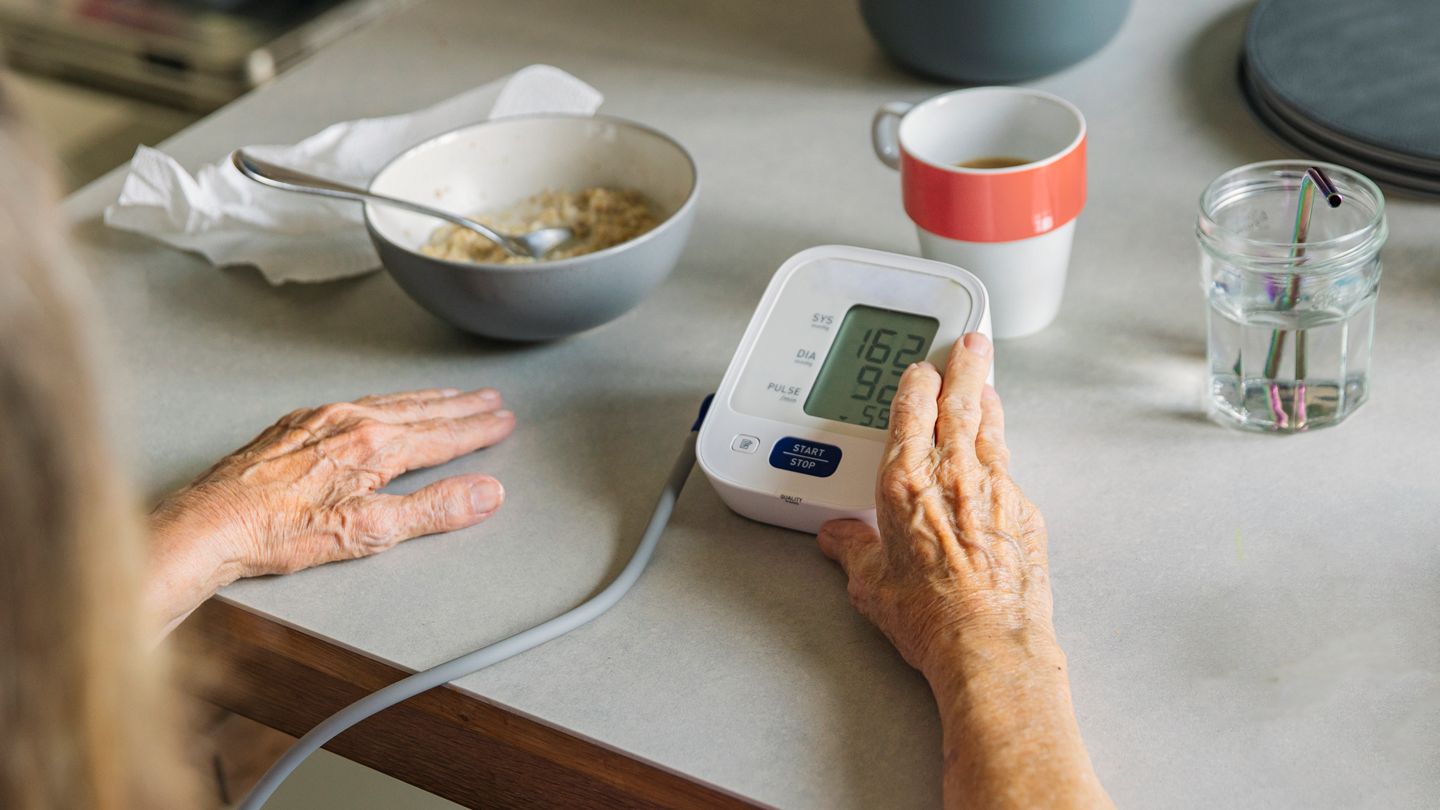
Home blood pressure monitoring can turn a guessing game into a clearer story. A validated upper-arm cuff, used correctly, can show whether clinic readings match everyday life. Patients can bring a log to appointments or share readings through a patient portal.
A useful routine may include measuring blood pressure at the same time each day for several days, taking two readings one minute apart, and recording both. The patient should sit quietly before measuring, avoid talking during the reading, and keep the cuff at heart level. This is not glamorous, but neither is a stroke. Glamour is overrated; prevention has better reviews.
Health Equity: The Prescribing Gap Is Not the Same for Everyone
Blood pressure control is affected by more than medical decisions. Access to primary care, insurance coverage, prescription costs, transportation, pharmacy availability, language barriers, health literacy, food access, and trust in the healthcare system all play a role.
Some patients cannot afford medications consistently. Others live in areas where getting to appointments is difficult. Some do not have a reliable home blood pressure monitor. Some have had rushed or dismissive medical encounters and are hesitant to ask questions. These barriers can turn treatable hypertension into uncontrolled hypertension.
Improving prescribing is not just about reminding doctors to prescribe more. It is about building systems that help clinicians and patients make good decisions: team-based care, pharmacists, nurses, community health workers, home monitoring programs, automatic follow-up reminders, affordable medications, and culturally respectful education.
Questions Older Adults Should Ask Their Healthcare Professional
Patients and caregivers can help close the treatment gap by asking direct, practical questions. For example: “What is my blood pressure goal?” “Do my home readings suggest I need medication or a medication change?” “Could any of my current medicines raise blood pressure?” “What side effects should I watch for?” “Should we check my blood pressure while sitting and standing?” “When should I follow up after a medication change?”
These questions are not rude. They are responsible. A good medical visit should not feel like a courtroom where the blood pressure cuff gives testimony and everyone goes home confused. Patients deserve a clear plan.
Experience-Based Section: What Families Often Notice in Real Life
In everyday life, blood pressure undertreatment often shows up in small, ordinary moments. A daughter notices that her father’s home readings are “always a little high,” but the family assumes it is normal because he is older. A husband brings his wife to the clinic, where her blood pressure is high again, but the appointment focuses mostly on back pain and refills. A grandmother says she feels fine, so nobody pushes the issue. Months pass. The numbers remain high.
One common experience is the “almost treated” patient. This is the person whose blood pressure is discussed repeatedly but never fully addressed. The clinician says, “Let’s keep an eye on it.” The patient says, “I’ll eat less salt.” The family buys a blood pressure monitor, uses it twice, then leaves it in a drawer next to old phone chargers and mystery batteries. Everyone means well, but the plan never becomes concrete.
Another common experience is medication fear. An older adult may have heard that blood pressure pills cause falls, kidney problems, or fatigue. Those risks can happen, but they are not guaranteed. The better approach is a careful trial with monitoring. Families can help by watching for dizziness, checking whether the patient stands up slowly, keeping track of readings, and reporting symptoms early. This turns fear into information.
Some families also discover that the problem is not prescribing but follow-through. A prescription is written, but the patient never fills it because the copay is too high, the pharmacy line is too long, or the instructions are confusing. In other cases, the medication is filled but taken inconsistently. A patient may skip doses before church, before travel, or when they feel “too normal” to need medicine. Blood pressure treatment only works when it fits real life, not an imaginary life where every pill is taken perfectly while classical music plays in the background.
Caregivers can make a major difference by simplifying the routine. A weekly pill organizer, a medication list taped inside a cabinet, automatic pharmacy refills, and a shared blood pressure notebook can help. For tech-friendly families, a phone reminder or connected blood pressure monitor may work. For others, a paper calendar and a pen are perfectly fine. The best system is the one the patient will actually use.
A final real-world lesson is that older adults often value independence more than perfect numbers. Framing treatment around independence can be more motivating than talking only about risk percentages. Blood pressure control may help protect the ability to walk, think clearly, avoid hospital stays, and keep doing ordinary beloved things: gardening, cooking, visiting family, going to religious services, or beating everyone at cards with suspicious confidence.
The experience many families share is this: once blood pressure care becomes specific, it becomes less scary. A vague warning like “your pressure is high” creates anxiety. A clear plan creates action. That plan might include home readings for two weeks, a medication adjustment, lab work, a sodium goal, follow-up in one month, and a written list of symptoms that require a call. Suddenly, the family is not chasing a mystery number. They are managing a health condition with a map.
Conclusion: Older Adults Need Careful Treatment, Not Careful Neglect
Many older adults are not getting prescribed the blood pressure treatment they need, and the reasons are complicated. Concerns about falls, side effects, multiple medications, time-limited visits, inconsistent readings, and patient hesitation all play a role. But complexity should not become an excuse for inaction.
The best approach is balanced and individualized. Some older adults need medication started. Some need medication intensified. Some need more accurate home monitoring before decisions are made. Some frail patients need gentler targets and close attention to side effects. Nearly all need clearer conversations.
Blood pressure treatment is not about chasing perfect numbers for bragging rights at the pharmacy. It is about reducing preventable harm and helping older adults live longer, steadier, more independent lives. A small prescription decision today may help prevent a very large health problem tomorrow.

