
Skincare
Love Vs. Lust
May
Love vs. lust is one of those topics that sounds simple until your heart starts acting like it has its own Wi-Fi connection. One minute you are thinking, “This person is amazing,” and the next you are wondering whether you are seeing a futureor just a very flattering lighting situation. The truth is that love and lust can feel similar at first because both can create excitement, attraction, curiosity, and a sudden urge to check your phone every 14 seconds.
But they are not the same. Lust is usually driven by physical attraction, chemistry, and desire. Love grows from emotional connection, trust, care, shared values, and the willingness to know someone beyond the highlight reel. Lust says, “I want this feeling now.” Love says, “I want to understand this person, support them, and build something real over time.”
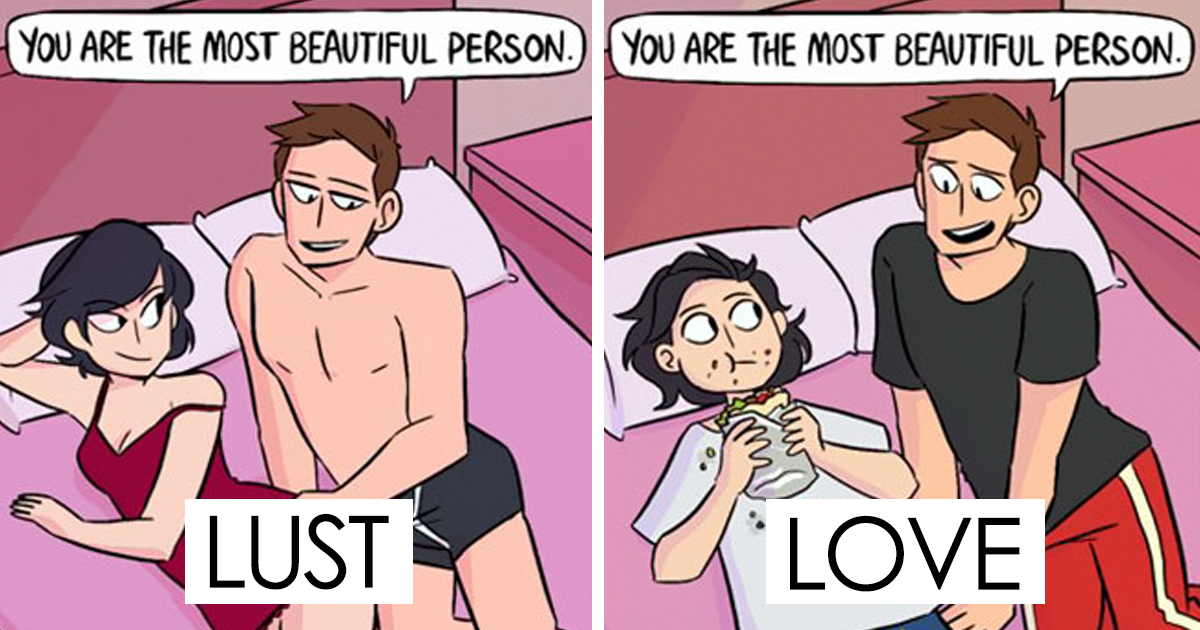
The tricky part? Lust is not automatically bad, and love is not automatically boring. Healthy relationships can include attraction, affection, playfulness, friendship, and commitment. The real question is not whether you feel a spark. The question is what happens after the spark: does it become warmth, or does it disappear the moment real life enters the room wearing sweatpants?
What Is Lust?
Lust is intense physical or romantic attraction that often appears quickly. It can feel electric, exciting, and wildly convincing. Your brain may focus on the person’s appearance, voice, style, confidence, or the thrill of being noticed. Lust can make someone feel magnetic before you actually know much about their character, habits, values, or emotional maturity.
In simple terms, lust is often about desire. It may be connected to fantasy, novelty, and chemistry. It can make ordinary moments feel cinematic, even if the relationship has not yet earned a full movie soundtrack. A text message becomes an event. A smile becomes evidence. A casual conversation becomes something you replay like a detective with a crush.
Lust can be part of dating and long-term relationships, but by itself it usually does not create stability. It may tell you that you are attracted to someone. It does not tell you whether they are kind when disappointed, honest when uncomfortable, respectful when boundaries appear, or reliable when life gets inconvenient.
What Is Love?
Love is deeper and more layered. Romantic love usually includes emotional intimacy, care, respect, trust, and some level of commitment. It is not just the feeling of wanting someone; it is the practice of valuing them as a whole person. Love pays attention. Love listens. Love notices when someone is tired, celebrates their wins without jealousy, and stays curious even after the mystery has become familiar.
Love often grows over time. It may begin with attraction, but it becomes stronger through shared experiences, honest conversations, conflict repair, loyalty, and everyday kindness. Love is not proven only by grand gestures. Sometimes it looks like remembering how someone takes their coffee, apologizing without turning it into a courtroom drama, or choosing patience when you could easily choose sarcasm.
Healthy love is also not possession. It does not demand that someone shrink, perform, or abandon their identity to keep the relationship alive. Real love respects boundaries. It supports growth. It wants connection, not control.
Love Vs. Lust: The Core Difference
The main difference between love and lust is depth. Lust is often rooted in physical attraction and immediate chemistry. Love is rooted in emotional connection, care, trust, and long-term regard. Lust may ask, “How does this person make me feel?” Love asks, “Who is this person, and how can we treat each other well?”
Lust Moves Fast; Love Builds Slowly
Lust can arrive like a sports car with no seatbelt. It is fast, loud, and thrilling. Love tends to move more like a house being built: foundation first, then walls, then the little details that make it livable. Attraction may happen quickly, but love needs information. It needs time to observe consistency. Anyone can be charming for a weekend. Love wants to know what happens on a difficult Tuesday.
Lust Focuses on Fantasy; Love Sees Reality
Lust often fills in missing details with imagination. You may not know someone well, but your brain politely completes the profile: “They are probably deep, loyal, emotionally available, and great at communication.” Very convenient. Love, however, is based on reality. It sees strengths and flaws. It recognizes that a person can be wonderful and still forget to reply, have bad days, need space, or disagree with you.
Lust Wants Access; Love Wants Understanding
Lust can be impatient. It wants closeness, attention, and confirmation. Love is more interested in understanding: What matters to this person? What are their fears? What kind of support helps them feel safe? How do they handle conflict? Love does not rush past someone’s inner world to reach the exciting parts. It treats the inner world as the exciting part.
The Brain Chemistry Behind Love and Lust
Love and lust both involve powerful brain systems connected to reward, motivation, bonding, and attraction. Lust is commonly linked with physical desire and hormones associated with attraction. Early romantic excitement can involve dopamine, the brain’s reward chemical, which helps explain why a new crush can feel energizing and slightly ridiculous. Suddenly, a two-word message like “haha nice” has the emotional weight of a handwritten novel.
As relationships deepen, bonding chemicals such as oxytocin and vasopressin may play a role in attachment, trust, and closeness. This does not mean love is “just chemicals.” That would be like saying music is “just sound waves.” Technically true, emotionally useless. Biology helps explain why love and lust feel powerful, but choices, values, communication, and behavior determine whether a relationship becomes healthy.
Signs It May Be Lust
Lust often shows up as intensity without much foundation. You may feel strongly drawn to someone, but the connection stays mostly on the surface. You might be more interested in how they look, how they make you feel, or the excitement of being wanted than in who they truly are.
Common signs of lust include focusing mainly on physical attraction, idealizing the person before knowing them well, avoiding deeper conversations, ignoring red flags because the chemistry feels strong, and feeling disappointed when the relationship becomes ordinary. Lust may also make boundaries feel inconvenient, which is a warning sign. Healthy attraction always respects comfort, consent, and personal limits.
Another clue is what happens when the thrill slows down. If interest fades the moment the person becomes realtired, complicated, imperfect, or emotionally honestthe connection may have been mostly lust. Lust loves the trailer. Love stays for the full film, including the scenes where nothing explodes.
Signs It May Be Love
Love usually feels steadier, even when it is exciting. You care about the person’s well-being, not just their attention. You want to know their thoughts, values, goals, and history. You are willing to communicate, compromise, and repair misunderstandings. Their happiness matters to you, but you do not lose yourself trying to manage it.
Signs of love include emotional safety, mutual respect, honesty, patience, shared effort, and the ability to be yourself. Love does not require constant performance. You do not have to be charming every second, perfectly dressed, endlessly agreeable, or mysterious enough to qualify as a detective series. You can be human.
Love also makes room for growth. It supports goals, friendships, responsibilities, and personal space. A loving relationship does not turn two people into one person with two phone chargers. It allows two individuals to build connection while remaining whole.
Can Love and Lust Exist Together?
Yes, love and lust can absolutely exist together. In fact, many healthy romantic relationships include both emotional intimacy and attraction. The problem is not desire itself. The problem is when desire is mistaken for compatibility, commitment, or character.
Attraction can open the door, but love decides whether there is a house behind it. You might feel chemistry with someone and later discover shared values, kindness, humor, emotional maturity, and trust. That can develop into love. You might also feel chemistry and later discover that the relationship has the emotional depth of a paper plate. That is useful information too.
The healthiest connections often balance passion with friendship, respect, and communication. They include excitement, but they do not depend on constant intensity. Real relationships need more than fireworks. They also need electricity bills paid, honest conversations, and the ability to choose kindness when nobody is being especially adorable.
Why Lust Can Be Confusing
Lust can be confusing because it creates urgency. Strong attraction may make you feel as if you have found something rare, even when you have not yet gathered enough evidence. The mind can confuse intensity with importance. But not every intense feeling deserves a life plan.
Lust also tends to highlight the best parts of a person while blurring the rest. You may notice their confidence but miss their inconsistency. You may admire their charm but ignore how they treat people when they are not trying to impress anyone. You may mistake attention for affection and chemistry for care.
This is why time matters. Time reveals patterns. Love is not just what someone says during a perfect moment; it is what they repeatedly show through behavior. Are they respectful when you say no? Are they honest when honesty costs them comfort? Do they listen, apologize, and follow through? Lust can make promises. Love keeps receipts.
How to Tell Whether You Feel Love or Lust
One helpful way to tell the difference is to ask better questions. Instead of asking, “Do I feel strongly?” ask, “Do I feel safe, respected, and seen?” Instead of asking, “Are they attractive?” ask, “Are they consistent?” Instead of asking, “Do they make me excited?” ask, “Can we communicate when things are not exciting?”
Ask Yourself These Questions
Do I want to know this person deeply, or do I mostly want the feeling they give me? Do I respect their boundaries, opinions, and pace? Can I be honest around them? Do I like who I become in this connection? Am I ignoring obvious concerns because the attraction feels powerful? Would I still value this person if the relationship moved slowly?
Your answers may not be perfectly clear right away, and that is normal. Feelings are not spreadsheets. Still, these questions can help you slow down enough to notice whether the relationship has roots or just glitter.
How Love Handles Conflict Differently
Conflict is one of the clearest tests of love vs. lust. Lust may enjoy the easy parts but panic when discomfort appears. Love does not enjoy conflict, but it is willing to work through it respectfully. In healthy love, disagreements are not battles to win; they are problems to understand.
Love uses communication instead of punishment. It says, “Help me understand,” not “Read my mind or suffer.” It can apologize. It can repair. It can admit, “I reacted badly,” without adding a 40-minute documentary about why it was technically justified. Lust often wants the good feelings without the emotional responsibility. Love accepts that closeness requires care.
When Lust Becomes a Problem
Lust becomes a problem when it overrides judgment, respect, or self-worth. If you keep accepting poor treatment because the chemistry is strong, the relationship may be costing more than it gives. If someone pressures you, dismisses your boundaries, or only shows interest when it benefits them, that is not romance with “complicated energy.” That is a red flag wearing cologne.
Lust can also become unhealthy when it makes you chase validation. Wanting to be desired is human. Depending on desire to feel valuable is painful. A healthy relationship should not make you feel like you are constantly auditioning for affection.
How to Build Love Beyond Attraction
If you want a connection to become deeper, focus on emotional intimacy. Have real conversations. Ask thoughtful questions. Share values, not just updates. Notice how the person treats others. Pay attention to consistency. Practice honesty early, because pretending to be low-maintenance when you actually have needs is just emotional coupon fraud.
Build trust through small actions. Keep your word. Respect boundaries. Communicate clearly. Show appreciation. Make room for fun, because love without playfulness can start to feel like a committee meeting with snacks. At the same time, do not confuse drama with passion. A relationship does not need chaos to be meaningful.
Examples of Love Vs. Lust in Real Life
Example 1: The Instant Spark
You meet someone and feel immediate attraction. The conversation is fun, the chemistry is strong, and suddenly your imagination is building a shared vacation itinerary. That may be lust, attraction, or early infatuation. It could grow into love, but only if real knowledge follows the spark.
Example 2: The Slow-Burn Connection
You know someone for a while before romantic feelings grow. You admire their kindness, humor, reliability, and values. Attraction develops alongside trust. This may be love growing from emotional intimacy rather than instant chemistry.
Example 3: The Red Flag Romance
You feel intense attraction, but the person is inconsistent, dismissive, or only interested when convenient. You keep hoping the chemistry means something deeper. In this case, lust may be covering up incompatibility. Strong feelings are real, but they are not always wise.
Experience-Based Reflections on Love Vs. Lust
Most people do not learn the difference between love and lust from a textbook. They learn it from awkward crushes, almost-relationships, overanalyzed text messages, and that one person who seemed perfect until they revealed the emotional availability of a vending machine. Experience teaches what definitions cannot fully explain: attraction can be loud, but love is usually more consistent.
One common experience is mistaking attention for love. When someone makes you feel noticed, chosen, or admired, it can be intoxicating. You may start believing the connection is deeper than it is because the attention fills a need. But attention is not the same as care. Someone can enjoy your company and still not be ready to respect your feelings, make consistent effort, or build a real relationship. Love is not just being wanted in the moment; it is being valued over time.
Another familiar experience is ignoring incompatibility because the chemistry feels rare. Maybe the conversations are exciting, but your values clash. Maybe the attraction is strong, but you do not feel emotionally safe. Maybe you laugh together, but serious topics turn into fog. In the early stage, lust can make these issues seem small. Later, they become the furniture you keep tripping over. Experience eventually teaches that chemistry is wonderful, but compatibility is what helps a relationship survive ordinary life.
People also learn that love feels calmer than they expected. Many grow up believing love should feel like constant butterflies, dramatic longing, and movie-level intensity. But healthy love may feel peaceful. It may feel like being able to exhale. It may involve excitement, but it also includes trust, respect, and emotional steadiness. At first, that calm can seem “less passionate” if someone is used to chasing uncertainty. Over time, it becomes clear that peace is not boring. Peace is expensive emotional real estate.
Another lesson from experience is that lust often asks you to present the most polished version of yourself. You may try to look perfect, sound clever, avoid needs, and appear effortlessly cool. Love makes room for the real version: the one with opinions, insecurities, bad hair days, family stress, and dreams that are still under construction. When someone loves you in a healthy way, you do not feel pressured to perform nonstop. You feel invited to be honest.
Experience also shows that love is revealed through behavior during inconvenient moments. It is easy to seem caring when everything is fun. The clearer test comes when someone is busy, disappointed, stressed, or challenged. Do they still communicate respectfully? Do they make effort? Do they take responsibility? Do they care about your comfort as much as their own? Lust may shine under perfect lighting. Love still shows up when the lighting is terrible and the day has gone sideways.
Finally, many people discover that the best relationships do not ask them to choose between attraction and emotional depth. The goal is not to eliminate lust or treat it like a villain in a cape. Attraction can be beautiful. Desire can add energy and playfulness to romance. But love gives attraction a home. Without love, lust can feel like fireworks: bright, loud, and gone quickly. With love, attraction becomes part of something warmer, safer, and more meaningful.
Conclusion: Love Is More Than a Spark
Love vs. lust is not a battle between good and bad. It is a difference between immediate desire and deeper connection. Lust can be exciting, and it may even be the beginning of something meaningful. But love requires more: trust, care, patience, honesty, respect, and the willingness to know someone beyond attraction.
If lust is the spark, love is the fire you learn to tend. Sparks are fun. They get attention. They make great stories. But lasting warmth comes from what you build after the first flash. A healthy relationship does not depend only on chemistry; it grows through character, communication, and consistent care.
Note: This article is based on established relationship psychology, neuroscience, and mental health concepts from reputable U.S. health, psychology, and academic sources. It is written for general educational purposes and should not replace professional counseling or medical advice.

