
Makeup
My Passion For Decor’s Family Room Tour
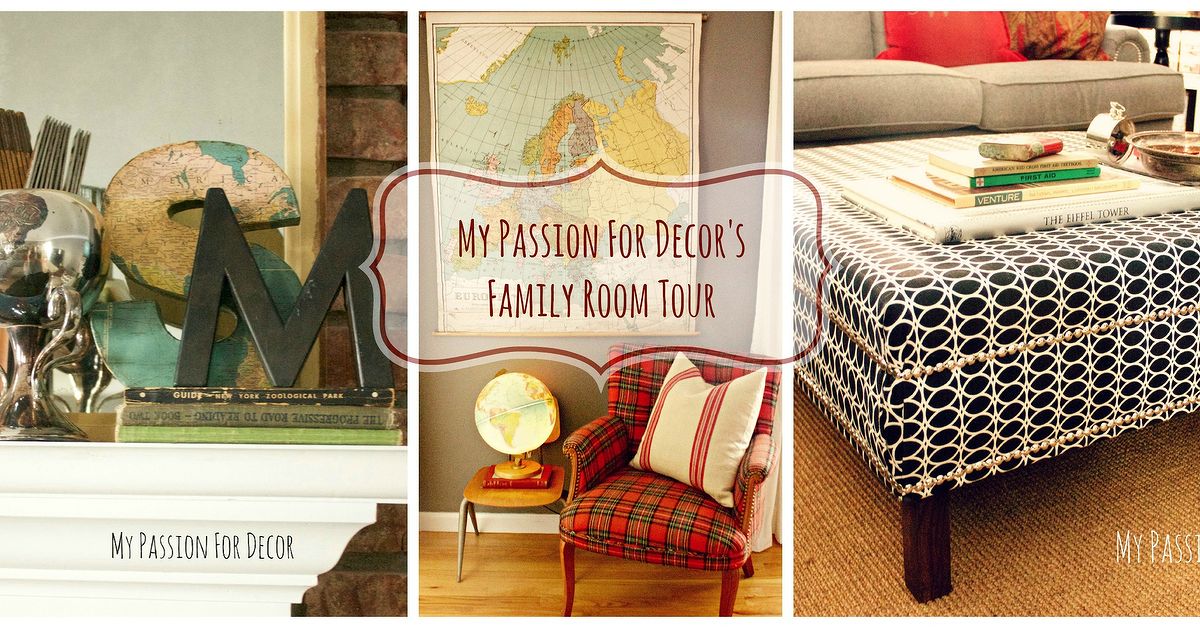
May
Some people collect stamps. Some people collect sneakers. I collect throw pillows with the emotional intensity of a dragon guarding treasure. Welcome to my family room tour, where comfort meets style, baskets hide mysteries, and every corner has been lovingly adjusted at least twelve times because “almost right” is not a decor style.
The family room is the heartbeat of a home. It is where movie nights happen, where kids somehow turn one blanket into a full architectural structure, where guests gather before dinner, and where tired humans collapse after pretending to be productive all day. For me, decorating this space has never been about making it look like a museum. It has been about creating a room that feels warm, personal, functional, and beautiful without requiring everyone to levitate above the furniture.
This family room tour is a celebration of lived-in design: layered textures, practical furniture, cozy lighting, personal accents, smart storage, and a color palette that says, “Relax, you are home,” rather than “Please do not touch anything; it has been styled for a catalog.” Let’s step inside.
The Vision: A Family Room That Actually Welcomes Family
My passion for decor began with a simple question: why should the room we use most feel like the room we thought about least? Many homes have a formal living room that looks polished but rarely gets used, while the family room quietly does all the heavy lifting. It hosts snacks, remote controls, books, board games, pets, naps, conversations, and the occasional laundry pile pretending to be a decorative installation.
So my goal was clear. I wanted a family room that looked pulled together but still worked for real life. That meant comfortable seating, durable fabrics, warm lighting, flexible storage, and decor that told a story. The design needed to support daily routines while still feeling stylish enough for guests. In other words, I wanted cozy without clutter, elegant without being stiff, and practical without looking like a storage unit wearing a sofa.
The Layout: Starting With Flow Before Fluff
Before buying anything decorative, I focused on layout. A beautiful room with awkward traffic flow is like wearing gorgeous shoes two sizes too small: technically impressive, emotionally devastating.
The family room layout is arranged around conversation first and screen time second. The main sofa faces the focal wall, while accent chairs create a soft U-shape that makes the room feel social. This arrangement gives everyone a comfortable view of the television without making the TV the only reason the room exists. There is enough walking space around the coffee table, and side tables sit close enough to hold drinks, books, or the phone someone swears they did not just lose.
One of the best family room design ideas is to avoid pushing every piece of furniture against the wall. Pulling seating inward makes the space feel more intentional and intimate. It also helps define the family zone, especially in open-concept homes where the living area flows into the kitchen or dining room.
The Sofa: The Crown Jewel Of Comfort
The sofa is the main character of the family room. Mine had to pass three important tests: it had to be comfortable enough for long movie nights, durable enough for daily use, and attractive enough that I would not sigh dramatically every time I entered the room.
A deep, neutral sofa became the foundation. Neutral upholstery is not boring when it is layered well. In fact, it gives the room flexibility. Seasonal pillows, textured throws, patterned rugs, and artwork can change the mood without requiring a complete furniture identity crisis.
I chose a sofa with clean lines and soft cushions because family room furniture should invite people to sit down, not make them wonder whether they need written permission. The fabric is forgiving, the scale fits the room, and the shape keeps the space feeling modern but not cold.
Why Comfort Comes First
A family room is not a showroom. If no one wants to sit on the sofa, the design has failed beautifully. Comfort should always lead the decision-making process, especially in a room meant for gathering. Supportive cushions, easy-care upholstery, and enough seating for everyday life matter more than chasing a trend that looks great online but feels like a decorative punishment.
The Color Palette: Warm Neutrals With Personality
The color palette in this family room is built around warm neutrals: soft beige, creamy white, warm gray, natural wood, and touches of muted green and blue. These colors create a calm background while still allowing texture and pattern to shine.
Warm neutrals work well in a family room because they feel timeless and flexible. They can lean modern, farmhouse, coastal, transitional, or classic depending on the accessories. Instead of using one flat shade everywhere, I layered several tones so the room would feel cozy rather than plain. A cream pillow next to a woven tan throw, a light wood table beside a charcoal accent, and a soft rug under darker furniture all add depth.
The secret is contrast. A room filled with only pale colors can feel washed out. A room filled with only dark colors can feel heavy. But when light, medium, and deeper tones work together, the space feels balanced and inviting.
The Rug: The Piece That Pulls Everyone Together
If the sofa is the main character, the rug is the stage. A family room rug defines the seating area, adds softness underfoot, and helps connect furniture pieces visually. Choosing the right rug size is one of the easiest ways to make a room feel more expensive and complete.
I went with a large area rug that allows at least the front legs of the sofa and chairs to sit on it. This small detail makes a big difference. A rug that is too small can make the furniture look like it is floating around awkwardly, as if everyone arrived at the party but forgot to introduce themselves.
The rug pattern is subtle but useful. It hides small marks better than a solid light rug and adds movement without overwhelming the room. In a family space, pattern is not just decorative; it is a survival strategy wearing a pretty outfit.
Layered Lighting: Because One Ceiling Light Is Not A Personality
Lighting is where the room truly began to glow. Instead of relying on one overhead fixture, I added layers: a ceiling light for general brightness, table lamps for warmth, a floor lamp near the reading chair, and small accent lighting to highlight shelves and decor.
Layered lighting makes a family room more flexible. Bright light works for cleaning, board games, or finding the missing puzzle piece that has somehow entered another dimension. Soft lamps are better for movie nights, quiet reading, or evening conversations. Accent lights bring depth and make the room feel designed rather than simply furnished.
Warm bulbs also matter. Cool lighting can make a room feel like a dentist’s office with better pillows. Warm lighting softens the edges of the space and makes wood, fabric, and wall colors look more inviting.
Storage That Works Hard But Looks Calm
Every family room needs storage. The trick is making storage look intentional instead of desperate. I used a mix of closed cabinets, woven baskets, built-in-style shelving, and a coffee table with hidden storage. This keeps everyday items nearby without letting them visually take over the room.
Closed storage holds the less glamorous necessities: extra cables, game controllers, instruction manuals nobody reads, and random objects that somehow belong to everyone and no one. Open shelving is reserved for books, pottery, framed photos, plants, and decorative objects. This balance keeps the room functional but not chaotic.
The Basket Rule
Baskets are the unsung heroes of family room decor. They hold blankets, toys, magazines, and mystery objects with grace. A large woven basket beside the sofa instantly adds texture while solving the “where do these throws live?” problem. Smaller baskets on shelves can organize remote controls, chargers, or craft supplies. Basically, baskets are decor with a job, and I respect that.
Personal Decor: The Soul Of The Room
A family room should look like the people who live there. That does not mean every surface needs to become a shrine to vacation photos, but personal touches are what keep a space from feeling generic.
I included framed family pictures, a few meaningful books, collected ceramics, travel souvenirs, and artwork that reflects our style. The goal was not perfection. The goal was personality. A beautiful room can still feel empty if it does not tell a story.
One of my favorite corners features a small console table with a lamp, stacked books, a ceramic bowl, and a framed photo. It is simple, but it feels personal. Another shelf holds a vase I found on a weekend shopping trip, a candle, and a tiny decorative object that serves no purpose except making me happy. That is enough. Joy is a valid design function.
Texture: The Quiet Magic Behind Cozy Decor
Texture is what makes a neutral room feel alive. In this family room, texture comes from woven baskets, linen pillows, soft throws, wood furniture, ceramic accents, a patterned rug, and a few leafy plants. Each material adds a different layer.
Without texture, neutral decor can look flat. With texture, it becomes rich and comfortable. A nubby throw over a smooth sofa, a rustic wood tray on a polished coffee table, or a velvet pillow beside a cotton one creates visual interest without needing loud colors.
This is especially helpful for anyone who loves calm interiors but does not want the room to feel plain. When in doubt, mix materials. Let wood, metal, glass, fabric, greenery, and ceramics have a friendly conversation.
The Coffee Table: Styled But Still Useful
The coffee table is one of those places where decor dreams meet real life. I love a beautifully styled coffee table, but I also need space for snacks, drinks, remote controls, and the occasional board game battle. So I keep the styling simple.
A tray anchors the arrangement. Inside it, I place a small vase, a candle, and a stack of books. The tray makes everything look organized and easy to move when the table needs to become a pizza landing zone. A decorative bowl adds shape and can hold small items when needed.
The key is leaving breathing room. A coffee table does not need to hold every beautiful object you own. It should look styled, not crowded. Think of it as a little stage, not a storage battlefield.
Plants: The Fresh Touch Every Family Room Needs
Plants bring life to a family room in a way few accessories can. A tall plant in the corner softens the architecture and draws the eye upward. Smaller plants on shelves or side tables add freshness and color.
I like using easy-care plants because I enjoy greenery, not botanical guilt. Snake plants, pothos, ZZ plants, and peace lilies are popular choices for many homes because they can handle normal indoor conditions. Real plants are wonderful, but realistic faux greenery can also work beautifully in darker corners or busy households.
The important thing is scale. A tiny plant in a huge empty corner can look lonely. A taller plant in a textured basket feels intentional and helps fill vertical space without adding visual clutter.
Wall Decor: Art, Mirrors, And Balance
Wall decor gives the family room structure and personality. I used a mix of framed art, a mirror, and family photos. The mirror helps bounce light and makes the room feel brighter, while art adds color and mood.
For family photos, I prefer a curated approach. Instead of scattering frames everywhere, I group them in a small gallery or place a few in intentional spots. Matching or coordinating frames help the display feel polished while still personal.
Scale matters here too. One tiny frame floating above a large sofa can look timid. A larger artwork, a pair of prints, or a gallery arrangement usually feels more balanced. When hanging art, I aim for eye level and consider the furniture below it, so the wall and room feel connected.
Window Treatments: Softness With Purpose
Curtains made a bigger difference than I expected. They softened the room, added height, and made the family room feel more finished. Hanging curtain rods higher and wider than the window frame helps the windows appear larger and allows more natural light when the curtains are open.
I chose simple fabric panels in a warm neutral tone. They do not compete with the rest of the room, but they add movement and softness. In a family room filled with straight furniture lines, curtains create a graceful vertical element.
Decorating For Real Life: Durable Can Still Be Beautiful
One of the biggest lessons from decorating this family room is that practical choices do not have to be boring. Performance fabrics, washable covers, patterned rugs, sturdy tables, and closed storage can all look beautiful when chosen thoughtfully.
A family room needs to survive life. That includes snacks, pets, kids, guests, movie nights, and adults who promise they will use coasters but then mysteriously forget. Design should support the way people actually live. A room that looks perfect for five minutes but creates stress for five years is not good design.
My rule is simple: if it enters the family room, it should either be useful, meaningful, beautiful, or preferably two of the three. If it does all three, congratulations, it gets promoted to favorite object.
Small Styling Details That Made A Big Difference
The finishing touches brought the room together. A throw blanket folded over the sofa arm made the seating feel relaxed. Pillows in different sizes created depth. A wooden tray warmed up the coffee table. Books added personality. Candles added atmosphere. A small lamp on the console created evening glow.
These details are not expensive, but they are powerful. They make a room feel layered and cared for. The goal is not to fill every blank space. The goal is to create moments that feel intentional.
My Favorite Styling Formula
When styling shelves or tables, I use a simple formula: something tall, something low, something textured, something personal, and something with a natural element. For example, a lamp, a stack of books, a woven box, a framed photo, and a small plant can create a complete vignette without feeling overdone.
Common Family Room Mistakes I Tried To Avoid
Decorating a family room taught me what not to do. The first mistake is choosing a rug that is too small. The second is relying only on overhead lighting. The third is buying furniture before measuring properly. The fourth is forgetting storage. The fifth is decorating so carefully that the room loses its soul.
I also avoided making everything match too perfectly. A room where every wood tone, fabric, and accessory matches can feel flat. Mixing finishes and textures creates a more collected, natural look. The room should feel like it evolved over time, not like it was delivered in one giant box labeled “Instant Personality.”
How The Room Feels Now
Today, the family room feels warm, relaxed, and genuinely useful. It is the place where we watch movies, drink coffee, read, talk, and unwind. It looks styled, but not staged. It can handle everyday life without losing its charm.
That is the real success of this decor journey. The room reflects our family, not just a design trend. It has cozy corners, practical storage, soft lighting, and personal details that make it feel like home. And yes, I still move a pillow from one chair to another and call it “refreshing the space.” Some hobbies are harmless. Mostly.
Of Personal Experience: What This Family Room Tour Taught Me
Decorating this family room taught me that home design is less about having a perfect eye and more about paying attention. At first, I thought the process would be mostly about choosing pretty things. I imagined myself calmly selecting pillows, lighting a candle, and instantly living inside a magazine spread. Reality, of course, arrived wearing sweatpants and carrying a measuring tape.
The first thing I learned was that a room tells you what it needs, but it does not always speak politely. Sometimes it whispers, “This corner is too dark.” Sometimes it shouts, “That rug is tiny and everyone knows it.” I had to live in the space, move around it, watch how people used it, and notice what felt awkward. The best improvements came after observing daily habits, not after rushing to buy decor.
For example, I realized that everyone naturally dropped blankets near the sofa. Instead of fighting it, I added a large basket. Suddenly, the mess looked intentional. I noticed that the side chair was rarely used because it had no nearby lamp or table. After adding both, it became a favorite reading spot. I discovered that the room felt flat at night because the only light came from above. Once I added lamps, the entire mood changed.
I also learned that decorating is a series of small decisions, not one dramatic reveal. A family room becomes beautiful through layers: the right rug, better lighting, softer textiles, meaningful art, good storage, and colors that work together. Each change may seem minor on its own, but together they create a room that feels complete.
Another experience that changed my approach was learning to stop buying decor just because it was cute. Cute is dangerous. Cute has filled many closets. Now, before bringing something home, I ask where it will go, what it adds, and whether it works with the room. If I cannot answer, I admire it respectfully and leave it for another brave soul.
The family room also reminded me that personal style does not have to fit into one label. My space has warm neutrals, classic shapes, natural textures, modern lighting, vintage-inspired accents, and a few playful pieces. It is not strictly farmhouse, modern, coastal, or traditional. It is simply ours. That freedom made decorating more enjoyable.
Most importantly, this room taught me that beautiful design should make life easier, not more stressful. I do not want a room where guests are afraid to sit down or where every crumb feels like a personal failure. I want a space where people feel welcome. I want soft places to land, warm lights at night, storage that saves my sanity, and decor that makes ordinary days feel a little more special.
My passion for decor grew because of rooms like this. A family room may not be the fanciest space in the house, but it carries so much of daily life. When it is designed with care, it becomes more than a room. It becomes a memory-making machine with better pillows.
Conclusion
My Passion For Decor’s Family Room Tour is really a love letter to practical beauty. A well-designed family room does not need to be perfect, expensive, or trend-obsessed. It needs thoughtful layout, comfortable furniture, layered lighting, useful storage, meaningful decor, and enough personality to feel alive.
The best family room decor ideas are the ones that support real life. Choose a sofa people want to sit on. Pick a rug large enough to anchor the space. Add lamps for warmth. Use baskets and cabinets to control clutter. Bring in plants, books, art, and photos that tell your story. Most of all, design a room that makes people want to stay awhile.
Note: This article is written in an original editorial style and synthesizes widely accepted family room decorating principles from reputable U.S. home design, decorating, furniture, paint, and lifestyle resources.

