
Skincare
Signs of an Opioid Overdose and How to Help
May
Note: This article is for education and public safety. If you think someone is having an opioid overdose, call 911 immediately, give naloxone if available, and stay with the person until emergency help arrives.
Why Recognizing an Opioid Overdose Matters
An opioid overdose is one of those emergencies where a few minutes can change everything. Opioids can slow breathing so much that the brain and body do not get enough oxygen. That is why the most important thing to remember is simple: when in doubt, treat it like an overdose. You do not need to be a doctor, a paramedic, or the kind of person who owns a first-aid kit organized by color-coded tabs. You just need to recognize the warning signs, call for help, and use naloxone if you have it.
Opioids include prescription pain medicines such as oxycodone, hydrocodone, morphine, and codeine, as well as illicit opioids such as heroin and fentanyl. Fentanyl is especially dangerous because it is extremely potent and may be mixed into other substances without a person knowing. That means an opioid overdose can happen to someone taking medicine, someone using street drugs, or even someone who accidentally takes a pill that was not prescribed to them.
The good news is that opioid overdoses can often be reversed when people act quickly. Naloxone, also known by brand names such as Narcan, is an opioid overdose reversal medication that can temporarily block the effects of opioids and help restore breathing. It is available over the counter in the United States, and many community programs distribute it for free or at low cost. Think of naloxone as a fire extinguisher: you hope you never need it, but if there is smoke, you will be very glad it is nearby.
What Is an Opioid Overdose?
An opioid overdose happens when opioids overwhelm the body and suppress the central nervous system. The most dangerous effect is slowed or stopped breathing. A person may become extremely sleepy, unable to wake up, limp, pale, bluish around the lips or fingernails, or make choking, gurgling, snoring, or gasping sounds. These are not “sleeping it off” signs. They are emergency signs.
One confusing part is that an overdose does not always look dramatic. In movies, emergencies come with loud music, slow motion, and someone yelling, “Stay with me!” In real life, an opioid overdose may look quiet. A person may be sitting, lying down, or appearing deeply asleep. The quietness is exactly what makes it dangerous. If someone cannot be awakened and their breathing is slow, irregular, or absent, take action immediately.
Common Signs of an Opioid Overdose
1. The Person Is Unresponsive or Cannot Wake Up
One of the clearest signs of an opioid overdose is unresponsiveness. The person may not respond when you call their name, tap their shoulder, or try to wake them. They may look asleep, but they do not react normally. If a person is unconscious or cannot be awakened, do not assume they are “just tired.” Treat it as a medical emergency.
2. Breathing Is Slow, Shallow, Irregular, or Stopped
Breathing problems are the biggest red flag. The person may breathe very slowly, take shallow breaths, stop breathing for long pauses, or make choking, gurgling, snoring, or gasping noises. These sounds can be easy to mistake for ordinary snoring, but if the person cannot wake up, those sounds may mean their airway or breathing is in trouble.
3. Lips, Fingernails, or Skin Look Blue, Gray, or Ashen
Discolored lips, gums, fingertips, or skin can mean the body is not getting enough oxygen. On lighter skin, this may look blue or purple. On darker skin, it may appear gray, ashen, or washed out, especially around the lips, nail beds, or inside the mouth. Oxygen is not optional; the body is annoyingly strict about that.
4. Pupils Look Very Small
“Pinpoint pupils” are a classic sign of opioid overdose. The black circles in the center of the eyes may look unusually tiny and may not react much to light. Not every overdose will show this sign clearly, so do not wait to see it before acting. If breathing and responsiveness are abnormal, that is enough reason to call 911 and give naloxone if available.
5. The Body Is Limp or the Person Has a Weak Pulse
A person overdosing on opioids may become limp, pale, clammy, or unusually still. Their heartbeat or pulse may be slow, weak, or hard to detect. If you cannot tell whether they are breathing normally, call 911 right away and follow the dispatcher’s instructions.
What to Do First: Act Fast, Not Perfect
During an emergency, nobody expects you to perform like a television doctor with flawless hair. The goal is not perfection. The goal is action. If you suspect an opioid overdose, take these steps immediately.
Step 1: Check for Responsiveness and Breathing
Say the person’s name loudly if you know it. Tap their shoulder. Look for normal breathing. If they do not wake up or their breathing is slow, shallow, irregular, or absent, assume it is an emergency.
Step 2: Call 911 Immediately
Call 911 as soon as you suspect an overdose. Tell the dispatcher that the person is unresponsive or not breathing normally and that an opioid overdose is possible. If you are worried about getting in trouble, remember that many states have Good Samaritan laws that may protect people who call for help during an overdose. Do not let fear delay the call. Emergency medical care is still needed even if naloxone works.
Step 3: Give Naloxone If You Have It
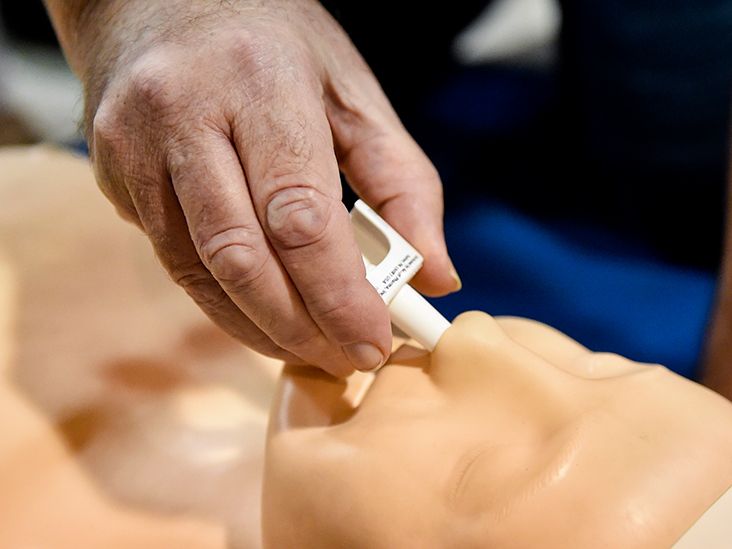
Naloxone should be given when an opioid overdose is suspected. Nasal spray naloxone is designed for easy use. Place the nozzle into one nostril and press the plunger firmly. If the person does not respond within two to three minutes, give another dose if you have one, preferably in the other nostril. Some opioids can last longer than naloxone, so symptoms can return after the person wakes up.
Naloxone is considered very safe. If the person is not overdosing on opioids, naloxone is not expected to harm them. That is why public health experts often say: when in doubt, use it. The bigger danger is waiting too long while trying to solve the mystery like a detective in a medical drama.
Step 4: Help the Person Breathe
Try to keep the person awake and breathing. If they are not breathing normally, follow the instructions from the 911 dispatcher. If you are trained in CPR or rescue breathing, use your training. If there is no normal breathing and no pulse, start CPR and use an automated external defibrillator, or AED, if one is available. Naloxone is important, but CPR and emergency care should not be delayed when someone appears to be in cardiac arrest.
Step 5: Place Them on Their Side
If the person is unconscious but breathing, lay them on their side in the recovery position. This can help reduce the risk of choking, especially if they vomit. Keep their airway clear, loosen tight clothing around the neck if needed, and continue watching their breathing.
Step 6: Stay Until Help Arrives
Do not leave the person alone. Naloxone can wear off, and the overdose can return. A person may wake up confused, upset, nauseated, or uncomfortable because naloxone can trigger sudden opioid withdrawal. Speak calmly. Tell them help is coming. Do not let them take more substances. Do not assume they are fine just because they opened their eyes.
What Not to Do During a Suspected Opioid Overdose
Some old “street advice” about overdose response is not only wrong but dangerous. Do not put the person in a cold shower. Do not slap them hard, shake them violently, or try to make them vomit. Do not give them coffee, energy drinks, alcohol, or more drugs. Do not let them “walk it off.” An opioid overdose is not a stubborn software update; you cannot fix it by waiting and hoping.
Also, do not delay calling 911 because naloxone is available. Naloxone is temporary, and stronger or longer-lasting opioids may require additional doses and medical monitoring. Emergency responders can provide oxygen, advanced airway support, additional medication, and transport to a hospital if needed.
Why Naloxone Is So Important
Naloxone works by attaching to opioid receptors and blocking opioids from continuing to slow the body down. In many cases, it can help restore breathing within minutes. It comes in several forms, but nasal spray is the most common for public use because it is simple, needle-free, and packaged for quick action.
Carrying naloxone does not encourage opioid misuse any more than carrying a seat belt encourages car crashes. It is a safety tool. People who may especially benefit from having naloxone nearby include those prescribed high-dose opioids, people taking opioids with sedatives, people with opioid use disorder, friends or family members of someone at risk, and anyone who works or spends time in places where overdoses may occur.
Why Fentanyl Has Changed Overdose Risk
Fentanyl is a synthetic opioid that can be many times stronger than morphine. Illicitly manufactured fentanyl has contributed heavily to overdose deaths in the United States. One major danger is that fentanyl may be mixed with other drugs, including counterfeit pills, cocaine, methamphetamine, or heroin. A person may not know they are taking an opioid at all.
This is why the signs of overdose matter for everyone, not only people who knowingly use opioids. If someone becomes unresponsive and stops breathing normally after taking any unknown substance, treat it as a possible overdose. Call 911, give naloxone if available, and stay with the person.
How to Talk About Opioid Overdose Without Shame
Stigma can kill. When people are afraid of being judged, punished, or mocked, they may delay calling for help. The better approach is direct, calm, and human. Say, “I’m calling 911 because I care about you,” or “You may have overdosed, and help is coming.” Avoid lectures during the emergency. A person who just survived an overdose does not need a motivational speech delivered like a disappointed football coach at halftime. They need oxygen, medical care, and safety.
After the emergency, support can include treatment for opioid use disorder, counseling, medication-assisted treatment, recovery programs, and harm reduction services. Opioid use disorder is a medical condition, not a character flaw. People recover more often when they have access to care, steady support, and fewer doors slammed in their face.
How Families Can Prepare Before an Emergency
If opioids are present in your home, preparation matters. Store prescription opioids securely, ideally in a locked place. Keep them away from children, pets, guests, and anyone for whom they were not prescribed. Dispose of unused medication through approved take-back programs or disposal options. Keep naloxone in an easy-to-reach location, and make sure family members know where it is.
It also helps to practice the steps before panic enters the room wearing tap shoes. Read the naloxone package instructions. Watch a reputable training video from a public health or first-aid organization. Save emergency numbers. Learn basic CPR. If someone in the home is prescribed opioids, ask a pharmacist or health care provider about overdose risks, drug interactions, and naloxone.
When to Seek Medical Help After Naloxone Works
Always seek emergency medical care after naloxone is used. The person may seem alert, but the danger may not be over. Naloxone can wear off while opioids remain active in the body. Breathing can slow again, especially with long-acting opioids or fentanyl. Medical professionals can monitor breathing, oxygen levels, heart rhythm, and overall condition.
If the person becomes agitated after naloxone, stay calm and give space while keeping them safe. Sudden withdrawal can feel awful. They may be confused, scared, nauseated, or angry. Speak in short, reassuring sentences: “You overdosed. I gave you naloxone. Help is on the way.” Do not argue. Do not let them leave alone. Keep watching their breathing.
Real-Life Examples: What an Overdose May Look Like
The “Sleeping” Friend
A friend at a small gathering lies down on the couch and does not wake up when people call their name. Someone thinks they are just exhausted. Another person notices slow breathing and grayish lips. This is the moment to act: call 911, give naloxone, place the person on their side, and stay close.
The Bathroom Emergency
A person is found locked or slumped in a bathroom, breathing in strange gurgling sounds. Privacy matters, but breathing matters more. Call for emergency help immediately. If naloxone is available, use it. If the person is not breathing normally, follow dispatcher instructions and begin CPR if trained.
The Counterfeit Pill Scenario
A teenager or young adult takes a pill they believe is a prescription medication, then becomes extremely sleepy and unresponsive. Counterfeit pills may contain fentanyl. Even if nobody is sure what was taken, treat slow breathing and unresponsiveness as an overdose emergency.
Experience-Based Lessons: What People Often Learn After Facing an Overdose Emergency
People who have witnessed an opioid overdose often describe the same first feeling: confusion. The situation may not announce itself clearly. There may be no flashing warning sign, no dramatic collapse, and no obvious proof of what the person took. Someone may simply look too sleepy, too still, or strangely quiet. The first experience-based lesson is that hesitation is normal, but action is necessary. If your brain is arguing, “Maybe they are fine,” while your eyes are seeing slow breathing and unresponsiveness, listen to your eyes.
A second lesson is that naloxone is easier to use than many people expect. In the moment, your hands may shake, the packaging may feel like it was designed by a puzzle enthusiast, and time may seem to move both too fast and too slowly. Still, nasal spray naloxone is made for ordinary people to use in stressful situations. The key is to keep it somewhere accessible. Naloxone buried at the bottom of a backpack under receipts, gum wrappers, and one mysterious USB cable is better than nothing, but not ideal. Put it where it can be found quickly.
A third lesson is that calling 911 is not optional. Some people wake up after naloxone and insist they are fine. They may feel embarrassed, frightened, or irritated. But overdose symptoms can return. Emergency responders are not there to judge; they are there to keep the person alive. Staying calm helps. Instead of arguing, repeat the facts: “You stopped breathing normally. Naloxone helped. We need medical help to make sure it does not happen again.”
People also learn that overdose response is a team effort. One person can call 911. Another can get naloxone. Another can guide emergency responders to the location. Someone else can watch breathing and keep the area clear. Panic becomes less powerful when everyone has a job. Even simple tasks, such as unlocking the door, turning on porch lights, or moving furniture out of the way, can help responders reach the person faster.
Another real-world lesson is that compassion matters after the crisis. A person who survives an overdose may feel shame, fear, anger, or deep exhaustion. This is not the moment for blame. Support sounds like, “I’m glad you’re alive,” “Let’s get you checked out,” and “You deserve help.” Recovery may involve medication for opioid use disorder, counseling, peer support, safer-use education, and ongoing medical care. Not every person will accept help immediately, but respectful support keeps the door open.
Finally, people who have been through an overdose emergency often become strong advocates for preparation. They tell friends to carry naloxone. They ask schools, workplaces, bars, libraries, and community centers whether naloxone is available. They learn CPR. They talk about overdose signs without whispering. That kind of practical readiness saves lives. It turns fear into a plan, and a plan is much easier to use than panic.
Conclusion
Knowing the signs of an opioid overdose can save a life. Watch for unresponsiveness, slow or stopped breathing, choking or gurgling sounds, blue or gray lips or fingernails, limpness, and pinpoint pupils. If you suspect an overdose, call 911, give naloxone if available, help the person breathe, place them on their side if they are unconscious but breathing, and stay until emergency help arrives.
The most important rule is simple: do not wait for certainty. In an overdose emergency, fast action beats perfect information. Naloxone, emergency care, and a calm bystander can turn a terrifying moment into a second chance.

