
Skincare
How to Get Rid of Acne Fast
May
Acne is one of the most common skin concerns, affecting people of all ages. Pimples, blackheads, whiteheads, and painful breakouts can appear suddenly and often affect confidence and self-esteem. While acne usually cannot disappear overnight, the right skincare routine and healthy habits can help reduce breakouts quickly and improve your skin over time.
The key to treating acne fast is controlling excess oil, reducing inflammation, keeping pores clear, and avoiding habits that make breakouts worse.
What Causes Acne?
Acne develops when pores become clogged with:
- Excess oil (sebum)
- Dead skin cells
- Bacteria
- Dirt and impurities
Several factors can trigger acne, including:
- Hormonal changes
- Stress
- Poor skincare habits
- Using pore-clogging products
- Touching or picking at the skin
Understanding the causes can help you manage breakouts more effectively.
1. Use a Gentle Acne Cleanser
Cleansing your skin properly is the first step in controlling acne.
Wash your face:
- Twice daily
- After sweating heavily
- With lukewarm water
Choose a gentle cleanser containing acne-fighting ingredients such as:
Salicylic Acid
Helps unclog pores and reduce blackheads.
Benzoyl Peroxide
Targets acne-causing bacteria and reduces inflammation.
Avoid harsh scrubbing, as it can irritate the skin and worsen breakouts.
2. Do Not Pick or Pop Pimples
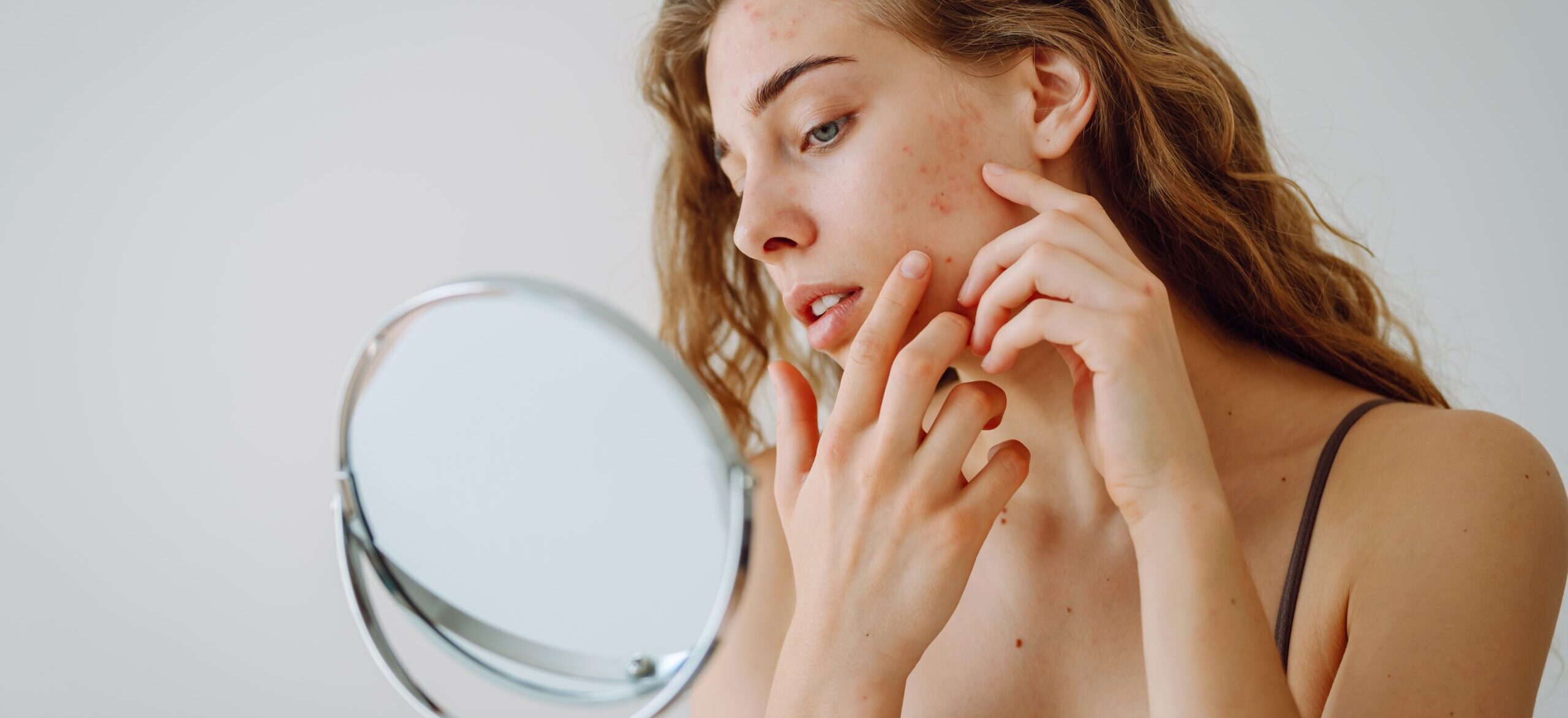
One of the biggest mistakes people make is squeezing pimples.
Picking acne can:
- Spread bacteria
- Increase inflammation
- Delay healing
- Cause acne scars and dark spots
Allow blemishes to heal naturally or use targeted treatments instead.
3. Use Lightweight, Non-Comedogenic Products
Heavy or oily skincare products can clog pores and worsen acne.
Look for products labeled:
- Oil-free
- Non-comedogenic
- Lightweight
This includes moisturizers, sunscreens, and makeup products.
4. Apply Acne Spot Treatments
Spot treatments can help reduce pimples faster by targeting inflammation directly.
Common acne-fighting ingredients include:
- Salicylic acid
- Benzoyl peroxide
- Sulfur
- Niacinamide
Use these treatments carefully to avoid over-drying the skin.
5. Moisturize Your Skin
Many people with acne avoid moisturizer, but dehydrated skin can actually produce more oil.
Choose a lightweight moisturizer to:
- Maintain hydration
- Protect the skin barrier
- Reduce irritation from acne treatments
Balanced skin heals more effectively.
6. Wear Sunscreen Daily
Some acne treatments can make your skin more sensitive to sunlight.
Daily sunscreen helps:
- Prevent dark acne marks
- Protect irritated skin
- Reduce inflammation caused by UV exposure
Choose a lightweight, non-comedogenic sunscreen with SPF 30 or higher.
7. Keep Your Hands and Hair Away from Your Face
Touching your face transfers oil, dirt, and bacteria onto your skin.
Hair products and oily hair can also contribute to breakouts, especially around the forehead.
Simple hygiene habits can make a noticeable difference.
8. Maintain Healthy Lifestyle Habits
Your lifestyle can affect your skin condition.
Helpful habits include:
- Drinking enough water
- Managing stress
- Sleeping well
- Eating a balanced diet
- Washing pillowcases regularly
Consistent healthy habits support clearer skin.
9. Be Careful with Over-Treatment
Using too many acne products at once can irritate your skin and make acne worse.
Signs of over-treatment include:
- Redness
- Peeling
- Burning
- Excessive dryness
Stick to a simple routine and introduce products gradually.
A Simple Acne-Fighting Routine
Morning:
Gentle cleanser → Lightweight moisturizer → Sunscreen
Night:
Acne cleanser → Spot treatment → Moisturizer
Consistency is more important than using many products.
When to See a Dermatologist
If your acne is severe, painful, or leaving scars, professional treatment may be necessary.
A dermatologist can recommend stronger treatments tailored to your skin condition.
Final Thoughts
Getting rid of acne fast requires patience, consistency, and the right skincare habits. Gentle cleansing, targeted acne treatments, lightweight moisturizers, and daily sun protection can help reduce breakouts and improve skin health over time. Avoid picking your skin and focus on maintaining a simple, balanced routine for the best long-term results.

