
Beauty Unlocked
10 Cancer-Fighting Foods to Know
May
Let’s clear something up before the broccoli gets a superhero cape: no single food can prevent, treat, or cure cancer. If blueberries could do that, grocery stores would need bouncers. Still, what you eat every day can play a meaningful role in supporting long-term health and lowering the risk of several chronic diseases, including certain cancers.
When experts talk about “cancer-fighting foods,” they usually mean foods that support a healthier body environment. These foods tend to be rich in fiber, antioxidants, vitamins, minerals, and plant compounds called phytochemicals. They may help reduce inflammation, support digestion, protect cells from oxidative stress, and make it easier to maintain a healthy weight. In plain English: they help your body do its behind-the-scenes maintenance work.
The strongest message from cancer-prevention nutrition research is not “eat one magic food.” It is “build a better pattern.” A diet centered on vegetables, fruits, whole grains, beans, nuts, seeds, and other minimally processed foods is more powerful than chasing the latest miracle ingredient. Below are 10 cancer-fighting foods to know, plus practical ways to eat them without turning your kitchen into a science lab.
What Makes a Food “Cancer-Fighting”?
A cancer-fighting food is not a medicine. Instead, it is a food that contains nutrients and compounds linked with better cellular health, healthier digestion, improved weight management, and reduced exposure to dietary risk factors. Many of these foods are high in fiber, which supports gut health and may help lower the risk of colorectal cancer. Others contain colorful pigments, sulfur compounds, polyphenols, carotenoids, or omega-3 fats that researchers continue to study for their protective effects.
The best approach is variety. Think of your plate like a playlist: one great song is nice, but the whole album matters. The more colors, textures, and plant foods you include across the week, the broader your intake of beneficial compounds becomes.
1. Cruciferous Vegetables
Examples: Broccoli, cauliflower, Brussels sprouts, cabbage, kale, bok choy
Cruciferous vegetables are the overachievers of the produce aisle. They contain fiber, vitamin C, folate, and natural sulfur-containing compounds called glucosinolates. When chopped, chewed, or cooked lightly, these compounds can break down into substances that scientists study for their role in cell protection and detoxification pathways.
Broccoli is probably the celebrity here, but do not ignore cabbage, cauliflower, collard greens, arugula, and Brussels sprouts. They all bring something useful to the table. If you dislike boiled Brussels sprouts because of childhood trauma, try roasting them with olive oil, garlic, and a splash of lemon. Roasting turns them from “punishment vegetable” into “where did the whole tray go?”
Easy ways to eat more: Add shredded cabbage to tacos, toss kale into soups, roast cauliflower as a side dish, or stir chopped broccoli into pasta, omelets, and grain bowls.
2. Berries
Examples: Blueberries, strawberries, raspberries, blackberries, cranberries
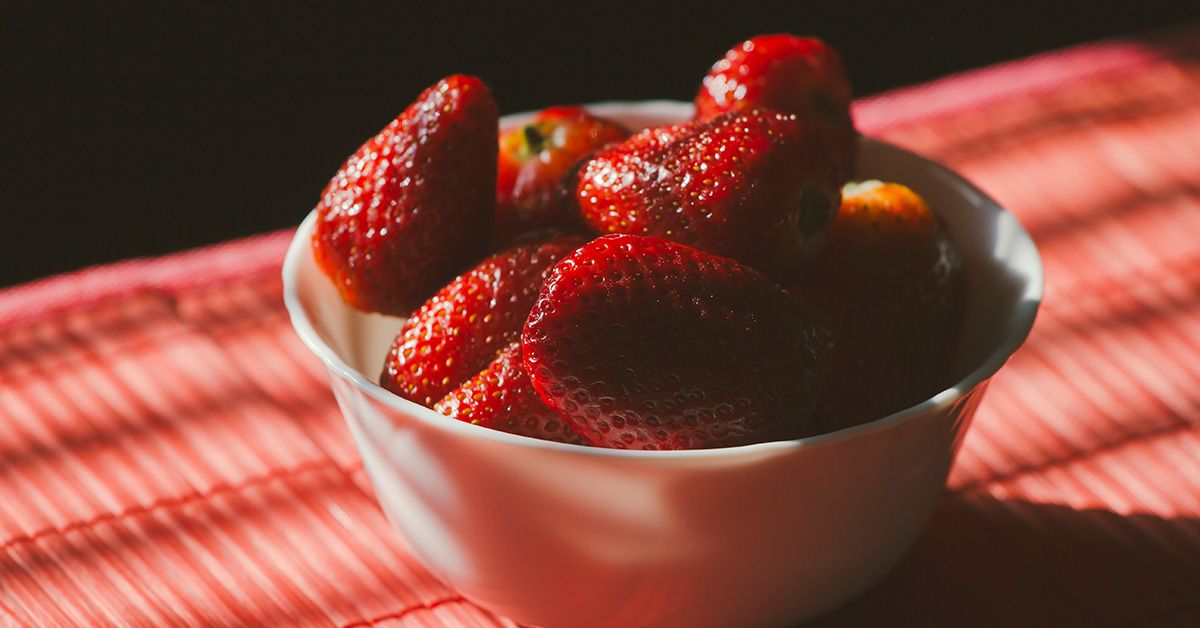
Berries are small, colorful, and suspiciously good at making oatmeal look like it has its life together. They are rich in fiber, vitamin C, and polyphenols, including anthocyanins, which give many berries their deep red, blue, and purple colors. These plant compounds help explain why berries are often included in cancer-prevention eating patterns.
Another advantage: berries are naturally sweet without acting like a dessert wearing a fake mustache. They can help satisfy a sweet craving while adding nutrients and fiber. Fresh berries are great, but frozen berries are often cheaper, convenient, and just as useful in smoothies, yogurt bowls, or warm fruit compotes.
Easy ways to eat more: Stir berries into Greek yogurt, blend them into smoothies, add them to overnight oats, or use them as a topping for whole-grain pancakes.
3. Tomatoes
Examples: Fresh tomatoes, tomato sauce, tomato paste, salsa
Tomatoes are best known for lycopene, a red carotenoid that has been studied for its potential role in prostate and overall cellular health. Interestingly, cooking tomatoes can make lycopene easier for the body to absorb. That means tomato sauce, tomato paste, and soups are not just comfort foods; they can be smart additions to a balanced diet.
Pairing tomatoes with a healthy fat, such as olive oil or avocado, may also help your body absorb carotenoids. So yes, your tomato-based pasta sauce has a nutritional argument. Just go easy on heavy cream, processed meats, and oversized portions if your goal is cancer-prevention-friendly eating.
Easy ways to eat more: Use tomato paste in stews, add cherry tomatoes to salads, make homemade salsa, or serve marinara over whole-grain pasta with vegetables.
4. Leafy Green Vegetables
Examples: Spinach, kale, collard greens, Swiss chard, romaine lettuce
Leafy greens are packed with folate, fiber, carotenoids, vitamin K, magnesium, and other nutrients that support overall health. Their deep green color is a clue that they contain plant pigments and antioxidants that help protect cells from everyday stress.
One of the easiest wins is adding greens to meals you already eat. A handful of spinach disappears into soup, eggs, smoothies, or pasta sauce with almost no effort. Kale and collards are heartier and work well in sautés, grain bowls, and bean dishes.
Easy ways to eat more: Add spinach to scrambled eggs, use romaine as a crunchy taco base, blend greens into smoothies, or sauté collards with garlic and a squeeze of lemon.
5. Beans, Lentils, and Peas
Examples: Black beans, chickpeas, kidney beans, lentils, split peas
Beans are humble, affordable, and nutritionally impressive. They provide plant-based protein, fiber, resistant starch, iron, magnesium, and polyphenols. Fiber is especially important because it supports regular digestion and a healthy gut microbiome. A high-fiber diet is one of the most consistent recommendations in cancer-prevention nutrition, especially for colon health.
Beans also help replace processed meats or oversized portions of red meat in meals. Swapping some meat for beans in chili, tacos, soups, and pasta dishes is a simple way to improve the overall quality of your diet without declaring war on flavor.
Easy ways to eat more: Add lentils to soup, mash chickpeas into sandwich filling, toss black beans into salads, or make a bean-based chili with tomatoes and vegetables.
6. Whole Grains
Examples: Oats, brown rice, quinoa, barley, whole-wheat bread, farro
Whole grains contain the bran, germ, and endosperm of the grain, which means they deliver more fiber, B vitamins, minerals, and protective plant compounds than refined grains. Strong evidence links whole grains and dietary fiber with better colorectal health. Translation: your gut appreciates the upgrade from refined white bread to oats, barley, quinoa, or brown rice.
This does not mean every meal must be a rustic grain bowl served on reclaimed wood. Start with simple swaps. Choose oatmeal instead of sugary cereal, brown rice instead of white rice sometimes, or whole-grain bread for sandwiches. Small changes become powerful when they become routine.
Easy ways to eat more: Make oatmeal with berries, add barley to vegetable soup, use quinoa in salads, or choose whole-grain pasta for weeknight dinners.
7. Garlic and Onions
Examples: Garlic, onions, shallots, leeks, scallions
Garlic and onions belong to the allium family, famous for adding flavor and making your cutting board smell like dinner is officially happening. They contain sulfur compounds and other phytochemicals that researchers have studied for their potential role in supporting immune function and cell health.
The practical benefit is huge: garlic and onions make healthy food taste better. If vegetables taste boring, the problem is often not the vegetable; it is the lack of seasoning. A pan with olive oil, garlic, onions, herbs, and a little patience can turn basic ingredients into something you actually want to eat.
Easy ways to eat more: Start soups and sauces with sautéed onion and garlic, add scallions to grain bowls, roast whole garlic with vegetables, or use leeks in broth-based soups.
8. Nuts and Seeds
Examples: Walnuts, almonds, flaxseed, chia seeds, pumpkin seeds
Nuts and seeds provide healthy fats, fiber, plant protein, vitamin E, magnesium, selenium, and polyphenols. Walnuts and flaxseed are especially popular in cancer-prevention conversations because they contain alpha-linolenic acid, a plant-based omega-3 fat. Flaxseed also contains lignans, plant compounds studied for hormone-related health effects.
Portion size matters because nuts are calorie-dense. A small handful is enough. Think “supporting actor,” not “main character with a private trailer.” Ground flaxseed is easier for the body to use than whole flaxseed, which can pass through digestion mostly intact.
Easy ways to eat more: Sprinkle ground flaxseed into oatmeal, add walnuts to salads, mix chia seeds into yogurt, or use pumpkin seeds as a crunchy soup topping.
9. Soy Foods
Examples: Tofu, tempeh, edamame, soy milk, miso
Soy foods are often misunderstood, but traditional whole or minimally processed soy foods can be part of a healthy eating pattern. Soybeans provide complete plant protein, fiber, iron, calcium when fortified, and isoflavones. Current nutrition guidance generally supports soy foods as safe for most people and a useful alternative to processed meats or high-saturated-fat protein choices.
The key is choosing whole soy foods more often than heavily processed soy snacks. Tofu, tempeh, edamame, and unsweetened fortified soy milk are versatile and easy to use. Tofu absorbs flavor like a polite dinner guest, which means marinades, spices, and sauces matter.
Easy ways to eat more: Add edamame to salads, stir-fry tofu with broccoli, use tempeh in tacos, or blend silken tofu into creamy dressings.
10. Carrots and Other Orange Vegetables
Examples: Carrots, sweet potatoes, pumpkin, butternut squash
Orange vegetables are rich in carotenoids, including beta-carotene, which the body can convert into vitamin A. These foods also provide fiber, potassium, and natural sweetness. Carotenoid-rich foods are a smart choice because they come packaged with many other nutrients, unlike high-dose supplements that may not offer the same benefits and can be risky for some people.
Carrots are easy to snack on, but cooked orange vegetables deserve attention too. Roasted sweet potatoes, pumpkin soup, and butternut squash can make a meal feel comforting while still supporting a nutrient-rich diet.
Easy ways to eat more: Roast carrots with herbs, bake sweet potatoes, add pumpkin puree to oatmeal, or blend butternut squash into soup.
How to Build a Cancer-Fighting Plate
Knowing the foods is helpful. Turning them into meals is where the magic happens. A practical cancer-fighting plate usually includes plenty of colorful vegetables, a fiber-rich carbohydrate, a healthy protein, and a small amount of healthy fat. For example, you might build a bowl with quinoa, roasted broccoli, chickpeas, tomatoes, spinach, walnuts, and a garlic-lemon dressing. That is not a boring “diet meal.” That is a plate with a résumé.
Another simple framework is the two-thirds plant rule: fill most of your plate with vegetables, fruits, whole grains, beans, lentils, nuts, and seeds, then use the remaining space for fish, poultry, eggs, dairy, or another protein if you eat them. This helps you naturally increase fiber and phytochemicals while reducing reliance on processed foods.
Foods to Limit for Better Cancer Prevention
Adding cancer-fighting foods is only half the story. It also helps to limit foods and drinks linked with higher cancer risk. Processed meats such as bacon, sausage, hot dogs, and deli meats are best kept to a minimum. Red meat can be enjoyed in moderation, but large portions and frequent intake are not ideal for cancer-prevention eating patterns.
Highly processed foods, sugary drinks, refined grains, and heavy alcohol intake can also work against your goals. This does not mean your birthday cake needs a warning label and dramatic music. It means your daily habits matter more than occasional treats. Build the foundation well, and you do not have to panic over one slice of cake at a party.
Sample One-Day Cancer-Fighting Meal Plan
Breakfast
Oatmeal topped with blueberries, ground flaxseed, walnuts, and a spoonful of plain Greek yogurt or fortified soy yogurt.
Lunch
A lentil and vegetable soup with tomatoes, spinach, onions, garlic, carrots, and barley. Serve with a side salad or a slice of whole-grain bread.
Snack
Carrot sticks with hummus, or strawberries with a small handful of almonds.
Dinner
Stir-fried tofu or chicken with broccoli, bok choy, mushrooms, garlic, and brown rice. Add a tomato-cucumber salad on the side for extra color.
Personal Experience: What Eating These Foods Looks Like in Real Life
The most useful lesson about cancer-fighting foods is that they work best when they stop feeling like a “project.” Many people start with a burst of motivation: they buy kale, chia seeds, lentils, turmeric, walnuts, and three vegetables they cannot identify without a produce manager. Then Thursday arrives, everyone is tired, and the vegetables stare from the refrigerator like unpaid interns. The secret is not buying every healthy food at once. The secret is building repeatable habits.
A realistic experience might begin with breakfast. Instead of trying to cook a perfect wellness breakfast every morning, keep oats, frozen berries, and ground flaxseed ready. In five minutes, you can make oatmeal that checks several boxes: whole grains, berries, fiber, and healthy fats. It is warm, filling, and does not require a blender that sounds like a lawn mower at 7 a.m.
Lunch is often where good intentions go missing, especially during a busy workday. One practical habit is making a large pot of bean or lentil soup once or twice a week. Lentils cook quickly, accept almost any seasoning, and pair well with tomatoes, onions, garlic, carrots, spinach, and whole grains. A soup like that feels comforting but still delivers the plant-based foundation experts recommend. It also reheats well, which is important because “future you” deserves a decent lunch.
Dinner can be even simpler. Choose one vegetable, one fiber-rich base, and one protein. For example, roasted broccoli, brown rice, and tofu with garlic sauce. Or cabbage stir-fry with edamame and quinoa. Or whole-grain pasta with tomato sauce, spinach, mushrooms, and white beans. These meals are not fancy, but they are dependable. Dependable is underrated. A dependable healthy meal beats an elaborate recipe you make once and then emotionally avoid forever.
Snacks are another opportunity. Instead of reaching for ultra-processed foods every afternoon, keep easy options visible: apples, berries, carrots, hummus, walnuts, pumpkin seeds, or yogurt. The goal is not perfection. The goal is making the better choice easier than the less helpful one. If the carrots are washed and the chips are hidden on a high shelf, carrots suddenly become very persuasive.
Another real-life tip is to use flavor boldly. Healthy food fails when it tastes like homework. Garlic, onions, herbs, lemon juice, vinegar, chili flakes, ginger, mustard, and spices can transform basic foods. Roasted cauliflower with smoked paprika is a different experience from steamed cauliflower with sadness. A tomato-lentil stew with garlic, cumin, and herbs can make beans feel exciting instead of obligatory.
Finally, it helps to think weekly, not daily. Some days will be beautiful: berries at breakfast, salad at lunch, roasted vegetables at dinner. Other days will involve takeout, leftovers, or a sandwich eaten over the sink. That is normal. Cancer-prevention eating is not about one perfect plate. It is about the pattern you return to again and again. Add one more plant food. Choose whole grains more often. Replace processed meat when you can. Eat colorfully. Repeat. Your body does not need a dramatic food makeover; it needs consistent support.
Conclusion
Cancer-fighting foods are not magic shields, but they are powerful tools for building a healthier lifestyle. Cruciferous vegetables, berries, tomatoes, leafy greens, beans, whole grains, garlic, nuts, soy foods, and orange vegetables all bring valuable nutrients and plant compounds to your plate. The smartest strategy is to combine them often, enjoy them in meals you actually like, and pair them with other healthy habits such as regular physical activity, healthy weight management, not smoking, limiting alcohol, and staying up to date with recommended cancer screenings.
Start small. Add berries to breakfast, beans to lunch, and one extra vegetable to dinner. Over time, those small choices become a pattern, and that pattern is where the real health benefits live. Your fork cannot do everything, but it can absolutely join the team.
Note: This article is for general educational purposes only and should not replace medical advice, cancer treatment, or guidance from a physician, oncologist, or registered dietitian.

