
Hair Care
Lion’s Mane Mushrooms: What Are the Benefits?
Jul
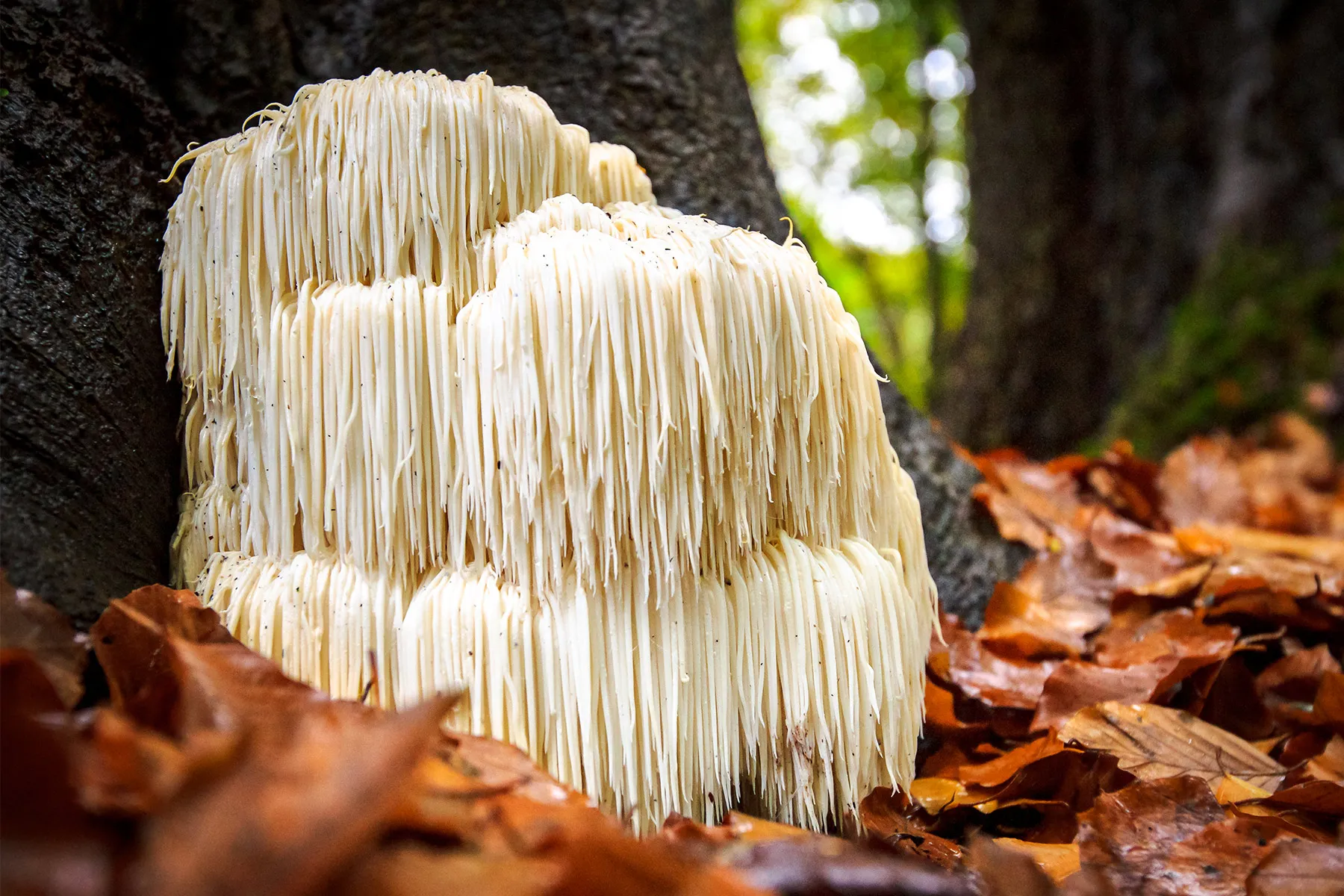
Lion’s mane mushrooms look like something a wizard would keep in a pantry: fluffy, white, shaggy, and oddly majestic. But behind the “tiny snowball with confidence” appearance is a mushroom that has earned serious attention in the wellness world. Search for lion’s mane mushroom benefits, and you will find claims about memory, mood, focus, gut health, immunity, inflammation, and even nerve support. That is excitingbut also exactly where we need to put on our sensible shoes.
Lion’s mane, scientifically known as Hericium erinaceus, is an edible mushroom used in East Asian cuisine and traditional wellness practices. Today, it appears in fresh mushroom dishes, capsules, powders, extracts, gummies, mushroom coffee, and every corner of the internet where people say things like “mental clarity” while holding a beige latte.
So, what are the actual benefits of lion’s mane mushrooms? The honest answer is: promising, but not magic. Research suggests lion’s mane may support brain health, mood, immune function, digestive balance, and healthy inflammation responses. However, many of these findings come from laboratory studies, animal research, or small human trials. In other words, lion’s mane deserves attentionbut not a superhero cape just yet.
What Are Lion’s Mane Mushrooms?
Lion’s mane mushrooms are edible fungi with long, dangling spines that resemble a lion’s mane, a pom-pom, or a very dramatic cauliflower. They grow naturally on hardwood trees and are found in parts of North America, Europe, and Asia. Unlike the button mushrooms sitting quietly in your grocery store, lion’s mane has a more distinctive texture and a mild, seafood-like flavor that many people compare to crab or lobster.
In cooking, lion’s mane can be sliced, pressed, sautéed, roasted, or shredded into plant-based “crab cakes.” In supplements, it is usually sold as a powder, capsule, tincture, or extract. Some products use the mushroom’s fruiting bodythe visible mushroom portionwhile others use mycelium, the root-like network that grows beneath the surface. This matters because different parts of the fungus may contain different concentrations of active compounds.
Key Nutrients and Active Compounds in Lion’s Mane
Lion’s mane mushrooms contain fiber, antioxidants, amino acids, minerals, and B vitamins. Like other edible mushrooms, they may contribute small amounts of potassium, zinc, manganese, riboflavin, niacin, and thiamine. They are not a complete replacement for meat or a multivitamin, but they can be a useful addition to a balanced diet.
The real reason researchers are interested in lion’s mane is its unique bioactive compounds. These include hericenones, erinacines, beta-glucans, polysaccharides, phenolic compounds, and other mushroom-based nutrients. Hericenones and erinacines are especially interesting because early research suggests they may influence nerve growth factor, a protein involved in the growth, maintenance, and survival of nerve cells.
That does not mean eating one mushroom omelet will turn your brain into a supercomputer. If that worked, breakfast diners would be running NASA. But it does mean lion’s mane has biological activity worth studying.
Main Lion’s Mane Mushroom Benefits
1. May Support Brain Health and Cognitive Function
The most famous potential benefit of lion’s mane is brain support. Many people take lion’s mane supplements for memory, focus, mental clarity, and overall cognitive health. This reputation comes from research suggesting that compounds in lion’s mane may help support nerve growth factor and protect nerve cells from oxidative stress.
Some small human studies have reported improvements in certain cognitive measures among older adults or people with mild cognitive impairment. However, these studies are limited in size and design, and results are not strong enough to say lion’s mane prevents dementia or treats Alzheimer’s disease. It is better to think of lion’s mane as a possible brain-supporting food or supplementnot a proven medical therapy.
For everyday wellness, the most realistic expectation is subtle support over time. Lion’s mane is not like caffeine, where you drink coffee and suddenly feel prepared to reorganize the garage and answer emails from 2021. If it helps, it may work gradually and mildly.
2. May Help with Mood and Stress
Lion’s mane is also being studied for mood, stress, and emotional well-being. Some research suggests it may have anti-inflammatory and neuroprotective effects that could influence anxiety or depressive symptoms. Small trials have explored lion’s mane intake in relation to mood, sleep, and subjective stress.
The key word here is “may.” Lion’s mane is not a replacement for therapy, antidepressants, anxiety treatment, sleep care, or professional mental health support. But as part of a broader lifestyle that includes sleep, movement, nutritious meals, sunlight, social connection, and stress management, lion’s mane may have a supporting role for some people.
If your stress level is currently “email inbox on fire,” lion’s mane alone will not save the day. But paired with healthy habits, it might be one small tool in the wellness toolbox.
3. Provides Antioxidant and Anti-Inflammatory Compounds
Oxidative stress happens when free radicals outnumber the body’s antioxidant defenses. Over time, this process is linked with aging and many chronic health concerns. Lion’s mane contains antioxidant compounds that may help neutralize oxidative stress in laboratory and animal studies.
Research also suggests lion’s mane may help modulate inflammatory pathways. Chronic inflammation is involved in many health problems, including metabolic, cardiovascular, digestive, and neurological conditions. However, most evidence for lion’s mane’s anti-inflammatory effects is still preclinical. That means it looks interesting under scientific investigation, but it should not be promoted as a cure for inflammatory diseases.
Still, adding edible mushrooms to your diet is generally a smart move. Mushrooms bring fiber, phytonutrients, and savory flavor without demanding much from your calorie budget. Very polite of them.
4. May Support Gut Health
Lion’s mane may benefit digestive health in several ways. Its fibers and polysaccharides may act as prebiotic-like compounds, helping nourish beneficial gut bacteria. A healthy gut microbiome plays an important role in digestion, immune function, metabolism, and even communication between the gut and brain.
Animal and laboratory studies have also explored lion’s mane in relation to stomach lining protection, H. pylori, ulcer models, and inflammatory bowel pathways. These findings are promising, but human research is still limited. If you have ulcers, inflammatory bowel disease, chronic reflux, or ongoing digestive symptoms, lion’s mane should not replace medical evaluation.
As food, however, cooked lion’s mane can be a tasty way to diversify your mushroom intake. Variety is good for the gut, and it keeps dinner from becoming a tragic rotation of the same three meals.
5. May Support Immune Function
Like several medicinal mushrooms, lion’s mane contains beta-glucans and polysaccharides that may influence immune activity. Beta-glucans are naturally occurring fibers found in mushrooms, oats, barley, and yeast. They are studied for their ability to interact with immune cells and support normal immune defenses.
This does not mean lion’s mane “boosts immunity” in a simple on/off way. The immune system is not a car stereo where more volume is always better. A healthy immune system needs balance: strong enough to defend, calm enough not to overreact. Lion’s mane may support immune regulation, but it should not be treated as a shield against infections.
People with autoimmune conditions, organ transplants, or immune-related medications should talk with a healthcare provider before taking concentrated mushroom supplements.
6. May Support Heart and Metabolic Health
Early studies suggest lion’s mane extracts may influence cholesterol metabolism, blood sugar regulation, blood pressure pathways, and circulation. Most of this evidence comes from animal or laboratory research, not large human trials. That means lion’s mane should not replace proven strategies such as a heart-healthy diet, regular movement, blood pressure management, cholesterol treatment, or diabetes care.
Still, as a whole food, lion’s mane can fit beautifully into a heart-conscious eating pattern. It is naturally low in fat, contains fiber, and can replace some heavier ingredients in recipes. A golden-brown lion’s mane steak with garlic and herbs is far more exciting than another sad “healthy” meal that tastes like cardboard wearing a motivational quote.
Lion’s Mane Mushroom Supplements vs. Fresh Mushrooms
Fresh lion’s mane mushrooms and lion’s mane supplements are not exactly the same experience. Fresh mushrooms are food. They provide texture, flavor, fiber, and nutrients in a culinary form. Supplements are concentrated products, and their quality varies widely depending on sourcing, extraction methods, testing, and labeling accuracy.
Fresh lion’s mane is ideal if you enjoy cooking or want to explore functional foods without committing to capsules. Supplements may be convenient for people who want consistent intake, but they require more caution. In the United States, dietary supplements are not approved by the FDA for safety and effectiveness before they are sold. Manufacturers are responsible for product quality, which is why third-party testing matters.
When shopping for lion’s mane supplements, look for clear labeling, third-party testing, transparent ingredient lists, and information about whether the product uses fruiting body, mycelium, or both. Be cautious with vague “proprietary blends,” miracle claims, or products that promise to cure diseases. If a mushroom gummy claims it can fix your entire life, it may be time to put the gummy down and back away slowly.
How to Use Lion’s Mane Mushrooms
Cooking with Fresh Lion’s Mane
Fresh lion’s mane is best cooked rather than eaten raw. Cooking improves texture, flavor, and digestibility. To prepare it, gently clean the mushroom, slice it into thick pieces, and cook it in a dry skillet for a few minutes to release moisture. Then add olive oil, butter, garlic, herbs, or a splash of lemon juice.
Popular ways to enjoy lion’s mane include:
- Sautéed lion’s mane with garlic and thyme
- Lion’s mane “steaks” with olive oil and black pepper
- Plant-based crab cakes
- Mushroom tacos with cabbage slaw
- Creamy lion’s mane soup
- Stir-fries with vegetables and brown rice
The mushroom’s texture becomes tender, slightly chewy, and deeply savory when browned. Think seafood-adjacent, not fishy. It is the kind of ingredient that makes you say, “Wait, why have I been ignoring fungi?”
Using Powders, Capsules, and Extracts
Lion’s mane supplements come in many forms. Powders can be mixed into coffee, smoothies, oatmeal, or soups. Capsules are simple and portable. Liquid extracts may be added to drinks. Dosages vary by product and study, so there is no universal “best” amount for everyone.
Start with the product label, choose a reputable brand, and speak with a healthcare professional if you take medications or have a medical condition. More is not automatically better. With supplements, “extra strength” can sometimes mean “extra questions for your pharmacist.”
Possible Side Effects and Safety Considerations
Lion’s mane is generally considered safe as a food for most people. Side effects from supplements appear uncommon but may include digestive discomfort, nausea, diarrhea, abdominal pain, or skin rash. Allergic reactions are possible, especially in people with mushroom allergies.
Some people should be especially cautious with lion’s mane supplements, including those who are pregnant or breastfeeding, taking blood thinners, using diabetes medications, preparing for surgery, managing immune disorders, or receiving cancer treatment. Because supplement research is limited, medical guidance is important in these situations.
Also, lion’s mane should not be used as a substitute for prescribed medication or medical care. It is a mushroom, not a licensed physician wearing a tiny white coat.
What the Research Still Needs to Prove
The biggest limitation in lion’s mane research is the lack of large, long-term, high-quality human trials. Early studies suggest potential benefits for cognition, mood, stress, and neurological support, but many findings are preliminary. Researchers still need to clarify ideal dosage, best extract type, long-term safety, interactions, and which groups may benefit most.
Another issue is supplement inconsistency. One lion’s mane product may contain fruiting body extract; another may contain mycelium grown on grain; another may include several mushrooms plus caffeine, herbs, sweeteners, or fillers. Comparing them is like comparing apples, oranges, and a smoothie that refuses to show you its ingredient list.
For now, the most balanced view is this: lion’s mane is a nutritious edible mushroom with promising compounds and early research support, especially for brain and mood-related benefits. But it is not proven to treat, prevent, or cure disease.
Who Might Benefit from Lion’s Mane?
Lion’s mane may be worth considering for adults who want to add more functional foods to their diet, enjoy mushrooms, or are curious about gentle cognitive and wellness support. It may appeal to students, professionals, older adults, plant-based eaters, and anyone who wants a savory mushroom that can make dinner feel a little more gourmet.
It may not be the best choice for people who dislike mushrooms, have mushroom allergies, are pregnant or breastfeeding, take multiple medications, or expect instant results. If your goal is sharper focus tomorrow morning, sleep and caffeine timing may matter more. If your goal is long-term brain health, lion’s mane should be part of a bigger strategy that includes exercise, a Mediterranean-style diet, blood pressure control, learning, social connection, and quality sleep.
Real-Life Experiences with Lion’s Mane Mushrooms
Many people first discover lion’s mane through supplements, but the most enjoyable introduction is often the fresh mushroom itself. The first experience can be surprising because lion’s mane does not behave like ordinary mushrooms. It does not have the same slippery texture as button mushrooms or the intense earthiness of shiitake. When cooked properly, it becomes golden, tender, and almost seafood-like.
A common first-time experience goes something like this: you buy a fluffy white mushroom from a farmers market, stare at it for ten minutes because it looks like a pet cloud, then wonder if you are supposed to brush it, slice it, or apologize to it. Once it hits a hot pan, though, the mystery fades. It releases moisture, shrinks slightly, browns at the edges, and develops a rich aroma that feels fancy without requiring culinary school.
For people using lion’s mane for focus, experiences are mixed. Some report feeling more mentally clear after consistent use for several weeks. Others notice no obvious change. A few say they feel calmer or less scattered, while some stop using it because of stomach discomfort or because the benefits were too subtle to justify the cost. This range of experiences makes sense because supplements vary, bodies vary, and “better focus” is influenced by sleep, stress, diet, hormones, workload, hydration, and whether your phone has been screaming notifications all day.
One practical way to experiment is to start with food before supplements. Try fresh lion’s mane once or twice a week in meals. Notice digestion, taste preference, energy, and overall well-being. Food-based use is less concentrated and often easier to evaluate. If you later try a supplement, choose one product at a time rather than stacking lion’s mane with six other trendy ingredients. Otherwise, if you feel different, you will have no idea whether it was the mushroom, the ashwagandha, the caffeine, the magnesium, or the fact that you finally went to bed before midnight.
Another real-world lesson: lion’s mane is not a rescue plan for burnout. Some people try it during intense work periods, hoping it will replace rest. It will not. A mushroom cannot out-supplement chronic sleep debt, skipped meals, and twelve browser tabs titled “urgent.” The best results tend to come when lion’s mane is treated as a supportive habit, not a miracle patch.
Cooking experiences are usually more satisfying because the payoff is immediate: dinner tastes good. Lion’s mane works especially well with garlic, shallots, olive oil, butter, soy sauce, smoked paprika, lemon, parsley, and black pepper. Pressing slices gently in a pan helps remove water and create a browned crust. Add it to grain bowls, pasta, tacos, risotto, eggs, or soup. If you are making plant-based crab cakes, shred the mushroom and combine it with breadcrumbs, Dijon mustard, herbs, lemon, and a binder.
The biggest downside is availability and price. Fresh lion’s mane can be harder to find than standard mushrooms and may cost more. Farmers markets, specialty grocery stores, Asian markets, and local mushroom growers are often better bets than regular supermarkets. Supplements are easier to find, but quality varies, so labels deserve careful reading.
Overall, the best experience with lion’s mane is realistic and curious. Enjoy it as a delicious edible mushroom. Consider supplements carefully. Track how you feel. Keep expectations reasonable. If lion’s mane helps you feel a little sharper or calmer, wonderful. If it simply makes an excellent garlic mushroom dinner, that is still a win. Not every wellness food has to change your destiny; sometimes it just needs to taste good in a skillet.
Conclusion: Is Lion’s Mane Worth Trying?
Lion’s mane mushrooms are among the most interesting functional foods in today’s wellness conversation. They are nutritious, versatile, and packed with compounds that researchers are studying for brain health, mood, nerve support, gut health, immune balance, and inflammation. The early science is promising, especially around cognitive function and stress, but it is not yet definitive.
If you enjoy mushrooms, lion’s mane is absolutely worth trying as food. It is flavorful, flexible, and fun to cook. If you are considering lion’s mane supplements, choose high-quality products, avoid exaggerated claims, and talk with a healthcare provider if you have medical conditions or take medications.
The bottom line: lion’s mane may support wellness, but it is not a miracle cure. Treat it like a helpful ingredient, not a magic spell. Your brain, gut, and dinner plate may all appreciate the upgrade.
SEO Metadata
Note: This article is for educational purposes only and should not replace professional medical advice, diagnosis, or treatment. People who are pregnant, breastfeeding, taking medication, preparing for surgery, managing chronic illness, or receiving cancer care should consult a qualified healthcare provider before using lion’s mane supplements.

