
Hair Care
Bedbugs: Symptoms, Treatment, and Removal
Jul
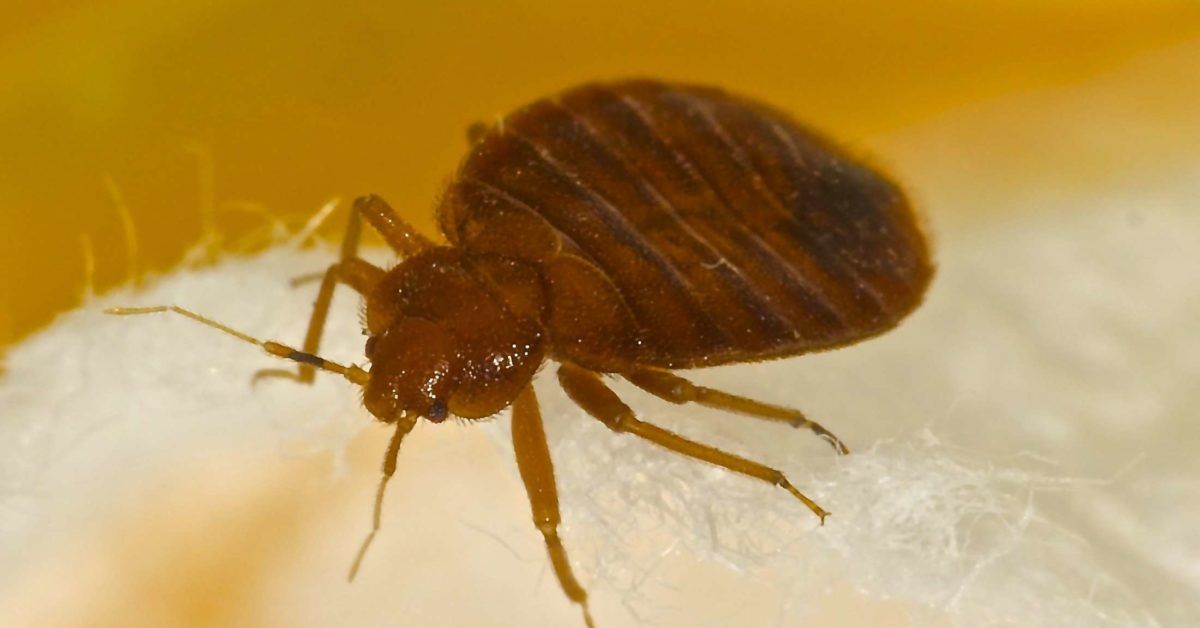
Bedbugs are the tiny, flat, reddish-brown roommates nobody invited, nobody likes, and absolutely nobody wants to split rent with. They do not fly, they do not jump, and they do not care whether your home looks like a magazine spread or a laundry basket exploded in the hallway. Their real talent is hitchhiking. A suitcase, used couch, backpack, hotel room, apartment wall gap, or secondhand bed frame can become their tiny limousine.
The good news: bedbugs are not known to spread disease. The bad news: their bites can itch like your skin signed up for a percussion concert, and an infestation can disturb sleep, cause stress, and spread quickly if ignored. Understanding bedbug symptoms, bite treatment, and removal steps can help you act early instead of donating your sanity to a colony of apple-seed-sized vampires.
This guide explains how to identify bedbug bites, how to treat symptoms safely, how to confirm an infestation, and how to remove bedbugs from your home using practical, evidence-based methods. Grab a flashlight, a laundry bag, and a deep breath. Panic is optional; a plan is better.
What Are Bedbugs?
Bedbugs are small, wingless insects that feed on blood, usually while people are sleeping or resting. Adult bedbugs are often described as flat, oval, reddish-brown insects about the size of an apple seed. After feeding, they may look plumper and darker. Young bedbugs, called nymphs, are smaller and lighter in color, making them harder to spot.
Despite the name, bedbugs do not live only in beds. That would be too convenient, and apparently they enjoy making life a scavenger hunt. They can hide in mattress seams, box springs, bed frames, headboards, baseboards, nightstands, upholstered furniture, curtain folds, wall cracks, electrical outlets, luggage, and clutter near sleeping areas.
How Bedbugs Spread
Bedbugs are professional hitchhikers. They move from place to place by catching rides on luggage, clothing, backpacks, furniture, bedding, and personal belongings. Hotels, apartments, dorms, shelters, offices, public transportation, and shared laundry spaces can all play a role in spreading them. Having bedbugs is not a sign of poor hygiene. A spotless home can get bedbugs just as easily as a messy one if an infested item is brought inside.
Common Bedbug Symptoms
Bedbug symptoms vary widely. Some people develop itchy welts. Others have no visible reaction at all. That means one person in a household may look like breakfast was served on their arm, while another person appears untouched. This can make bedbug detection frustrating, especially when everyone starts blaming the dog, the laundry detergent, or the mysterious “something in the air.”
What Bedbug Bites Look Like
Bedbug bites often appear as small, red or discolored, itchy bumps. They may show up in clusters, lines, or zigzag patterns, especially on exposed skin such as the arms, hands, neck, face, shoulders, and legs. Some bites look like mosquito bites. Others may become raised welts, tiny blisters, or inflamed patches.
A classic clue is the “breakfast, lunch, and dinner” pattern: several bites grouped together in a line or cluster. However, this pattern is not guaranteed. Bedbug bites can be scattered, delayed, or difficult to distinguish from bites caused by mosquitoes, fleas, mites, or other insects.
When Symptoms Appear
Bedbug bite reactions may appear within hours, but they can also take several days. In some cases, itching or welts may not appear for up to two weeks after a bite. First-time reactions may be slower because the body has not yet developed a strong response to bedbug saliva.
Other Signs of Bedbugs
Bites alone are not enough to confirm bedbugs. To know whether bedbugs are the problem, look for physical evidence. Signs may include live bugs, pale yellow shed skins, tiny white eggs, dark fecal spots on mattress seams or bedding, rusty blood stains on sheets, or a musty odor in heavy infestations. A flashlight and a stiff card can help inspect seams, cracks, and tight corners.
Are Bedbug Bites Dangerous?
Most bedbug bites are annoying rather than dangerous. They usually clear up on their own within one to two weeks. Bedbugs are not known to transmit disease to humans, which is a small mercy from creatures that otherwise behave like they were designed by a committee of nightmares.
Still, bedbug bites can cause problems. Scratching can break the skin and lead to secondary infection. Some people experience stronger allergic reactions, swelling, hives, or intense itching. Bedbug infestations can also cause anxiety, sleep loss, embarrassment, and stress. The emotional toll is real, especially when people feel uncomfortable in their own bed.
When to See a Doctor
Consider medical care if bites become very painful, warm, swollen, filled with pus, or streaked with redness. These may be signs of infection. You should also seek help if you have widespread hives, trouble breathing, dizziness, facial swelling, or another sign of a serious allergic reaction. For children, older adults, people with weakened immune systems, or anyone with severe scratching, a clinician may recommend stronger anti-itch treatment or antibiotics if an infection develops.
How to Treat Bedbug Bites at Home
Bedbug bite treatment focuses on relieving itching, protecting the skin, and preventing infection. You do not need to perform a dramatic medical ritual. In most cases, simple care works well.
1. Wash the Bites
Clean the affected skin gently with soap and water. This helps reduce irritation and lowers the chance of infection if the skin has been scratched. Pat the area dry instead of rubbing it like you are sanding furniture.
2. Use Anti-Itch Cream
An over-the-counter hydrocortisone cream or anti-itch lotion may help calm itching and inflammation. Follow the product label carefully. Avoid applying multiple products at once unless a healthcare professional recommends it.
3. Try an Antihistamine
If itching is keeping you awake, an oral antihistamine may help. Some antihistamines can cause drowsiness, so read the label and use caution before driving or operating machinery. For children, ask a pediatrician or pharmacist before giving medication.
4. Apply a Cool Compress
A cool, damp cloth can reduce swelling and itching. Use it for short periods, then give the skin a break. Avoid ice directly on the skin, because replacing bedbug irritation with frostbite is not the upgrade anyone requested.
5. Do Not Scratch
This is the hardest advice because itching has the persuasive power of a tiny lawyer. Still, scratching can open the skin and invite infection. Trim fingernails, cover bites with breathable clothing, and consider using an anti-itch product before bed.
How to Confirm a Bedbug Infestation
Before launching into full removal mode, confirm that bedbugs are actually present. Many skin conditions and insect bites look similar. A careful inspection can prevent wasted effort and help you choose the right treatment plan.
Where to Inspect First
Start near the bed because bedbugs prefer to stay close to their food source. Check mattress seams, piping, tags, box spring corners, bed frame joints, screw holes, headboards, nightstands, baseboards, and nearby upholstered furniture. Pull the bed slightly away from the wall and inspect behind pictures, outlet plates, and loose wallpaper if the infestation seems advanced.
Tools That Help
Use a flashlight, disposable gloves, a stiff card, clear tape, and sealable plastic bags. A magnifying glass can help with eggs and nymphs. Bedbug interceptors placed under bed legs can catch bugs as they move and help monitor whether control efforts are working.
Bedbug Removal: What Actually Works
Removing bedbugs requires patience and a layered approach. One spray rarely solves the problem. The most effective strategy is integrated pest management, often called IPM. This combines inspection, cleaning, heat, encasements, monitoring, sealing, and targeted pesticide use when needed.
Step 1: Reduce Clutter
Clutter gives bedbugs more hiding places. Remove unnecessary items from around beds, couches, and resting areas. Do not drag infested items through the house uncovered. Bag items before moving them so bedbugs do not spread room to room like tiny moving consultants.
Step 2: Launder Bedding and Clothing
Wash sheets, blankets, clothing, curtains, and washable fabrics using hot water when fabric labels allow. Dry items on high heat. Heat is one of the most useful non-chemical tools against bedbugs and their eggs. For items that are already clean but may be infested, a hot dryer cycle may be enough if the material can tolerate it.
Step 3: Use Heat Carefully
Professional heat treatments can be effective because they raise temperatures throughout infested areas. However, heat must reach the places where bedbugs hide. Do not attempt dangerous DIY heat methods with ovens, outdoor grills, space heaters, or improvised devices. Burning down the house technically removes bedbugs, but it also removes the house, which is considered poor pest management.
Step 4: Vacuum Thoroughly
Vacuum mattresses, box springs, bed frames, baseboards, carpets, furniture seams, and cracks. Use a crevice tool for tight areas. After vacuuming, immediately seal the vacuum contents in a plastic bag and discard it outdoors. Vacuuming reduces the number of bugs and eggs, but it usually does not eliminate an infestation by itself.
Step 5: Encase Mattresses and Box Springs
Use bedbug-proof encasements designed for mattresses and box springs. These covers trap bugs inside, prevent new bugs from hiding in seams, and make future inspections easier. Choose encasements labeled for bedbug protection, not just allergy protection.
Step 6: Seal Cracks and Crevices
Seal gaps around baseboards, bed frames, walls, and furniture joints where bedbugs may hide. Repair peeling wallpaper and tighten loose outlet covers. This reduces hiding places and improves the effectiveness of treatment.
Step 7: Be Careful With Pesticides
Only use pesticides labeled for bedbug control and follow instructions exactly. More pesticide is not better. It can be dangerous, ineffective, and legally problematic. Never use outdoor pesticides indoors, never spray mattresses unless the product label allows it, and never mix products. If the infestation is heavy, widespread, or recurring, hire a licensed pest management professional.
Step 8: Monitor and Repeat
Bedbug control often requires follow-up. Eggs can hatch after initial treatment, and hidden bugs may survive if they were missed. Continue inspecting, laundering, vacuuming, and using interceptors. A few quiet nights do not always mean the war is over; it may simply mean the enemy is terrible at scheduling.
DIY Bedbug Removal vs. Professional Treatment
DIY control can help when an infestation is very small and caught early. However, bedbugs are excellent at hiding, and their eggs are easy to miss. Professional pest control is often the best choice for larger infestations, multi-unit housing, repeated bites, or situations where bedbugs have spread to several rooms.
A licensed professional can identify the pest, locate hiding spots, apply targeted treatments safely, use professional-grade heat or steam, and schedule follow-up visits. In apartments, tenants should notify landlords or property managers quickly because bedbugs can move between units. Local laws and responsibilities vary, so renters should check city or state guidance.
What Not to Do When You Find Bedbugs
Do not sleep in another room. Bedbugs may follow, spreading the infestation. Do not throw away your mattress immediately unless a professional recommends it. Many mattresses can be treated or encased. Do not bring home discarded furniture from the curb unless you enjoy high-risk treasure hunting with consequences.
Do not use foggers or “bug bombs” as your main strategy. They often fail to reach cracks and hiding spots, and they may scatter bedbugs deeper into walls or other rooms. Do not assume essential oils, ultrasonic devices, or internet miracle cures will solve the problem. Bedbugs are not impressed by lavender vibes.
How to Prevent Bedbugs
Prevention is easier than removal. While you cannot guarantee you will never encounter bedbugs, you can reduce your risk with smart habits at home and while traveling.
At Home
Inspect secondhand furniture carefully before bringing it inside. Reduce clutter near sleeping areas. Vacuum regularly. Use protective mattress and box spring encasements. Seal cracks around baseboards and walls. Place bedbug interceptors under bed and couch legs if you live in a high-risk setting or have had bedbugs before.
While Traveling
When you enter a hotel room, place luggage on a rack instead of the bed or floor. Inspect the mattress seams, headboard area, and upholstered furniture before unpacking. Keep clothes in bags or luggage rather than drawers if you are unsure. When you return home, inspect luggage and launder travel clothes on heat when possible.
In Shared Laundry Areas
Carry laundry in clean, sealed bags. Put dried clothes directly into clean bags, then fold them at home. Avoid placing clean laundry on shared tables if you suspect a building-wide issue.
Bedbug Experiences: Practical Lessons From Real-Life Scenarios
Anyone who has dealt with bedbugs learns quickly that the problem is not just physical; it is emotional, logistical, and slightly theatrical. The first experience is usually disbelief. You wake up with itchy bumps and think, “Maybe mosquitoes?” Then the bites appear again. Then someone checks the mattress seam and finds a tiny dark speck that moves. At that exact moment, every crumb, shadow, and piece of lint in the room becomes suspicious.
One common lesson is that early action matters. A person who notices three bites and immediately inspects the bed, washes bedding, bags suspect items, and calls a professional may prevent a small problem from becoming a full-house invasion. On the other hand, waiting weeks because “maybe it will go away” gives bedbugs time to feed, hide, and reproduce. Bedbugs do not respect procrastination. In fact, they seem to consider it a catering service.
Another experience many people share is the laundry marathon. Suddenly, every sheet, hoodie, curtain, stuffed animal, and mystery blanket becomes part of a heat-treatment parade. The key is organization. Use separate bags for untreated and treated items. Label them if needed. Keep clean items sealed until the room has been treated. Without a system, it is easy to re-contaminate clean laundry by placing it near untreated belongings.
People also learn that throwing everything away is rarely necessary. The instinct is understandable. When you find bedbugs in a mattress, your brain may shout, “Burn it. Burn the whole zip code.” But many items can be saved with heat, encasements, vacuuming, steaming, or professional treatment. Throwing furniture into hallways can spread bedbugs to neighbors and may not solve the source of the infestation.
Living through bedbugs also teaches humility. Infestations can happen in luxury apartments, college dorms, tidy homes, busy hotels, and public housing. The bugs are not judging your housekeeping. They are simply looking for a blood meal and a hiding spot. Removing shame from the situation makes it easier to report the problem, ask for help, and follow a control plan.
Communication is especially important in apartments and shared housing. If one unit treats the problem but nearby units are infested, bedbugs may return. Tenants should document evidence, notify property management, and follow local guidance. Landlords and managers should respond quickly and avoid blaming residents. Bedbug control works best when everyone stops whispering and starts coordinating.
The final lesson is patience. Bedbug removal is not always instant. You may need multiple inspections and treatments. Interceptors may catch a few bugs after treatment, which can feel discouraging, but monitoring is part of the process. The goal is steady reduction until there are no signs of activity. Keep sleeping in the treated room, keep the bed isolated from walls and furniture, and keep checking. Eventually, the room becomes yours again, and the bed returns to being a place for sleep instead of detective work.
Conclusion
Bedbugs are stressful, itchy, and deeply unwelcome, but they are manageable with the right plan. Recognize the symptoms, treat bites gently, confirm the infestation with physical evidence, and use a layered removal strategy. Wash and dry fabrics with heat, vacuum carefully, reduce clutter, use encasements, seal hiding spots, monitor with interceptors, and call a licensed pest professional when the infestation is more than minor.
The most important thing is not to panic or rely on one magic fix. Bedbug control is a process, not a single dramatic showdown. With careful action, follow-up, and a little stubbornness, you can remove bedbugs and reclaim your sleep from the world’s worst tiny houseguests.

