
Makeup
Chronic Kidney Disease: Symptoms, Stage, Treatment, and More
May
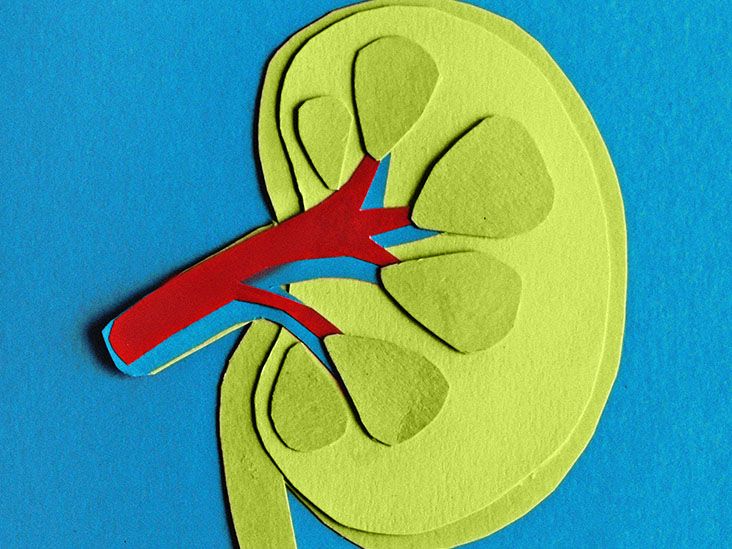
Chronic kidney disease, often shortened to CKD, is one of those health conditions that can quietly move in, unpack its bags, and start rearranging the furniture before anyone notices. Your kidneys are small but mighty organs that filter waste, balance fluids, help control blood pressure, support bone health, and keep important minerals in check. When they are damaged for three months or longer, they may not filter blood as well as they should. That long-term decline is what doctors call chronic kidney disease.
The tricky part? Early CKD often has no obvious symptoms. Many people feel perfectly fine until kidney function has dropped significantly. That is why kidney disease is sometimes called a “silent” condition. It does not usually arrive with flashing lights and dramatic music. It is more like a leaky faucet behind the wall: easy to miss until the damage becomes harder to ignore.
The good news is that CKD can often be slowed, especially when it is found early. With the right testing, lifestyle changes, medications, and follow-up care, many people protect their remaining kidney function for years. This guide explains chronic kidney disease symptoms, stages, causes, diagnosis, treatment options, diet tips, and real-life experiences that can make CKD easier to understand.
What Is Chronic Kidney Disease?
Chronic kidney disease means the kidneys have ongoing damage or reduced function. Healthy kidneys filter extra water, waste products, acids, and toxins from the blood. They also help make hormones involved in red blood cell production, blood pressure control, and vitamin D activation.
When CKD develops, waste and fluid can build up in the body. Over time, this can raise the risk of high blood pressure, anemia, weak bones, nerve problems, heart disease, stroke, and kidney failure. CKD does not always progress quickly, but it deserves attention because kidney damage is usually easier to manage in the earlier stages than in the later ones.
Common Causes and Risk Factors for CKD
The two most common causes of chronic kidney disease in adults are diabetes and high blood pressure. Diabetes can damage the small blood vessels in the kidneys, while high blood pressure can weaken kidney blood vessels and reduce their filtering ability. Unfortunately, CKD and high blood pressure can also create a not-so-fun loop: high blood pressure can harm the kidneys, and damaged kidneys can make blood pressure harder to control.
Major CKD risk factors include:
- Diabetes, especially when blood sugar stays high over time
- High blood pressure
- Heart disease or heart failure
- Obesity
- Older age
- Family history of kidney disease
- Smoking
- Repeated kidney infections or urinary tract problems
- Autoimmune diseases, such as lupus
- Long-term use of medicines that may affect the kidneys, including some pain relievers when overused
Having a risk factor does not mean CKD is guaranteed. It means kidney testing matters more. Think of it like checking the oil in your car. You do not wait until smoke comes out of the hood to ask questions.
Chronic Kidney Disease Symptoms
In early stages, CKD may cause no symptoms at all. That is why routine blood and urine tests are so important for people at higher risk. As kidney function declines, symptoms may become more noticeable.
Possible CKD symptoms include:
- Fatigue or low energy
- Swelling in the feet, ankles, hands, or face
- Foamy or bubbly urine, which may suggest protein in the urine
- Urinating more or less than usual
- Shortness of breath, especially if fluid builds up
- Dry, itchy skin
- Muscle cramps, especially at night
- Nausea or poor appetite
- Trouble sleeping
- Headaches
- Difficulty concentrating
- High blood pressure that is hard to control
These symptoms can also happen with many other conditions, so they do not automatically mean kidney disease. Still, if they are persistent, new, or worsening, it is worth talking with a healthcare professional. Your kidneys may be quiet, but your lab results can be very chatty.
How Chronic Kidney Disease Is Diagnosed
CKD is usually diagnosed with simple blood and urine tests. A healthcare provider may also review your medical history, medications, blood pressure, family history, and imaging results if needed.
Estimated Glomerular Filtration Rate (eGFR)
The eGFR is a blood test estimate of how well your kidneys filter waste. It is calculated from creatinine, a waste product in the blood, along with factors such as age and sex. A lower eGFR means reduced kidney function. An eGFR below 60 for three months or longer may indicate chronic kidney disease.
Urine Albumin-Creatinine Ratio (uACR)
The uACR test checks for albumin, a type of protein, in the urine. Healthy kidneys usually keep protein in the blood. When protein leaks into urine, it can be an early sign of kidney damage. A uACR above 30 mg/g for three months or longer may suggest CKD, even if eGFR is still normal.
Other tests
Depending on the situation, a doctor may order blood pressure checks, electrolyte testing, kidney ultrasound, CT scan, or, less commonly, a kidney biopsy. The goal is to find the cause, understand the stage, and create a treatment plan that protects kidney function.
Stages of Chronic Kidney Disease
CKD is commonly divided into five stages based mainly on eGFR, while urine albumin levels help refine risk. The stage helps guide monitoring, treatment, diet changes, and referral to a kidney specialist.
Stage 1 CKD: Kidney damage with normal or high eGFR
Stage 1 CKD means eGFR is 90 or higher, but there are signs of kidney damage, such as albumin in the urine or abnormal imaging. Many people have no symptoms. Treatment focuses on controlling blood pressure, managing blood sugar, reducing albumin in the urine, and protecting the kidneys from further harm.
Stage 2 CKD: Mild loss of kidney function
Stage 2 means eGFR is 60 to 89 with evidence of kidney damage. Symptoms are still uncommon. This is a key time for lifestyle changes, regular monitoring, and managing underlying conditions. It may not sound dramatic, but this is when small steps can make a big difference.
Stage 3 CKD: Moderate loss of kidney function
Stage 3 is divided into stage 3a and stage 3b. Stage 3a means eGFR is 45 to 59, while stage 3b means eGFR is 30 to 44. Some people begin to notice fatigue, swelling, changes in urination, or high blood pressure. Doctors may monitor anemia, bone health, mineral levels, and heart risk more closely.
Stage 4 CKD: Severe loss of kidney function
Stage 4 means eGFR is 15 to 29. Symptoms are more likely, and preparation becomes important. This may include discussing dialysis options, kidney transplant evaluation, advance care planning, and detailed nutrition guidance. A nephrologist, or kidney specialist, is usually involved.
Stage 5 CKD: Kidney failure
Stage 5 means eGFR is below 15, and the kidneys can no longer meet the body’s needs on their own. Treatment may include dialysis, kidney transplant, or conservative kidney management depending on the person’s health, goals, and preferences.
Chronic Kidney Disease Treatment Options
There is no one-size-fits-all CKD treatment. The plan depends on the cause, stage, lab results, symptoms, other health conditions, and personal goals. Treatment usually focuses on slowing kidney damage, reducing complications, and protecting the heart.
Blood pressure control
Managing blood pressure is one of the most important parts of CKD care. Many people with CKD are advised to monitor blood pressure at home and follow a personalized goal set by their healthcare provider. Medications such as ACE inhibitors or ARBs may be used, especially when albumin is present in the urine.
Blood sugar management
For people with diabetes, keeping blood sugar in a healthy target range can help slow kidney damage. The best target varies by age, overall health, and risk of low blood sugar. Diabetes care may include nutrition changes, physical activity, glucose monitoring, and medications.
Kidney-protective medications
In recent years, CKD treatment has expanded. SGLT2 inhibitors are now commonly recommended for many people with CKD because they may help slow kidney decline and reduce heart-related risks. Some people with type 2 diabetes and CKD may also benefit from GLP-1 receptor agonists or finerenone, depending on their medical profile. These medicines are not right for everyone, so they should be discussed with a clinician who knows your lab results and health history.
Managing cholesterol and heart risk
CKD raises the risk of cardiovascular disease. Doctors may recommend cholesterol-lowering medicine, smoking cessation, exercise, weight management, and blood pressure control. In CKD care, protecting the heart and protecting the kidneys often go hand in hand.
Avoiding kidney stressors
Some medicines, supplements, and imaging dyes can affect kidney function. People with CKD should ask their healthcare provider before using frequent nonsteroidal anti-inflammatory drugs, such as ibuprofen or naproxen. This does not mean every medicine cabinet must become a haunted house, but it does mean the kidneys should be part of the conversation.
Diet and Lifestyle for Chronic Kidney Disease
A kidney-friendly diet is not the same for everyone. Someone in stage 2 CKD may have different needs than someone in stage 4 or on dialysis. The best plan is usually made with a registered dietitian, especially one experienced in kidney disease.
Limit sodium
Reducing sodium can help manage blood pressure and swelling. Many people with CKD are advised to limit salty packaged foods, fast food, canned soups, processed meats, and heavy use of salt. Herbs, lemon juice, garlic, vinegar, and salt-free seasoning blends can add flavor without turning dinner into a sodium festival.
Watch protein intake
Protein is essential, but too much may make the kidneys work harder in some stages of CKD. A healthcare provider or dietitian can help determine the right amount. People on dialysis usually need more protein than people with earlier-stage CKD.
Monitor potassium and phosphorus when needed
Not everyone with CKD needs to limit potassium or phosphorus. However, as kidney function declines, these minerals may build up in the blood. High potassium can affect heart rhythm, while high phosphorus can weaken bones and contribute to blood vessel problems. Lab results guide these choices.
Stay active
Regular physical activity can support blood pressure, blood sugar, weight, mood, and heart health. Walking, swimming, cycling, stretching, and light strength training may all help, depending on a person’s condition. Even a daily walk counts. Your kidneys do not require a marathon; they appreciate consistency.
Quit smoking
Smoking can damage blood vessels and worsen kidney and heart disease risk. Quitting is one of the most powerful lifestyle changes for long-term health. Support options include counseling, nicotine replacement, medications, and quitlines.
When to See a Kidney Specialist
A primary care provider can often manage early CKD, especially when blood pressure, diabetes, and lab results are stable. A referral to a nephrologist may be recommended if eGFR declines quickly, albumin levels are high, blood pressure is hard to control, electrolyte levels are abnormal, there is blood in the urine, or CKD reaches stage 4 or 5.
Seeing a specialist does not mean disaster is around the corner. It means you have another expert on the team. CKD care works best when patients, primary care clinicians, nephrologists, pharmacists, dietitians, and family members all know the game plan.
Dialysis and Kidney Transplant
If CKD progresses to kidney failure, dialysis or kidney transplant may be considered. Dialysis filters waste and extra fluid from the blood. Hemodialysis is often done at a dialysis center, though some people do it at home. Peritoneal dialysis uses the lining of the abdomen as a filter and is usually done at home.
A kidney transplant places a healthy kidney from a living or deceased donor into the body. Transplant is often considered the best treatment for eligible people with kidney failure, but it requires evaluation, surgery, and lifelong anti-rejection medicines. Some people choose conservative kidney management, focusing on comfort, symptom control, and quality of life without dialysis or transplant.
Living With Chronic Kidney Disease: Practical Experiences and Everyday Lessons
Living with chronic kidney disease is not only about lab numbers. It is also about habits, emotions, routines, meals, appointments, and the small daily choices that make a complicated diagnosis feel more manageable. Many people describe the first CKD diagnosis as confusing because they may not feel sick. A doctor says, “Your kidney function is lower than expected,” while the patient thinks, “But I climbed the stairs this morning and only complained the normal amount.” That gap between feeling fine and having abnormal results can be hard to accept.
One common experience is learning to read lab reports. At first, terms like eGFR, creatinine, albumin, potassium, phosphorus, and hemoglobin can look like a secret code invented by a committee that hated plain English. Over time, patients often become more comfortable tracking trends. A single result matters, but patterns matter more. Is eGFR stable? Is urine albumin improving? Is potassium creeping up? Understanding these numbers helps people ask better questions and feel less powerless.
Another experience involves changing food habits. Kidney-friendly eating can feel overwhelming because advice may change by stage. Someone may be told to eat more fruits and vegetables for heart health, then later learn they need to watch high-potassium foods. This can feel like nutrition whiplash. The practical solution is not panic; it is personalization. A dietitian can help turn “avoid everything delicious” into realistic swaps, such as using herbs instead of salt, choosing lower-sodium bread, rinsing canned beans, controlling portions, and planning restaurant meals ahead of time.
Medication routines are another big part of CKD life. Many people with CKD take medicine for blood pressure, diabetes, cholesterol, anemia, bone-mineral balance, or swelling. Using a pill organizer, setting phone reminders, and keeping an updated medication list can prevent mistakes. It is also helpful to bring all supplements and over-the-counter medicines to appointments. “Natural” does not always mean kidney-safe, and some herbal products can be risky for people with CKD.
Fatigue is a frequent frustration. It may come from anemia, poor sleep, fluid overload, other health conditions, or the mental load of managing a chronic illness. People often learn to pace themselves, schedule demanding tasks for higher-energy hours, and build rest into the day without feeling guilty. Rest is not laziness; sometimes it is maintenance.
Emotionally, CKD can bring anxiety about the future. People may worry about dialysis, transplant, medical bills, or becoming a burden. Support makes a difference. That support might come from family, a kidney disease education class, a counselor, a faith community, an online support group, or simply a friend who can listen without immediately saying, “Have you tried drinking more water?” Water is important, but it is not a magic wand.
The most successful CKD routines tend to be boring in the best way: check blood pressure, take medicines, keep appointments, follow lab results, eat thoughtfully, move regularly, avoid smoking, and ask questions early. CKD is serious, but it is not a reason to give up. Many people live active, meaningful lives with kidney disease by turning care into a routine instead of a crisis.
Conclusion
Chronic kidney disease is a long-term condition that affects how well the kidneys filter blood and maintain balance in the body. Because early CKD often has no symptoms, testing is essential for people with diabetes, high blood pressure, heart disease, obesity, older age, or a family history of kidney disease. The main tests, eGFR and uACR, can reveal kidney problems before symptoms appear.
CKD has five stages, ranging from kidney damage with normal filtering ability to kidney failure. Treatment focuses on slowing progression, managing blood pressure and blood sugar, reducing urine albumin, protecting the heart, following a kidney-friendly eating plan, and using appropriate medications. In advanced CKD, dialysis, kidney transplant, or conservative kidney management may be discussed.
The bottom line: your kidneys may be quiet workers, but they deserve regular performance reviews. Early action can help protect kidney function, reduce complications, and give you more control over your health.

