
Hair Care
I Released An Entire Book With 31 Illustrations That Includes Life Lessons From 2020
Jul
Releasing a book is already a strange little miracle. Releasing an entire book with 31 illustrations inspired by life lessons from 2020? That feels like bottling thunder, labeling it “personal growth,” and politely asking readers to open it during a quiet afternoon.
The year 2020 did not tiptoe into history. It barged in wearing muddy boots, flipped the calendar upside down, and taught everyoneartists, writers, parents, students, workers, dreamers, and people who simply wanted toilet paperthat life can change fast. For many of us, it was a year of fear, stillness, grief, creativity, isolation, reinvention, and awkward video calls where someone always forgot to unmute. Out of that emotional weather came a book: one built around 31 illustrations and the lessons that year left behind.
This article explores what it means to create and release an illustrated book about 2020, why visual storytelling matters, what lessons still feel relevant today, and how a deeply personal creative project can become something readers recognize as their own. Because the best books do not simply say, “Here is what happened to me.” They whisper, “Maybe this happened to you too.”
Why 2020 Became a Year Worth Turning Into a Book
Some years pass like background music. Others grab the microphone and refuse to leave the stage. The year 2020 belonged firmly in the second category.
It was the year homes became offices, classrooms, gyms, restaurants, movie theaters, and occasional emotional support bunkers. Daily routines collapsed and had to be rebuilt from scratch. People learned to measure time by sourdough starters, delivery windows, livestreams, neighborhood walks, and whether their sweatpants were “day sweatpants” or “formal sweatpants.”
But behind the jokes was something serious. The world was dealing with public health fears, uncertainty, social distancing, financial pressure, loneliness, and major changes in work and family life. Many people began reflecting more deeply on what mattered: relationships, health, creativity, rest, resilience, and the small rituals that keep a person steady when the big picture looks blurry.
That is why a book about life lessons from 2020 can connect with readers. It is not just about one person’s memory of a difficult year. It is about a shared emotional chapter. We may have lived it in different homes, cities, and circumstances, but many of the questions were the same: What do I hold onto? What do I let go? Who am I when my plans disappear? And why did I buy three kinds of flour when I have never baked anything more ambitious than toast?
The Power of 31 Illustrations
A written lesson can explain an idea. An illustration can make you feel it before your brain has finished reading the sentence. That is the quiet magic of visual storytelling.
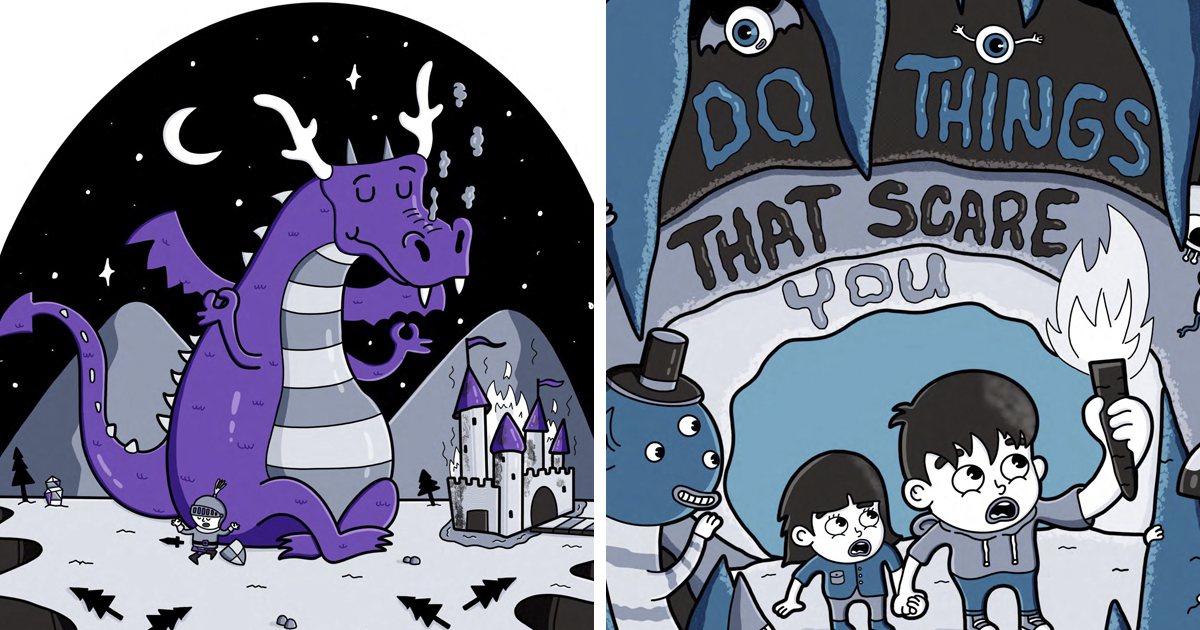
The 31 illustrations in a book like this are not decorations sprinkled on top like parsley at a restaurant trying too hard. They are part of the storytelling structure. Each image becomes a doorway into a lesson: patience, uncertainty, hope, grief, humor, solitude, gratitude, adaptability, courage, and the art of surviving days that feel unusually heavy.
Why Illustrations Make Life Lessons Easier to Remember
People often remember images faster than explanations. A drawing of a tiny figure standing under a giant calendar page can capture anxiety better than a paragraph about disrupted plans. A picture of a house glowing at night can suggest safety, loneliness, and endurance at the same time. A cracked cup holding a flower can say, “You are damaged, yes, but still useful, still alive, still capable of beauty.”
Illustrations also invite readers to slow down. In a world of fast scrolling and faster opinions, a drawn page asks for a different kind of attention. It says, “Pause here. Look closer. There may be something hidden in the corner.” Sometimes the little detaila window, a shadow, a bird, a messy deskbecomes the emotional hook that stays with the reader long after the chapter ends.
Why 31 Is a Smart Creative Structure
Thirty-one illustrations naturally suggest a month of reflection. One image for each day. One lesson at a time. No need to swallow the whole ocean. Just take a sip, think about it, and come back tomorrow.
This structure works beautifully for readers because it feels approachable. A 31-part illustrated book can be read in one sitting, but it can also become a daily ritual. Each illustration can serve as a prompt for journaling, meditation, conversation, or simply remembering how strange and tender life became during that period.
Life Lessons From 2020 That Still Matter
A book about 2020 should not feel trapped in the past. The strongest lessons from that year still apply because they are not only pandemic lessons. They are human lessons. The setting was unusual, but the themes are timeless.
Lesson 1: Control Is Smaller Than We Think
Before 2020, many people believed planning was a form of protection. Calendars were full. Flights were booked. Weddings, graduations, launches, conferences, family visits, and career moves were mapped out with confident ink. Then life took the pen and scribbled over everything.
One of the hardest lessons was realizing that control has limits. We can prepare, save, schedule, and organize, but we cannot command the future to behave. That does not mean planning is useless. It means flexibility is just as important as ambition.
In an illustrated book, this lesson might appear as a person holding a map while the road rearranges itself. Funny? A little. Painfully accurate? Absolutely.
Lesson 2: Small Things Are Not Small
A walk around the block. A phone call. A good meal. Morning light on the kitchen floor. A plant that somehow survived even though nobody fully understood its watering schedule. In 2020, small things became anchors.
Many people discovered that joy does not always arrive wearing fireworks. Sometimes it comes in socks, soup, a clean room, a finished sketch, or the sound of a friend laughing through a screen. The book’s illustrations can help honor those ordinary moments by making them visible and meaningful.
Lesson 3: Creativity Is a Survival Skill
Creativity in 2020 was not limited to professional artists. People became creative with birthdays, workspaces, childcare, exercise, meals, education, and staying connected. Living rooms turned into studios. Kitchen tables became command centers. Bedrooms became recording booths. Closets became the world’s least glamorous podcast studios.
For writers and illustrators, creativity offered a way to process confusion. Making a book with 31 illustrations is not simply an artistic achievement; it is a record of emotional problem-solving. Each page says, “I did not know what to do with this feeling, so I drew it. Then I wrote beside it until it made sense.”
Lesson 4: Connection Needs Intention
When casual contact disappeared, people learned how much they depended on small social moments: hallway chats, shared lunches, quick hugs, friendly errands, classroom noise, church gatherings, office banter, and the simple relief of being near others.
The lesson was not just “people matter.” We already knew that, at least in theory. The deeper lesson was that connection must be maintained. Friendship is not a decorative object you dust twice a year. It needs calls, messages, honesty, forgiveness, and sometimes a meme sent at exactly the right moment.
Lesson 5: Rest Is Not Laziness
Hustle culture had a very awkward year in 2020. Suddenly, productivity advice sounded strange when people were worried, grieving, caregiving, or trying to work while a child asked for snacks every seven minutes.
One important life lesson was that rest is not failure. Rest is maintenance. Rest is strategy. Rest is what allows people to keep going without turning into human error messages. A thoughtful illustration might show a phone charging beside a person doing the same, both equally necessary.
Lesson 6: Grief Has Many Shapes
Not all grief looks the same. Some people grieved loved ones. Others grieved lost jobs, canceled celebrations, missed milestones, delayed dreams, closed businesses, or the version of themselves that existed before everything changed.
A book about life lessons from 2020 should make room for that complexity. Humor can help readers breathe, but honesty gives the work its backbone. The illustrations can carry tenderness where words might feel too heavy.
Lesson 7: Hope Is Often Practical
Hope is not always a grand speech under a cinematic sunrise. Sometimes hope is washing the dishes, answering one email, opening the curtains, starting the next sketch, or deciding that tomorrow deserves a chance.
The most useful kind of hope is often humble. It does not deny difficulty. It simply refuses to let difficulty write the final sentence.
What It Takes to Release an Illustrated Book
Releasing an illustrated book sounds romantic until you meet the actual process. Then romance puts on reading glasses and opens a spreadsheet.
Behind every finished book are dozens of decisions: concept, structure, illustration style, page order, editing, cover design, formatting, printing options, digital publishing, pricing, marketing, author bio, launch plan, and the terrifying moment when you finally stop adjusting tiny details and click “publish.”
Finding the Core Message
The first challenge is deciding what the book is really about. “Life lessons from 2020” is a strong theme, but it still needs a point of view. Is the book hopeful? Funny? Meditative? Raw? Inspirational? Memoir-like? Designed for artists, general readers, gift buyers, or people still trying to understand what that year did to them?
A clear core message helps every illustration and chapter feel connected. Without it, the book becomes a drawer full of beautiful socks: interesting, colorful, but not exactly an outfit.
Pairing Words and Images
In an illustrated book, text and art should not compete for attention. They should dance. Sometimes the illustration carries the emotion, and the writing offers clarity. Other times the writing delivers the insight, and the artwork adds warmth, surprise, or humor.
The best pairing happens when neither element merely repeats the other. If the text says, “I felt isolated,” the illustration does not need to show a person labeled “isolated” sitting under a sign that says “isolation.” Instead, it might show one lit window in a dark apartment building, a dinner table set for one, or a calendar with every square crossed out except a tiny doodle of a sun.
Editing Without Removing the Heart
Personal books are tricky because every page feels emotionally important. Editing one can feel like choosing which houseplant gets sunlight. Still, strong editing is essential.
A good edit removes repetition, sharpens lessons, improves pacing, and makes sure the reader never feels trapped in someone else’s diary without a flashlight. The goal is not to erase vulnerability. The goal is to shape it so it becomes useful to another person.
Why Readers Connect With Personal Creative Projects
Readers are drawn to personal creative projects because they feel human. In a noisy digital world, sincerity stands out. A book built from 31 illustrations and life lessons from 2020 offers something different from a standard self-help guide. It is not shouting instructions from a mountaintop. It is sitting beside the reader and saying, “Here is what I noticed while everything was uncertain.”
That tone matters. People do not always want advice that sounds polished into perfection. Sometimes they want company. They want to know someone else felt confused, made art anyway, and found meaning in the mess.
The Gift Value of an Illustrated Lesson Book
Books like this also make meaningful gifts. They are personal without being too private, reflective without being gloomy, and beautiful enough to leave on a coffee table where guests can admire it and pretend they were not snooping.
A 31-illustration book about 2020 can appeal to readers who enjoy art books, inspirational books, pandemic reflections, illustrated essays, creative memoirs, journaling prompts, and thoughtful keepsakes. It works for people who want to remember, people who want to process, and people who simply appreciate the strange comfort of seeing hard things turned into art.
How Humor Helps Tell a Serious Story
Humor does not make a serious story less meaningful. Used well, it makes the truth easier to approach. The year 2020 was frightening and painful for many people, but it was also filled with absurd details: banana bread ambition, pet coworkers, video meeting chaos, dramatic grocery shortages, home haircuts, and the sudden cultural importance of having a decent Wi-Fi connection.
A fun writing style can help readers stay engaged without disrespecting the emotional weight of the topic. The secret is balance. Make room for laughter, but do not use jokes to dodge the truth. A good illustrated book can smile with one eye and tear up with the other.
How This Book Turns Memory Into Meaning
Memory alone is not always healing. Sometimes memory is just a cluttered attic full of boxes labeled “Do Not Open Unless Emotionally Prepared.” Meaning is what happens when we sort through those boxes and discover what they taught us.
By organizing 2020 into 31 illustrated lessons, the book gives shape to a chaotic period. It transforms scattered experiences into a sequence readers can enter. Each image becomes a marker. Each lesson becomes a small lantern.
That is the real value of the project. It does not claim that everything happened for a reason. That phrase can feel too neat for real hardship. Instead, it suggests that even difficult experiences can be examined, honored, and transformed into wisdom.
Extra Reflections: Experiences Behind Releasing a Book With 31 Illustrations
Creating a book like this is not only about writing and drawing. It is about becoming the kind of person who can finish something personal without running away from it halfway through. That may sound dramatic, but anyone who has opened a blank document knows the blank page can look surprisingly judgmental. Add 31 illustrations to the plan, and suddenly the project has the emotional weight of a tiny creative marathon.
One of the most powerful experiences behind this kind of book is learning to trust small progress. A full illustrated book does not appear in one heroic burst of inspiration. It grows through ordinary sessions: sketching one idea, rewriting one paragraph, fixing one awkward sentence, adjusting one composition, choosing one title, then doing it again. The process teaches patience because there is no other option. You cannot microwave a meaningful book. Believe me, many writers would try if they could.
Another major experience is facing your own memories. Writing about 2020 means walking back into rooms you may have mentally closed. You remember the uncertainty, the quiet streets, the strange news cycles, the distance from people you loved, and the routines that became lifelines. But you also remember unexpected kindness, creative experiments, slower mornings, deeper conversations, and moments when ordinary life felt suddenly precious. The book becomes a place where all of that can exist together.
The illustrations add another layer of honesty. Sometimes an image reveals what the writer was trying to avoid saying directly. A lonely chair, a tangled line, a small figure carrying an oversized objectthese visual choices can expose the emotional truth beneath the polished sentence. That can feel vulnerable, but it is also what makes the work alive.
Releasing the book brings its own lessons. There is excitement, of course, but also fear. What if no one reads it? What if people misunderstand it? What if they do read it and notice that one tiny detail on page 17 you changed twelve times and still secretly distrust? Publishing requires courage because it turns a private process into a public offering.
Yet that is also the reward. Once released, the book no longer belongs only to the creator. Readers bring their own memories to it. One person may connect with a lesson about rest. Another may pause over an illustration about loneliness. Someone else may laugh at a page that reminds them of their own chaotic home office, complete with coffee cups, cables, and a pet who believed every meeting was a personal invitation.
The experience of releasing an entire book with 31 illustrations proves that art does not need perfect conditions. In fact, some of the most meaningful creative work comes from imperfect seasons. The lesson is not that hardship is necessary for creativity. The lesson is that creativity can survive hardship. It can sit beside confusion, borrow a pen, and start drawing anyway.
Conclusion: A Book About 2020 Is Really a Book About Being Human
“I Released An Entire Book With 31 Illustrations That Includes Life Lessons From 2020” is more than a title. It is a statement of survival, creativity, reflection, and transformation. It captures the act of taking a difficult year and turning it into something thoughtful, visual, and useful.
The best part is that the lessons do not expire. Flexibility, gratitude, rest, connection, humor, grief, hope, and creative courage are still relevant. They will remain relevant because life continues to be unpredictable, occasionally ridiculous, and often beautiful in ways we do not notice until later.
A book with 31 illustrations gives readers a way to revisit 2020 without being swallowed by it. It offers perspective, not panic. Meaning, not melodrama. And maybe, if the pages do their job, it reminds us that even when the world feels uncertain, we can still make something honest with our hands, our memories, and whatever courage we can find lying around.

