
Skincare
Goldfish Owner Makes A Cork “Wheelchair” To Help His Sick Fish Swim Upright
Jul
Some pet stories are so odd, sweet, and oddly practical that they make the internet stop scrolling for three whole seconds. This is one of them: a goldfish that could not swim upright, a worried owner, and a tiny homemade “wheelchair” made with cork. It sounds like a rejected scene from a Pixar short, but behind the cuteness is a real aquarium problem that many fish keepers know too well: buoyancy trouble, often linked to swim bladder disorder.
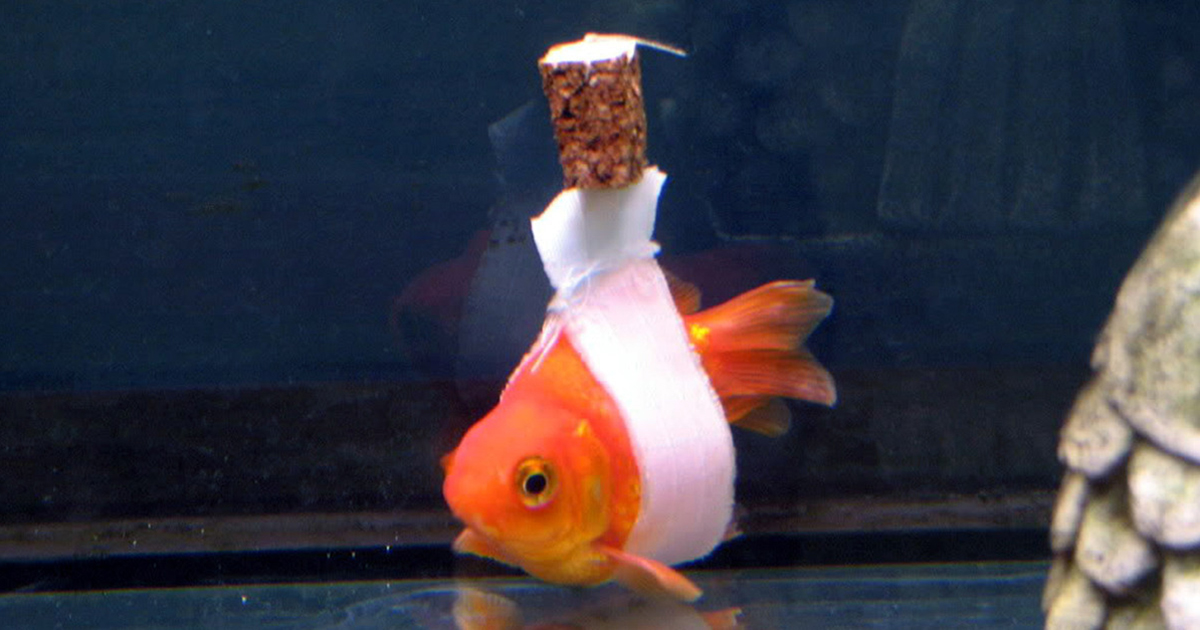
The viral image showed a small goldfish supported by a makeshift sling attached to a piece of cork. The goal was simple: help the fish stay balanced instead of tipping, sinking, or floating awkwardly. For people who think fish are “easy pets,” the story is a bubbly reminder that even a quiet aquarium can come with real caregiving decisions, creative problem-solving, and the occasional arts-and-crafts project that looks like it belongs in a dollhouse garage.
The Tiny Cork Wheelchair That Won The Internet
The goldfish “wheelchair” story gained attention after an image circulated online showing a fish gently seated in a small support device. The contraption appeared to use a piece of cork for buoyancy and a simple body sling to hold the fish in position. It was not a wheelchair in the land-animal sense, of course. No wheels, no ramps, no tiny parking permit. But the nickname stuck because it did what mobility aids are supposed to do: it helped an animal move through its world with less struggle.
At first glance, the idea seems funny. A fish with a flotation harness? That is peak internet. But look again, and the humor softens into something more thoughtful. The owner noticed a problem, cared enough to experiment, and built something to restore a little dignity to a pet that could not simply bark, meow, or dramatically knock a glass off the table to ask for help.
That is why the story resonated. It was not only about a clever hack. It was about compassion in miniature. The fish was small, the device was smaller, and the emotional reaction was enormous.
Why Would A Goldfish Need Help Swimming Upright?
When a goldfish cannot stay upright, keeps floating to the top, sinks to the bottom, rolls sideways, or appears to swim upside down, many owners immediately blame “swim bladder disease.” That term is common, but it is better understood as a symptom or disorder rather than one single disease. The swim bladder is a gas-filled internal organ that helps many fish control buoyancy. When it is not working properly, the fish may lose neutral balance in the water.
In goldfish, buoyancy issues can happen for several reasons. Poor water quality is one of the most important causes to check first. Dietary problems, constipation, swallowing air while feeding at the surface, bacterial infection, inflammation, injury, organ problems, or body-shape-related pressure can also play a role. Fancy goldfish varieties, such as ranchu, fantail, or oranda types, may be especially prone to these issues because their rounded bodies and curved spines can crowd internal organs.
In other words, the goldfish is not being dramatic. It is not practicing underwater yoga. If it is floating belly-up or stuck on the bottom, something is wrong, and the tank environment should be investigated before the owner starts building aquatic furniture.
Common Signs Of Swim Bladder Problems In Goldfish
- Floating at the surface and struggling to swim downward
- Sinking to the bottom and having trouble rising
- Swimming sideways, upside down, or in circles
- Resting awkwardly on the substrate
- Difficulty reaching food
- Redness, sores, or irritation from rubbing against surfaces or exposure to air
- Loss of appetite, lethargy, or unusual hiding behavior
The Sweet Part: Human Ingenuity Meets Fish Care
The cork wheelchair was charming because it looked so improvised. It was not a high-tech medical device. It was a careful little support system made from everyday materials, designed around one fish’s problem. That kind of creativity is common among devoted pet owners. Dog ramps, cat pill pockets, rabbit mobility carts, bird perches for arthritic feet, and now, apparently, goldfish buoyancy gear.
Still, the story should come with a gentle warning label: “Cute does not automatically mean safe.” A homemade fish harness can rub off the slime coat, damage scales, restrict movement, trap waste, or create stress if it is too tight or poorly balanced. A fish’s protective mucus layer is not decorative; it helps defend against infection. Anything touching the body for long periods can become a problem if it causes friction.
That does not make the owner’s effort wrong-hearted. Quite the opposite. It shows care. But for readers facing a similar situation, the safest first move is not to grab cork, zip ties, mesh, foam, or airline tubing. The first move is to test the water, review feeding habits, isolate obvious stressors, and contact an aquatic veterinarian when symptoms persist.
Before Building A Fish Wheelchair, Check The Tank
Goldfish are messy little roommates. They produce a lot of waste, and poor water conditions can build up even when the aquarium looks clear. That is one of the most misleading things about fishkeeping: clean-looking water can still contain harmful ammonia, nitrite, nitrate, chlorine, or unstable pH levels. Your eyes are not a water test kit, no matter how confident they feel.
If a goldfish suddenly develops buoyancy problems, test the water immediately. Ammonia and nitrite should be at zero in a healthy, cycled aquarium. Nitrate should be controlled through water changes, plant uptake, filtration, and responsible stocking. Temperature should be stable, because rapid changes can stress fish and worsen health issues. A properly sized tank with strong filtration is not a luxury for goldfish; it is the difference between a home and a soup bowl with delusions of grandeur.
Goldfish Tank Care Basics That Matter
Good goldfish care begins with space, filtration, and consistency. A tiny bowl is not appropriate long-term housing for goldfish. These fish grow, eat enthusiastically, and create more waste than their innocent faces suggest. A larger aquarium gives water parameters more stability and reduces the speed at which toxins can accumulate.
Routine maintenance should include partial water changes, debris removal, filter checks, and regular testing for ammonia, nitrite, nitrate, and pH. Uneaten food should be removed because leftovers quickly become pollution. In fishkeeping, “just a little extra food” has a way of turning into “why does the tank smell like regret?”
Feeding Mistakes That Can Make Buoyancy Worse
Goldfish are enthusiastic eaters. If goldfish had motivational posters, they would say, “Never stop believing there might be another pellet.” Unfortunately, overfeeding can contribute to constipation, digestive pressure, poor water quality, and buoyancy problems. Surface feeding can also cause some fish to gulp extra air, which may worsen floating issues in susceptible goldfish.
Many aquatic-care experts recommend feeding only what the fish can consume in a few minutes and removing uneaten food. Sinking or slow-sinking pellets may help some goldfish by reducing air intake at the surface. A varied diet can include quality goldfish pellets, appropriate vegetables, and occasional treats. De-shelled peas are often discussed among hobbyists for constipation-related buoyancy issues, but they should not be treated like magic green medicine. They may help in mild digestive cases, but they will not fix tumors, deformities, infection, severe organ disease, or a badly maintained aquarium.
Practical Feeding Tips For Goldfish With Buoyancy Trouble
- Offer sinking or gel foods instead of floating flakes when appropriate.
- Feed small portions once or twice daily, depending on the fish and tank conditions.
- Remove uneaten food after a few minutes.
- Watch whether symptoms worsen after meals.
- Avoid sudden diet changes that could stress the fish.
- Ask an aquatic veterinarian before using medications or long-term fasting.
When A Buoyancy Aid Might Help
Some fish with chronic buoyancy disorders may not fully recover, especially if the cause is structural. In these cases, the goal shifts from “cure” to “quality of life.” That is where supportive care becomes important. A fish that sinks may need a smoother substrate, easier access to food, reduced water flow, and a tank layout that prevents injury. A fish that floats may need protection from air exposure, because skin and scales can become irritated if part of the body stays above water.
In rare cases, a carefully designed external flotation device may be used under expert guidance. The key phrase is “under expert guidance.” A safe support must avoid rubbing, squeezing, trapping debris, or interfering with gill movement, fin motion, and normal behavior. It must also be monitored constantly. A fish wheelchair is not something to slap on and forget like a refrigerator magnet.
The cork wheelchair became famous because it seemed to work for one fish, at least in the moment captured online. But every fish is different. A device that helps one goldfish may harm another if the size, material, buoyancy, or fit is wrong.
The Ethics Of Helping A Sick Fish
The story also raises a surprisingly deep question: how far should people go to help a sick fish? For many owners, fish are not decorations. They are pets with routines, personalities, favorite foods, and recognizable behaviors. A goldfish may learn feeding times, respond to movement near the tank, and interact with its environment in ways that make owners deeply attached.
That attachment matters. It encourages better care. But compassion should be paired with welfare. If a fish is still eating, responding, exploring, and avoiding injury with supportive care, quality of life may be good. If the fish cannot eat, is constantly stressed, develops sores, is attacked by tank mates, or shows signs of severe decline, a veterinarian should help evaluate humane options.
It can feel strange to talk about quality of life for a fish, but it should not. Fish are living animals. They experience stress and discomfort. Responsible care means paying attention not only to survival, but to whether the fish can live without ongoing distress.
What Goldfish Owners Can Learn From The Cork Wheelchair Story
The biggest lesson is not “everyone should build a tiny cork harness.” The real lesson is “notice your fish.” Many aquarium problems start subtly. A goldfish may spend more time near the surface, miss food, tilt slightly after meals, hide near the filter, or rest on the bottom longer than usual. These small signs are easy to miss if the tank is treated like moving wallpaper.
The cork wheelchair story became popular because it was visible and unusual. But the best fish care usually happens before the dramatic moment. It is the boring stuff: testing water, not overfeeding, choosing the right tank size, maintaining filtration, quarantining new fish, and resisting the urge to buy every cute goldfish in the store because “they look lonely.” Spoiler: overcrowding makes everyone lonelier, smellier, and more stressed.
A Simple Action Plan If Your Goldfish Is Floating Or Sinking
- Test the water immediately. Check ammonia, nitrite, nitrate, pH, and temperature.
- Do a partial water change if needed. Match temperature and use dechlorinator.
- Review the diet. Reduce overfeeding and consider sinking foods.
- Observe symptoms closely. Note whether the fish floats, sinks, rolls, eats, or has visible sores.
- Protect the fish from injury. Use smooth decor, gentle flow, and a clean environment.
- Consult an aquatic veterinarian. Persistent buoyancy problems may require imaging or medical care.
- Avoid random medications. Unnecessary treatments can damage biological filtration and worsen water quality.
Why The Internet Loves Tiny Animal Rescue Stories
Part of the appeal is scale. A dog wheelchair is touching. A goldfish wheelchair is touching and absurdly tiny, which makes the human brain short-circuit in the best possible way. People love evidence that someone cared about a creature most others might overlook. The smaller the animal, the bigger the tenderness seems.
There is also something hopeful about practical kindness. The owner did not need a grand stage, a dramatic soundtrack, or a viral strategy. He saw a fish struggling and tried to help. That simple instinct is why stories like this travel so far. They remind us that compassion does not have a minimum size requirement.
Of course, internet virality can flatten complicated care into a cute image. The photo says, “Look, a fish wheelchair!” The fuller story says, “Learn about swim bladder disorders, water quality, diet, and responsible treatment.” Both can be true. The trick is enjoying the adorable invention without turning it into universal medical advice.
Experience Notes: What This Story Feels Like To A Fish Keeper
Anyone who has kept goldfish for more than a minute knows they are not the low-maintenance pets pop culture promised. The classic image of a goldfish in a tiny bowl has done more damage than a toddler with a full juice box in a white-carpeted room. Real goldfish care takes planning, space, water testing, and patience. When something goes wrong, the owner often learns fast.
Imagine walking past the aquarium one morning and seeing your goldfish tilted sideways. Yesterday it was begging for breakfast like a tiny orange vacuum cleaner. Today it is struggling to stay level. Panic arrives quickly. You check the filter, stare at the fish, search symptoms online, and suddenly you are reading about ammonia, nitrite, constipation, peas, sinking pellets, bacterial infections, and veterinary X-rays for fish. It is a humbling moment. The aquarium that once seemed peaceful now feels like a chemistry lab with fins.
In that situation, the cork wheelchair story becomes strangely comforting. Not because every owner should copy it, but because it proves that other people have faced weird fish problems and cared enough to try. There is emotional relief in knowing you are not ridiculous for worrying about a goldfish. You are not “just being dramatic.” You are responsible for a living animal, and your concern is part of good care.
Experienced aquarists often develop a routine after dealing with illness. They keep water test kits nearby. They learn what normal swimming looks like for each fish. They notice who eats aggressively, who hangs back, who gulps at the surface, and who turns into a floating potato after stealing too much food. Over time, fishkeeping becomes less about decoration and more about observation.
One practical lesson is that prevention is easier than rescue. A stable tank, good filtration, careful feeding, and regular maintenance can prevent many emergencies. Another lesson is humility. Even excellent owners can face health problems, especially with fancy goldfish bred for extreme body shapes. Sometimes the best care is not a cure; it is adapting the environment so the fish can live more comfortably.
The cork wheelchair also highlights the bond people form with quiet pets. Fish do not cuddle in the usual sense. They do not wag tails at the door or sleep on your laptop during important work calls. But they do become part of the household rhythm. Their feeding dance, curious faces, and daily routines make them familiar. When one struggles, the tank feels different.
So yes, a cork wheelchair for a goldfish is funny. It is also tender. It represents the moment a person looked at a tiny animal and decided its comfort mattered. That is the part worth remembering. The best fish owners are not the ones with the fanciest equipment or the most dramatic rescue stories. They are the ones who pay attention, keep learning, and treat even the smallest pet like a life worth caring for.
Conclusion: A Small Fish, A Big Reminder
The story of a goldfish owner making a cork “wheelchair” to help his sick fish swim upright is equal parts adorable, inventive, and educational. It shows how creative pet owners can be when an animal they love is struggling. But it also points to a serious issue: abnormal swimming in goldfish should never be ignored.
Swim bladder problems may be linked to water quality, diet, infection, anatomy, or other health conditions. A homemade buoyancy aid might look clever, but it should not replace proper diagnosis, tank maintenance, and veterinary guidance. The safest care begins with clean, stable water, appropriate feeding, enough space, and close observation.
In the end, the cork wheelchair is more than a viral curiosity. It is a floating little symbol of compassion. It reminds us that responsible pet care is not measured by the size of the animal, but by the seriousness of the care we give.

