
Beauty Unlocked
How to Break in Your Birkenstocks So They’re More Comfortable
Jul
Note: This article is based on official Birkenstock fit and care guidance, footwear retailer recommendations, podiatrist-informed comfort advice, and real-world wearer experiences from reputable U.S. style, health, and shopping publications. Source links are omitted as requested.
New Birkenstocks are a little like a strict but brilliant yoga teacher: supportive, corrective, and mildly intimidating until you understand what they are trying to do. You slip them on expecting instant cloud-level comfort, only to discover a firm cork footbed, a toe bar with opinions, and straps that seem personally invested in reminding you that your feet have bones.
The good news? That “uh-oh, did I buy medieval foot furniture?” feeling is usually temporary. Birkenstocks are designed to mold to your feet over time. The cork-latex footbed gradually softens, flexes, and shapes itself around your arches, heel, and toes. Once broken in properly, many wearers find them more comfortable than softer sandals because they support rather than simply cushion.
The key phrase is properly. Breaking in Birkenstocks is not a sprint, a battle, or a reason to wear them for eight hours at a theme park on day one. That is how blisters get elected president. Instead, follow a smart, gradual plan that respects the design of the shoe and the delicate drama of human feet.
Why Birkenstocks Need a Break-In Period
Birkenstocks are famous for their anatomically shaped footbed. Instead of a flat slab of foam, the classic design includes arch support, a deep heel cup, a raised toe bar, and a firm cork-latex base covered with suede. These details are meant to encourage natural foot positioning and distribute weight more evenly.
That structure is exactly why a brand-new pair may feel stiff. Your feet are not simply standing on the sandals; they are meeting a footbed with a whole architectural blueprint. If your usual shoes are flat, overly cushioned, worn down, or unsupportive, your feet may need time to adjust to the contours.
During the break-in period, two things happen at once: the footbed begins to flex and mold, and your feet learn how to sit inside the shape. Think of it like moving into a well-designed apartment. At first, you bump into the kitchen island. A week later, you are gliding around like you own the place.
Start With the Right Fit Before You Break Them In
No break-in method can rescue the wrong size. If your Birkenstocks are too small, too narrow, or badly adjusted, the break-in process will not magically turn them into comfortable sandals. It will simply turn your feet into a complaint department.
Check the Length
Your toes should not hit the front edge, and your heel should not hang off the back. A little room around the foot is normal and necessary. Birkenstocks are not meant to fit like tight dress shoes or running sneakers. When your heel sits in the heel cup, your toes should have enough space to move naturally without gripping for survival.
Check the Width
Birkenstock offers different widths, often regular/wide and narrow/medium. If your foot spills over the edges, the sandal is too narrow. If your foot slides around like it is on a tiny wooden dance floor, it may be too wide or the straps may need adjusting. A proper fit should feel secure but not squeezed.
Find the Toe Bar
The raised toe bar should sit comfortably under the area where your toes meet the ball of your foot. If it feels like a speed bump in the wrong neighborhood, double-check your size. A strange sensation is normal at first; sharp pressure in the wrong spot is not.
The Best Way to Break in Birkenstocks
The safest, most reliable method is simple: wear them for short periods, indoors, and increase the time gradually. This gives the footbed time to flex and your skin time to toughen slightly in areas where straps or edges rub.
Step 1: Flex the Footbed Gently
Before your first wear, hold the sandal with one hand near the toe and the other near the heel, then gently bend the footbed a few times. Do not fold it in half like a taco. You are encouraging movement, not auditioning for a shoe-destruction contest. This small flexing step helps begin the break-in process and makes the sandal feel less rigid underfoot.
Step 2: Open the Straps Completely
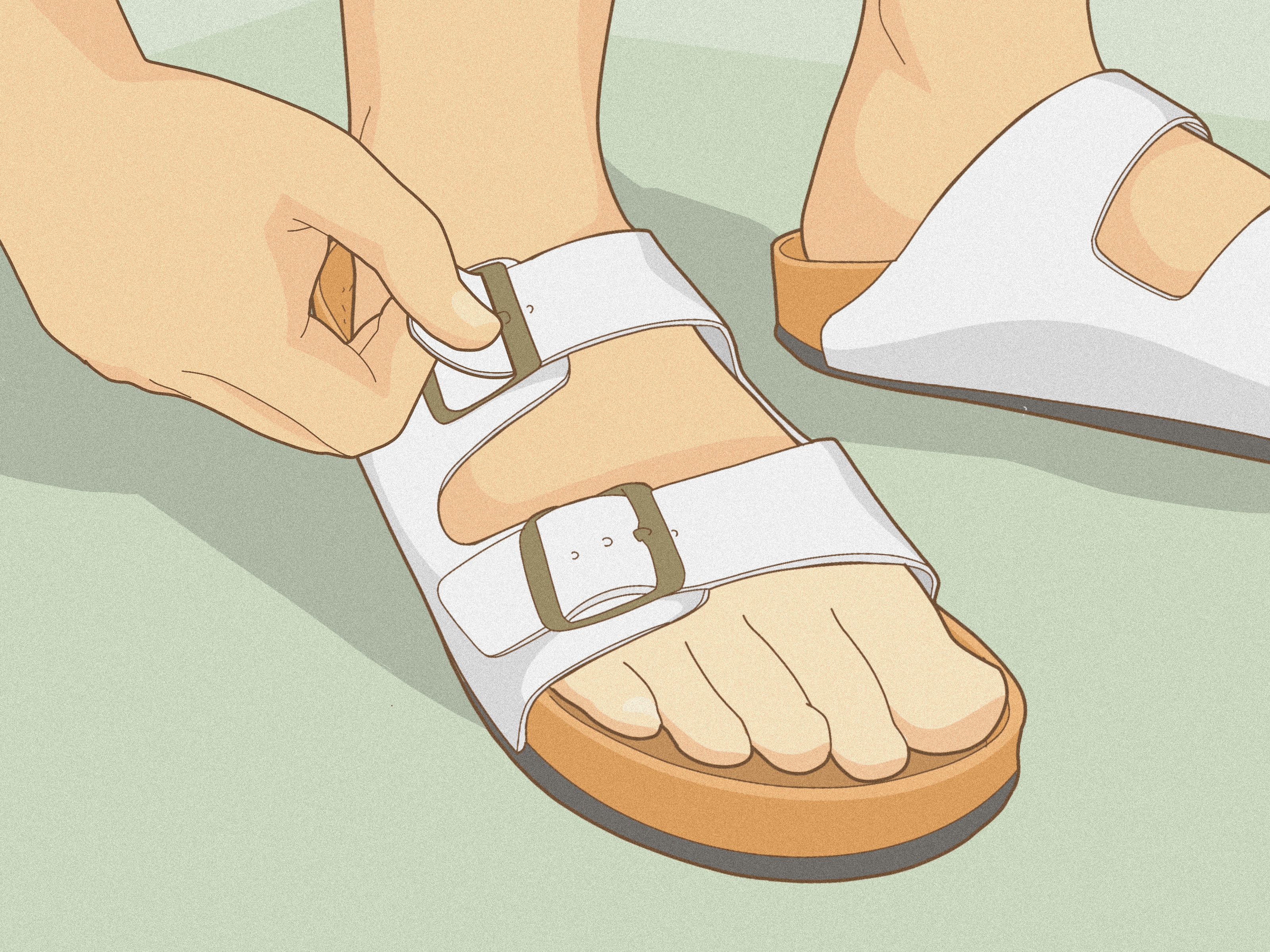
Unbuckle all straps before stepping in. Place your heel fully back in the heel cup, then fasten the straps comfortably. Many people make the mistake of tightening new Birkenstocks too much. At first, the straps should be slightly loose so your foot can settle naturally into the footbed.
Step 3: Wear Them Around the House
Start with one to two hours indoors. Walk around on clean floors, do normal household things, and pay attention to pressure points. This is not the time for a 10,000-step outdoor adventure. Your mission is to let the footbed start learning your foot shape while your feet decide whether they are emotionally ready for this relationship.
Step 4: Increase Wear Time Gradually
After a few short indoor sessions, add more time. Wear them while cooking dinner, checking mail, or taking a short errand. If your feet feel fine, extend the wear period. If you feel rubbing, soreness, or hot spots, take a break. Breaking in Birkenstocks should feel progressive, not punishing.
Step 5: Adjust the Straps Again
As the cork-latex footbed molds, your foot may sit slightly deeper in the sandal. At that point, the straps may feel looser than they did on day one. Tighten them one hole if needed, but keep enough room for natural movement. Your foot should not slap around, but it also should not feel trapped in a leather handshake.
A Simple Two-Week Break-In Schedule
Every pair and every foot is different, but this schedule works well for most new Birkenstock wearers.
Days 1-2: Indoor Test Runs
Wear your Birkenstocks for 30 minutes to two hours at home. Keep the straps loose and notice where your feet feel pressure. If the arch feels intense, that may simply be your foot adjusting to support. If pain is sharp or localized, stop and reassess the fit.
Days 3-5: Longer Indoor Wear
Increase to two or three hours at a time. Try wearing socks if the straps rub. Yes, socks with Birkenstocks may attract fashion commentary from your household, but this is a break-in strategy, not a runway emergency.
Days 6-10: Short Outdoor Errands
Take them outside for low-risk outings: coffee runs, grocery pickups, quick walks around the block. Avoid long walks, wet grass, steep trails, and marathon shopping trips. The goal is controlled exposure.
Days 11-14: Half-Day Wear
If your feet are comfortable, try wearing them for a half day. Bring backup shoes if you will be away from home. This is especially smart if you are traveling, working on your feet, or attending an event where leaving barefoot would create questions.
How to Prevent Blisters While Breaking Them In
Blisters usually happen when skin experiences repeated friction. New Birkenstocks can rub at the straps, toe bar, side edges, or top of the foot, especially before the upper materials soften.
Use Socks During the First Week
Socks reduce friction and help the straps loosen slightly. This is especially useful for leather or Birko-Flor uppers that feel stiff at first. Choose thin cotton or wool socks rather than bulky pairs that change the fit too much.
Protect Hot Spots Early
If you feel a warm, irritated spot forming, cover it with a bandage, moleskin, or blister pad before it becomes a full blister. Feet are dramatic but honest; when they whisper “problem,” listen before they start shouting.
Do Not Push Through Bad Pain
Mild pressure is normal. Sharp pain, numbness, bruising, or severe rubbing is not. If your Birkenstocks hurt in a way that feels wrong, stop wearing them and check the fit, width, strap tension, and footbed placement.
Should You Get the Original or Soft Footbed?
The original footbed is firm and may take longer to break in, but many longtime fans love how deeply it molds over time. The soft footbed includes an extra foam layer under the suede lining, giving it a gentler feel from the start.
If you are new to Birkenstocks, sensitive to firm shoes, or want less break-in drama, the soft footbed may be easier. If you prefer maximum long-term molding and do not mind a firmer beginning, the original footbed may be the better match. Neither is automatically “better.” It depends on your feet, walking habits, and patience level.
What Not to Do When Breaking in Birkenstocks
The internet is full of shoe hacks, and some of them sound tempting. Unfortunately, Birkenstocks are made with materials that do not appreciate reckless creativity.
Do Not Soak Them in Water
Water can damage cork, affect adhesives, stain suede, and shorten the life of your sandals. Water-friendly EVA Birkenstocks are a different category, but classic cork footbed styles should not be soaked to “soften” them.
Do Not Use a Hair Dryer or Heater
Heat can dry out cork, shrink leather, weaken glue, and warp the footbed. Leaving Birkenstocks in a hot car or direct sun for long periods can also cause damage. If your sandals get wet, let them air-dry slowly away from direct heat.
Do Not Wear Them All Day on Day One
This is the classic rookie mistake. You buy new Birkenstocks before vacation, wear them from breakfast through sunset, and by dinner your feet are writing a resignation letter. Break them in before big trips, not during them.
Do Not Over-Tighten the Straps
Over-tight straps create pressure points and prevent your foot from settling naturally. Start looser, then adjust as the sandals mold. Your Birkenstocks should feel secure, not like they are enforcing airport security protocols.
How Long Does It Take to Break in Birkenstocks?
For many people, Birkenstocks begin to feel noticeably better after several wears and become much more comfortable after two to four weeks of gradual use. Some soft footbed styles may feel comfortable sooner. Stiffer leather uppers or original footbeds may take longer.
Your timeline depends on the model, material, foot shape, and how often you wear them. Suede uppers usually soften faster than thick leather. Sandals with multiple straps may require more adjustment than one-strap styles. Clogs like the Boston may feel different because the upper covers more of the foot.
Care Tips That Help Comfort Last
Breaking in your Birkenstocks is only the beginning. Keeping them comfortable means caring for the materials properly.
Air Out the Footbeds
The suede-lined footbed absorbs moisture from your feet. Let your sandals air out after wear, especially in hot weather. This helps reduce odor and keeps the footbed fresher.
Use Cork Sealer When Needed
The exposed cork edge should have a slight sheen. When it starts looking dull or dry, apply a thin layer of cork sealer. This helps protect the cork from drying, cracking, and absorbing too much moisture.
Protect Leather and Suede
Use a water and stain repellent made for suede, nubuck, or leather depending on your upper material. Brush suede and nubuck gently to restore the nap. For leather, wipe away dirt with a soft cloth and condition only if appropriate for that leather type.
When Birkenstocks Might Not Be Right for You
Birkenstocks work beautifully for many people, but no shoe is universal. If you have very sensitive feet, certain foot conditions, unusual arch needs, or pain that worsens with wear, consult a podiatrist or footwear specialist. Supportive sandals should make walking easier over time, not turn every step into a courtroom argument.
Also remember that Birkenstocks are casual walking sandals, not technical hiking shoes, running shoes, or rain boots. They are great for errands, travel days, house wear, casual walking, and everyday outfits. For steep trails, slippery surfaces, or long athletic walks, choose footwear designed for that purpose.
Real-Life Break-In Experiences: What Usually Happens
The most common Birkenstock break-in story starts with confusion. A person buys the iconic Arizona or Boston because everyone says they are “the most comfortable shoes ever.” They open the box, step in, and think, “Everyone lied to me, including possibly my best friend.” The arch feels high, the cork feels firm, and the toe bar feels suspiciously present. Then they wear the sandals at home for a few evenings, and the panic begins to fade.
One typical experience is the “kitchen test.” You wear the sandals while making coffee, unloading the dishwasher, and pacing around while deciding what to eat even though you already opened the fridge six times. At first, the footbed feels stiff. By the third or fourth short session, the sandals begin to flex more naturally. The arch support still feels noticeable, but less bossy. The straps stop feeling like new leather and start behaving like something that belongs on your foot.
Another common experience happens with travel. Someone buys Birkenstocks for a summer trip and wisely breaks them in before leaving. They wear them with socks around the house for a week, then on short errands, then for a few hours at a time. By vacation, the sandals are comfortable enough for museum days, airport terminals, boardwalk strolls, and casual dinners. The person feels smug, but in a healthy way. Their friend, meanwhile, bought a new pair two days before the trip and wore them for a full sightseeing day. That friend is now researching blister pads with the intensity of a graduate student.
People with flat feet often report a stronger adjustment period because the arch support can feel unusually high at first. For them, slow wear is especially important. A useful approach is alternating Birkenstocks with familiar shoes during the first two weeks. This lets the feet adapt without being overwhelmed. People with high arches may appreciate the support more quickly, but they still need to check whether the arch hits the right place.
Suede styles often feel friendlier at first because the upper is soft and flexible. Oiled leather styles can take longer but may become beautifully customized over time. Soft footbed versions tend to win over people who want less break-in effort, while original footbed fans often say the long-term payoff is worth the firmer start.
The happiest wearers usually have one thing in common: they do not rush. They treat the first week like a dating phase, not a marriage contract. Short indoor sessions, strap adjustments, socks when needed, and patience make a huge difference. Eventually, the footbed starts to feel less like a product and more like a personal map of your foot. That is the magic of Birkenstocks: comfort is not installed at the factory; it is built through wear.
Conclusion
Breaking in Birkenstocks is mostly about patience, fit, and not believing every shoe hack on the internet. Start indoors, wear them for short periods, keep the straps loose at first, and increase your walking time gradually. Protect hot spots before they become blisters, avoid soaking or heating the sandals, and care for the cork and uppers so they stay comfortable for years.
Once the footbed molds and the straps soften, your Birkenstocks can become the kind of shoes you reach for without thinking. They may not be love at first step, but with the right break-in routine, they can become a long-term comfort favorite. In other words: give them time. Your feet may eventually send a thank-you note.

